
identifier
MDA_ARQ_00440
author
collection
description
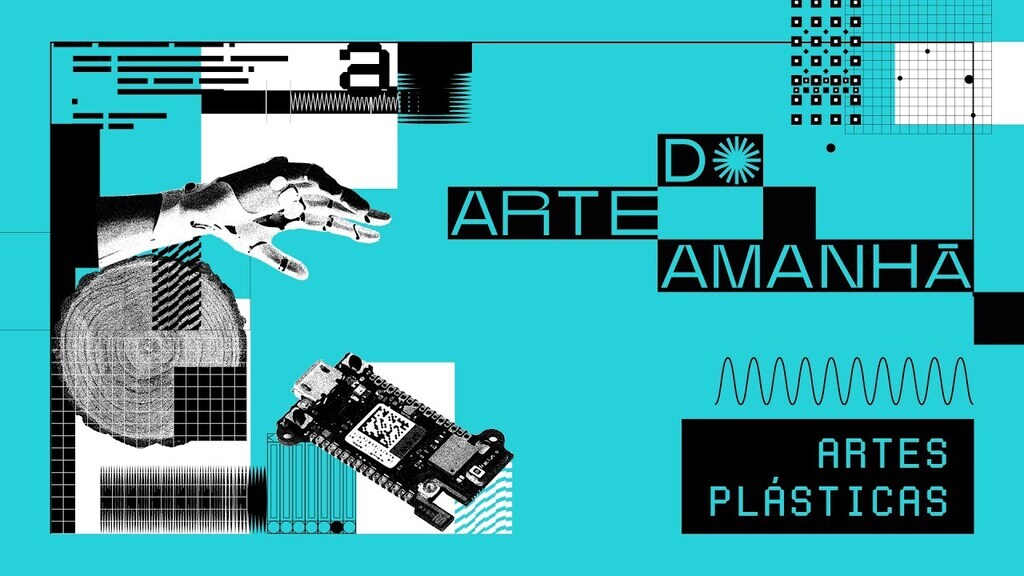
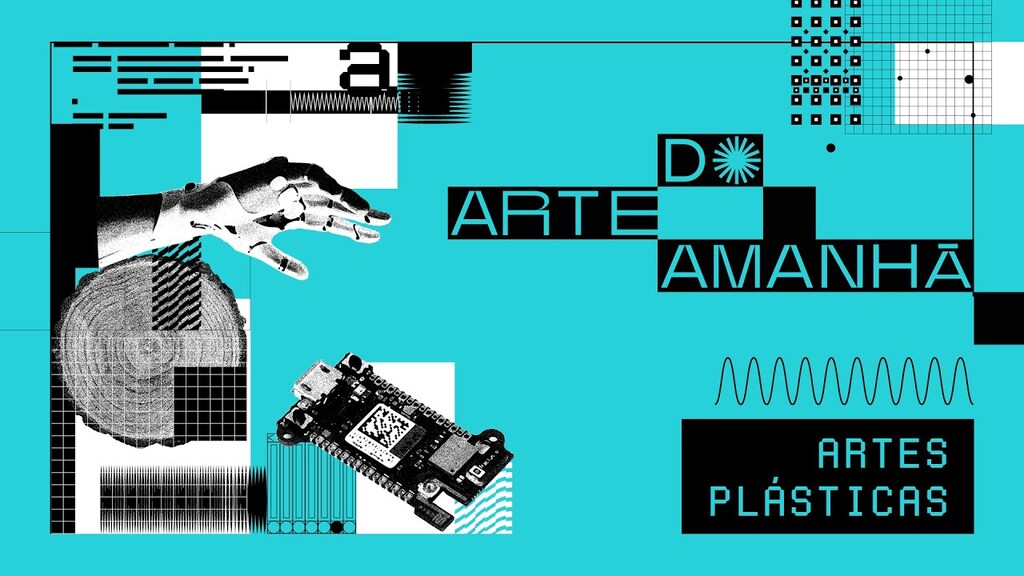
The Art of Tomorrow is a free, online training program focused on art and technology, aimed at artists, researchers, managers, and anyone interested in new inspirations, techniques, and technologies applied to the arts and culture. Organized by the Museum of Tomorrow (through the Laboratory of Activities of Tomorrow) in partnership with the Instituto Ling and presented by Santander, the program's opening was led by Batman Zavareze, curator, visual artist, and art director who has worked on major productions such as the opening ceremony of the 2016 Rio Olympics and with artists like Marisa Monte, Los Hermanos, Roberto Carlos, and Tribalistas. The cycle consisted of 18 investigative meetings distributed across 6 weekly thematic modules (Music and Sound Narratives, Performing Arts, Audiovisual, Visual Arts, Design, and New Media), totaling more than 50 hours of programming. Each meeting was led by a provocative artist, stimulating organic exchanges between the audience and guests. The first module (Visual Arts) featured Daiara Tukano – a visual artist, teacher, indigenous rights activist, Master in Human Rights from UnB, and researcher on the right to memory and truth of indigenous peoples. In her talk, Daiara shared her trajectory, her worldview, and the relationship between art, spirituality, territorial struggle, and memory. At the end of the online phase, participants who attended at least two complete modules were eligible to apply for the in-person residency at the Laboratory of Activities of Tomorrow.
O Arte do Amanhã é um programa de formação gratuito e online, focado em arte e tecnologia, voltado para artistas, pesquisadores, gestores e interessados em novas inspirações, técnicas e tecnologias aplicadas às artes e à cultura. Realizado pelo Museu do Amanhã (por meio do Laboratório de Atividades do Amanhã) em parceria com o Instituto Ling e apresentado pelo Santander, o programa teve sua abertura conduzida por Batman Zavareze, curador, artista visual e diretor de arte que atuou em grandes produções como a abertura das Olimpíadas do Rio 2016 e com artistas como Marisa Monte, Los Hermanos, Roberto Carlos e Tribalistas. O ciclo foi composto por 18 encontros investigativos distribuídos em 6 módulos temáticos semanais (Música e Narrativas Sonoras, Artes Performáticas, Audiovisual, Artes Plásticas, Design e Novas Mídias), totalizando mais de 50 horas de programação. Cada encontro foi conduzido por um artista provocador, estimulando trocas orgânicas entre público e convidados. O primeiro módulo (Artes Plásticas) contou com a participação de Daiara Tukano – artista visual, professora, ativista dos direitos indígenas, mestre em Direitos Humanos pela UnB e pesquisadora do direito à memória e verdade dos povos indígenas. Em sua fala, Daiara compartilhou sua trajetória, sua cosmovisão e a relação entre arte, espiritualidade, luta territorial e memória. Ao final da etapa online, participantes com presença em pelo menos dois módulos completos puderam se inscrever para a residência presencial no Laboratório de Atividades do Amanhã.
O Arte do Amanhã é um programa de formação gratuito e online, focado em arte e tecnologia, voltado para artistas, pesquisadores, gestores e interessados em novas inspirações, técnicas e tecnologias aplicadas às artes e à cultura. Realizado pelo Museu do Amanhã (por meio do Laboratório de Atividades do Amanhã) em parceria com o Instituto Ling e apresentado pelo Santander, o programa teve sua abertura conduzida por Batman Zavareze, curador, artista visual e diretor de arte que atuou em grandes produções como a abertura das Olimpíadas do Rio 2016 e com artistas como Marisa Monte, Los Hermanos, Roberto Carlos e Tribalistas. O ciclo foi composto por 18 encontros investigativos distribuídos em 6 módulos temáticos semanais (Música e Narrativas Sonoras, Artes Performáticas, Audiovisual, Artes Plásticas, Design e Novas Mídias), totalizando mais de 50 horas de programação. Cada encontro foi conduzido por um artista provocador, estimulando trocas orgânicas entre público e convidados. O primeiro módulo (Artes Plásticas) contou com a participação de Daiara Tukano – artista visual, professora, ativista dos direitos indígenas, mestre em Direitos Humanos pela UnB e pesquisadora do direito à memória e verdade dos povos indígenas. Em sua fala, Daiara compartilhou sua trajetória, sua cosmovisão e a relação entre arte, espiritualidade, luta territorial e memória. Ao final da etapa online, participantes com presença em pelo menos dois módulos completos puderam se inscrever para a residência presencial no Laboratório de Atividades do Amanhã.
country
dateBegin
10/04/2023
dateEnd
10/04/2023
sound
✓
color
duration
2h 49min 26s
theme
producer
Title
Video Art of Tomorrow | DAIARA TUKANO — VISUAL ARTS
Vídeo Arte do Amanhã | DAIARA TUKANO — ARTE PLÁSTICAS
Vídeo Arte do Amanhã | DAIARA TUKANO — ARTE PLÁSTICAS
reproductionCondition
restriction
✓
language
Brazilian Sign Language (Libras)Language
conservation
about
itemEvent
itemProject
relatedItem17
image
video