
Arquivístico
Vídeo Evidências das Culturas Negras | Culturas Alimentares e Biodiversidade
19/05/2021
Eixo temático
Área de Identificação
Código de Referência
BR.MDA.ARQ.00397
Título
Vídeo Evidências das Culturas Negras | Culturas Alimentares e Biodiversidade
Vídeo Evidências das Culturas Negras #25 | Culturas Alimentares e Biodiversidade
Video: Evidence of Black Cultures | Food Cultures and Biodiversity
Video: Evidence of Black Cultures #25 | Food Cultures and Biodiversity
Vídeo Evidências das Culturas Negras #25 | Culturas Alimentares e Biodiversidade
Video: Evidence of Black Cultures | Food Cultures and Biodiversity
Video: Evidence of Black Cultures #25 | Food Cultures and Biodiversity
Coleção
Fundo
Museu do Amanhã
Descrição do Conteúdo
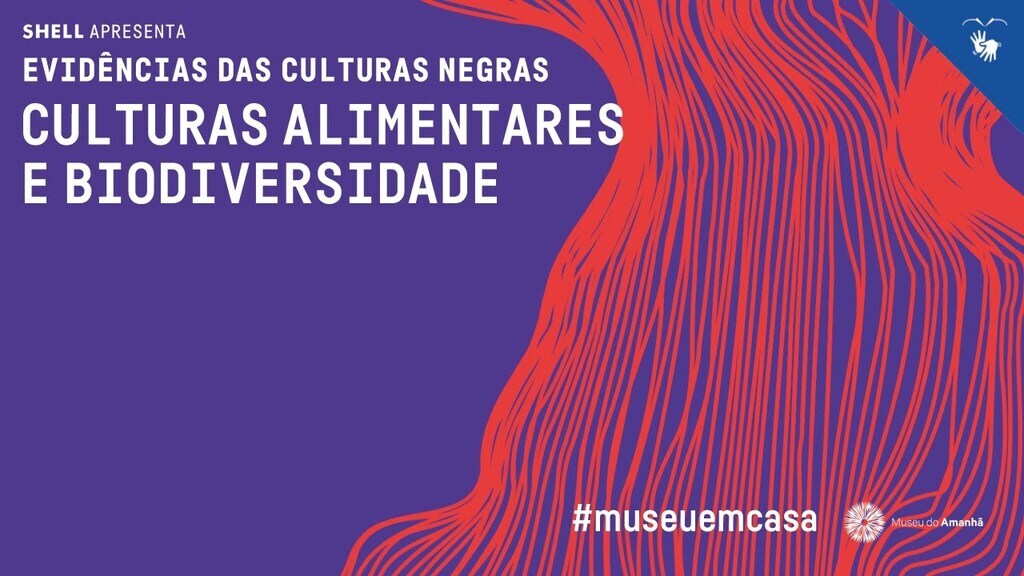
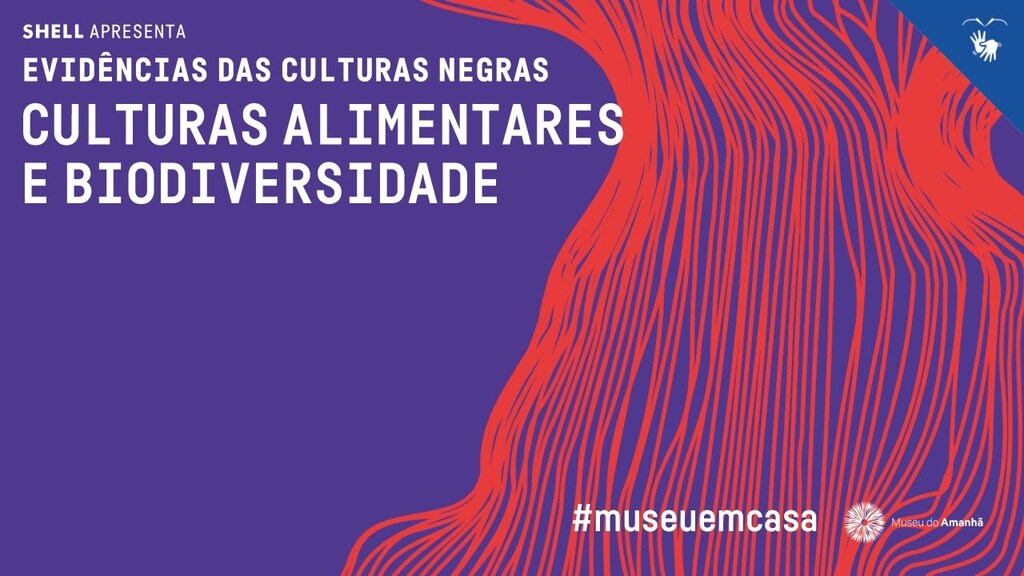
O vídeo "Evidências das Culturas Negras #25 | Culturas Alimentares e Biodiversidade", apresentado pela Shell, corresponde à 25ª edição do programa do Museu do Amanhã. A conversa reúne três lideranças: Ana Santos (agricultora urbana e fundadora do Centro de Integração na Serra da Misericórdia, no Complexo da Penha, Rio de Janeiro), Nitynawã Pataxó (liderança indígena pataxó da Aldeia da Jaqueira, em Porto Seguro, Bahia) e Dalila Kalunga (cantora, artesã, agroextrativista e liderança cultural da comunidade quilombola Kalunga, em Cavalcante, Goiás). O debate aborda o ato de comer como prática cultural, política e de resistência, destacando a relação entre alimentação, memória ancestral, território, biodiversidade e sustentabilidade. As convidadas discutem a importância da preservação dos saberes tradicionais, os impactes do racismo ambiental e do nutricídio, a necessidade de demarcação de terras indígenas e quilombolas, o fortalecimento da agricultura familiar e de programas como o Programa Nacional de Alimentação Escolar (PNAE), além da defesa da soberania alimentar. O programa também celebra o Dia Internacional da Biodiversidade e está alinhado aos Objetivos de Desenvolvimento Sustentável (ODS) da ONU.
The video "Evidence of Black Cultures #25 | Food Cultures and Biodiversity," presented by Shell, corresponds to the 25th edition of the Museum of Tomorrow's program. The conversation brings together three leaders: Ana Santos (urban farmer and founder of the Integration Center in Serra da Misericórdia, in the Penha Complex, Rio de Janeiro), Nitynawã Pataxó (Pataxó indigenous leader from the Jaqueira Village, in Porto Seguro, Bahia), and Dalila Kalunga (singer, artisan, agro-extractive worker, and cultural leader of the Kalunga quilombola community, in Cavalcante, Goiás). The debate addresses the act of eating as a cultural, political, and resistance practice, highlighting the relationship between food, ancestral memory, territory, biodiversity, and sustainability. The guests discuss the importance of preserving traditional knowledge, the impacts of environmental racism and nutritional deficiencies, the need for the demarcation of indigenous and quilombola lands, the strengthening of family farming and programs such as the National School Feeding Program (PNAE), as well as the defense of food sovereignty. The program also celebrates the International Day for Biological Diversity and is aligned with the UN Sustainable Development Goals (SDGs).
The video "Evidence of Black Cultures #25 | Food Cultures and Biodiversity," presented by Shell, corresponds to the 25th edition of the Museum of Tomorrow's program. The conversation brings together three leaders: Ana Santos (urban farmer and founder of the Integration Center in Serra da Misericórdia, in the Penha Complex, Rio de Janeiro), Nitynawã Pataxó (Pataxó indigenous leader from the Jaqueira Village, in Porto Seguro, Bahia), and Dalila Kalunga (singer, artisan, agro-extractive worker, and cultural leader of the Kalunga quilombola community, in Cavalcante, Goiás). The debate addresses the act of eating as a cultural, political, and resistance practice, highlighting the relationship between food, ancestral memory, territory, biodiversity, and sustainability. The guests discuss the importance of preserving traditional knowledge, the impacts of environmental racism and nutritional deficiencies, the need for the demarcation of indigenous and quilombola lands, the strengthening of family farming and programs such as the National School Feeding Program (PNAE), as well as the defense of food sovereignty. The program also celebrates the International Day for Biological Diversity and is aligned with the UN Sustainable Development Goals (SDGs).
Localização (País/Estado/Cidade)
Data de produção inicial
19/05/2021
Gênero/Espécie
Audiovisual/ Conversa mediada gravada em vídeo
Unidade
Item documental
Som
✓
Formato de arquivo
Padrão Cor
Duração
1h 23min 37s
Apresentação Gráfica
Colorido
Eixo temático
Área de Condições de Acesso e Uso
Condição de Restrição
✓
Condições de Reprodução
Área de Notas
Estado de Conservação
Área de Controle
Indexação de Assuntos/Palavras-Chave
Justiça SocialAssunto
Povos OrigináriosAssunto
Relações Étnico-RaciaisAssunto
Sustentabilidade AmbientalAssunto
Sustentabilidade SocialAssunto
Relações
Evento
Projeto
Item do acervo10
Arquivos Associados / Assets
Imagem
Vídeo