




Exposição / Exposição Itinerante
Serra da Capivara: os mais antigos vestígios da povoação na América?
10/11/2018 - 10/02/2019
Eixo temático
Informações gerais
Código
MDA.EXP.00029
Nome
Serra da Capivara: os mais antigos vestígios da povoação na América?
Serra da Capivara
Serra da Capivara: the oldest traces of settlement in the Americas?
Serra da Capivara
Capivara Mountain Range: the oldest traces of settlement in the Americas?
Capivara Mountain Range
Serra da Capivara
Serra da Capivara: the oldest traces of settlement in the Americas?
Serra da Capivara
Capivara Mountain Range: the oldest traces of settlement in the Americas?
Capivara Mountain Range
Descrição
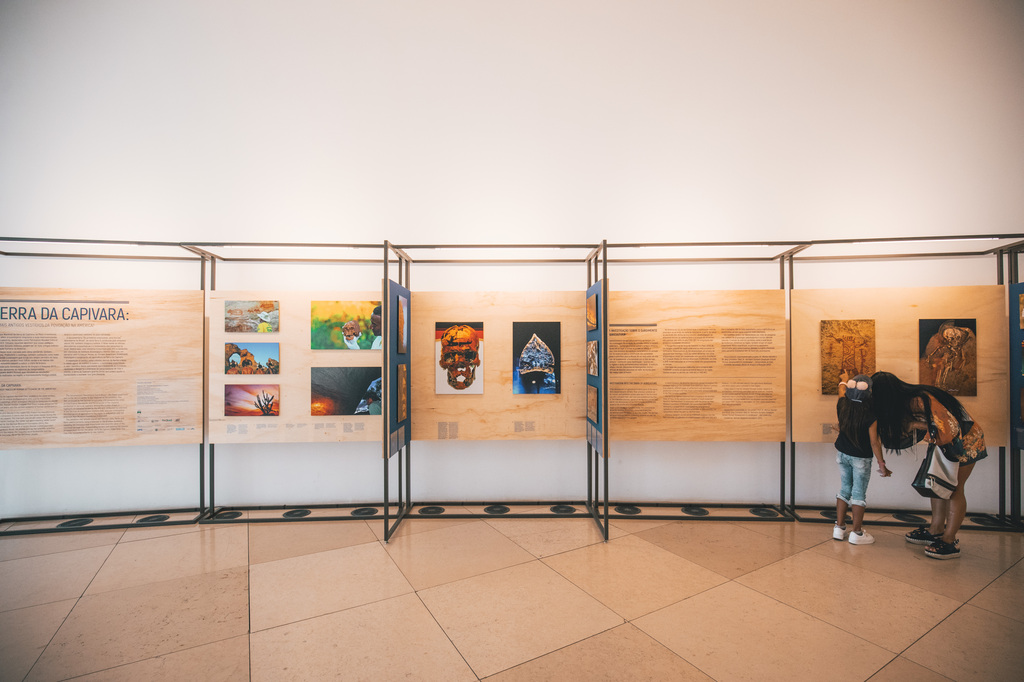
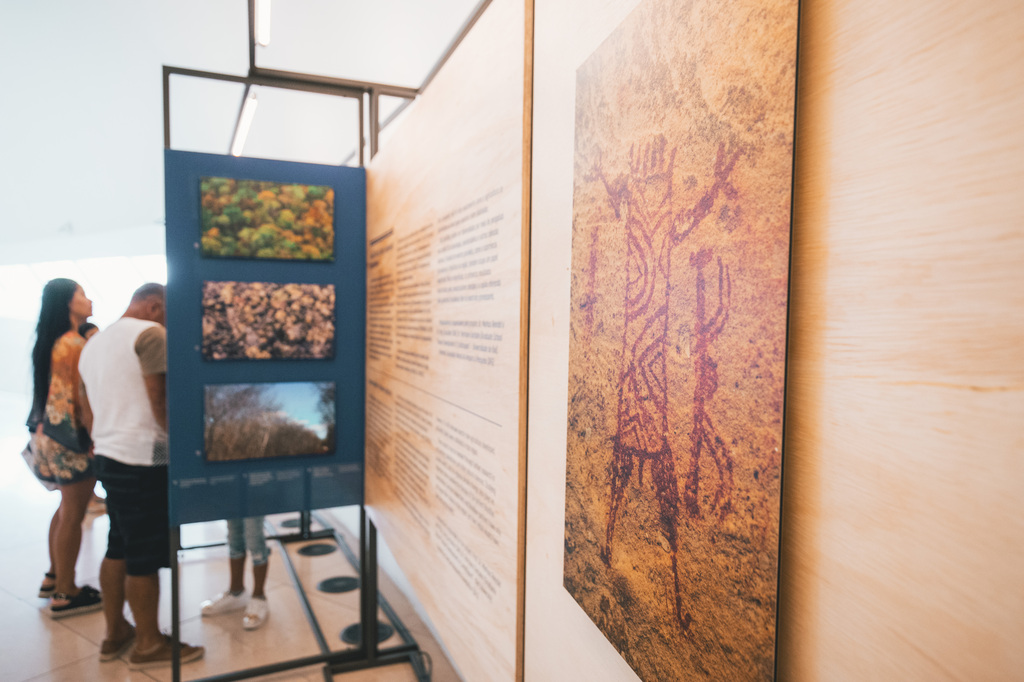
O Parque Nacional da Serra da Capivara, no Piauí, é conhecido por seus sítios arqueológicos e impressionantes pinturas rupestres, tombados como Patrimônio Mundial Cultural pela UNESCO. Estudos recentes apontam que esses vestígios milenares podem ser os mais antigos indícios da habitação humana na América. Em 10 de novembro de 2018, a DFG – Sociedade Alemã de Amparo à Pesquisa inaugurou uma exposição sobre o tema no Museu do Amanhã.
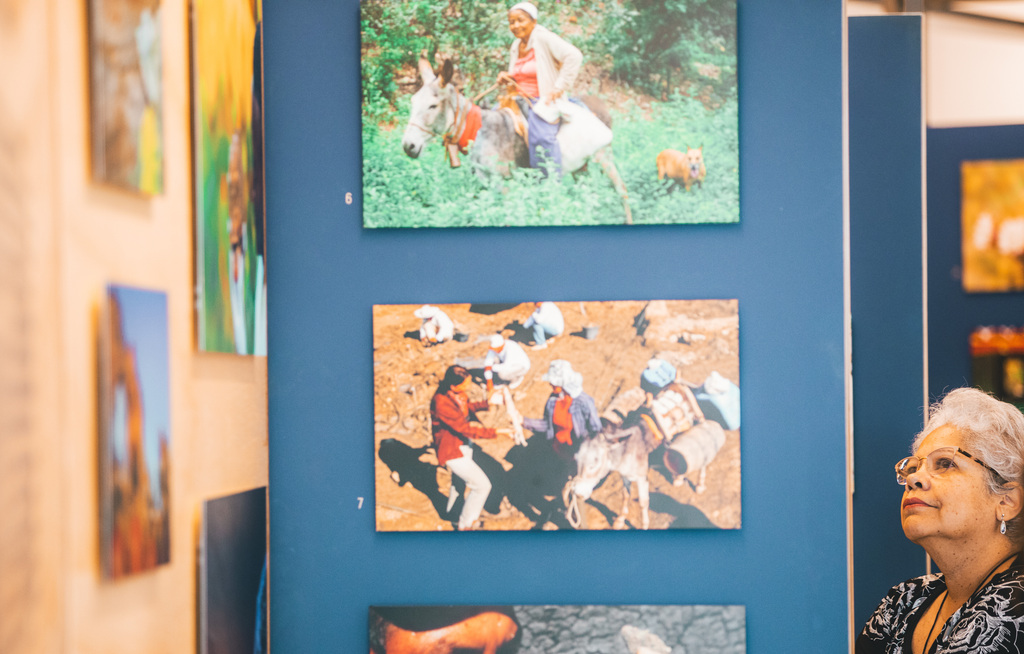
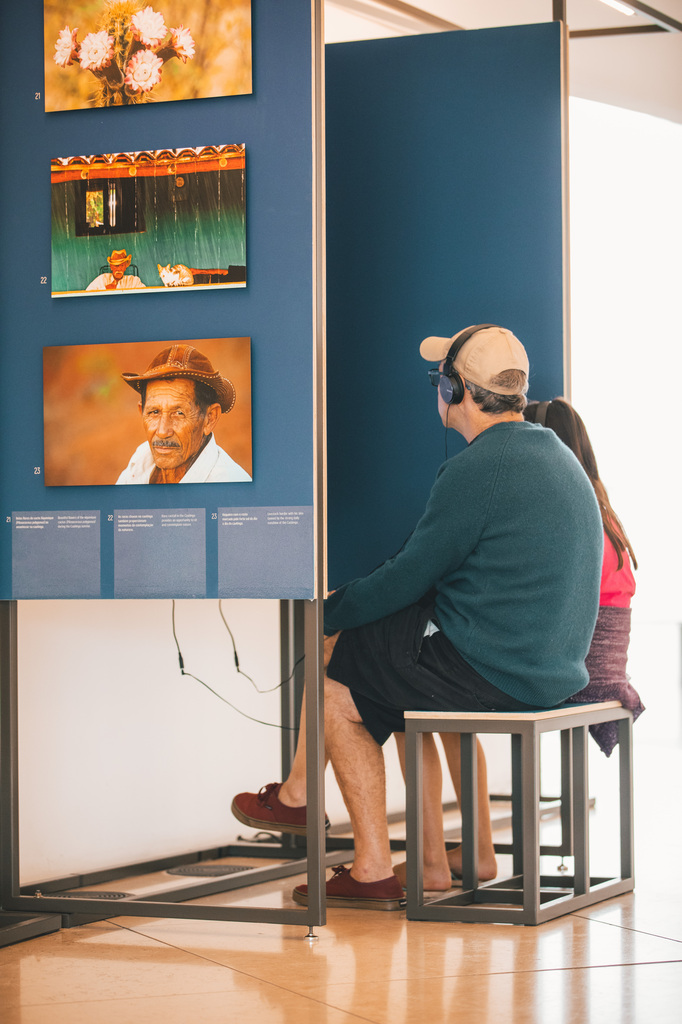
A mostra "Serra da Capivara: os mais antigos vestígios da povoação na América?" revelou o trabalho arqueológico realizado na região e a fascinante biodiversidade e cultura locais, retratadas através do olhar cuidadoso do fotojornalista pernambucano André Pessoa, especializado em registros naturais e científicos.
Entre as pesquisas abordadas, um projeto fomentado pela DFG que investiga o surgimento do sedentarismo e da agricultura na América do Sul. A pesquisa é conduzida por cientistas do Instituto Arqueológico Alemão (DAI) em parceria com a Fundação Museu do Homem Americano (FUMDHAM).
A exposição já passou por Berlim e Bonn, na Alemanha, e chegou em julho ao Brasil, na cidade de Maceió, onde foi bem recebida e vista por milhares de pessoas. No Rio, revelou ao público do Museu do Amanhã a inestimável importância e valor científico deste patrimônio, que transcende as fronteiras nacionais e desperta o interesse de pesquisadores de todo o mundo: a Serra da Capivara guarda pistas que podem ajudar a humanidade a escrever sua (pré-)história.
The Serra da Capivara National Park, in Piauí, is known for its archaeological sites and impressive rock paintings, listed as a World Cultural Heritage site by UNESCO. Recent studies suggest that these ancient remains may be the oldest evidence of human habitation in the Americas. On November 10, 2018, the DFG – German Research Foundation – inaugurated an exhibition on the subject at the Museum of Tomorrow. The exhibition "Serra da Capivara: the oldest traces of settlement in the Americas?" revealed the archaeological work carried out in the region and the fascinating local biodiversity and culture, portrayed through the careful eye of Pernambuco-born photojournalist André Pessoa, specialized in natural and scientific documentation. Among the research topics covered was a project funded by the DFG investigating the emergence of sedentary lifestyles and agriculture in South America. The research is conducted by scientists from the German Archaeological Institute (DAI) in partnership with the Museum of the American Man Foundation (FUMDHAM). The exhibition has already been shown in Berlin and Bonn, Germany, and arrived in Brazil in July, in the city of Maceió, where it was well received and seen by thousands of people. In Rio, it revealed to the public at the Museum of Tomorrow the invaluable importance and scientific value of this heritage, which transcends national borders and sparks the interest of researchers worldwide: the Serra da Capivara holds clues that can help humanity write its (pre-)history.
The Serra da Capivara National Park, in Piauí, is known for its archaeological sites and impressive rock paintings, listed as a World Cultural Heritage site by UNESCO. Recent studies suggest that these ancient remains may be the oldest evidence of human habitation in the Americas. On November 10, 2018, the DFG – German Research Foundation – inaugurated an exhibition on the subject at the Museum of Tomorrow. The exhibition "Serra da Capivara: the oldest traces of settlement in the Americas?" revealed the archaeological work carried out in the region and the fascinating local biodiversity and culture, portrayed through the careful eye of Pernambuco-born photojournalist André Pessoa, specialized in natural and scientific documentation. Among the research topics covered was a project funded by the DFG investigating the emergence of sedentary lifestyles and agriculture in South America. The research is conducted by scientists from the German Archaeological Institute (DAI) in partnership with the Museum of the American Man Foundation (FUMDHAM). The exhibition has already been shown in Berlin and Bonn, Germany, and arrived in Brazil in July, in the city of Maceió, where it was well received and seen by thousands of people. In Rio, it revealed to the public at the Museum of Tomorrow the invaluable importance and scientific value of this heritage, which transcends national borders and sparks the interest of researchers worldwide: the Serra da Capivara holds clues that can help humanity write its (pre-)history.
Tipo de Exposição
Eixo temático
Conteúdo
Palavra-chave
MemóriaAssunto
Povos OrigináriosAssunto
Assets
Imagem8
Taxonomia
É parte de