

Informações gerais
Código
MDA.EXP.00078
Nome
O PORTO E SEUS MORROS
THE PORT AND ITS HILLS
THE PORT AND ITS HILLS
Descrição
A exposição online, intitulada "O Porto e seu Morros", aborda a relação histórica, arquitetônica e social entre os morros da Região Portuária do Rio de Janeiro e o processo de formação urbana e cultural da cidade.
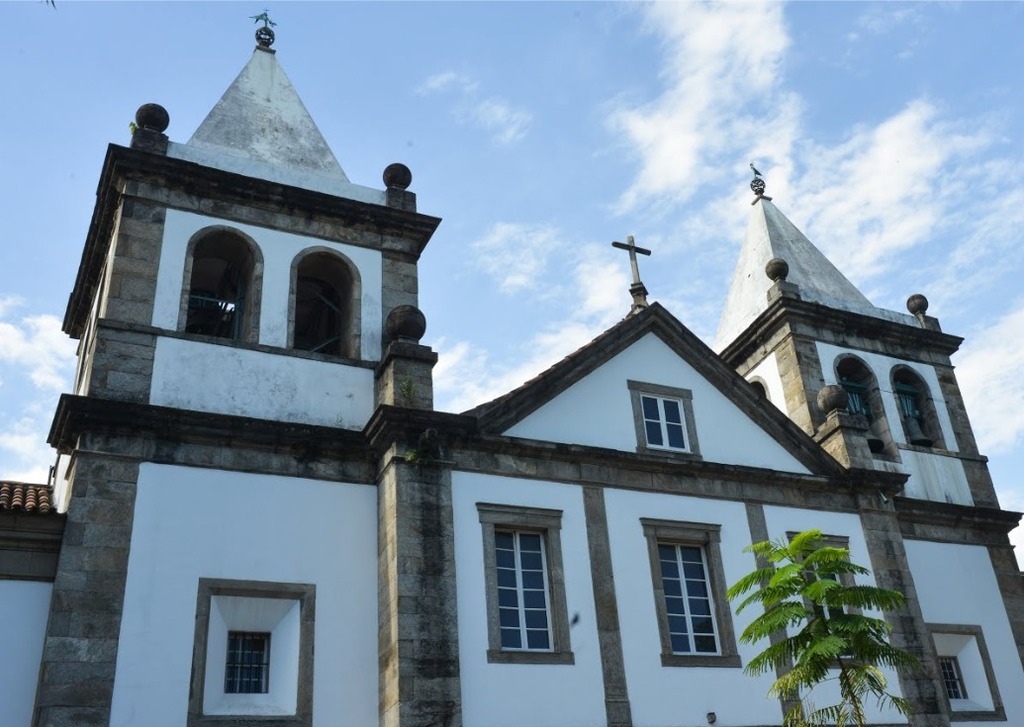
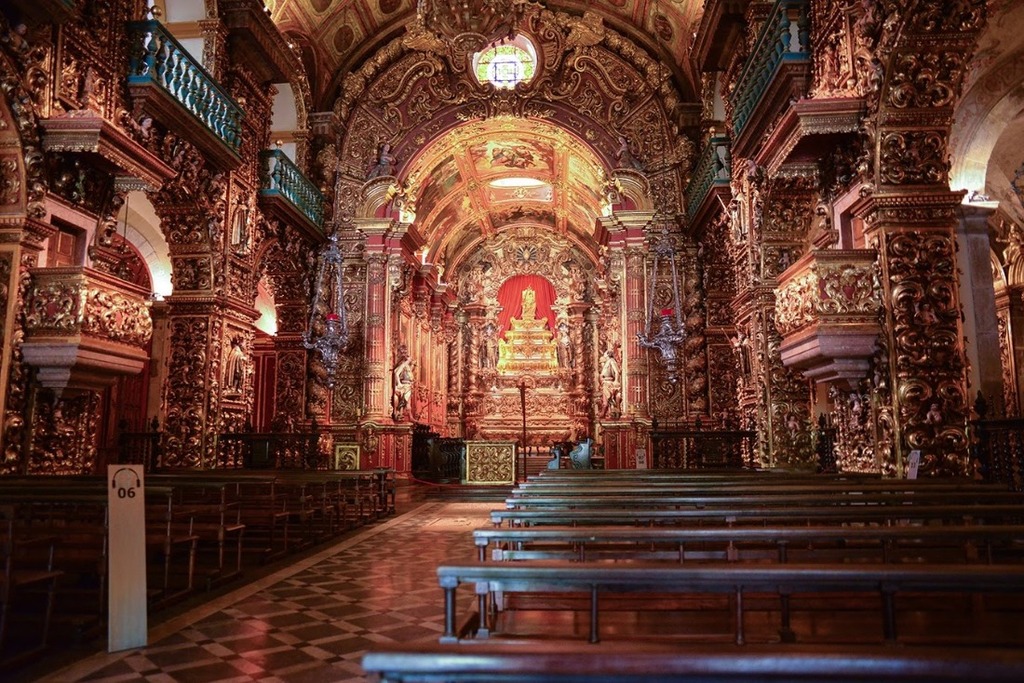
O material estrutura-se em torno de três principais elevações: Morro de São Bento, Morro da Conceição e Morro da Providência (antigo Morro da Favela). O primeiro eixo documenta a ocupação do Morro de São Bento pelos beneditinos desde 1590, com registros do Mosteiro de São Bento, sua arquitetura em talha dourada e sua resistência a conflitos históricos como os bombardeios do pirata Duguay-Trouin (1711), um incêndio em 1732 e os ataques durante a Revolta da Armada (1893).
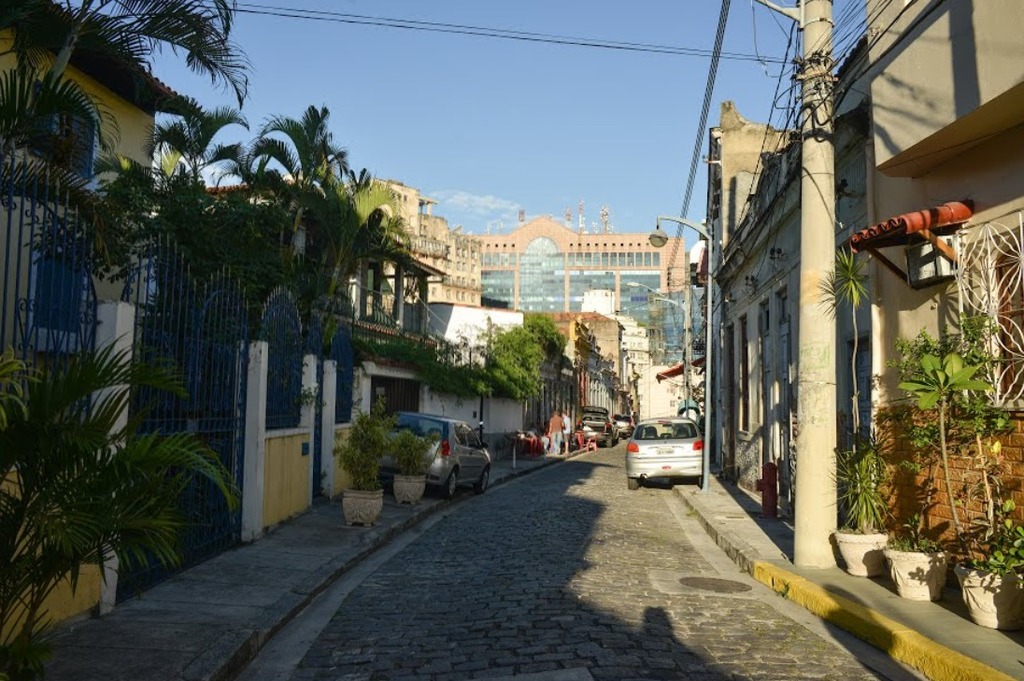
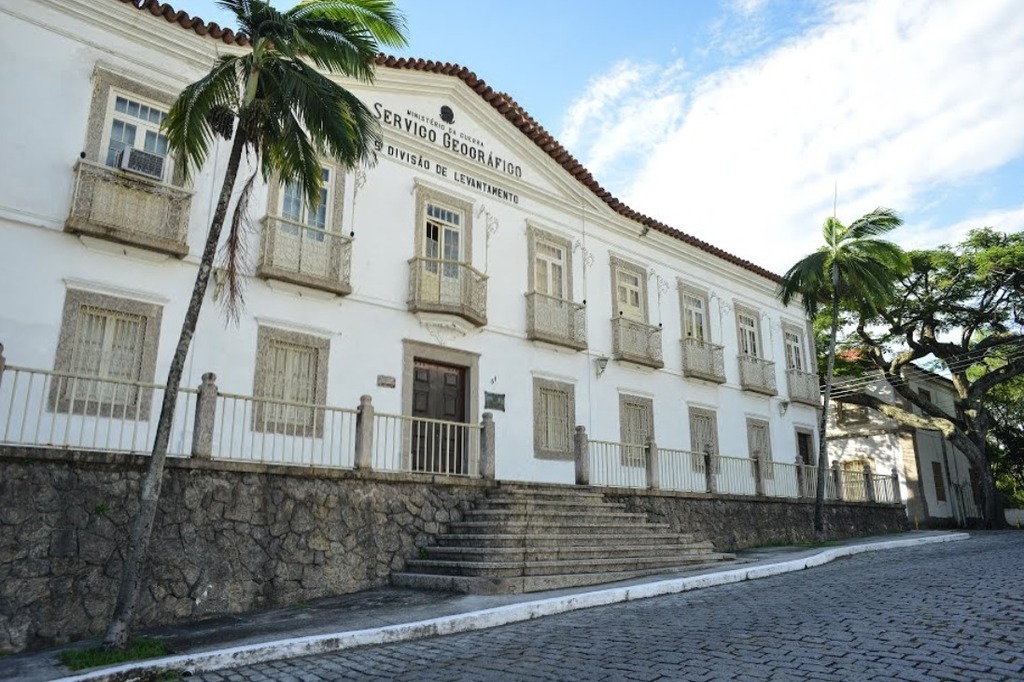
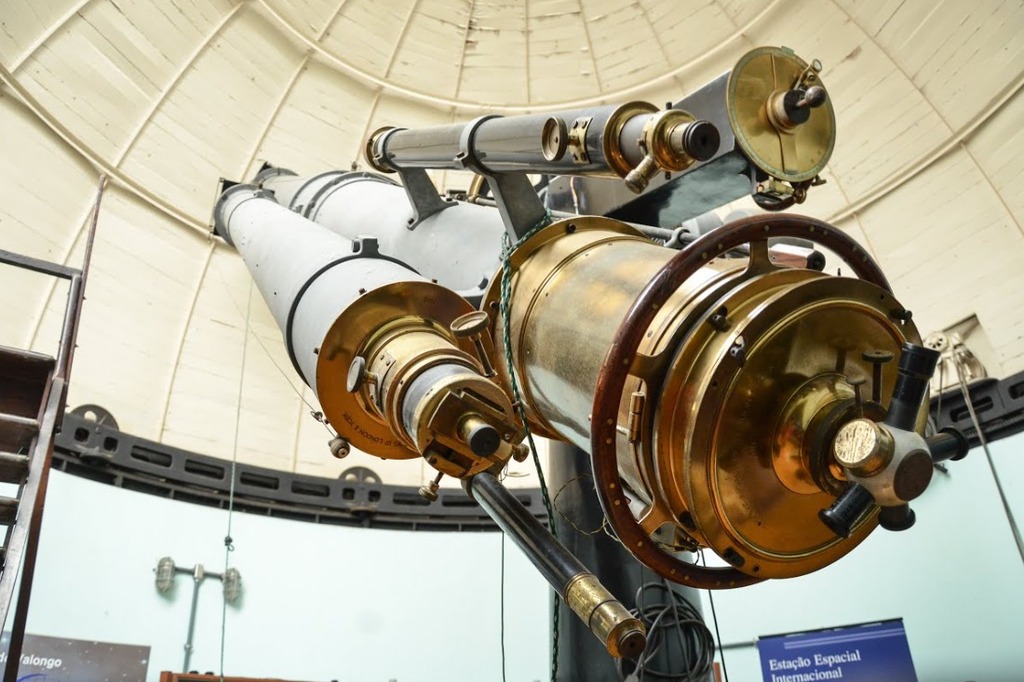
O segundo eixo apresenta o Morro da Conceição como um dos últimos remanescentes do núcleo original da cidade, caracterizado pelo silêncio que contrasta com o centro financeiro vizinho, abrigando patrimônios como o Paço Episcopal, a Fortaleza da Conceição, o Observatório do Valongo (desde 1926, atualmente vinculado à UFRJ) e o Jardim Suspenso do Valongo (1906).
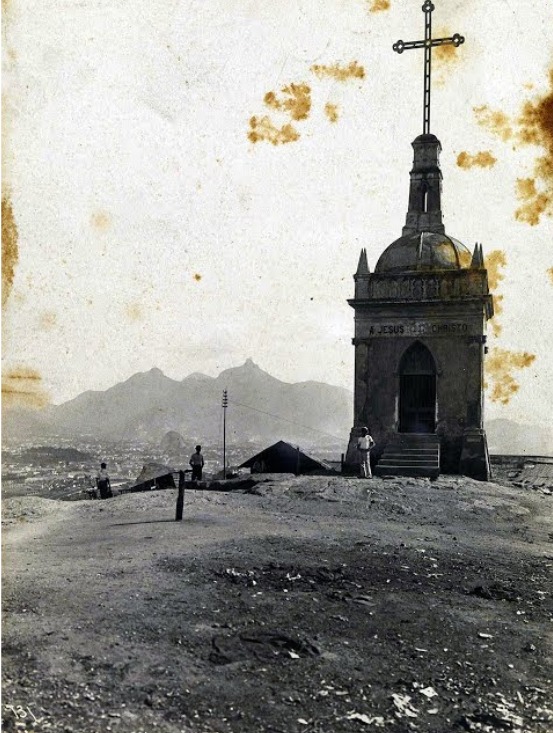
O terceiro eixo aborda o Morro da Providência, reconhecido como a primeira favela do Brasil, cuja origem remonta à Guerra de Canudos, quando veteranos trouxeram do Nordeste a planta "favela" (Cnidoscolus quercifolius), cujo nome se tornou sinônimo das ocupações nas encostas cariocas.
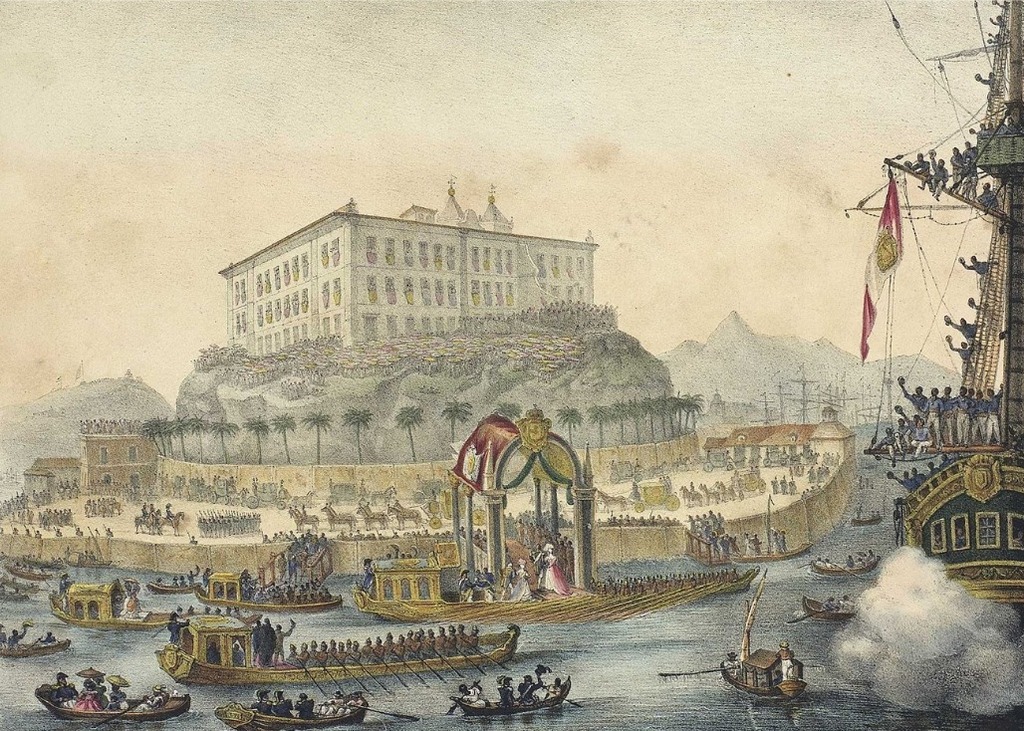
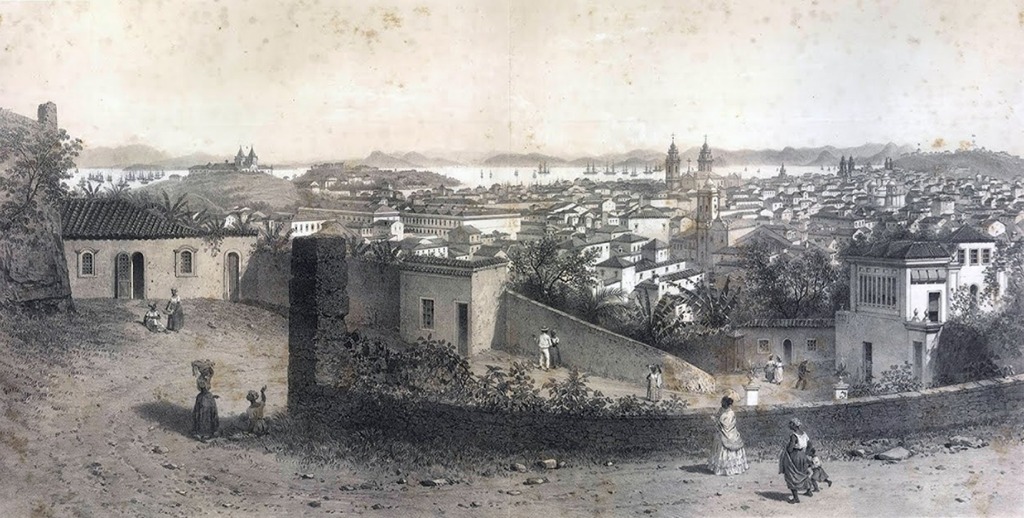
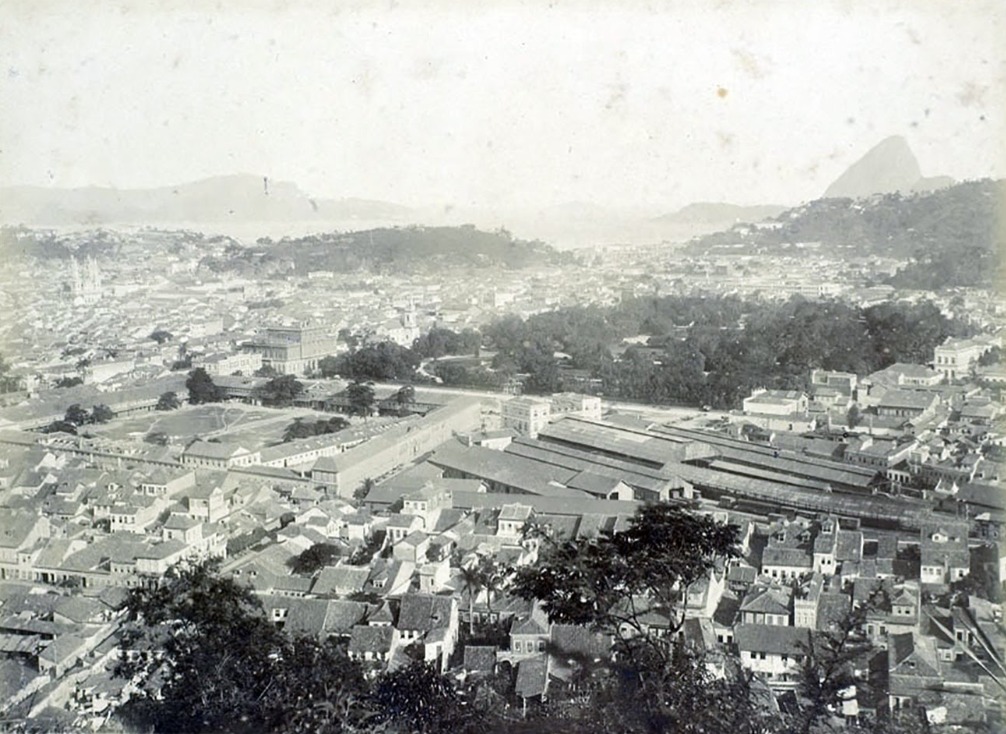
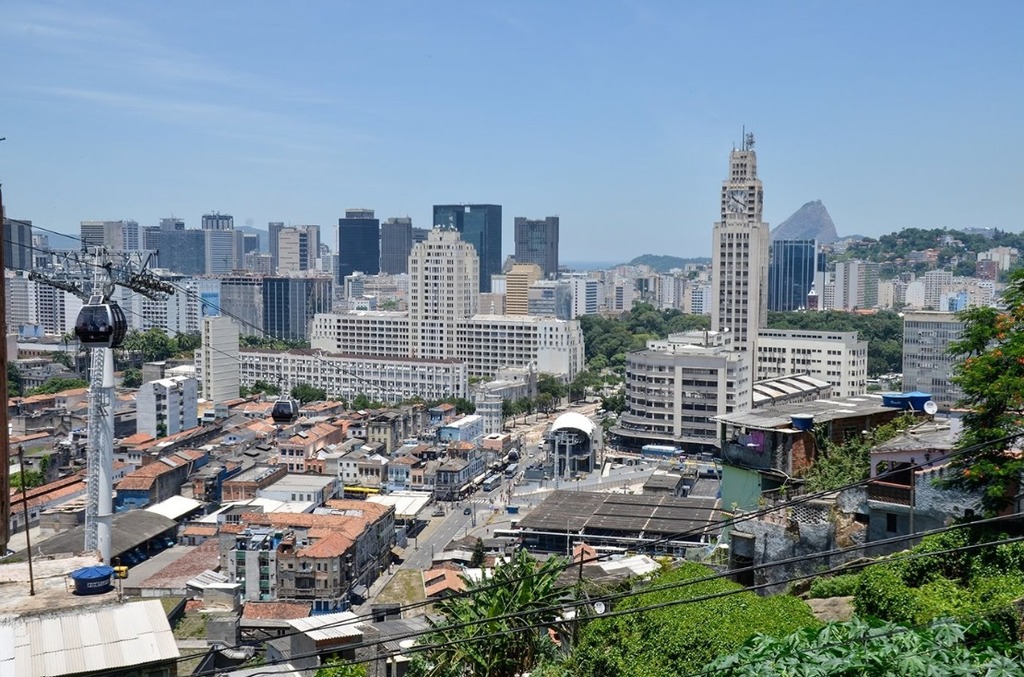
O acervo reúne registros iconográficos históricos (séculos XIX e XX) provenientes da Biblioteca Nacional e do Arquivo da Cidade do Rio de Janeiro, incluindo fotografias de Augusto Malta, gravuras e litografias, além de imagens contemporâneas de Marcos Tristão e I Hate Flash (Coleção Museu do Amanhã), que documentam as transformações recentes como a instalação do teleférico no Morro da Providência e a nova paisagem urbana com a chegada de equipamentos culturais na região.
A exposição constitui relevante fonte para pesquisas em história urbana, patrimônio arquitetônico, formação das favelas, memória portuária e transformações paisagísticas do Rio de Janeiro.
The online exhibition, titled "The Port and its Hills," addresses the historical, architectural, and social relationship between the hills of the Port Region of Rio de Janeiro and the urban and cultural formation process of the city. The material is structured around three main elevations: São Bento Hill, Conceição Hill, and Providência Hill (formerly Favela Hill). The first section documents the occupation of São Bento Hill by the Benedictines since 1590, with records of the São Bento Monastery, its gilded wood carvings, and its resistance to historical conflicts such as the bombardments by the pirate Duguay-Trouin (1711), a fire in 1732, and the attacks during the Armada Revolt (1893). The second axis presents Morro da Conceição as one of the last remnants of the city's original core, characterized by a silence that contrasts with the neighboring financial center, housing heritage sites such as the Episcopal Palace, the Fortaleza da Conceição, the Valongo Observatory (since 1926, currently linked to UFRJ), and the Valongo Hanging Garden (1906). The third axis addresses Morro da Providência, recognized as the first favela in Brazil, whose origin dates back to the Canudos War, when veterans brought the "favela" plant (Cnidoscolus quercifolius) from the Northeast, whose name became synonymous with the occupations on the slopes of Rio de Janeiro. The collection brings together historical iconographic records (19th and 20th centuries) from the National Library and the City Archives of Rio de Janeiro, including photographs by Augusto Malta, engravings and lithographs, as well as contemporary images by Marcos Tristão and I Hate Flash (Museum of Tomorrow Collection), which document recent transformations such as the installation of the cable car on Morro da Providência and the new urban landscape with the arrival of cultural facilities in the region. The exhibition constitutes a relevant source for research in urban history, architectural heritage, the formation of favelas, port history, and landscape transformations in Rio de Janeiro.
The online exhibition, titled "The Port and its Hills," addresses the historical, architectural, and social relationship between the hills of the Port Region of Rio de Janeiro and the urban and cultural formation process of the city. The material is structured around three main elevations: São Bento Hill, Conceição Hill, and Providência Hill (formerly Favela Hill). The first section documents the occupation of São Bento Hill by the Benedictines since 1590, with records of the São Bento Monastery, its gilded wood carvings, and its resistance to historical conflicts such as the bombardments by the pirate Duguay-Trouin (1711), a fire in 1732, and the attacks during the Armada Revolt (1893). The second axis presents Morro da Conceição as one of the last remnants of the city's original core, characterized by a silence that contrasts with the neighboring financial center, housing heritage sites such as the Episcopal Palace, the Fortaleza da Conceição, the Valongo Observatory (since 1926, currently linked to UFRJ), and the Valongo Hanging Garden (1906). The third axis addresses Morro da Providência, recognized as the first favela in Brazil, whose origin dates back to the Canudos War, when veterans brought the "favela" plant (Cnidoscolus quercifolius) from the Northeast, whose name became synonymous with the occupations on the slopes of Rio de Janeiro. The collection brings together historical iconographic records (19th and 20th centuries) from the National Library and the City Archives of Rio de Janeiro, including photographs by Augusto Malta, engravings and lithographs, as well as contemporary images by Marcos Tristão and I Hate Flash (Museum of Tomorrow Collection), which document recent transformations such as the installation of the cable car on Morro da Providência and the new urban landscape with the arrival of cultural facilities in the region. The exhibition constitutes a relevant source for research in urban history, architectural heritage, the formation of favelas, port history, and landscape transformations in Rio de Janeiro.
Tipo de Exposição
Eixo temático
Conteúdo
Texto Curatorial
As curvas naturais do Rio de Janeiro chamam a atenção de quem chega à cidade por terra, ar ou pelo mar. Seus morros têm muita história para contar. Foram neles que os primeiros portugueses ergueram suas moradias quando vieram ao Brasil, onde as defesas e fortalezas foram instaladas e também onde a cultura afro-brasileira ganhou força e se espalhou pelo resto da cidade.
BENEDITINOS E O MORRO DE SÃO BENTO
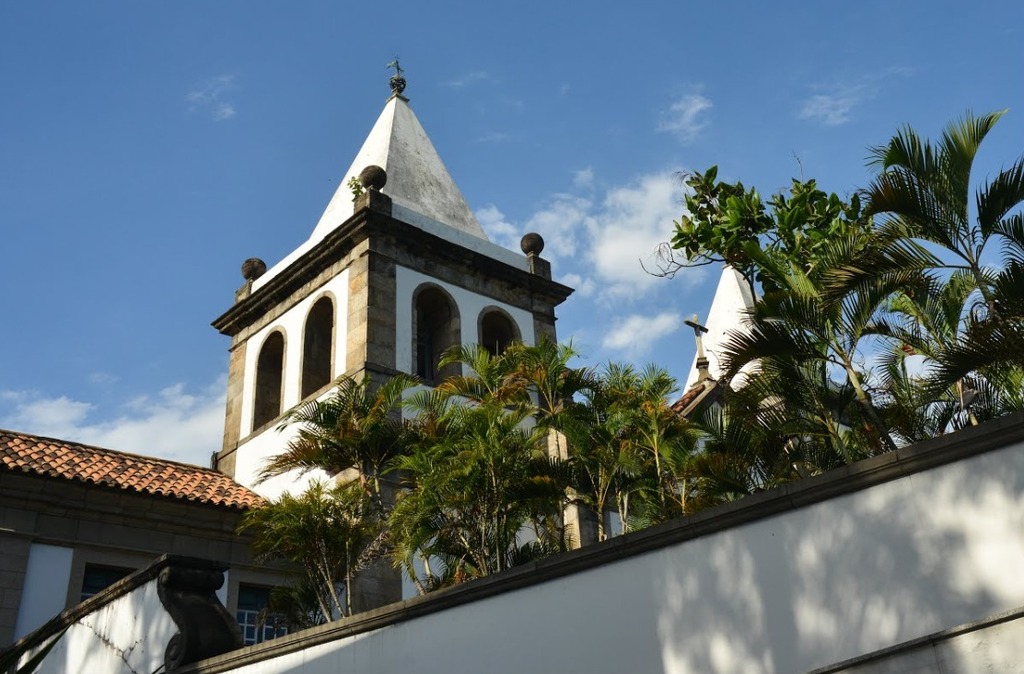
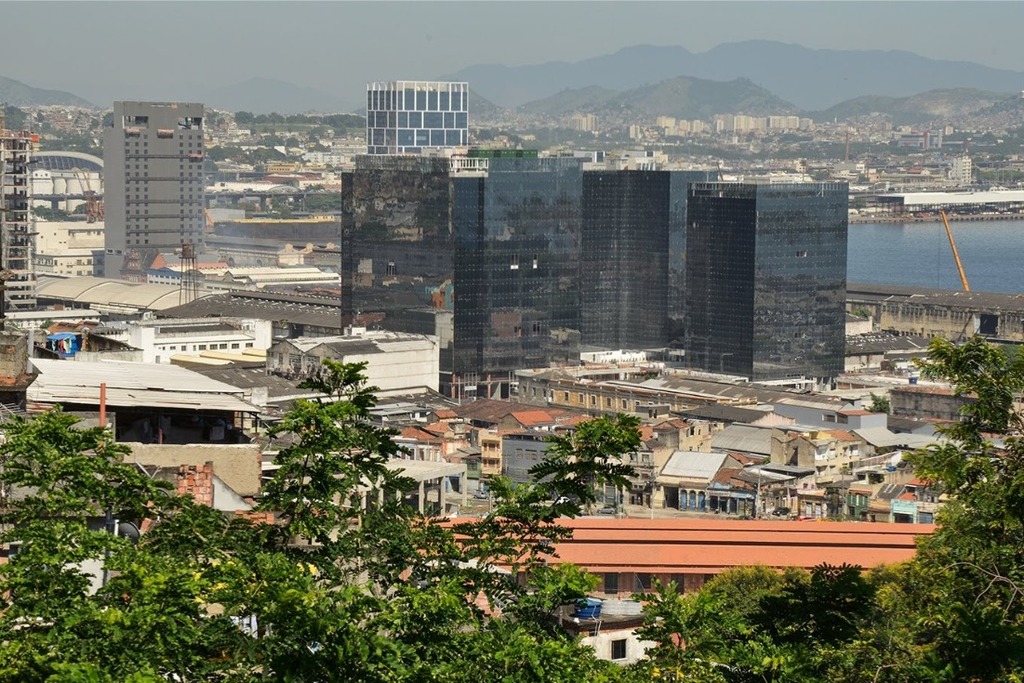
Desde 1590 os beneditinos estão instalados no topo do Morro de São Bento. De lá para cá, a congregação católica resistiu a disputas políticas e bombardeios. Em 1711 o mosteiro foi atingido por canhões do pirata francês Duguay-Trouin. Em 1732 um incêndio quase o destruiu. Já em 1893, na Revolta da Armada, novamente foi alvo de ataques. Atualmente, abriga um colégio tradicional e um mosteiro. Tem como vizinhos a sede da Marinha e uma moderna torre de 28 andares na esquina da Avenida Rio Branco, número 1 (foto: Marcos Tristão/Museu do Amanhã).
CONCEIÇÃO: O INTERIOR NO CENTRO DO RIO
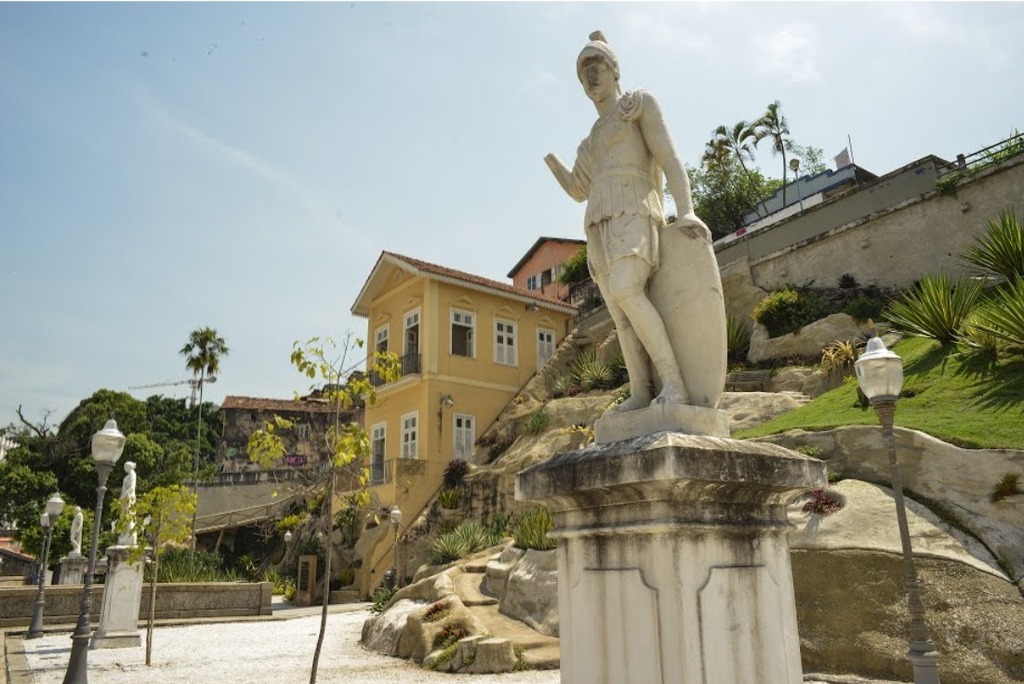
O Morro da Conceição é um dos últimos remanescentes do núcleo originário da cidade e o único que permaneceu preservado de alguma forma. Andar por suas ladeiras encravadas no coração financeiro do Rio, e vizinhas à área portuária, é como sair da metrópole direto para o interior. O silêncio predomina, quebrado às vezes apenas por latidos de cães e pelo descontraído bate-papo de moradores. Considerado patrimônio histórico da cidade, coexistem ali monumentos tombados pelos órgãos de preservação, como o Palácio Episcopal e a Fortaleza da Conceição. Também ficam na Conceição a Igreja de São Francisco da Prainha e a Pedra do Sal, sagrada para as religiões africanas.
FAVELA Ô, FAVELA QUE ME VIU NASCER...
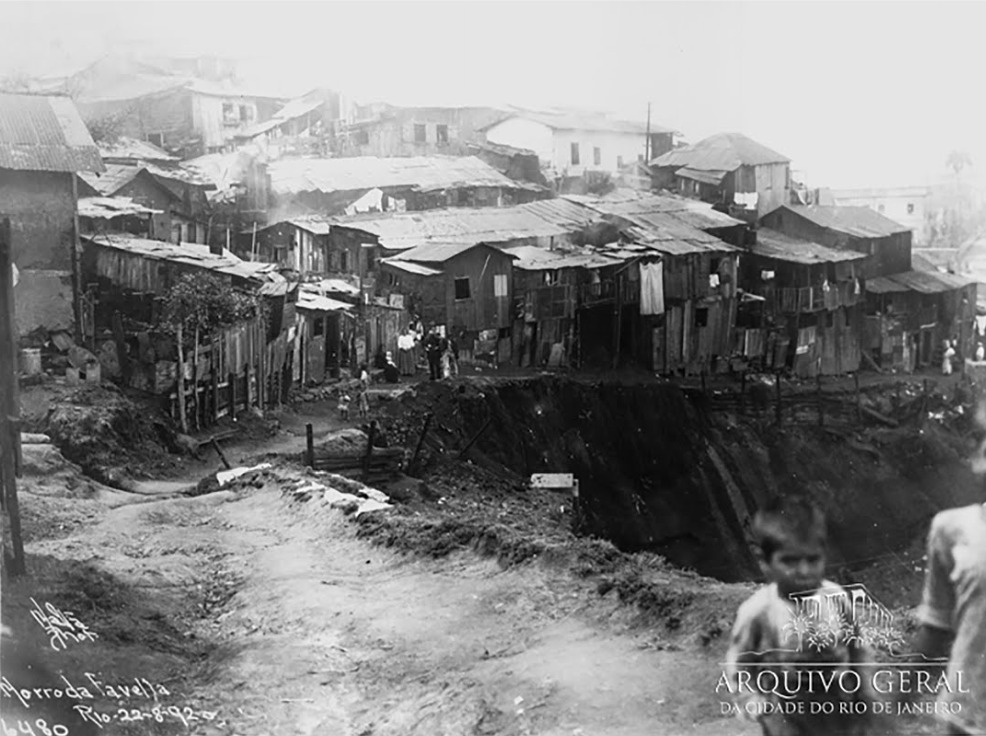
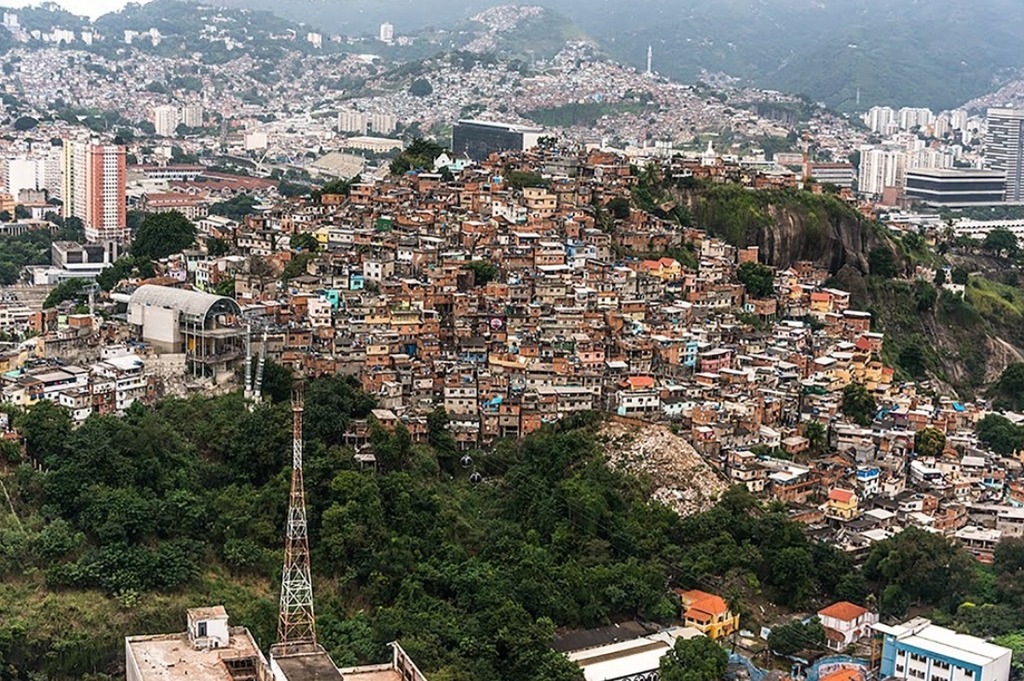
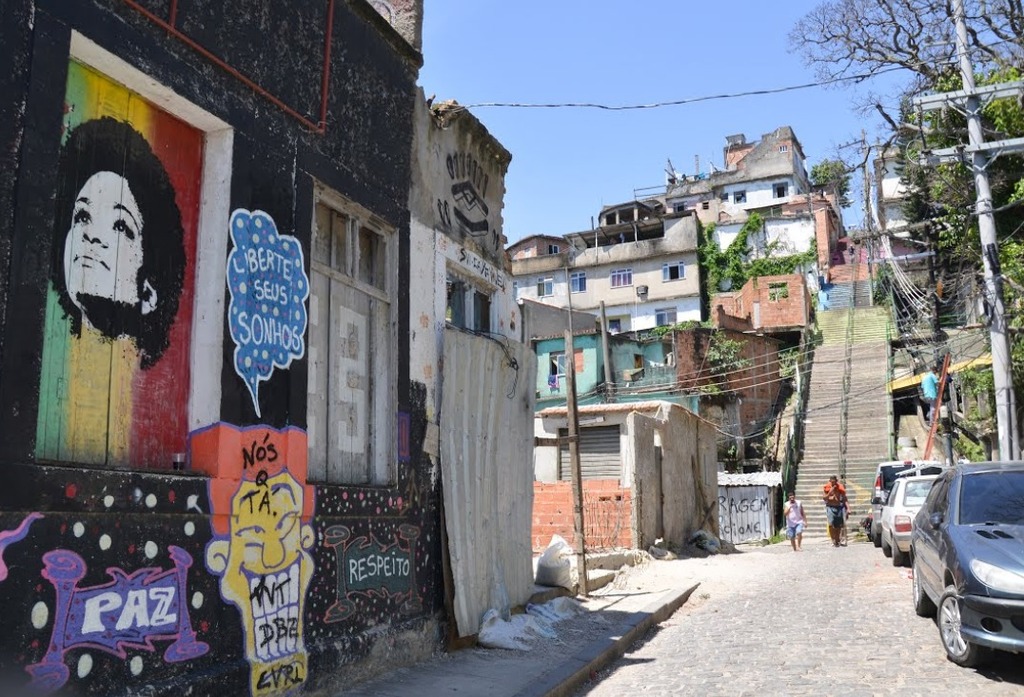
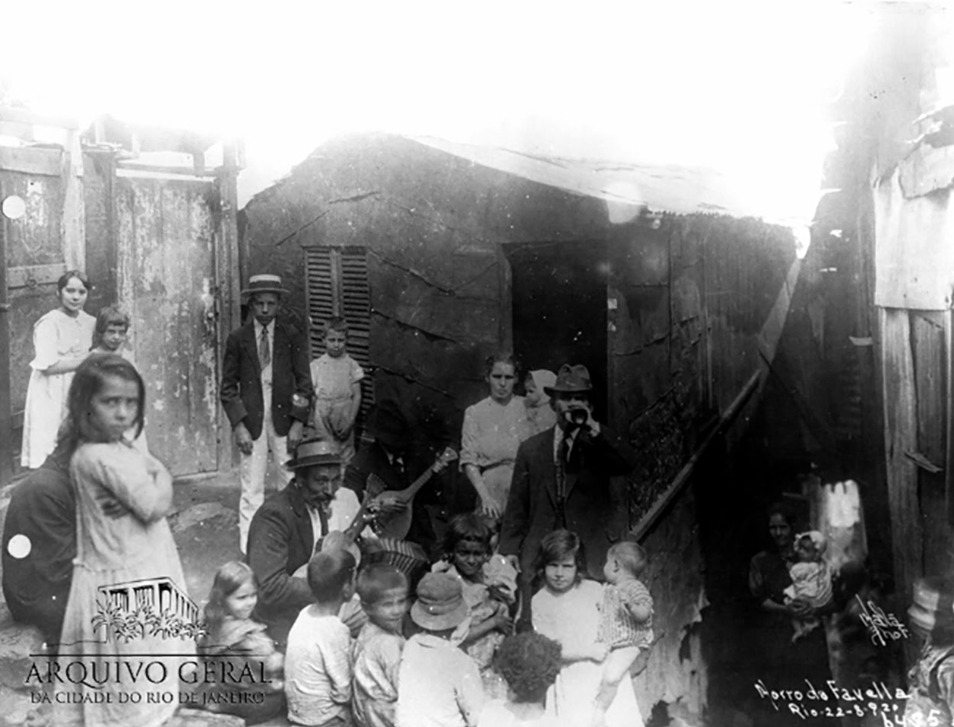
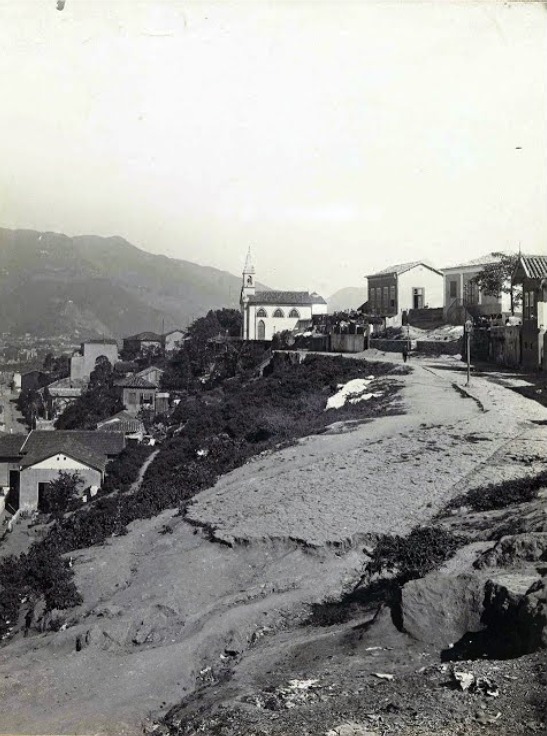
A origem das favelas está ligada ao processo urbanístico da Região Portuária. O nome de uma plantinha típica do Nordeste brasileiro, que insistiu em sobreviver em áreas além do Sertão, define os aglomerados habitacionais que abrigam um povo persistente, que sobrevive além das zonas ricas. E isso aconteceu justamente por causa do Morro da Favela, conhecido hoje como Morro da Providência. Próximo dali, estão ainda os Morros do Livramento - onde nasceu o escritor Machado de Assis - e o do Pinto, localizado próximo à Avenida Presidente Vargas e colado aos bairros Cidade Nova e Santo Cristo.
O nome favela vem da planta 'Cnidoscolus quercifolius', um arbusto com flores brancas nativo do Nordeste que foi trazido por ex-combatentes da Guerra de Canudos. Ao chegarem ao Rio de Janeiro, passaram a morar onde hoje está a Providência. O nome da planta se tornou sinônimo de habitações improvisadas erguidas em morros da cidade.
The natural curves of Rio de Janeiro capture the attention of those arriving in the city by land, air, or sea. Its hills have a rich history to tell. It was on these hills that the first Portuguese built their homes when they came to Brazil, where defenses and fortresses were established, and also where Afro-Brazilian culture gained strength and spread throughout the rest of the city.
BENEDICTINES AND THE HILL OF SÃO BENTO
Since 1590, the Benedictines have been established atop the Hill of São Bento. Since then, the Catholic congregation has withstood political disputes and bombardments. In 1711, the monastery was hit by cannons fired by the French pirate Duguay-Trouin. In 1732, a fire nearly destroyed it. Then, in 1893, during the Armada Revolt, it was again the target of attacks. Currently, it houses a traditional school and a monastery. Its neighbors include the Navy headquarters and a modern 28-story tower on the corner of Avenida Rio Branco, number 1 (photo: Marcos Tristão/Museum of Tomorrow).
CONCEIÇÃO: THE INTERIOR IN THE HEART OF RIO
Morro da Conceição is one of the last remnants of the city's original nucleus and the only one that has remained preserved in some way. Walking along its slopes nestled in the financial heart of Rio, and adjacent to the port area, is like leaving the metropolis directly for the countryside. Silence prevails, broken sometimes only by the barking of dogs and the relaxed chatter of residents. Considered a historical heritage of the city, it houses monuments listed by preservation agencies, such as the Episcopal Palace and the Fortaleza da Conceição. Also located in Conceição are the Church of São Francisco da Prainha and Pedra do Sal, sacred to African religions.
FAVELA, OH, FAVELA THAT SAW ME BORN...
The origin of the favelas is linked to the urban development process of the Port Region. The name of a typical plant from the Brazilian Northeast, which insisted on surviving in areas beyond the Sertão (backlands), defines the housing clusters that shelter a persistent people who survive beyond the wealthy zones. And this happened precisely because of Morro da Favela, known today as Morro da Providência. Nearby are also the Morro do Livramento – where the writer Machado de Assis was born – and Morro do Pinto, located near Avenida Presidente Vargas and adjacent to the Cidade Nova and Santo Cristo neighborhoods.
The name favela comes from the plant 'Cnidoscolus quercifolius', a shrub with white flowers native to the Northeast that was brought by ex-combatants of the Canudos War. Upon arriving in Rio de Janeiro, they began to live where Providência is today. The name of the plant became synonymous with improvised dwellings built on the city's hills.
Palavra-chave
Ficha Técnica
Presidente do Conselho de Administração: Fred Arruda
Diretor Presidente: Ricardo Piquet
Curador Geral: Luiz Alberto Oliveira
Diretor de Conteúdo: Alfredo Tolmasquim
Diretor de Operações & Finanças: Henrique Oliveira
Diretor de Desenvolvimento de Públicos: Alexandre Fernandes
Diretor de Planejamento & Gestão: Vinícius Capillé
Diretora Captação de Recursos: Renata Salles
Gerente de Exposições e Observatório do Amanhã: Leonardo Menezes
Editor de Conteúdo: Emanuel Alencar
Redator de Conteúdo: Eduardo Carvalho
Estagiária: Thaís Cerqueira
Fotos: Marcos Tristão e I Hate FlashVídeos: Monclar Filmes
Chairman of the Board: Fred Arruda
CEO: Ricardo Piquet
General Curator: Luiz Alberto Oliveira
Content Director: Alfredo Tolmasquim
Operations & Finance Director: Henrique Oliveira
Audience Development Director: Alexandre Fernandes
Planning & Management Director: Vinícius Capillé
Fundraising Director: Renata Salles
Exhibition and Future Observatory Manager: Leonardo Menezes
Content Editor: Emanuel Alencar
Content Writer: Eduardo Carvalho
Intern: Thaís Cerqueira
Photos: Marcos Tristão and I Hate Flash
Videos: Monclar Filmes
Assets
Imagem18
Video