
Exposição / Exposição Temporária
Amazônia - de Sebastião Salgado
19/07/2022 - 12/02/2023
Eixo temático
Informações gerais
Código
MDA.EXP.00043
Nome
Amazônia - de Sebastião Salgado
Amazônia
Amazonia - by Sebastião Salgado
Amazonia
Amazônia
Amazonia - by Sebastião Salgado
Amazonia
Descrição
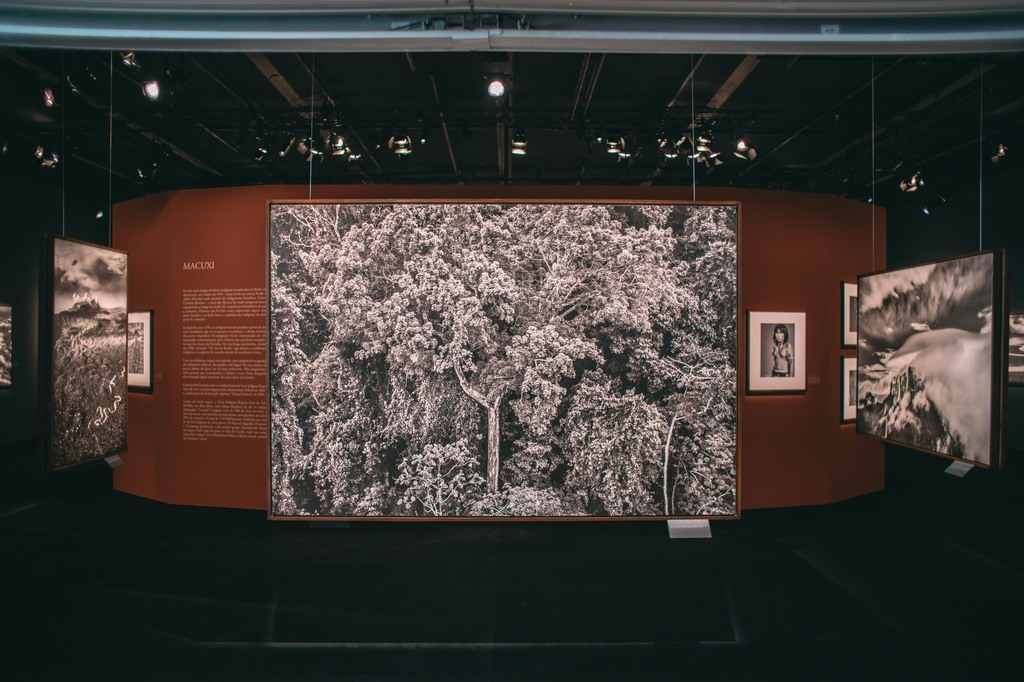
A mostra Amazônia é o resultado da imersão, por sete anos, de Sebastião e Lélia Wanick Salgado, na região que cobre o Norte do Brasil e se estende a mais oito países sul-americanos, ocupando um terço do continente; e 60% da Amazônia estão no Brasil. A maior floresta tropical do planeta, traduzida pelas lentes e pela cenografia dos Salgado, transforma-se aqui em convite à informação, à reflexão e à ação em defesa do ecossistema imprescindível à vida no planeta. “Ao projetar ‘Amazônia’, quis criar um ambiente em que o visitante se sentisse dentro da floresta, se integrasse com sua exuberante vegetação e com o cotidiano das populações locais”, comenta Lélia.
Tomadas por ar, por terra e água, as imagens – praticamente todas inéditas -, que estão distribuídas em núcleos temáticos, revelam o refinamento e a engenhosidade dos povos da região, alguns pouquíssimo contactados – em 1500 eram 5 milhões indivíduos e hoje estão reduzidos a menos de 400 mil. “Na Amazônia inteira, a sofisticação cultural [dos povos] é colossal”, diz Salgado, que registrou 12 etnias (das quase 200 remanescentes) para essa mostra.
A voz das comunidades ameríndias, aliás, pode ser efetivamente ouvida em sete vídeos que apresentam testemunhos de lideranças indígenas, sem intermediários. São relatos impactantes sobre a importância da terra, dos rios, da floresta amazônica e dos graves problemas que ameaçam, inclusive, a sobrevivência de indivíduos e de etnias. “Esta exposição tem o objetivo de alimentar o debate sobre o futuro da floresta amazônica. É algo que deve ser feito com a participação de todos no planeta, junto com as organizações indígenas”, defende Sebastião Salgado.
Ao final da exposição, o visitante conhece o Instituto Terra no espaço dedicado ao espetacular trabalho de Lélia e Sebastião Salgado, iniciado em 1998 e que empreendeu o reflorestamento de cerca de 600 hectares de Mata Atlântica em Aimorés (MG), plantando milhões de mudas de árvores em extinção.
Além de replantar e recuperar a área – a terra, a vegetação, as importantíssimas nascentes que asseguram a continuidade da vida -, o Instituto forma mão-de-obra especializada, capacitando jovens ecologistas para proteger e conservar a biodiversidade da região. E, é claro, replicar o projeto Brasil afora. Atualmente, o projeto conta com patrocínio exclusivo da Zurich, e tem como meta plantar 1 milhão de árvores até 2028.
The Amazon exhibition is the result of seven years of immersion by Sebastião and Lélia Wanick Salgado in the region that covers northern Brazil and extends to eight other South American countries, occupying a third of the continent; 60% of the Amazon is in Brazil. The largest tropical rainforest on the planet, translated through the lenses and set design of the Salgados, becomes an invitation to information, reflection, and action in defense of the ecosystem essential to life on the planet. “When designing ‘Amazon,’ I wanted to create an environment where the visitor would feel inside the forest, integrated with its exuberant vegetation and with the daily life of the local populations,” comments Lélia. Captured by air, land, and water, the images – practically all previously unseen – distributed in thematic sections, reveal the refinement and ingenuity of the region's peoples, some of whom have been very little contacted – in 1500 there were 5 million individuals, and today they are reduced to less than 400,000. “Throughout the Amazon, the cultural sophistication [of the peoples] is colossal,” says Salgado, who documented 12 ethnic groups (out of nearly 200 remaining) for this exhibition. The voice of the Amerindian communities, moreover, can be effectively heard in seven videos that present testimonies from indigenous leaders, without intermediaries. These are impactful accounts of the importance of the land, the rivers, the Amazon rainforest, and the serious problems that threaten, among other things, the survival of individuals and ethnic groups. “This exhibition aims to fuel the debate about the future of the Amazon rainforest. It is something that must be done with the participation of everyone on the planet, together with indigenous organizations,” argues Sebastião Salgado. At the end of the exhibition, visitors can learn about the Instituto Terra in the space dedicated to the spectacular work of Lélia and Sebastião Salgado, begun in 1998, which undertook the reforestation of approximately 600 hectares of Atlantic Forest in Aimorés (MG), planting millions of endangered tree seedlings. In addition to replanting and restoring the area – the land, the vegetation, the crucial springs that ensure the continuity of life – the Institute trains specialized labor, empowering young ecologists to protect and conserve the region's biodiversity. And, of course, to replicate the project throughout Brazil. Currently, the project is exclusively sponsored by Zurich and aims to plant 1 million trees by 2028.
The Amazon exhibition is the result of seven years of immersion by Sebastião and Lélia Wanick Salgado in the region that covers northern Brazil and extends to eight other South American countries, occupying a third of the continent; 60% of the Amazon is in Brazil. The largest tropical rainforest on the planet, translated through the lenses and set design of the Salgados, becomes an invitation to information, reflection, and action in defense of the ecosystem essential to life on the planet. “When designing ‘Amazon,’ I wanted to create an environment where the visitor would feel inside the forest, integrated with its exuberant vegetation and with the daily life of the local populations,” comments Lélia. Captured by air, land, and water, the images – practically all previously unseen – distributed in thematic sections, reveal the refinement and ingenuity of the region's peoples, some of whom have been very little contacted – in 1500 there were 5 million individuals, and today they are reduced to less than 400,000. “Throughout the Amazon, the cultural sophistication [of the peoples] is colossal,” says Salgado, who documented 12 ethnic groups (out of nearly 200 remaining) for this exhibition. The voice of the Amerindian communities, moreover, can be effectively heard in seven videos that present testimonies from indigenous leaders, without intermediaries. These are impactful accounts of the importance of the land, the rivers, the Amazon rainforest, and the serious problems that threaten, among other things, the survival of individuals and ethnic groups. “This exhibition aims to fuel the debate about the future of the Amazon rainforest. It is something that must be done with the participation of everyone on the planet, together with indigenous organizations,” argues Sebastião Salgado. At the end of the exhibition, visitors can learn about the Instituto Terra in the space dedicated to the spectacular work of Lélia and Sebastião Salgado, begun in 1998, which undertook the reforestation of approximately 600 hectares of Atlantic Forest in Aimorés (MG), planting millions of endangered tree seedlings. In addition to replanting and restoring the area – the land, the vegetation, the crucial springs that ensure the continuity of life – the Institute trains specialized labor, empowering young ecologists to protect and conserve the region's biodiversity. And, of course, to replicate the project throughout Brazil. Currently, the project is exclusively sponsored by Zurich and aims to plant 1 million trees by 2028.
Tipo de Exposição
Conteúdo
Palavra-chave
Assets
Imagem
Taxonomia
É parte de