

Informações gerais
Código
MDA.EXP.00075
Nome
A ÉPOCA DOS HUMANOS
THE AGE OF HUMANS
THE AGE OF HUMANS
Descrição
Exposição online, intitulada "A Época dos Humanos", que aborda o conceito de Antropoceno, época geológica proposta para designar o período em que as atividades humanas passaram a operar como força geológica capaz de modificar os sistemas terrestres em escala planetária.
O conjunto percorre a trajetória da humanidade desde sua origem há 200 mil anos até a atualidade, estruturado em torno da hipótese científica de que a Terra teria deixado o Holoceno (últimos 12 mil anos, período de clima estável que propiciou o desenvolvimento humano) para ingressar no Antropoceno.
A narrativa abrange marcos civilizatórios como as primeiras migrações humanas para fora da África (60 mil anos), o desenvolvimento da agricultura e primeiros povoados (4 mil anos), o surgimento da escrita e da matemática (5 mil anos), as grandes navegações (séculos XVI-XVIII), a Revolução Industrial (século XVIII) e o acelerado crescimento populacional e urbano dos séculos XIX-XXI.
O acervo evidencia as transformações acumuladas sobre o planeta, incluindo o aumento do consumo de combustíveis fósseis, a pressão sobre os recursos naturais que resultou no fenômeno da "sobrecarga da Terra" a partir da década de 1970, grandes desastres ambientais como Chernobyl (1986), Fukushima (2011) e o rompimento da barragem de Fundão em Mariana (2015), além da desigualdade no consumo entre países.
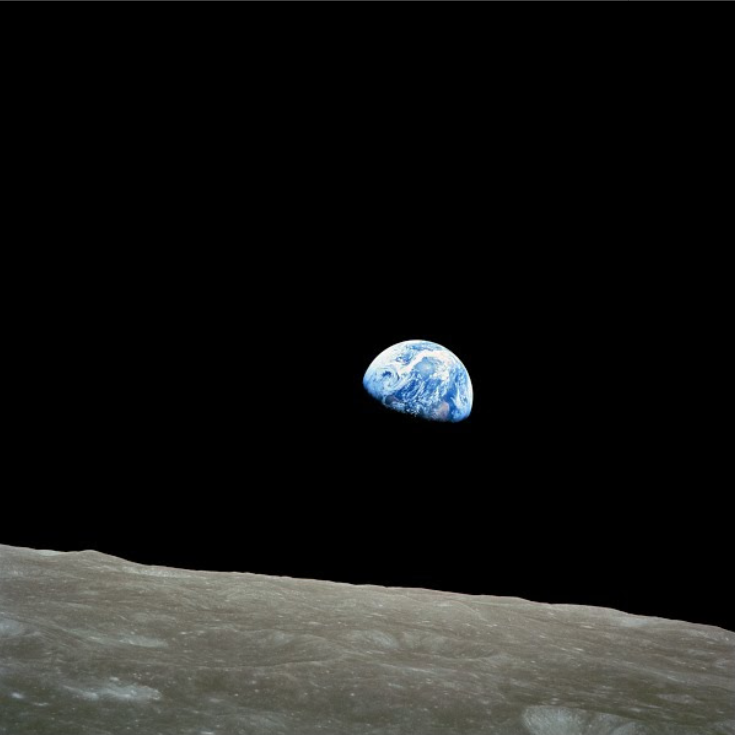
A dimensão simbólica é contemplada com registros da primeira fotografia da Terra vista da Lua ("Earthrise", 1968) e imagens noturnas do planeta que revelam a pegada luminosa da urbanização, oferecendo a perspectiva da finitude planetária e dos limites do modelo de desenvolvimento atual.
Composto por 24 registros iconográficos com textos explicativos, o conjunto reúne imagens da NASA, Nações Unidas, Greenpeace, Johnny Miller (Unequal Scenes), Martin Waldseemüller e acervos do Flickr/Creative Commons, abrangendo período de 1507 a 2016.
This online exhibition, titled "The Age of Humans," addresses the concept of the Anthropocene, a geological epoch proposed to designate the period in which human activities began to operate as a geological force capable of modifying terrestrial systems on a planetary scale. The material traces humanity's trajectory from its origins 200,000 years ago to the present day, structured around the scientific hypothesis that Earth has left the Holocene (the last 12,000 years, a period of stable climate that fostered human development) to enter the Anthropocene. The narrative covers civilizational milestones such as the first human migrations out of Africa (60,000 years ago), the development of agriculture and the first settlements (4,000 years ago), the emergence of writing and mathematics (5,000 years ago), the great navigations (16th-18th centuries), the Industrial Revolution (18th century), and the accelerated population and urban growth of the 19th-21st centuries. The collection highlights the accumulated transformations on the planet, including the increased consumption of fossil fuels, the pressure on natural resources that resulted in the phenomenon of "Earth Overshoot Day" from the 1970s onwards, major environmental disasters such as Chernobyl (1986), Fukushima (2011) and the collapse of the Fundão dam in Mariana (2015), as well as inequality in consumption between countries. The symbolic dimension is contemplated with records of the first photograph of Earth seen from the Moon ("Earthrise", 1968) and nighttime images of the planet that reveal the luminous footprint of urbanization, offering a perspective on planetary finitude and the limits of the current development model. Comprising 24 iconographic records with explanatory texts, the collection brings together images from NASA, the United Nations, Greenpeace, Johnny Miller (Unequal Scenes), Martin Waldseemüller, and Flickr/Creative Commons archives, covering the period from 1507 to 2016.
This online exhibition, titled "The Age of Humans," addresses the concept of the Anthropocene, a geological epoch proposed to designate the period in which human activities began to operate as a geological force capable of modifying terrestrial systems on a planetary scale. The material traces humanity's trajectory from its origins 200,000 years ago to the present day, structured around the scientific hypothesis that Earth has left the Holocene (the last 12,000 years, a period of stable climate that fostered human development) to enter the Anthropocene. The narrative covers civilizational milestones such as the first human migrations out of Africa (60,000 years ago), the development of agriculture and the first settlements (4,000 years ago), the emergence of writing and mathematics (5,000 years ago), the great navigations (16th-18th centuries), the Industrial Revolution (18th century), and the accelerated population and urban growth of the 19th-21st centuries. The collection highlights the accumulated transformations on the planet, including the increased consumption of fossil fuels, the pressure on natural resources that resulted in the phenomenon of "Earth Overshoot Day" from the 1970s onwards, major environmental disasters such as Chernobyl (1986), Fukushima (2011) and the collapse of the Fundão dam in Mariana (2015), as well as inequality in consumption between countries. The symbolic dimension is contemplated with records of the first photograph of Earth seen from the Moon ("Earthrise", 1968) and nighttime images of the planet that reveal the luminous footprint of urbanization, offering a perspective on planetary finitude and the limits of the current development model. Comprising 24 iconographic records with explanatory texts, the collection brings together images from NASA, the United Nations, Greenpeace, Johnny Miller (Unequal Scenes), Martin Waldseemüller, and Flickr/Creative Commons archives, covering the period from 1507 to 2016.
Tipo de Exposição
Eixo temático
Conteúdo
Texto Curatorial
A humanidade deu um salto gigante ao pisar na Lua. Mas não foi o único. Há milhares de anos nós desbravamos, ocupamos, exploramos e transformamos o planeta. Nas últimas décadas, causamos mais mudanças do que em toda a nossa existência. Ultrapassamos os limites da Terra não só pela exploração espacial, mas porque extraímos os recursos da natureza mais rápido do que ela pode repor. Estamos no Antropoceno, a época dos humanos. Como chegamos até aqui?
UM SEGUNDO NA HISTÓRIA DO PLANETA
A Terra tem 4,6 bilhões de anos. Nós, humanos, 200 mil. O que significa que se a história do planeta fosse resumida em um dia, só surgiríamos no último segundo. Isso não nos impediu de construir cidades, desmatar florestas, escavar solos, poluir os oceanos e o ar, nem de levar outras espécies à extinção, enquanto nos tornamos mais de 7 bilhões de pessoas. Em face às mudanças no clima, atmosfera, rios e na biodiversidade, cientistas apontam que o planeta já não é o mesmo que os nossos ancestrais encontraram, nem o da época geológica em que vivemos nos últimos 12 mil anos, o Holoceno, no qual o clima terrestre foi propício para o nosso desenvolvimento. Agora, eles pesquisam em qual momento da nossa história entramos nesta nova época profundamente marcada por nós, o Antropoceno.
LONGA JORNADA DA HUMANIDADE
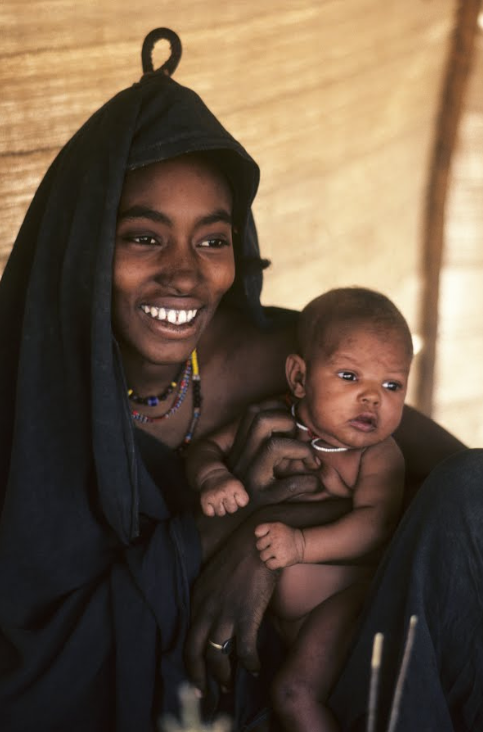
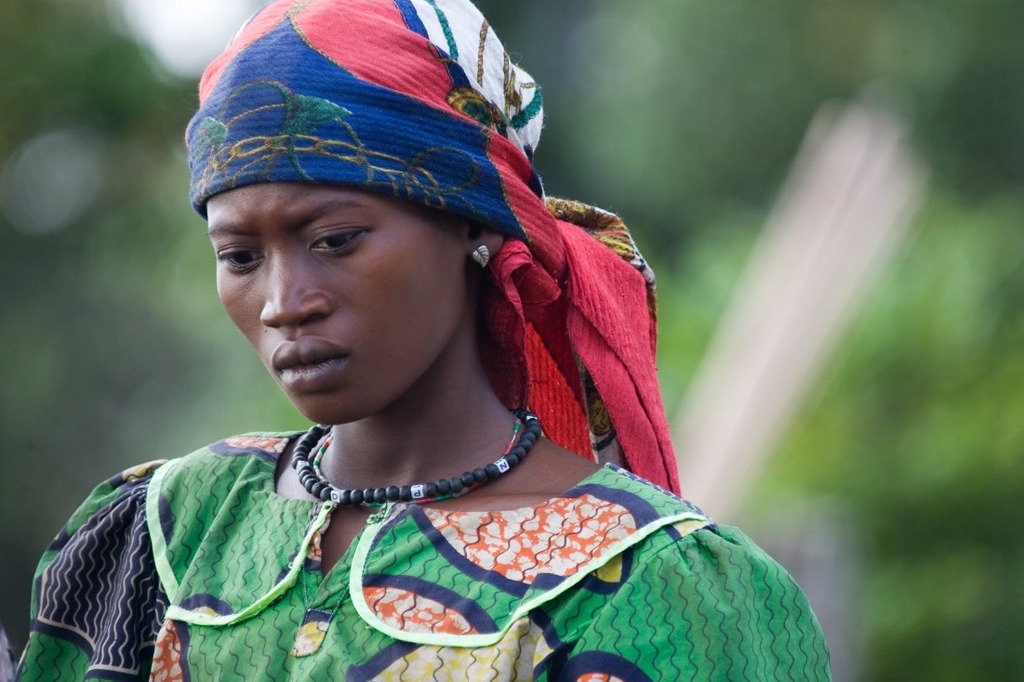
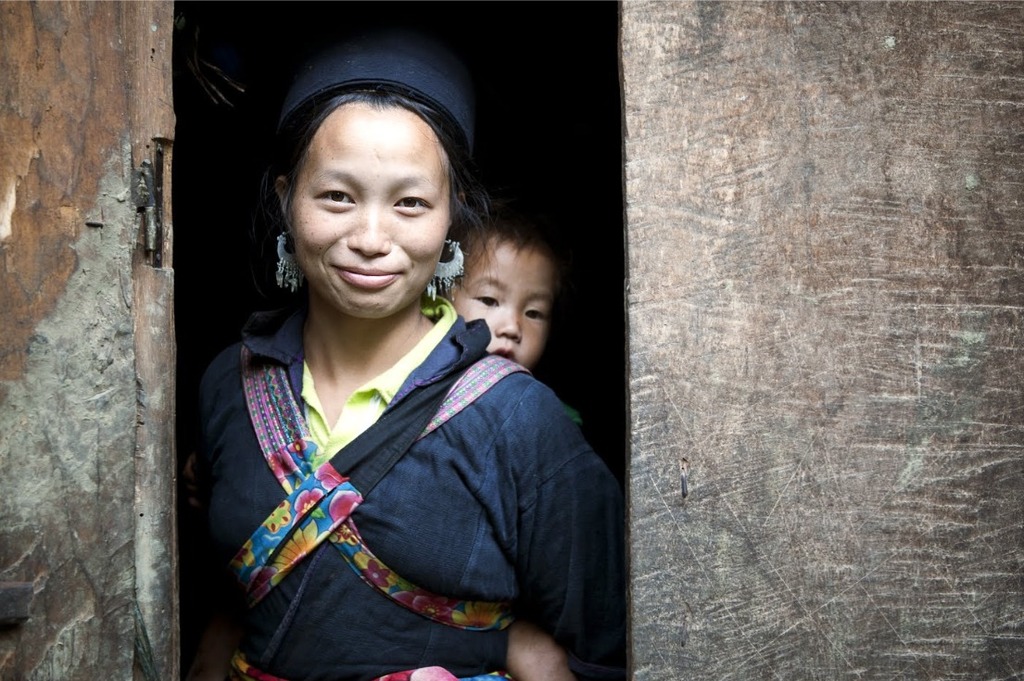
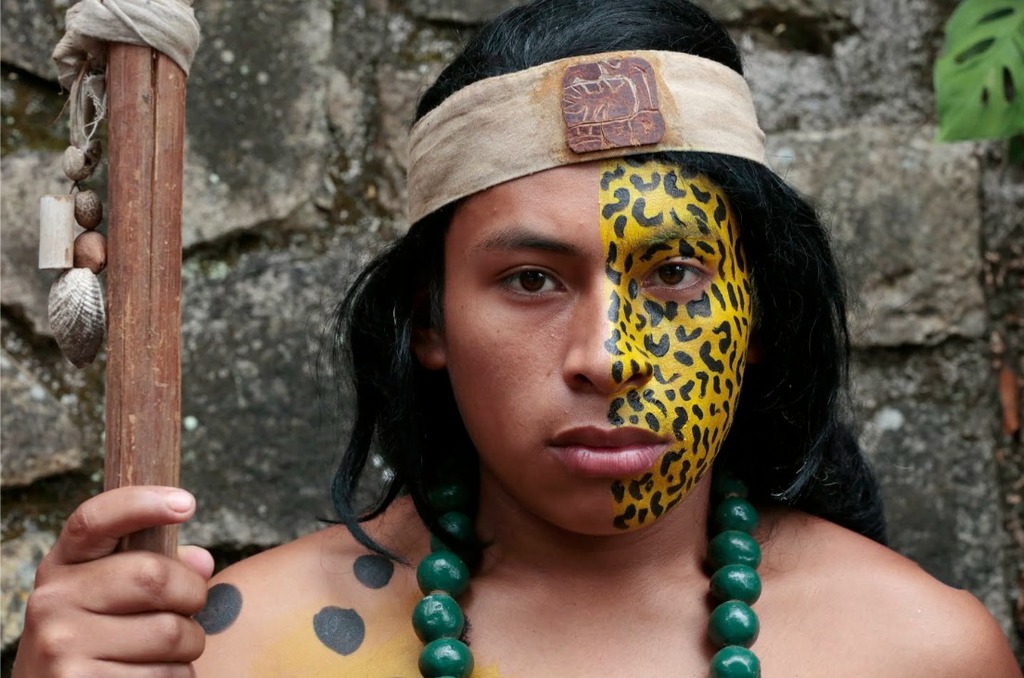
A humanidade percorreu uma jornada de 60 mil anos da África aos outros continentes. Atravessou desertos, mares, florestas, geleiras, cordilheiras, enfrentando uma era do gelo. Ao longo do caminho, criou línguas, ferramentas, tradições, modos de viver e de entender o mundo. Também aprendeu a cultivar e a domesticar os animais, dando sinais de que começava a entender os ciclos da natureza e o comportamento das outras espécies. Alcançamos todos os continentes há 10 mil anos, e a humanidade havia se diversificado. Agora era etíope, egípcia, assíria, suméria, hindu, hia, grega, romana, aborígene, melanésia, inuíte, cheroqui, cheyenne, maia, asteca, inca, tupi, pataxó, nambikuara, guarani e uma infinidade de outros povos.
PRIMEIRAS MARCAS DA NOSSA PRESENÇA
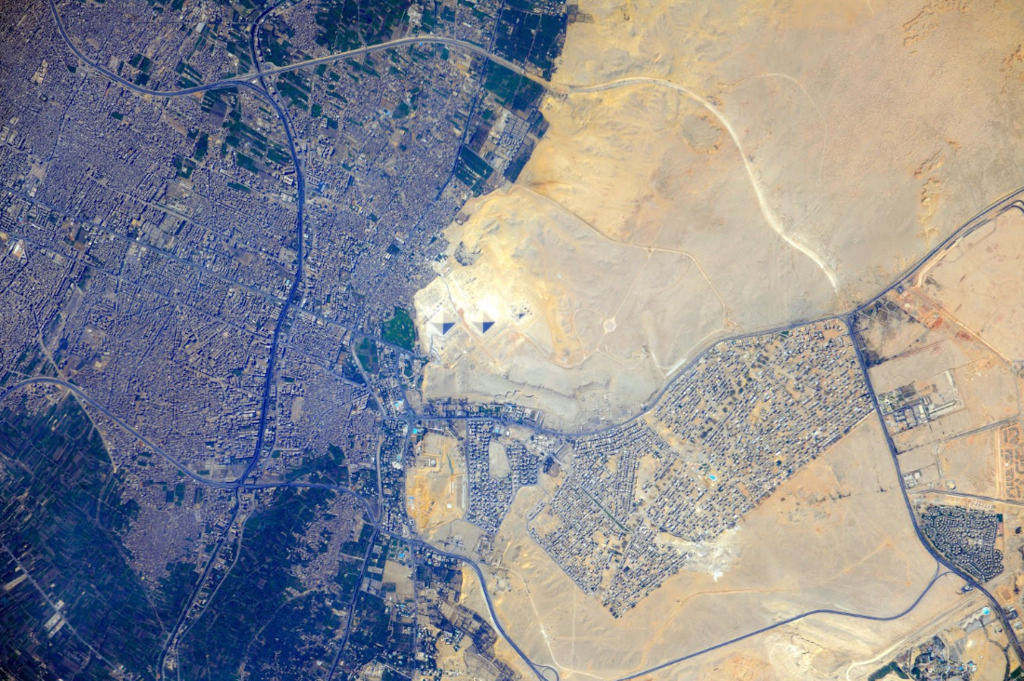
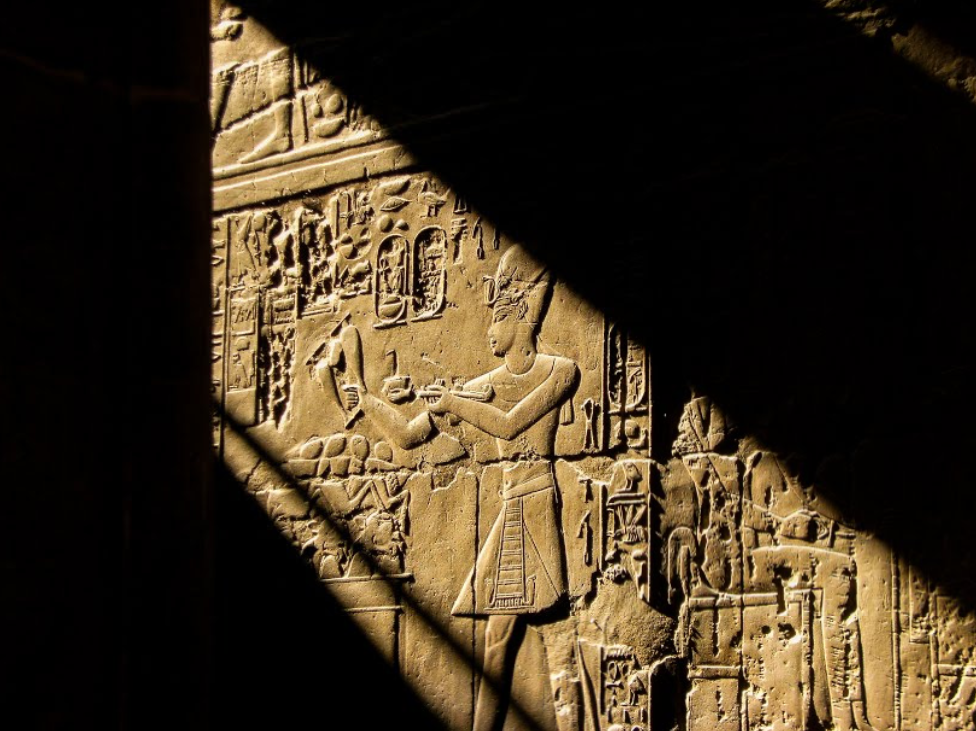
Junto com a agricultura surgiu a possibilidade de estocar alimentos. Com isso, alguns povos deixaram a estrutura simples de caça e coleta, que nos levava a vagar sem cessar, para uma outra de cultivo, que deu base aos primeiros povoados. Berços das cidades, esses locais começaram a ser construídos há cerca de 4 mil anos às margens de grandes rios, como o Nilo, no Egito, o Tigres e o Eufrates, na Mesopotâmia, o Huang Ho, na China, o Ganges e o Indo, na Índia, o Eurotas, na Grécia, o Pó, na Itália, o Rio Grande de Santiago e o Balsas, no México. Assim como os hieróglifos e os antigos monumentos, essas foram as primeiras marcas que deixamos no planeta. O potencial da agricultura ainda aumentaria com canais de irrigação, arados e a rotação do solo, mas o próprio ciclo da natureza assegurava a regeneração do que era extraído por esses povos.
DOMÍNIO DA MEMÓRIA, DO TEMPO E DAS MEDIDAS
Há cinco mil anos, o desenvolvimento da escrita nos permitiu controlar a memória, a começar pela escrita cuneiforme que usava desenhos. Duzentos anos depois, a observação da Lua nos levou a criar os primeiros calendários e, com isso, controlamos o tempo. Já os primeiros textos matemáticos surgiram há quatro mil anos na Babilônia e no Egito, o que nos permitiu controlar as medidas do mundo. Continuaríamos desenvolvendo formas de compreender o planeta, a natureza, as outras espécies e a nós mesmos. A informação também começou a cruzar o planeta a partir de 1440, com a invenção da prensa, que permitiu a impressão em série, muito mais rápida do que qualquer técnica anterior. Ainda foram criadas as lentes, em 1608, os microscópios, em 1665, além das teorias sobre a evolução humana, o sistema solar, cosmos, a genética e muito mais.
TERRA INCÓGNITA
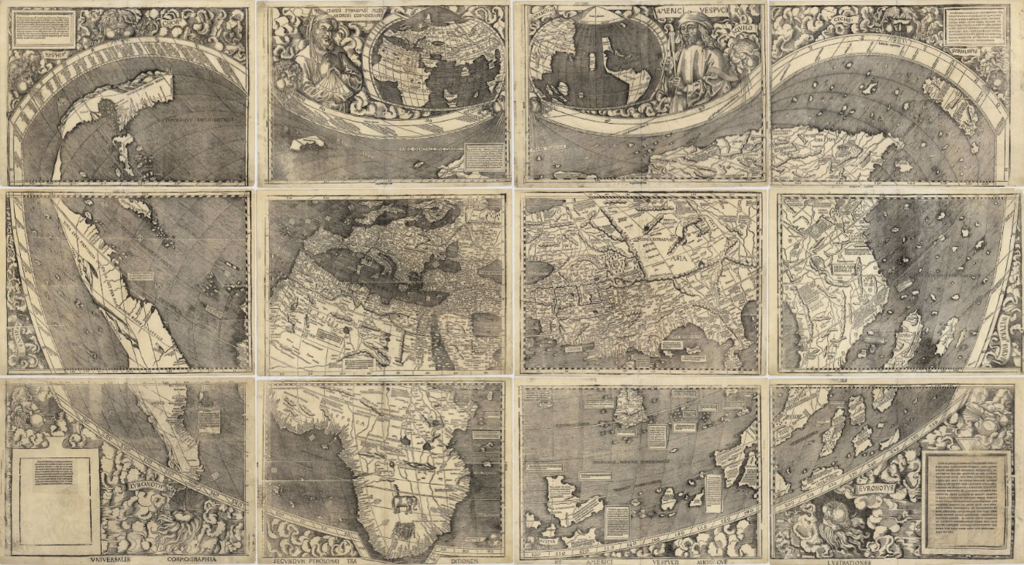
Espalhados pelo planeta, alguns povos se tornaram grandes impérios, outros continuaram isolados. Europeus, africanos e asiáticos se conheciam de longa data, mas por séculos não tiveram contato com as terras que viriam a chamar de América e Oceania. A cartografia do planeta ficou inacabada até as grandes navegações do século XVI ao XVIII, quando os europeus conheceram os territórios e os povos do novo mundo. Estas expedições permitiram o ‘descobrimento do planeta’ como o conhecemos hoje: seis continentes, cinco oceanos, centenas de arquipélagos e milhares de espécies. Mas este foi um período marcado tanto pelo fascínio das descobertas quanto pela escravização e dizimação de povos inteiros. Também foi este o momento em que uma rede de rotas comerciais cruzou continentes e oceanos, envolvendo todo o planeta.
O PLANETA ENTRA NA ESTEIRA DA INDÚSTRIA
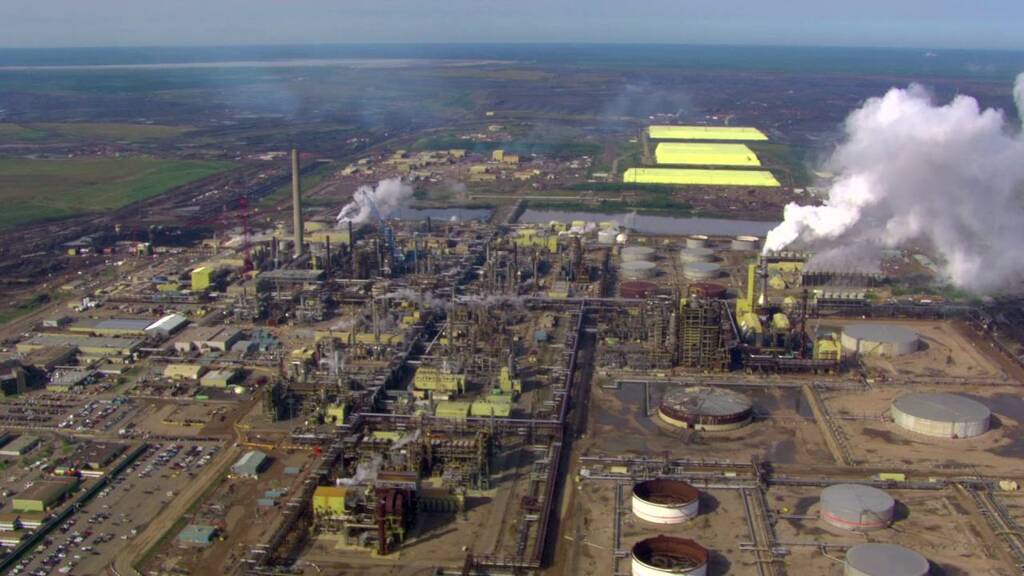
A paisagem do planeta começou a mudar radicalmente com a Revolução Industrial, no século XVIII. Fábricas, máquinas, invenções e novas ocupações retiraram as pessoas de casa e do campo, onde eram artesãos e agricultores, para trabalharem nas indústrias dos centros urbanos que surgiam na Europa e nos Estados Unidos. A invenção das máquinas a vapor deu início ao consumo de combustíveis fósseis, que serviam como fonte de energia para as indústrias, substituindo a tração animal, a força dos ventos e o calor das madeiras. A partir daí, carvão, petróleo e gás natural passaram a movimentar mais e mais o progresso tecnológico. No século XIX, o mundo inteiro já estava ligado a um mesmo modelo de desenvolvimento econômico que transformou a natureza em uma fonte de recursos, e não mais em um habitat.
SELVAS DE PEDRA
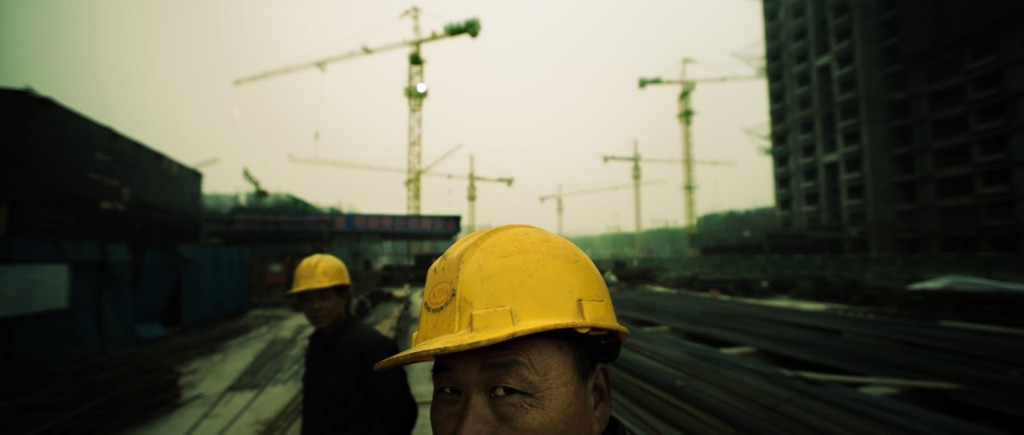
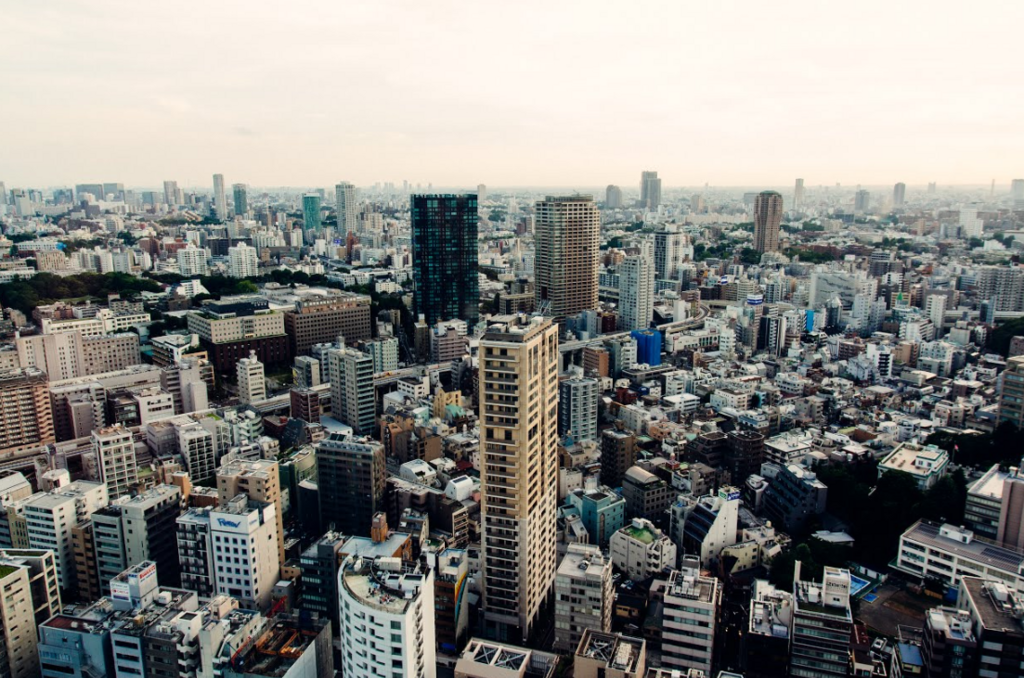
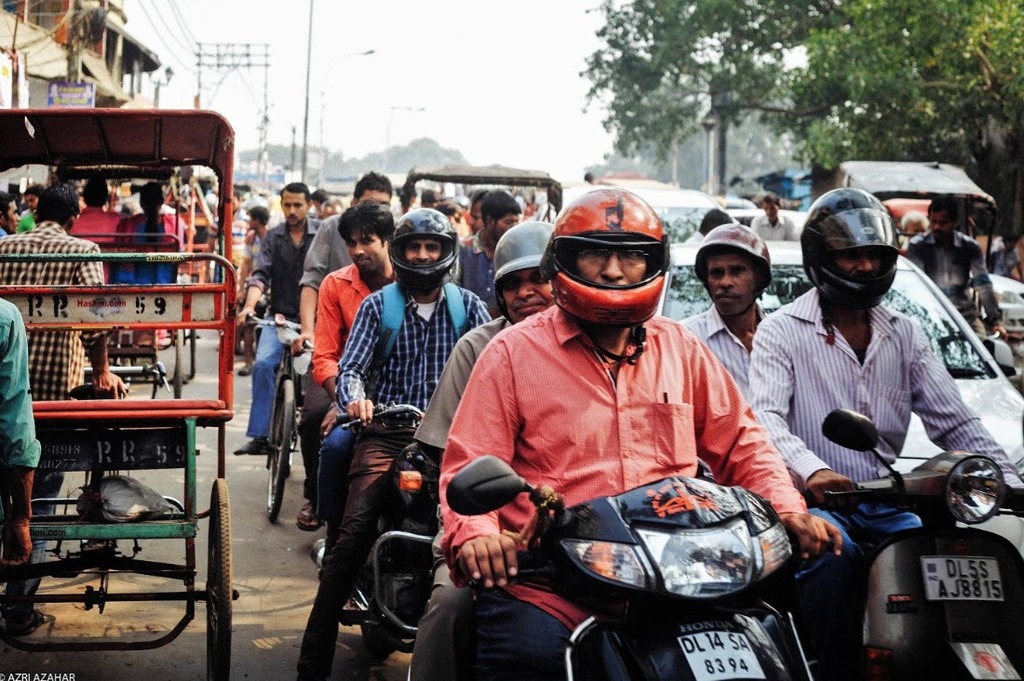
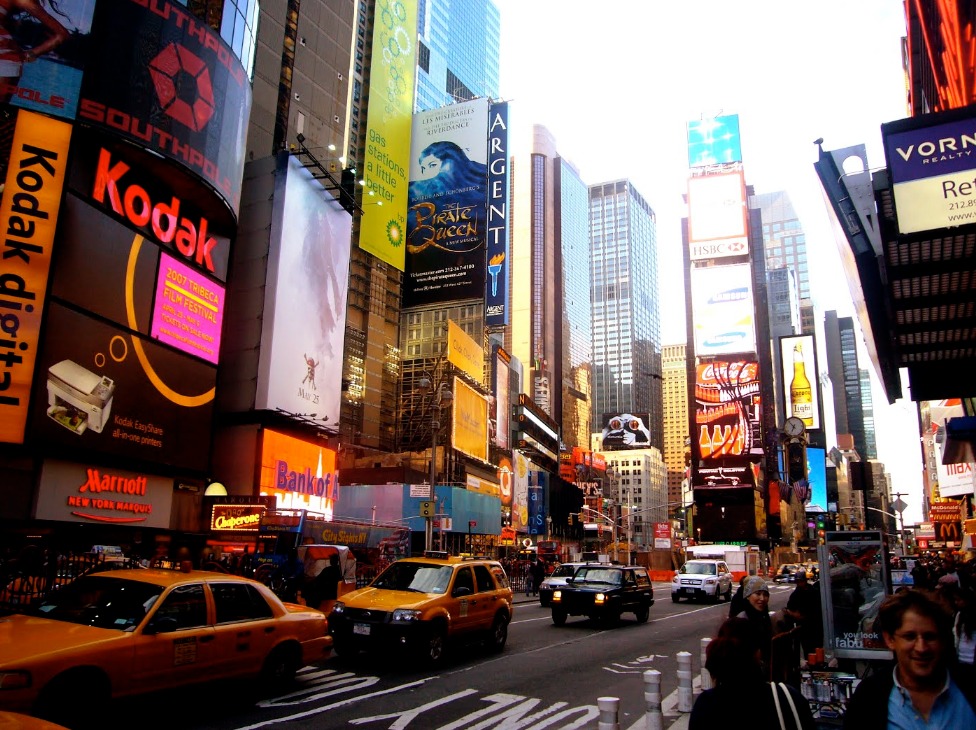
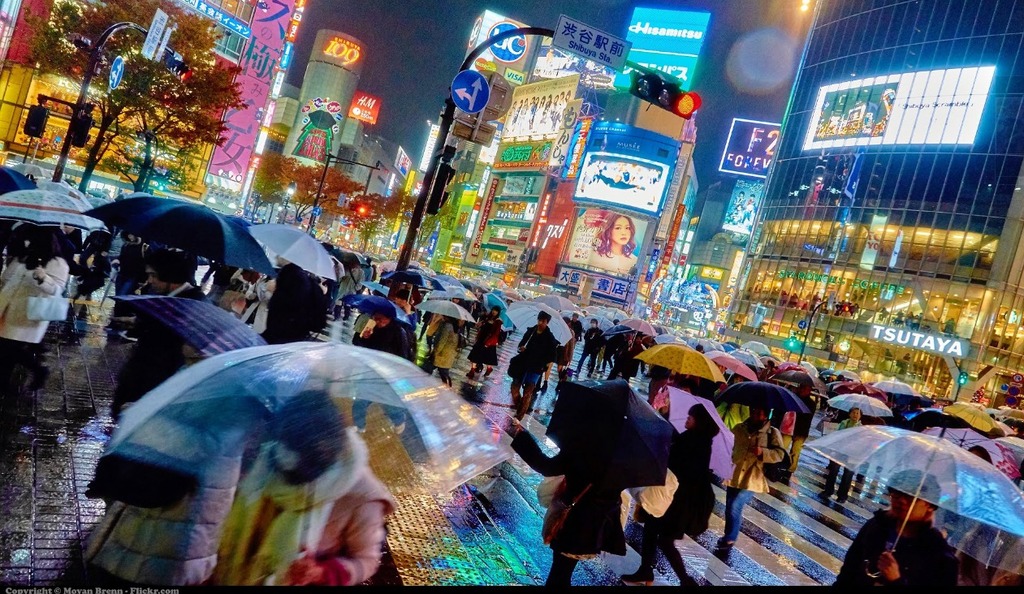
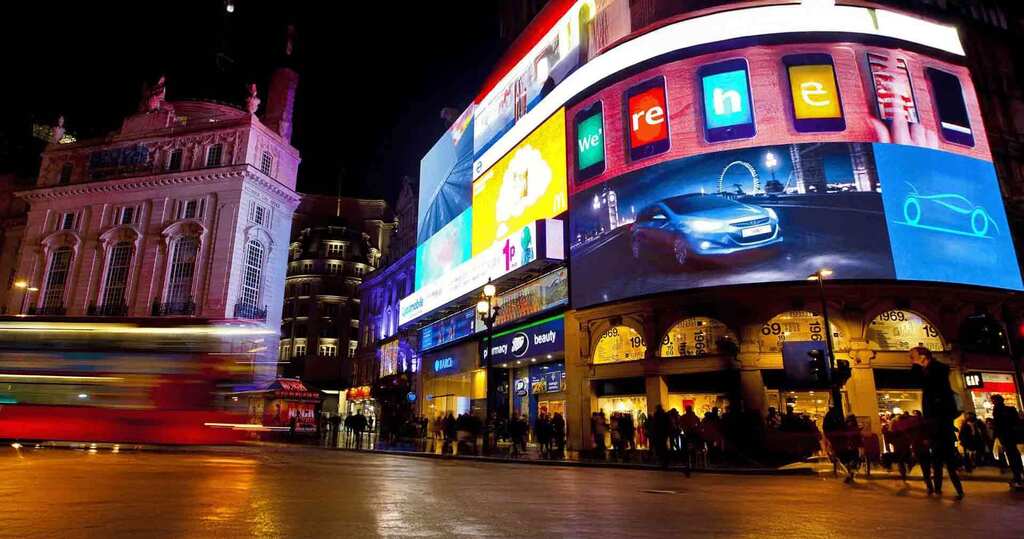
As marcas da humanidade sobre o planeta ficaram maiores, mais evidentes, a partir do século XIX. A começar pela população e as grandes cidades. Na Inglaterra, berço da Revolução Industrial, Londres atingiu 1 milhão de habitantes em 1800, sendo a primeira cidade moderna a ter este número de moradores. Em 1900, já eram 12 cidades com essa população, sendo que 15% da população mundial, que girava em torno de 1,65 bilhões, vivia em áreas urbanas. Esses números não pararam de aumentar. Em 1927, éramos de 2 bilhões de pessoas no planeta; em 1950 mais de 2,5 bilhões, e, em 1960, 3 bilhões. Na virada do milênio, a população mundial já se aproximava de 6 bilhões e quase a metade dela vivia em cidades. Mais de 400 cidades tinham mais de 1 milhão de habitantes e 19 tinham mais de 10 milhões. Todo este crescimento em apenas um século fica ainda maior ao ser considerado que a humanidade demorou desde sua origem, há 200 mil anos, até 1800, para atingir um bilhão. Hoje, mais da metade da população mundial vive em cidades. Quarenta e quatro cidades têm entre 5 e 10 milhões de habitantes, 29 têm mais de 10 milhões.
SOBRECARGA DA TERRA
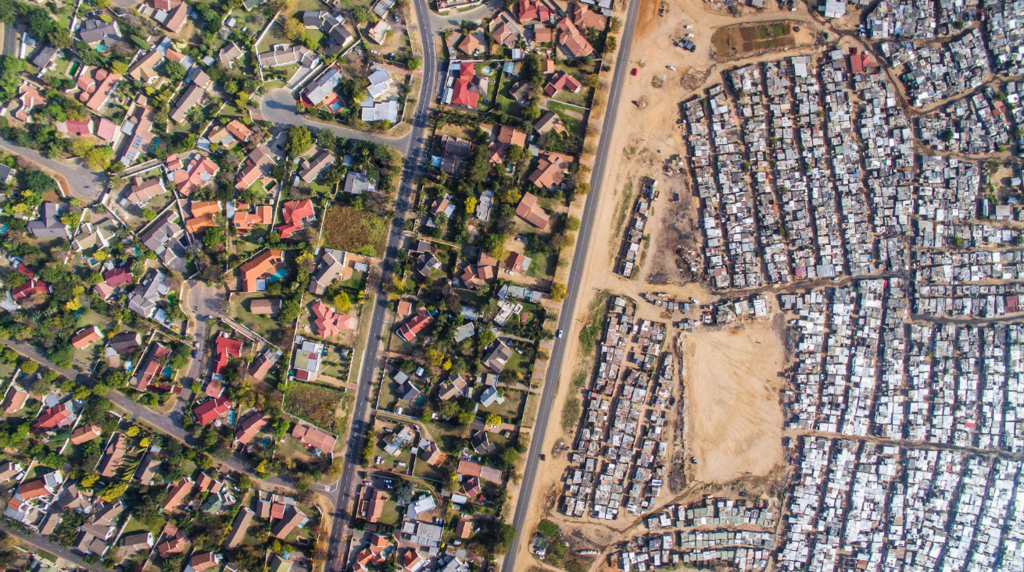
O crescimento acelerado da população mundial no século XX foi acompanhado pelo aumento do consumo de combustíveis fósseis, alimentos, água, produtos e minérios. Se antes a natureza era capaz de repor o que extraíamos, isso já não acontecia na década de 1970, quando a quantidade de recursos naturais explorados em um ano passou a ser maior do que a capacidade que a natureza tem de repor neste mesmo período. Em 1971, ultrapassamos este limite em dezembro, em 1981, em novembro, atualmente, a ‘sobrecarga do planeta’ acontece em agosto. A pressão sobre o planeta está tão alta que seria necessário um ano e meio para a natureza repor o que consumimos em um ano. Mas isto não significa que haja uma distribuição igualitária dos seus recursos. A desigualdade é uma das marcas do mundo globalizado capitalista: um norte-americano consome cerca de 11 vezes mais que um africano ou sul-asiático e tem a pegada de carbono 250 vezes maior que a de um etíope.
DESASTRES AMBIENTAIS
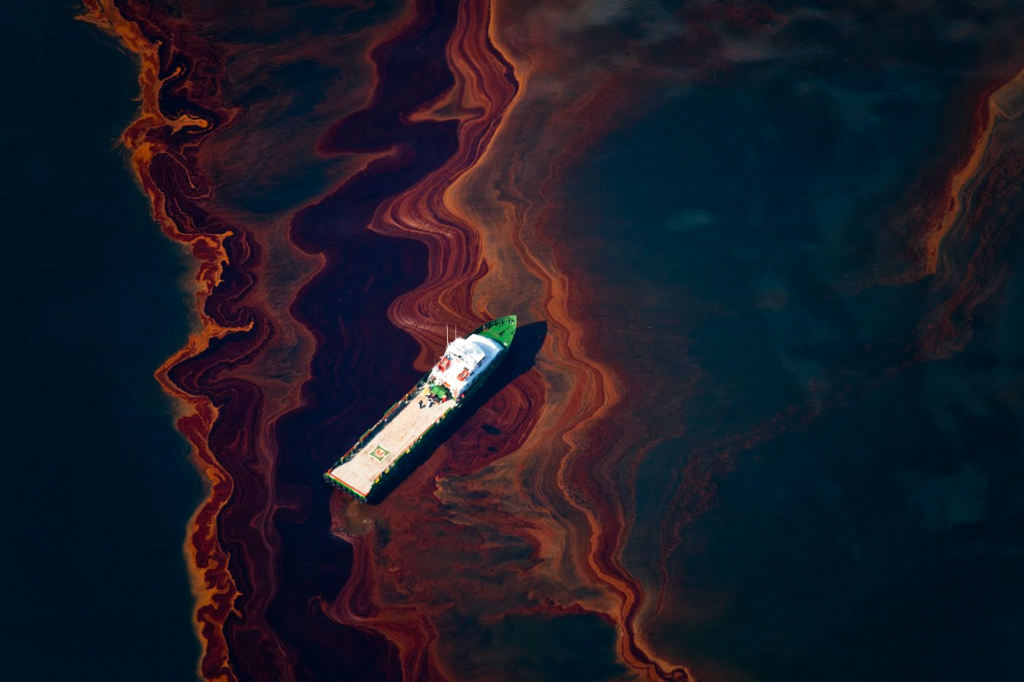
A exploração indiscriminada da natureza também causou grandes desastres ambientais. Acidentes em usinas nucleares como Chernobil, na Ucrânia, em 1986, e Fukushima, no Japão, em 2011, ainda contabilizam vítimas. Em 2010 e 2011, os vazamentos de petróleo no Golfo do México e na bacia de Campos danificaram habitats e acarretaram a perda de vida humana e marinha. O rompimento da barragem de Fundão, em 2015, maior desastre ambiental do Brasil até o momento, estrangulou o Rio Doce e afetou a vida dos habitantes de uma pequena cidade em Minas Gerais.
MUNDO CONECTADO
A travessia de longas distâncias foi facilitada pela invenção dos navios, trens, automóveis e aviões. A velocidade da informação também aumentou, após a prensa, com o telégrafo, o telefone, o rádio, a TV. Para que elas fossem possíveis, as cidades demandaram a construção de sistemas com milhares de fios e tubos de chumbo que atravessavam os subsolos – posteriormente substituídos por cabos de cobre e, depois, de fibra ótica. Hoje, uma conversa global acontece em tempo real por meio dos telefones celulares, da internet e das novas tecnologias da informação e da comunicação. Cruza o planeta via SMS, tweets, hashtags. O poder de comunicar está literalmente em nossas mãos, e o mundo parece menor, cada vez mais conectado.
PLANETA FINITO
Uma nova perspectiva da Terra começou a ser revelada, enquanto todas essas mudanças aconteciam. Foi quando a humanidade pode ver o planeta, sua casa há 200 mil anos, do espaço sideral. O primeiro a ter essa chance foi o cosmonauta russo Yuri Gagarin, em 1961, que ficou embevecido com a luz azul que envolve o planeta. Já em 1968 foi a vez dos três norte-americanos a bordo da Apollo 8 que deram uma volta ao redor da Lua e viram a Terra a 386 mil quilômetros de distância. O astronauta Bill Anders registrou esse momento, fotografando a superfície da Lua e um hemisfério iluminado pelo Sol. Nosso poder nos levou para fora o planeta. Hoje, fazemos planos de voltar a Lua, buscamos por água em Marte, procuramos planetas fora do Sistema Solar.
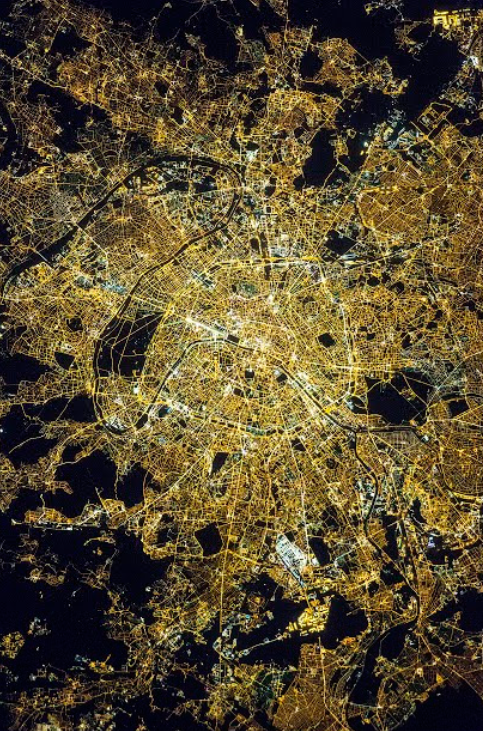
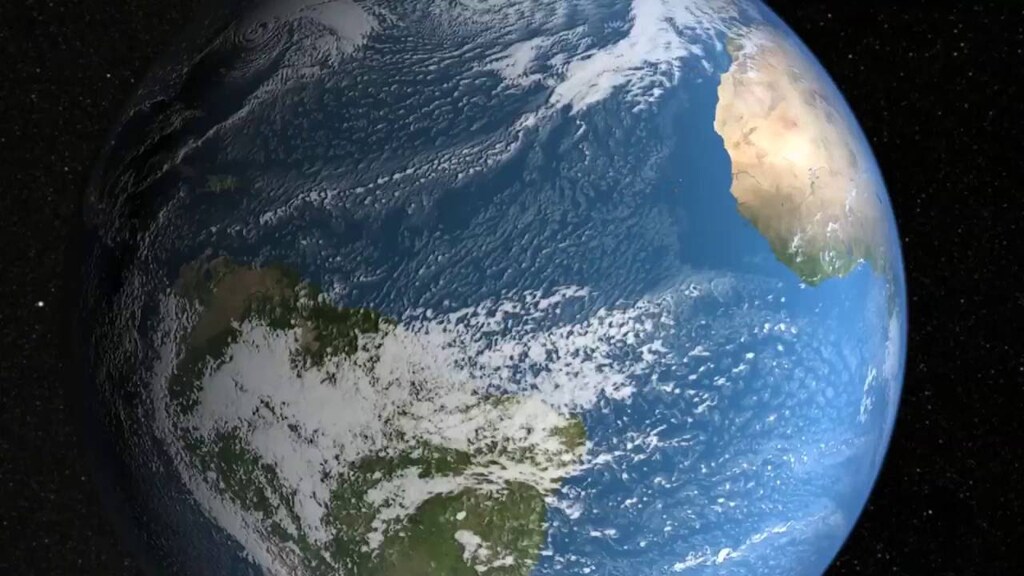
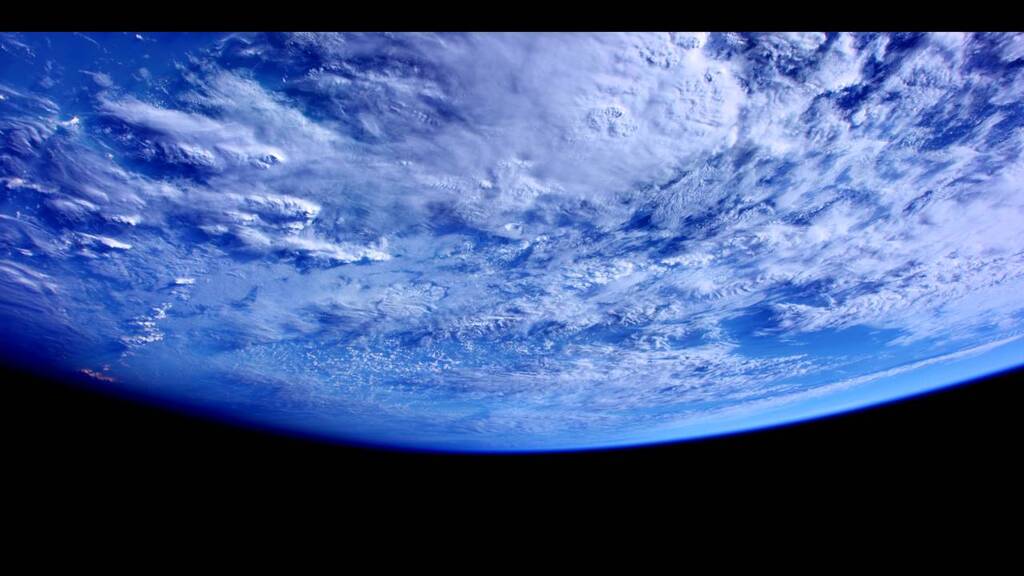
Hoje, somos mais de 7 bilhões de pessoas. À esta distância, nossa presença na Terra passa despercebida, a não ser à noite, pelas luzes das cidades. A bela cor azul cobre os desmatamentos, as secas, a escassez de água doce, a erosão do solo, a perda da biodiversidade, a poluição do oceanos e da atmosfera provocadas por nós. Mas, vista de tão longe, finalmente entendemos que o planeta tem limites, que, ao contrário do que o modelo desenvolvimento atual leva à crer, é finito. E, se continuarmos neste ritmo, pesquisas apontam que precisaremos dos recursos de três planetas Terra para suprir as demandas da população mundial até 2050.
Humanity took a giant leap when it stepped on the Moon. But it wasn't the only one. For thousands of years we have explored, occupied, exploited, and transformed the planet. In recent decades, we have caused more change than in our entire existence. We have surpassed the limits of Earth not only through space exploration, but because we extract resources from nature faster than it can replenish them. We are in the Anthropocene, the age of humans. How did we get here?
ONE SECOND IN THE HISTORY OF THE PLANET
Earth is 4.6 billion years old. We humans are 200,000 years old. This means that if the history of the planet were summarized in one day, we would only appear in the last second. This did not prevent us from building cities, deforesting forests, excavating soils, polluting the oceans and the air, nor from driving other species to extinction, while we became more than 7 billion people. In the face of changes in climate, atmosphere, rivers, and biodiversity, scientists point out that the planet is no longer the same as the one our ancestors encountered, nor the same as the geological epoch in which we have lived for the last 12,000 years, the Holocene, in which the Earth's climate was conducive to our development. Now, they are researching at what point in our history we entered this new epoch, profoundly marked by us, the Anthropocene.
HUMANITY'S LONG JOURNEY
Humanity has traveled a 60,000-year journey from Africa to other continents. It crossed deserts, seas, forests, glaciers, mountain ranges, facing an ice age. Along the way, it created languages, tools, traditions, ways of living and understanding the world. It also learned to cultivate and domesticate animals, showing signs that it was beginning to understand the cycles of nature and the behavior of other species. We reached all the continents 10,000 years ago, and humanity had diversified. Now there were Ethiopian, Egyptian, Assyrian, Sumerian, Hindu, Hia, Greek, Roman, Aboriginal, Melanesian, Inuit, Cherokee, Cheyenne, Maya, Aztec, Inca, Tupi, Pataxó, Nambikwara, Guarani, and countless other peoples.
FIRST TRACES OF OUR PRESENCE
Along with agriculture came the possibility of storing food. With this, some peoples abandoned the simple structure of hunting and gathering, which led them to wander endlessly, for one of cultivation, which formed the basis of the first settlements. The cradles of cities, these places began to be built about 4,000 years ago on the banks of great rivers, such as the Nile in Egypt, the Tigris and Euphrates in Mesopotamia, the Yellow River in China, the Ganges and Indus in India, the Eurotas in Greece, the Po in Italy, the Rio Grande de Santiago and the Balsas in Mexico. Like hieroglyphs and ancient monuments, these were the first marks we left on the planet. The potential for agriculture would further increase with irrigation canals, plows, and crop rotation, but the cycle of nature itself ensured the regeneration of what was extracted by these peoples.
DOMAIN OF MEMORY, TIME, AND MEASUREMENTS
Five thousand years ago, the development of writing allowed us to control memory, beginning with cuneiform writing which used drawings. Two hundred years later, the observation of the Moon led us to create the first calendars and, with that, we controlled time. The first mathematical texts emerged four thousand years ago in Babylon and Egypt, allowing us to control the measurements of the world. We continued to develop ways of understanding the planet, nature, other species, and ourselves. Information also began to cross the planet from 1440 onwards, with the invention of the printing press, which allowed for mass printing, much faster than any previous technique. Lenses were also created in 1608, microscopes in 1665, in addition to theories about human evolution, the solar system, the cosmos, genetics, and much more.
TERRA UNKNOWN
Scattered across the planet, some peoples became great empires, others remained isolated. Europeans, Africans, and Asians had known each other for a long time, but for centuries they had no contact with the lands they would come to call America and Oceania. The cartography of the planet remained unfinished until the great navigations of the 16th to 18th centuries, when Europeans discovered the territories and peoples of the New World. These expeditions allowed for the ‘discovery of the planet’ as we know it today: six continents, five oceans, hundreds of archipelagos, and thousands of species. But this was a period marked both by the fascination of the discoveries and by the enslavement and decimation of entire peoples. It was also the time when a network of trade routes crossed continents and oceans, encompassing the entire planet.
THE PLANET ENTERS THE WAKE OF INDUSTRY
The planet's landscape began to change radically with the Industrial Revolution in the 18th century. Factories, machines, inventions, and new occupations removed people from their homes and the countryside, where they were artisans and farmers, to work in the industries of the urban centers that were emerging in Europe and the United States. The invention of steam engines initiated the consumption of fossil fuels, which served as an energy source for industries, replacing animal traction, wind power, and the heat of wood. From then on, coal, oil, and natural gas increasingly drove technological progress. By the 19th century, the entire world was linked to the same model of economic development that transformed nature into a source of resources, and no longer a habitat.
CONCRETE JUNGLES
The marks of humanity on the planet became larger and more evident from the 19th century onwards. Starting with the population and large cities. In England, the cradle of the Industrial Revolution, London reached 1 million inhabitants in 1800, being the first modern city to have this number of residents. By 1900, there were already 12 cities with this population, and 15% of the world's population, which was around 1.65 billion, lived in urban areas. These numbers continued to increase. In 1927, there were 2 billion people on the planet; In 1950, the population exceeded 2.5 billion, and in 1960, it reached 3 billion. By the turn of the millennium, the world population was approaching 6 billion, and almost half of it lived in cities. More than 400 cities had over 1 million inhabitants, and 19 had more than 10 million. This growth in just one century becomes even more significant when considering that it took humanity, from its origin 200,000 years ago, until 1800, to reach one billion. Today, more than half of the world's population lives in cities. Forty-four cities have between 5 and 10 million inhabitants, and 29 have more than 10 million.
EARTH'S OVERLOAD
The accelerated growth of the world's population in the 20th century was accompanied by an increase in the consumption of fossil fuels, food, water, products, and minerals. If nature was once able to replenish what we extracted, this was no longer the case in the 1970s, when the amount of natural resources exploited in a year became greater than nature's capacity to replenish them in the same period. In 1971, we exceeded this limit in December, in 1981, in November; currently, the 'planet's overload' occurs in August. The pressure on the planet is so high that it would take a year and a half for nature to replenish what we consume in a year. But this does not mean that there is an equal distribution of its resources. Inequality is one of the hallmarks of the globalized capitalist world: an American consumes about 11 times more than an African or South Asian and has a carbon footprint 250 times greater than that of an Ethiopian.
ENVIRONMENTAL DISASTERS
The indiscriminate exploitation of nature has also caused major environmental disasters. Accidents at nuclear power plants such as Chernobyl in Ukraine in 1986 and Fukushima in Japan in 2011 continue to claim victims. In 2010 and 2011, oil spills in the Gulf of Mexico and the Campos Basin damaged habitats and resulted in the loss of human and marine life. The collapse of the Fundão dam in 2015, the largest environmental disaster in Brazil to date, strangled the Rio Doce and affected the lives of the inhabitants of a small town in Minas Gerais.
CONNECTED WORLD
The crossing of long distances was facilitated by the invention of ships, trains, automobiles, and airplanes. The speed of information also increased after the printing press, with the telegraph, telephone, radio, and television. For these to be possible, cities required the construction of systems with thousands of wires and lead pipes that crossed the subsoil – later replaced by copper cables and, later still, fiber optics. Today, a global conversation takes place in real time through cell phones, the internet, and new information and communication technologies. It crosses the planet via SMS, tweets, and hashtags. The power to communicate is literally in our hands, and the world seems smaller, increasingly connected.
A FINITE PLANET
A new perspective of Earth began to be revealed as all these changes occurred. It was then that humanity could see the planet, its home for 200,000 years, from outer space. The first to have this chance was the Russian cosmonaut Yuri Gagarin in 1961, who was captivated by the blue light surrounding the planet. Then, in 1968, it was the turn of the three Americans aboard Apollo 8 who orbited the Moon and saw Earth from 386,000 kilometers away. Astronaut Bill Anders captured this moment, photographing the surface of the Moon and a hemisphere illuminated by the Sun. Our power has taken us beyond the planet. Today, we make plans to return to the Moon, search for water on Mars, and look for planets outside the Solar System.
Today, we are more than 7 billion people. At this distance, our presence on Earth goes unnoticed, except at night, by the city lights. The beautiful blue color covers the deforestation, droughts, scarcity of fresh water, soil erosion, loss of biodiversity, and pollution of the oceans and atmosphere caused by us. But, seen from so far away, we finally understand that the planet has limits, that, contrary to what the current development model leads us to believe, it is finite. And, if we continue at this pace, research indicates that we will need the resources of three planet Earths to meet the demands of the world's population by 2050.
Palavra-chave
Ficha Técnica
Presidente do Conselho de Administração do IDG: Fred Arruda
Diretor Presidente: Ricardo Piquet
Curador Geral: Luiz Alberto Oliveira
Diretor de Conteúdo: Alfredo Tolmasquim
Diretor de Operações & Finanças: Henrique Oliveira
Diretor de Desenvolvimento de Públicos: Alexandre Fernandes
Diretor de Planejamento & Gestão: Vinícius Capillé
Diretora Captação de Recursos: Renata Salles
Gerente de Exposições e Observatório do Amanhã: Leonardo Menezes
Pesquisa e Redação: Davi Bonela
Edição de vídeos: Eduardo Carvalho
Edição de textos: Emanuel Alencar
Fotos: NASA, Nações Unidas, Johnny Miller (http://www.unequalscenes.com/), Flickr/Creative CommonsVídeos: Google Earth Engine, Greenpeace e NASA
President of the Board of Directors of IDG: Fred Arruda
CEO: Ricardo Piquet
General Curator: Luiz Alberto Oliveira
Content Director: Alfredo Tolmasquim
Operations & Finance Director: Henrique Oliveira
Audience Development Director: Alexandre Fernandes
Planning & Management Director: Vinícius Capillé
Fundraising Director: Renata Salles
Exhibition and Observatory of Tomorrow Manager: Leonardo Menezes
Research and Writing: Davi Bonela
Video Editing: Eduardo Carvalho
Text Editing: Emanuel Alencar
Photos: NASA, United Nations, Johnny Miller (http://www.unequalscenes.com/), Flickr/Creative Commons Videos: Google Earth Engine, Greenpeace and NASA
Assets
Imagem18
Video3