
Informações gerais
Código
MDA.EXP.00079
Nome
A ESPÉCIE MAIS PERIGOSA DO PLANETA
THE MOST DANGEROUS SPECIES ON THE PLANET
THE MOST DANGEROUS SPECIES ON THE PLANET
Descrição
Exposição online, intitulada "A Espécie Mais Perigosa do Planeta", cujo acervo aborda a crise da biodiversidade global no contexto do Antropoceno, tomando a Mata Atlântica como estudo de caso dos impactos da ação humana sobre os ecossistemas.
O material estrutura-se em torno de três eixos principais: a caracterização do bioma e sua megadiversidade, a historicização da exploração predatória desde a chegada dos europeus no século XV e a análise dos vetores contemporâneos de pressão antrópica.
O primeiro eixo apresenta a Mata Atlântica como um dos 35 hotspots de biodiversidade do planeta – regiões que concentram 50% do patrimônio biológico global em apenas 2,3% da superfície terrestre, mas que perderam pelo menos 70% de sua vegetação original. O acervo documenta seus diferentes ecossistemas associados (florestas densas e estacionais, campos de altitude, manguezais e restingas) e sua riqueza biológica: 20 mil espécies vegetais (8 mil endêmicas), 298 mamíferos, 200 répteis, 370 anfíbios, 350 peixes e 992 aves, com destaque para espécies ameaçadas como o mico-leão-dourado (Leontopithecus rosalia), endêmico do Rio de Janeiro, a onça-pintada (Panthera onca) e o pau-brasil (Caesalpinia echinata).
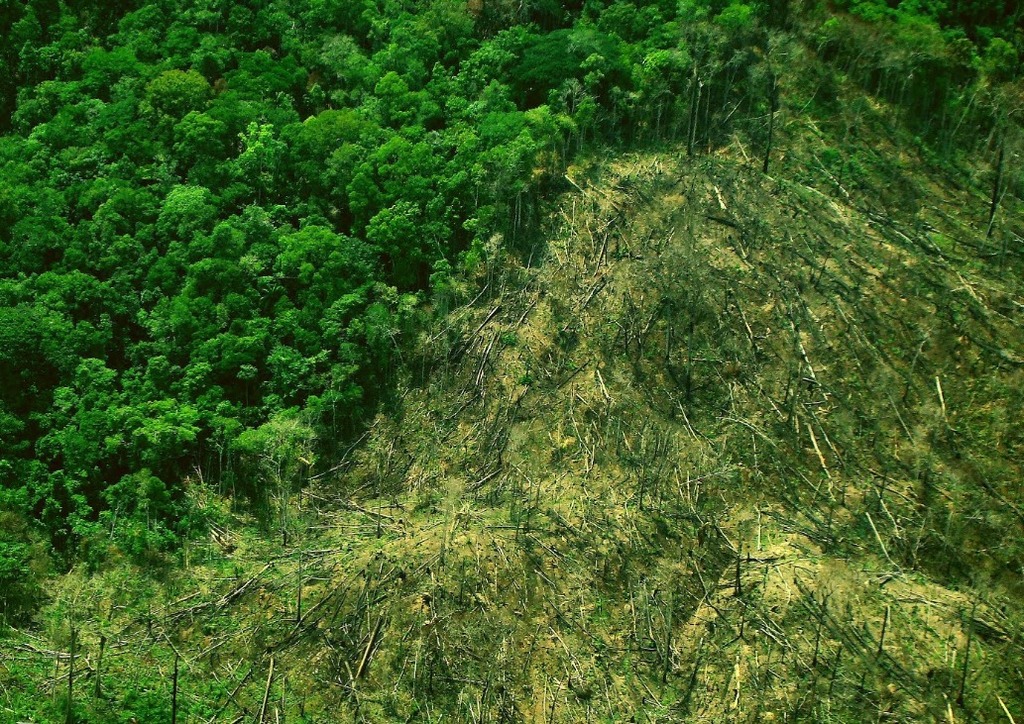
O segundo eixo reconstrói a trajetória histórica de ocupação e degradação do bioma, desde a exploração extrativista do pau-brasil no período colonial, passando pelos ciclos econômicos da cana-de-açúcar, café e ouro, até a urbanização e industrialização do século XX. O material evidencia como a Mata Atlântica, que originalmente cobria 1.315.460 km² (extensão superior a países como França e Espanha), encontra-se hoje reduzida a pouco mais de 12% de sua cobertura original, fragmentada e restrita principalmente às escarpas da Serra do Mar.
O terceiro eixo analisa as pressões contemporâneas sobre o bioma, incluindo o desmatamento para expansão do agronegócio, mineração, construção de usinas hidrelétricas e crescimento urbano. Dados do estudo da Fundação SOS Mata Atlântica e INPE indicam desmatamento de 184 km² entre 2014-2015, com perdas acumuladas superiores a 4.769 km² nas últimas três décadas. O conjunto registra ainda o impacto do rompimento da barragem de Fundão em Mariana (2015), que resultou no desmatamento de 1,69 km² e na contaminação da bacia do Rio Doce.
A dimensão sociocultural é contemplada com registros dos povos e comunidades tradicionais que habitam o bioma – indígenas, caiçaras e quilombolas – frequentemente expulsos de seus territórios originais. O material também evidencia a paradoxal relação de dependência: 145 milhões de brasileiros (cerca de 70% da população) vivem em 3.429 municípios da Mata Atlântica, incluindo as metrópoles de São Paulo (com apenas 17% de cobertura vegetal remanescente) e Rio de Janeiro (15,51%). A floresta fornece serviços ecossistêmicos essenciais como regulação climática, proteção de mananciais, abastecimento hídrico para 100 milhões de pessoas, fertilidade do solo e purificação do ar.
O conjunto documental compõe-se de 20 registros iconográficos, incluindo fotografias contemporâneas de paisagens, espécies da fauna e flora, retratos de populações tradicionais, imagens de desmatamento e registros históricos, complementados por dados científicos, infográficos e textos explicativos.
This online exhibition, titled "The Most Dangerous Species on the Planet," addresses the global biodiversity crisis in the context of the Anthropocene, using the Atlantic Forest as a case study of the impacts of human activity on ecosystems. The material is structured around three main axes: the characterization of the biome and its megadiversity, the historicization of predatory exploitation since the arrival of Europeans in the 15th century, and the analysis of contemporary vectors of anthropogenic pressure. The first axis presents the Atlantic Forest as one of the 35 biodiversity hotspots on the planet – regions that concentrate 50% of the global biological heritage in only 2.3% of the Earth's surface, but which have lost at least 70% of their original vegetation. The collection documents its different associated ecosystems (dense and seasonal forests, high-altitude grasslands, mangroves, and coastal scrublands) and its biological richness: 20,000 plant species (8,000 endemic), 298 mammals, 200 reptiles, 370 amphibians, 350 fish, and 992 birds, highlighting endangered species such as the golden lion tamarin (Leontopithecus rosalia), endemic to Rio de Janeiro, the jaguar (Panthera onca), and the Brazilwood tree (Caesalpinia echinata). The second axis reconstructs the historical trajectory of occupation and degradation of the biome, from the extractive exploitation of Brazilwood during the colonial period, through the economic cycles of sugarcane, coffee, and gold, to the urbanization and industrialization of the 20th century. The material highlights how the Atlantic Forest, which originally covered 1,315,460 km² (an area larger than countries like France and Spain), is now reduced to just over 12% of its original coverage, fragmented and restricted mainly to the escarpments of the Serra do Mar mountain range. The third axis analyzes the contemporary pressures on the biome, including deforestation for the expansion of agribusiness, mining, the construction of hydroelectric plants, and urban growth. Data from the study by the SOS Mata Atlântica Foundation and INPE indicate deforestation of 184 km² between 2014-2015, with accumulated losses exceeding 4,769 km² in the last three decades. The data also records the impact of the Fundão dam collapse in Mariana (2015), which resulted in the deforestation of 1.69 km² and the contamination of the Rio Doce basin. The sociocultural dimension is addressed through records of the traditional peoples and communities that inhabit the biome – indigenous peoples, caiçaras (traditional coastal communities), and quilombolas (descendants of escaped slaves) – frequently expelled from their original territories. The material also highlights the paradoxical relationship of dependence: 145 million Brazilians (about 70% of the population) live in 3,429 municipalities within the Atlantic Forest, including the metropolises of São Paulo (with only 17% of remaining vegetation cover) and Rio de Janeiro (15.51%). The forest provides essential ecosystem services such as climate regulation, protection of water sources, water supply for 100 million people, soil fertility, and air purification. The documentary collection comprises 20 iconographic records, including contemporary photographs of landscapes, fauna and flora species, portraits of traditional populations, images of deforestation, and historical records, complemented by scientific data, infographics, and explanatory texts.
This online exhibition, titled "The Most Dangerous Species on the Planet," addresses the global biodiversity crisis in the context of the Anthropocene, using the Atlantic Forest as a case study of the impacts of human activity on ecosystems. The material is structured around three main axes: the characterization of the biome and its megadiversity, the historicization of predatory exploitation since the arrival of Europeans in the 15th century, and the analysis of contemporary vectors of anthropogenic pressure. The first axis presents the Atlantic Forest as one of the 35 biodiversity hotspots on the planet – regions that concentrate 50% of the global biological heritage in only 2.3% of the Earth's surface, but which have lost at least 70% of their original vegetation. The collection documents its different associated ecosystems (dense and seasonal forests, high-altitude grasslands, mangroves, and coastal scrublands) and its biological richness: 20,000 plant species (8,000 endemic), 298 mammals, 200 reptiles, 370 amphibians, 350 fish, and 992 birds, highlighting endangered species such as the golden lion tamarin (Leontopithecus rosalia), endemic to Rio de Janeiro, the jaguar (Panthera onca), and the Brazilwood tree (Caesalpinia echinata). The second axis reconstructs the historical trajectory of occupation and degradation of the biome, from the extractive exploitation of Brazilwood during the colonial period, through the economic cycles of sugarcane, coffee, and gold, to the urbanization and industrialization of the 20th century. The material highlights how the Atlantic Forest, which originally covered 1,315,460 km² (an area larger than countries like France and Spain), is now reduced to just over 12% of its original coverage, fragmented and restricted mainly to the escarpments of the Serra do Mar mountain range. The third axis analyzes the contemporary pressures on the biome, including deforestation for the expansion of agribusiness, mining, the construction of hydroelectric plants, and urban growth. Data from the study by the SOS Mata Atlântica Foundation and INPE indicate deforestation of 184 km² between 2014-2015, with accumulated losses exceeding 4,769 km² in the last three decades. The data also records the impact of the Fundão dam collapse in Mariana (2015), which resulted in the deforestation of 1.69 km² and the contamination of the Rio Doce basin. The sociocultural dimension is addressed through records of the traditional peoples and communities that inhabit the biome – indigenous peoples, caiçaras (traditional coastal communities), and quilombolas (descendants of escaped slaves) – frequently expelled from their original territories. The material also highlights the paradoxical relationship of dependence: 145 million Brazilians (about 70% of the population) live in 3,429 municipalities within the Atlantic Forest, including the metropolises of São Paulo (with only 17% of remaining vegetation cover) and Rio de Janeiro (15.51%). The forest provides essential ecosystem services such as climate regulation, protection of water sources, water supply for 100 million people, soil fertility, and air purification. The documentary collection comprises 20 iconographic records, including contemporary photographs of landscapes, fauna and flora species, portraits of traditional populations, images of deforestation, and historical records, complemented by scientific data, infographics, and explanatory texts.
Tipo de Exposição
Eixo temático
Conteúdo
Texto Curatorial
A vida envolve a Terra com sua diversidade e exuberância. Vai dos polos gelados ao calor das florestas tropicais, preenchendo terra, água e ar com milhões de espécies de animais, plantas, fungos e microrganismos. Mas, a biodiversidade global está em risco devido à ação humana predatória. No Antropoceno, nós nos tornamos a espécie mais perigosa do planeta. A Mata Atlântica é um exemplo disso.
PATRIMÔNIO DOS TRÓPICOS
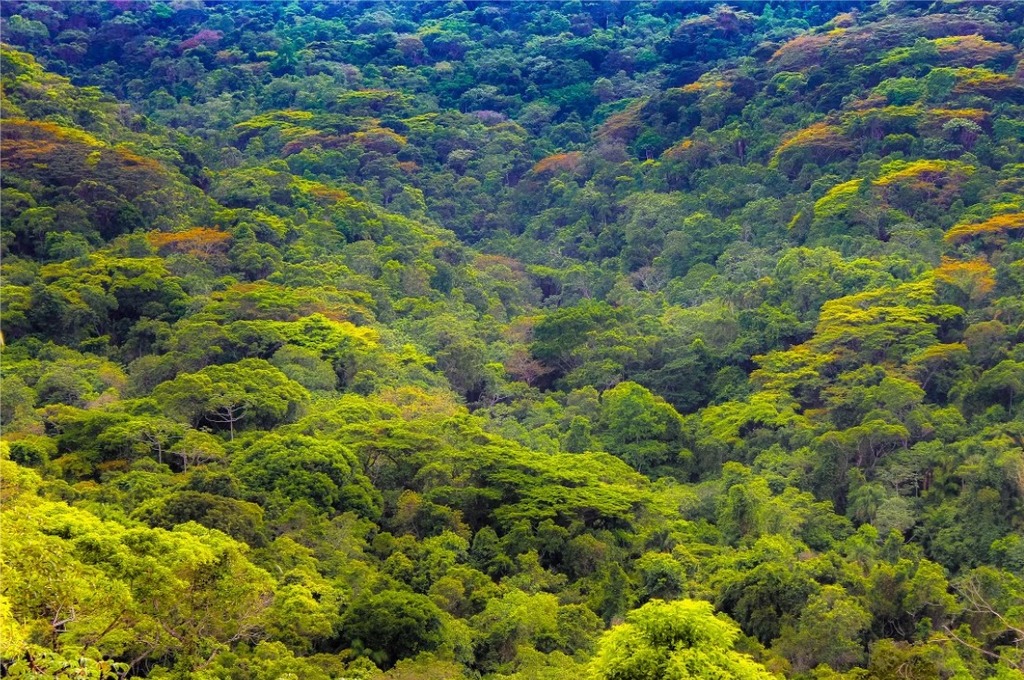
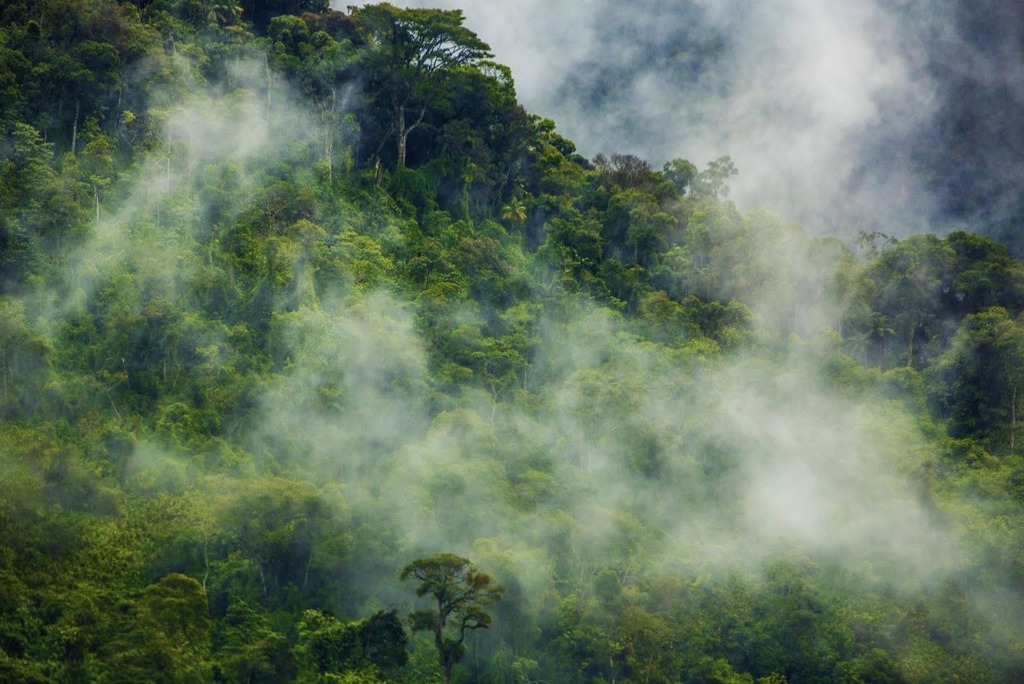
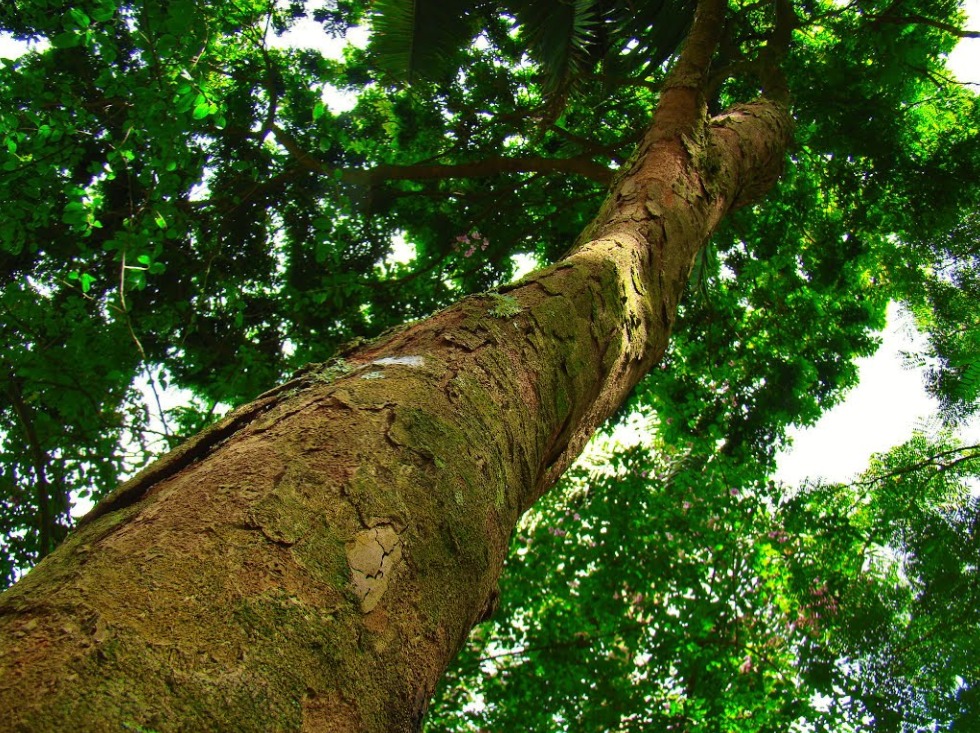
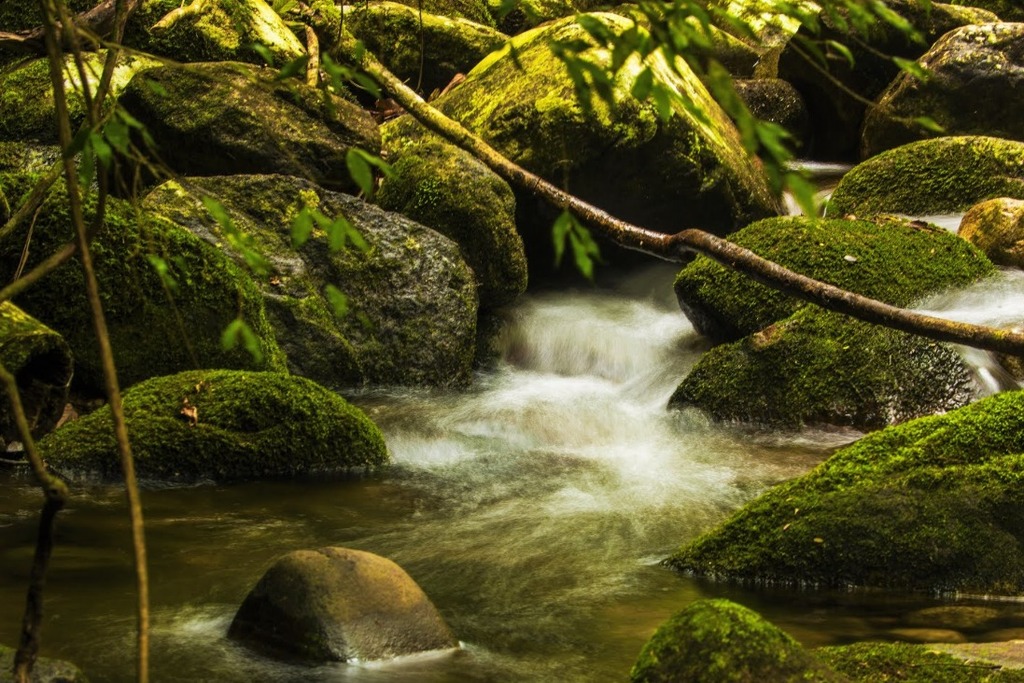
A Mata Atlântica é um bioma de floresta tropical. A incidência de luz, a temperatura, a disponibilidade de água, o regime de chuvas e a composição do solo formam densos ecossistemas nessas florestas, onde se concentra boa parte da biodiversidade do planeta, incluindo metade das espécies da fauna e da flora existentes.Presente no Brasil, Paraguai e Argentina, a Mata Atlântica tem cerca de 163 mil km², um pouco mais de 12% da sua extensão original. Fragmentada e degradada pela ação humana, ela continua sendo um tesouro precioso de vida formado por diferentes tipos de ecossistemas. Na Mata Atlântica também estão bacias hidrográficas, rios e aquíferos.
A Mata Atlântica é formada por florestas ombrófilas, que têm chuvas o ano todo, e florestas estacionais, com uma estação chuvosa e outra seca. Quando ocorrem em grandes altitudes com baixas temperaturas, são estacionais deciduais, quando fazem a transição de áreas úmidas para secas são semideciduais.
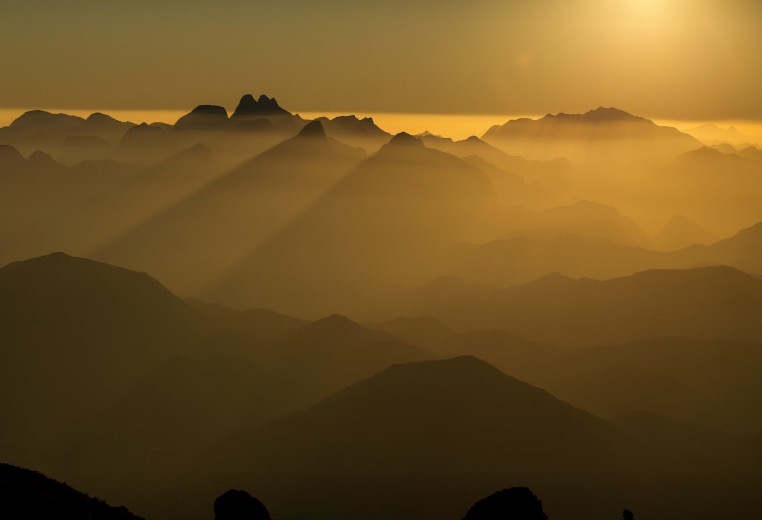
Os campos de altitude da Mata Atlântica estão nos picos das montanhas da Serra do Mar, que vai do Rio de Janeiro ao norte de Santa Catarina, e da Serra da Mantiqueira, que também está no estado do Rio, além de São Paulo e Minas Gerais. Sua vegetação contém gramíneas e outras ervas, além de arbustos e pequenas árvores.
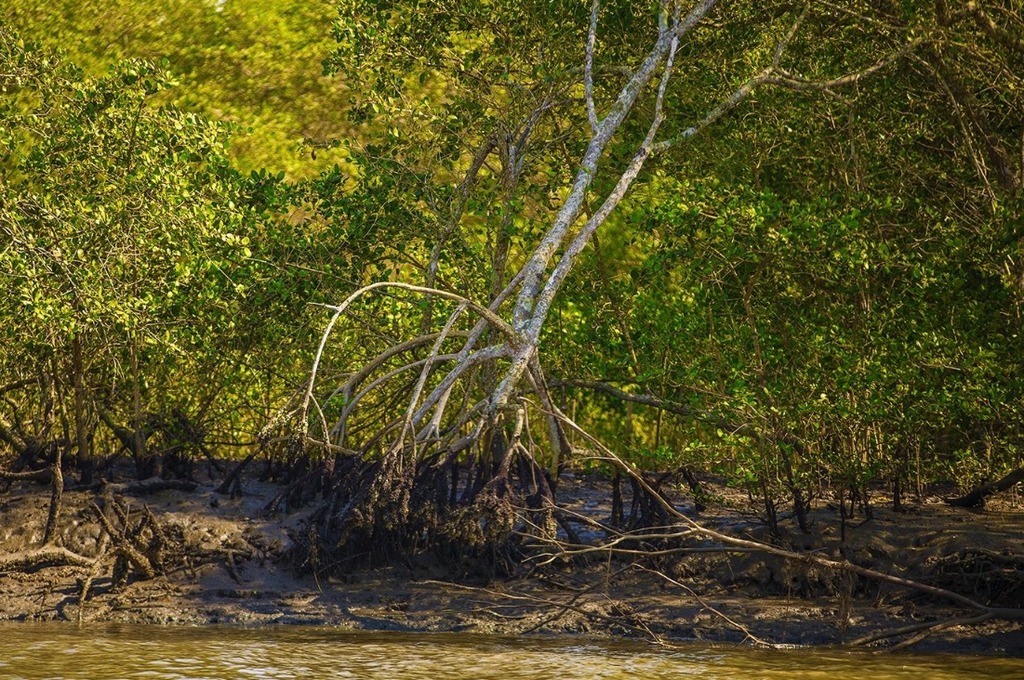
Os manguezais ocorrem nos solos do litoral, instáveis pela deposição constante de areias marinhas e fluviais, inclusive sendo muito influenciado pela salinidade. Devido à sua grande produção biológica, esses ecossistemas são economicamente importantes para comunidades tradicionais, como os caiçaras, que pescam muitas espécies de peixes e crustáceos que se reproduzem nesses locais.
A restinga é um ecossistema da Mata Atlântica que ocorre na região litorânea, sendo o mais ameaçado. Mais de 90% de sua vegetação original já foi alterada pela ação humana, mesmo que já tenha sido constatado um grande número de espécies que só existem neste ecossistema. No Rio de Janeiro, por exemplo, até 204 espécies de plantas vasculares são endêmicas da restinga.
LAR DE MILHARES DE ESPÉCIES
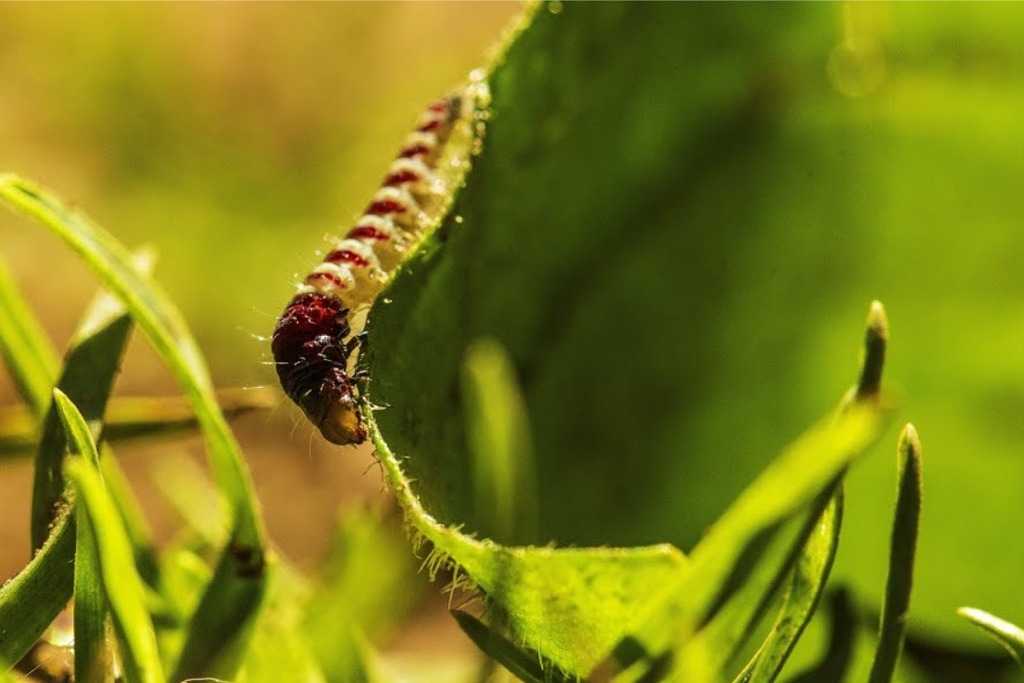
Milhares de espécies vivem na Mata Atlântica, além de nós. Entre as já conhecidas estão mais de 20 mil espécies de plantas, sendo que 8 mil são endêmicas, ou seja, só vivem neste bioma; 298 espécies de mamíferos, 200 de répteis, 370 de anfíbios, 350 de peixes, 992 de aves, além de insetos e outros animais invertebrados.
Sua flora também é exuberante, com estimativas de cerca de 16 mil espécies. A Mata Atlântica cobre menos de 1% da superfície terrestre do planeta, mas abriga mais de 5% das espécies de vertebrados e cerca de 5% da flora mundial. Mas, muitas espécies que vivem nela estão em risco: das 633 espécies de animais ameaçadas de extinção no Brasil, 383 vivem neste na Mata Atlântica.
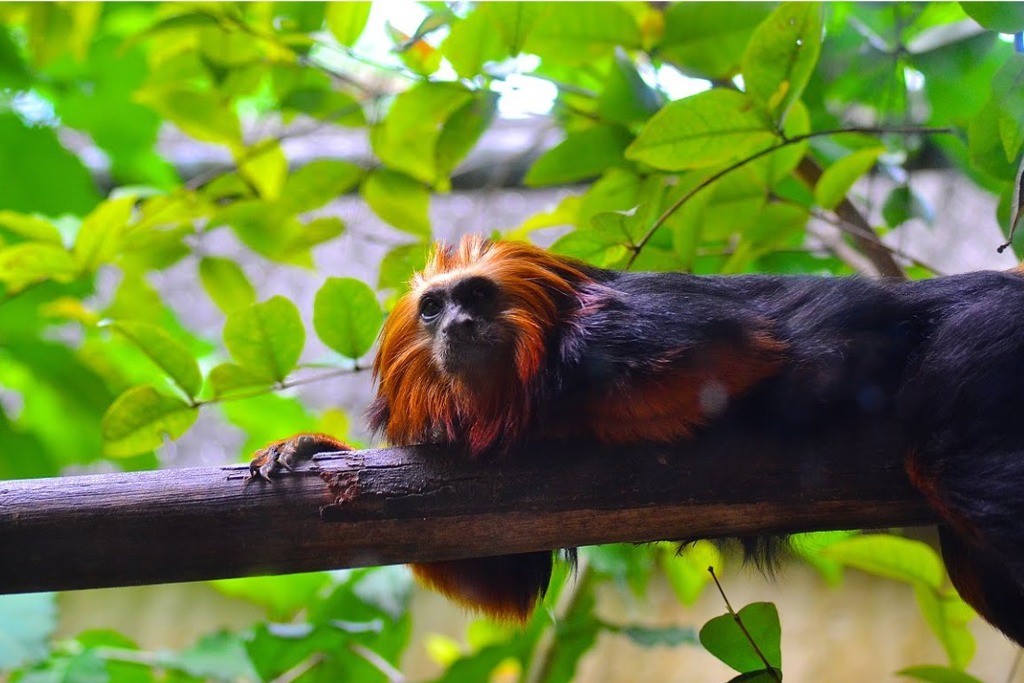
O mico-leão-dourado (Leontopithecus rosalia) é uma espécie de primata que só ocorre na Mata Atlântica brasileira, no estado do Rio de Janeiro. O desmatamento, a fragmentação do habitat e o tráfico de animais silvestres quase o levaram à extinção. Hoje, entre os principais riscos que esses micos correm estão o comércio ilegal, o avanço da agricultura e as modificações no ambiente.
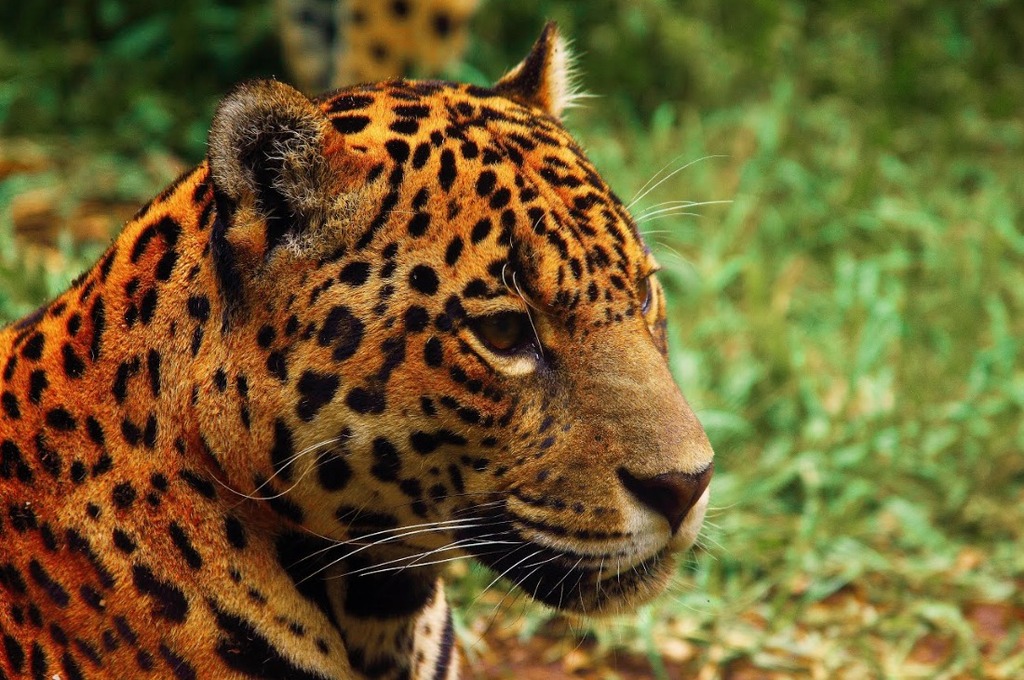
A onça-pintada (Panthera onca) é um mamífero carnívoro da família Felidae encontrada nas Américas, sendo o terceiro maior felino do mundo, após o tigre e o leão, e o maior do continente americano. No Brasil, a onça habita a Mata Atlântica, a Amazônia, o Pantanal, o Cerrado e a Caatinga. Entre os principais perigos enfrentados pela onça estão o comércio ilegal, a expansão da agricultura e a modificação dos ecossistemas.
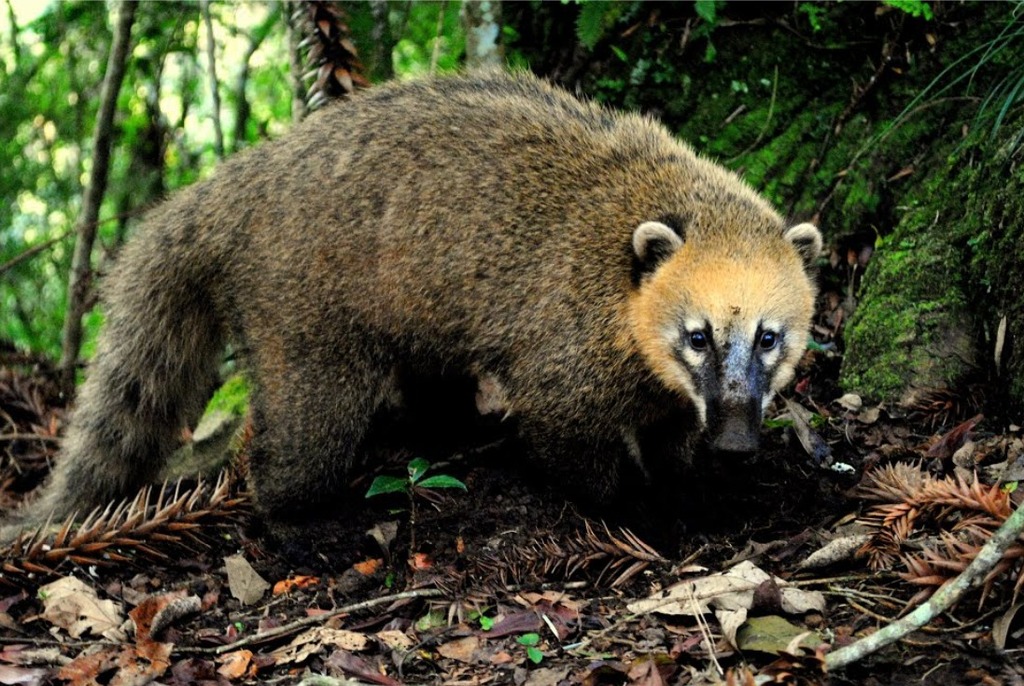
O quati (Nasua nasua), também chamado quati-de-bando ou de quati-de-cauda-anelada, é um mamífero que habita predominantemente a parte meridional da América Central, a América do Sul, incluindo a Mata Atlântica. Entre os principais perigos enfrentados pela espécie estão a expansão da agricultura e o uso em pesquisas biológicas.
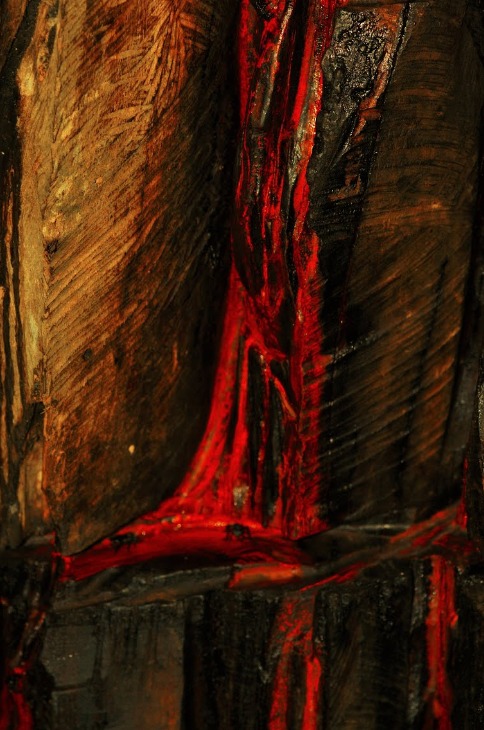
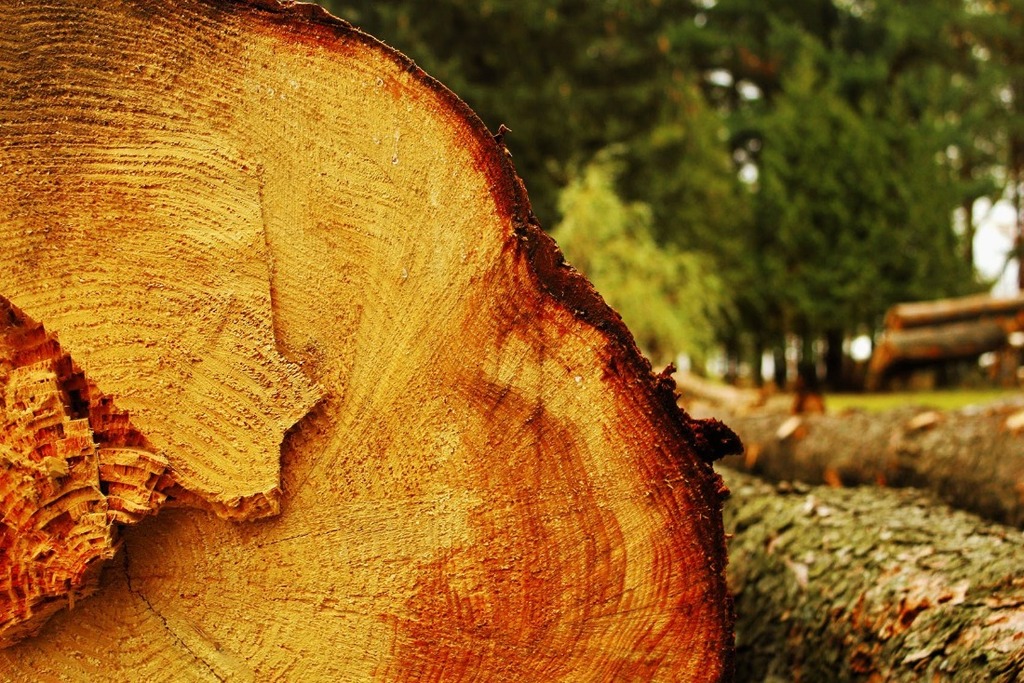
O pau-brasil (Caesalpinia echinata), também conhecido como arabutã, ibirapiranga, ibirapitá, ibirapitanga, orabutã, é uma árvore leguminosa endêmica da Mata Atlântica. Explorada desde o século XV para o comércio internacional, o pau-brasil se tornou um símbolo do desmatamento no país e da extração predatória dos recursos da floresta tropical.
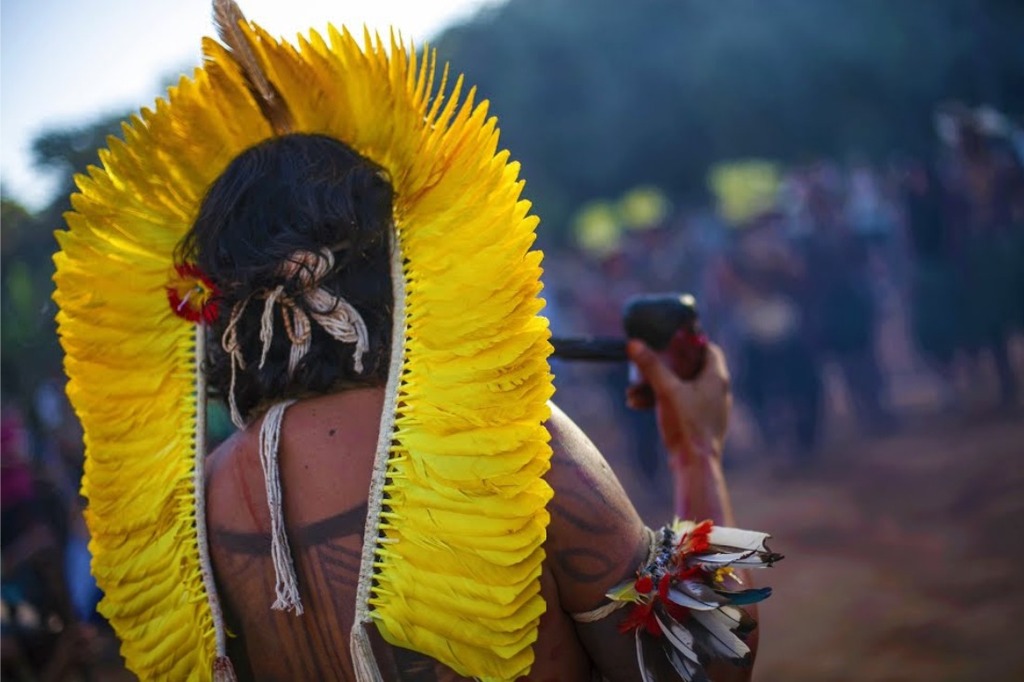
Grande parte da população brasileira vive na Mata Atlântica, ainda que seja no território desmatado para construção de cidades. Mas as florestas também abrigam uma grande diversidade cultural formada ao longo de séculos. É o caso dos povos indígenas, caiçaras e quilombolas. Mas, com o desmatamento, muitos desses povos também foram expulsos dos seus territórios originais, assim como o mico-leão-dourado, a onça ou o quati.
ÚNICOS E FRÁGEIS
As altas taxas de extinção de espécies indicam que a biodiversidade global corre perigo. A organização Conservação Internacional mantém uma lista de regiões do planeta que concentram a maior parte da biodiversidade global, mas que, no entanto, estão sendo ameaçadas pela pressão humana - os chamados hotspots de biodiversidade.Ao todo, são 35 regiões, incluindo a Mata Atlântica, espalhadas pela América, Caribe, Europa, África, Ásia e Oceania, a maior parte na região dos trópicos.
Os hotspots reúnem cerca de 60% do patrimônio biológico global em apenas 2,3% da superfície do planeta. Mais da metade das espécies de plantas e quase a metade das espécies de aves, mamíferos, répteis e anfíbios vivem apenas nestes locais.Para ser um hotspot a região deve ter 30% ou menos de sua vegetação original, e, no entanto, abrigar ao menos 1.500 espécies de plantas que só vivem nesses ambientes. No Brasil, o Cerrado também faz parte dessa lista de locais insubstituíveis e em perigo.
UMA AMEAÇA EM COMUM
Se no passado as grandes extinções ocorreram por causa de eventos naturais, nos últimos séculos a redução da biodiversidade é provocada pela ação humana. Diferente do meteoro que colidiu com a Terra e iniciando a extinção dos dinossauros, nosso impacto é cotidiano: degradamos habitats, poluímos, esgotamos recursos naturais, mudamos a temperatura do planeta.
A redução da biodiversidade global começou a se acentuar com as grandes navegações e a expansão comercial, no século XV, quando a caça indiscriminada, o desmatamento e a introdução de plantas e animais invasores causaram o desaparecimento de muitas espécies. Desde então, a biodiversidade continuou sendo pressionada, fazendo com que a taxa de extinção de espécies provocada por nós, humanos, se tornasse mil vezes maior do que aquela que provocada pela própria natureza nos dias atuais.
PRIMEIROS ATAQUES A MATA ATLÂNTICA
No século XV, os europeus conheceram a América e suas veredas de florestas tropicais a partir das grandes navegações. Mas, a Mata Atlântica já era ocupada por humanos há mais de 10 mil anos. Originalmente, a Mata Atlântica abrangia uma área equivalente a 1.315.460 km2 - extensão maior do que muitos países, por exemplo, França e Espanha – se espalhando do norte ao sul do país, predominantemente pelo litoral, embora também avançasse para o interior do continente.
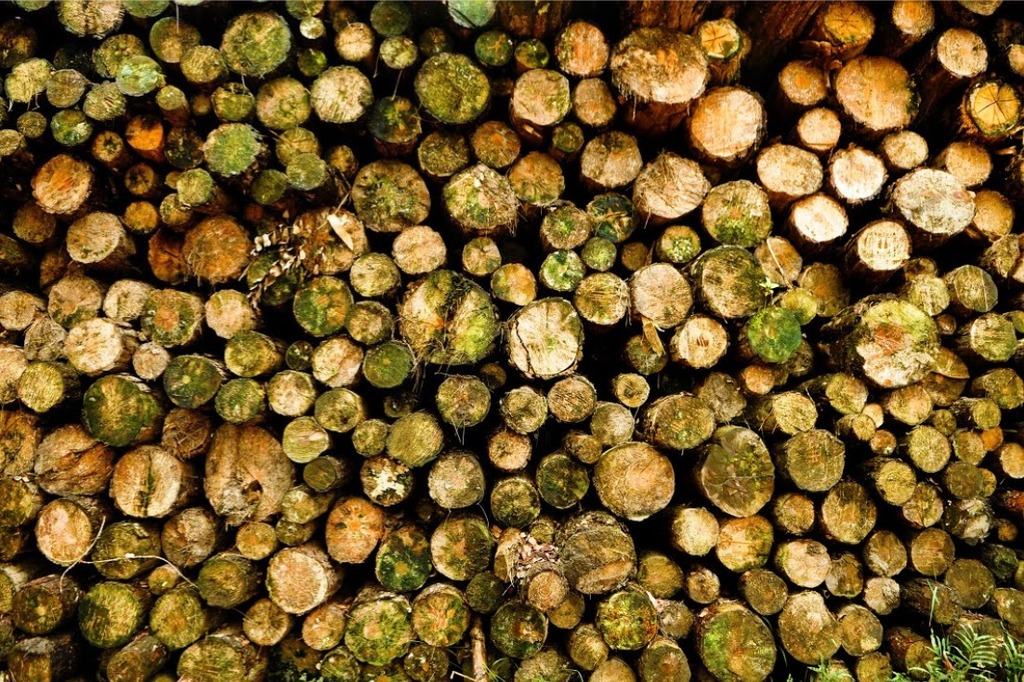
Mas foi com a chegada dos europeus deu início a transformação da paisagem com a exploração da mata para fins econômicos e para construção dos primeiros povoamentos semelhantes às cidades europeias. Primeiro foi a extração de pau-brasil, cuja essência corante extraída da madeira era utilizada para tingimento de tecidos e na produção de tintas que atendiam ao comércio europeu. Em seguida, outros ciclos econômicos, como o da cana-de-açúcar, café e ouro, continuaram com o desmatamento por séculos a fio degradando o habitat de milhares de espécies.
DERRUBAR PARA CONSTRUIR
No século XX, a Mata Atlântica teve as maiores taxas de desmatamento, acompanhando o aumento da urbanização, da industrialização e da própria população, o que levou ao aumento da exploração dos recursos naturais.
As demandas por energia também aumentaram e, com ela, o desmatamento dos remanescentes da floresta continuaram nos meados do século XX com a construção de hidrelétricas, que demandaram o corte de árvores no entorno da usina e a inundação de vastas extensões de floresta.
Na virada do milênio, os ataques a Mata Atlântica continuaram ainda pela expansão das fronteiras do agronegócio, que ocupou grandes extensões de terra para a mineração, a pecuária, a agricultura, incluindo o cultivo de monoculturas para exportação.
A MATA POR UM TRIZ
Os dados sobre o desmatamento da Mata Atlântica nos últimos trinta anos foram divulgados pela fundação SOS Mata Atlântica e o Instituto Nacional de Pesquisas Espaciais (INPE). O estudo aponta um desmatamento de 184 km² sobre o bioma em 2014 e 2015, incluindo um desmatamento de 1,69 km2 decorrentes do rompimento da barragem de rejeitos de mineração do Fundão, na cidade de Mariana, em Minas Gerais, que provocou um grande desastre ambiental no rio Doce.
Entre 2010 e 2015, a taxa anual variou entre 140 km2 e 240 km2. Antes era pior. Entre 1985 e 1995, esta taxa esteve acima de 1.000 km2. De 1995 a 2005, caiu de 891 km2 para 349 km2. E em 2010 esteve acima de 151 km2. O resultado, não só destas décadas, mas de pouco mais de quinhentos anos de desmatamento é que a Mata Atlântica no Brasil, que originalmente ocupava boa parte do território, hoje é fragmentada e reduzida às escarpas da Serra do Mar.
MORAMOS NA MATA
A vegetação original foi substituída por cidades, campos de cultivo e fábricas. Espalhada por 17, dos 26 estados do país, o que muitas vezes não se percebe é que boa parte dos brasileiros mora em meio a Mata Atlântica, ou no que sobrou dela. Mais exatamente, dos mais de 200 milhões de brasileiros, são 145 milhões, distribuídos em 3.429 municípios, segundo o Instituto Brasileiro de Geografia e Estatística.
Entre todos esses municípios estão as duas maiores cidades brasileiras. São Paulo tem mais de 11 milhões de habitantes e uma área de total de mais de 1.500 km2. Destes, um pouco mais de 267 km2 são de Mata Atlântica, o que representa cerca de 17% do município.
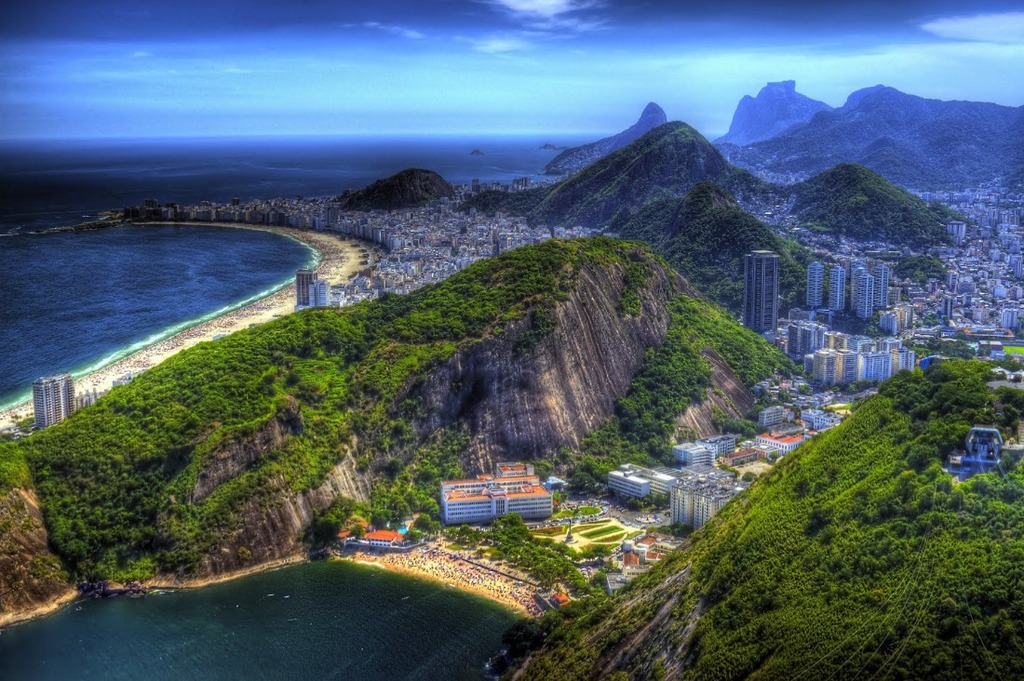
Já o Rio de Janeiro tem mais de 6 milhões de habitantes e uma área de mais de 1.100 km2, dos quais 184 km2 são de Mata Atlântica, algo em torno de 15,51% do município. Onde hoje são prédios altos e avenidas congestionadas, no passado era floresta.
VIDA QUE GERA MAIS VIDA
A Mata Atlântica oferece recursos indispensáveis a vida dos brasileiros. Entre eles estão o auxílio na regulação do clima, dos mananciais, da fertilidade do solo, além da purificação do ar.
A floresta contribui também para a proteção do solo, de rios e nascentes, favorecendo o abastecimento de água nas cidades. Inclusive, a estimativa é que 100 milhões de brasileiros sejam beneficiados com os recursos hídricos da Mata Atlântica.
Além disso, ela ainda é importante para a economia - quando não predatória - incluindo a pesca, o extrativismo, a geração de energia e o turismo.
CADA PEDAÇO DE MATA CONTA
A cobertura de áreas protegidas na Mata Atlântica avançou nos últimos anos. Hoje há mais de 700 unidades de conservação distribuídas por 16 dos 17 estados brasileiros, sendo que alguns se tornaram grandes parques nacionais.
A soma dessas unidades com terras indígenas e áreas de interstício podem criar verdadeiros corredores ecológicos, capazes de proteger a natureza, reduzindo ou prevenindo a fragmentação das florestas existentes por meio da conexão desse mosaico de Mata Atlântica que existe hoje.
Além dos desafios a proteção e a conservação da biodiversidade, ainda é necessário encontrar uma solução sustentável de uso dos recursos naturais da Mata Atlântica e de recuperação dos seus ecossistemas. Esses são desafios que todos nós devemos participar, para o bem da diversidade da vida do planeta.
Os parques nacionais conservam a Mata Atlântica, possibilitando a preservação dos ecossistemas e o seu uso sustentável, como, por exemplo, para o ecoturismo.
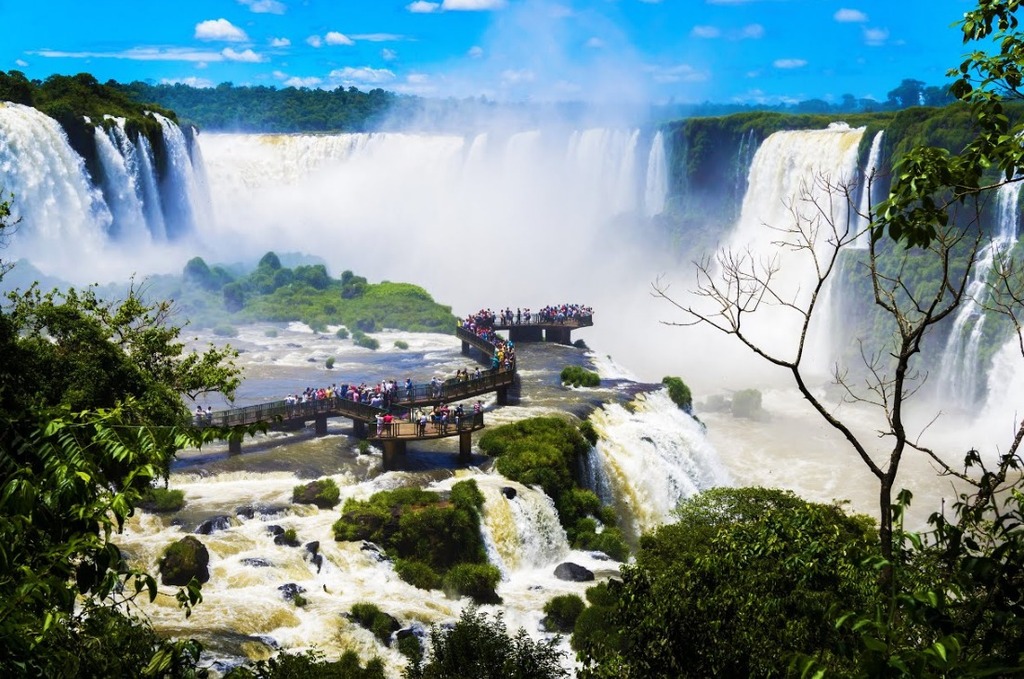
Ao todo são 24 parques nacionais de Mata Atlântica. Um dos mais famosos é o Parque Nacional do Iguaçu, no estado do Paraná, que tem um dos mais espetaculares conjuntos de cataratas da Terra, as Cataratas do Iguaçu.
Outros parques famosos da Mata Atlântica são o de Itatiaia, na Serra da Mantiqueira, que foi o primeiro parque nacional brasileiro, e o da Tijuca, no Rio de Janeiro, que é o parque mais visitado do Brasil.
Life envelops the Earth with its diversity and exuberance. It ranges from the icy poles to the heat of tropical forests, filling land, water, and air with millions of species of animals, plants, fungi, and microorganisms. But global biodiversity is at risk due to predatory human activity. In the Anthropocene, we have become the most dangerous species on the planet. The Atlantic Forest is an example of this.
TREASURE OF THE TROPICS
The Atlantic Forest is a tropical rainforest biome. The incidence of light, temperature, water availability, rainfall patterns, and soil composition form dense ecosystems in these forests, where a large part of the planet's biodiversity is concentrated, including half of the existing fauna and flora species. Present in Brazil, Paraguay, and Argentina, the Atlantic Forest covers approximately 163,000 km², a little over 12% of its original extent. Fragmented and degraded by human activity, it remains a precious treasure trove of life, formed by different types of ecosystems. The Atlantic Forest also contains river basins, rivers, and aquifers.
The Atlantic Forest is composed of ombrophilous forests, which receive rain year-round, and seasonal forests, with a rainy season and a dry season. When they occur at high altitudes with low temperatures, they are seasonal deciduous forests; when they transition from humid to dry areas, they are semi-deciduous forests.
The high-altitude grasslands of the Atlantic Forest are located on the peaks of the Serra do Mar mountain range, which extends from Rio de Janeiro to northern Santa Catarina, and the Serra da Mantiqueira mountain range, which is also in the state of Rio de Janeiro, as well as São Paulo and Minas Gerais. Its vegetation includes grasses and other herbs, as well as shrubs and small trees.
Mangroves occur in coastal soils, unstable due to the constant deposition of marine and river sands, and are also greatly influenced by salinity. Due to their high biological production, these ecosystems are economically important for traditional communities, such as the caiçaras, who fish for many species of fish and crustaceans that reproduce in these locations.
The restinga is an ecosystem of the Atlantic Forest that occurs in the coastal region, being the most threatened. More than 90% of its original vegetation has already been altered by human action, even though a large number of species that only exist in this ecosystem have already been identified. In Rio de Janeiro, for example, up to 204 species of vascular plants are endemic to the restinga.
HOME TO THOUSANDS OF SPECIES
Thousands of species live in the Atlantic Forest, in addition to us. Among those already known are more than 20,000 species of plants, of which 8,000 are endemic, that is, they only live in this biome; The Brazilian Atlantic Forest is home to 298 species of mammals, 200 of reptiles, 370 of amphibians, 350 of fish, 992 of birds, as well as insects and other invertebrate animals.
Its flora is also exuberant, with estimates of around 16,000 species. The Atlantic Forest covers less than 1% of the planet's land surface, but it shelters more than 5% of vertebrate species and about 5% of the world's flora. However, many species that live there are at risk: of the 633 animal species threatened with extinction in Brazil, 383 live in the Atlantic Forest.
The golden lion tamarin (Leontopithecus rosalia) is a primate species that only occurs in the Brazilian Atlantic Forest, in the state of Rio de Janeiro. Deforestation, habitat fragmentation, and wildlife trafficking nearly led to its extinction. Today, among the main risks these monkeys face are illegal trade, the expansion of agriculture, and environmental changes.
The jaguar (Panthera onca) is a carnivorous mammal of the Felidae family found in the Americas, being the third largest feline in the world, after the tiger and the lion, and the largest in the American continent. In Brazil, the jaguar inhabits the Atlantic Forest, the Amazon, the Pantanal, the Cerrado, and the Caatinga. Among the main dangers faced by the jaguar are illegal trade, the expansion of agriculture, and the modification of ecosystems.
The coati (Nasua nasua), also called the ring-tailed coati, is a mammal that predominantly inhabits the southern part of Central America and South America, including the Atlantic Forest. Among the main dangers faced by the species are the expansion of agriculture and its use in biological research.
Brazilwood (Caesalpinia echinata), also known as arabutã, ibirapiranga, ibirapitá, ibirapitanga, orabutã, is a leguminous tree endemic to the Atlantic Forest. Exploited since the 15th century for international trade, Brazilwood has become a symbol of deforestation in the country and the predatory extraction of resources from the tropical forest.
A large part of the Brazilian population lives in the Atlantic Forest, even though it is in territory deforested for the construction of cities. But the forests also harbor a great cultural diversity formed over centuries. This is the case of indigenous peoples, caiçaras (traditional coastal communities), and quilombolas (descendants of escaped slaves). However, with deforestation, many of these peoples have also been expelled from their original territories, as have the golden lion tamarin, the jaguar, and the coati.
UNIQUE AND FRAGILE
High rates of species extinction indicate that global biodiversity is in danger. The organization Conservation International maintains a list of regions of the planet that concentrate most of the global biodiversity, but which, nevertheless, are being threatened by human pressure – the so-called biodiversity hotspots. In total, there are 35 regions, including the Atlantic Forest, spread across the Americas, the Caribbean, Europe, Africa, Asia, and Oceania, most of them in the tropics.
Biodiversity hotspots contain approximately 60% of the world's biological heritage in just 2.3% of the planet's surface. More than half of the plant species and almost half of the species of birds, mammals, reptiles, and amphibians live only in these locations. To be considered a biodiversity hotspot, a region must have 30% or less of its original vegetation and yet harbor at least 1,500 plant species that only live in these environments. In Brazil, the Cerrado is also part of this list of irreplaceable and endangered locations.
A COMMON THREAT
While past mass extinctions were caused by natural events, in recent centuries the reduction of biodiversity has been caused by human action. Unlike the meteor that collided with Earth and initiated the extinction of the dinosaurs, our impact is daily: we degrade habitats, pollute, deplete natural resources, and change the planet's temperature.
The reduction of global biodiversity began to intensify with the great navigations and commercial expansion in the 15th century, when indiscriminate hunting, deforestation, and the introduction of invasive plants and animals caused the disappearance of many species. Since then, biodiversity has continued to be pressured, causing the rate of species extinction caused by us, humans, to become a thousand times greater than that caused by nature itself today.
FIRST ATTACKS ON THE ATLANTIC FOREST
In the 15th century, Europeans became acquainted with America and its tropical forest trails through the great navigations. But the Atlantic Forest had already been occupied by humans for more than 10,000 years. Originally, the Atlantic Forest covered an area equivalent to 1,315,460 km2 – an area larger than many countries, for example, France and Spain – spreading from north to south of the country, predominantly along the coast, although it also advanced inland.
But it was with the arrival of the Europeans that the transformation of the landscape began, with the exploitation of the forest for economic purposes and the construction of the first settlements similar to European cities. First came the extraction of brazilwood, whose dye essence was used for dyeing fabrics and in the production of inks that served the European market. Then, other economic cycles, such as those of sugarcane, coffee, and gold, continued with deforestation for centuries, degrading the habitat of thousands of species.
CUTTING DOWN TO BUILD
In the 20th century, the Atlantic Forest experienced the highest rates of deforestation, coinciding with increased urbanization, industrialization, and population growth, leading to increased exploitation of natural resources.
Energy demands also increased, and with them, the deforestation of remaining forest fragments continued in the mid-20th century with the construction of hydroelectric dams, which required cutting down trees around the plant and flooding vast stretches of forest.
At the turn of the millennium, attacks on the Atlantic Forest continued due to the expansion of agribusiness frontiers, which occupied large tracts of land for mining, livestock farming, agriculture, including the cultivation of monocultures for export.
THE FOREST ON THE THREAD
Data on the deforestation of the Atlantic Forest over the last thirty years were released by the SOS Mata Atlântica Foundation and the National Institute for Space Research (INPE). The study points to a deforestation of 184 km² in the biome in 2014 and 2015, including 1.69 km² resulting from the collapse of the Fundão mining tailings dam in Mariana, Minas Gerais, which caused a major environmental disaster in the Doce River.
Between 2010 and 2015, the annual rate varied between 140 km² and 240 km². It was worse before. Between 1985 and 1995, this rate was above 1,000 km². From 1995 to 2005, it fell from 891 km² to 349 km². And in 2010 it was above 151 km². The result, not only of these decades, but of just over five hundred years of deforestation, is that the Atlantic Forest in Brazil, which originally occupied a large part of the territory, is now fragmented and reduced to the escarpments of the Serra do Mar mountain range.
WE LIVE IN THE FOREST
The original vegetation has been replaced by cities, cultivated fields, and factories. Spread across 17 of the country's 26 states, what is often not realized is that a large part of Brazilians live in the middle of the Atlantic Forest, or in what remains of it. More precisely, of the more than 200 million Brazilians, 145 million are distributed across 3,429 municipalities, according to the Brazilian Institute of Geography and Statistics.
Among all these municipalities are the two largest Brazilian cities. São Paulo has more than 11 million inhabitants and a total area of more than 1,500 km². Of these, a little over 267 km² are Atlantic Forest, representing about 17% of the municipality.
Rio de Janeiro, on the other hand, has more than 6 million inhabitants and an area of over 1,100 km², of which 184 km² are Atlantic Forest, around 15.51% of the municipality. Where today there are tall buildings and congested avenues, in the past there was forest.
LIFE THAT GENERATES MORE LIFE
The Atlantic Forest offers resources indispensable to the lives of Brazilians. Among them are its assistance in regulating the climate, water sources, soil fertility, and air purification.
The forest also contributes to the protection of the soil, rivers and springs, favoring the water supply in cities. In fact, it is estimated that 100 million Brazilians benefit from the water resources of the Atlantic Forest.
Furthermore, it is still important to the economy – when not predatory – including fishing, extractive activities, energy generation, and tourism.
EVERY PIECE OF FOREST COUNTS
The coverage of protected areas in the Atlantic Forest has advanced in recent years. Today there are more than 700 conservation units distributed across 16 of the 17 Brazilian states, some of which have become large national parks.
The sum of these units with indigenous lands and interstitial areas can create true ecological corridors, capable of protecting nature, reducing or preventing the fragmentation of existing forests through the connection of this mosaic of Atlantic Forest that exists today.
In addition to the challenges of protecting and conserving biodiversity, it is still necessary to find a sustainable solution for the use of the Atlantic Forest's natural resources and the recovery of its ecosystems. These are challenges in which we must all participate, for the good of the planet's biodiversity.
National parks conserve the Atlantic Forest, enabling the preservation of ecosystems and their sustainable use, for example, for ecotourism.
In total, there are 24 national parks in the Atlantic Forest. One of the most famous is Iguaçu National Park, in the state of Paraná, which has one of the most spectacular sets of waterfalls on Earth, the Iguaçu Falls.
Other famous parks in the Atlantic Forest are Itatiaia, in the Serra da Mantiqueira mountain range, which was the first Brazilian national park, and Tijuca National Park, in Rio de Janeiro, which is the most visited park in Brazil.
Palavra-chave
Ficha Técnica
Presidente do Conselho de Administração do IDG: Fred Arruda
Diretor Presidente: Ricardo Piquet
Curador Geral: Luiz Alberto Oliveira
Diretor de Conteúdo: Alfredo Tolmasquim
Diretor de Operações & Finanças: Henrique Oliveira
Diretor de Desenvolvimento de Públicos: Alexandre Fernandes
Diretor de Planejamento & Gestão: Vinícius Capillé
Diretora Captação de Recursos: Renata Salles
Gerente de Exposições e Observatório do Amanhã: Leonardo Menezes
Pesquisa e Redação: Davi Bonela
Edição de textos: Emanuel Alencar
Fotos: Cristian Dimittri e imagens sob creative commons
IDG Board Chairman: Fred Arruda
CEO: Ricardo Piquet
General Curator: Luiz Alberto Oliveira
Content Director: Alfredo Tolmasquim
Operations & Finance Director: Henrique Oliveira
Audience Development Director: Alexandre Fernandes
Planning & Management Director: Vinícius Capillé
Fundraising Director: Renata Salles
Exhibition and Future Observatory Manager: Leonardo Menezes
Research and Writing: Davi Bonela
Text Editing: Emanuel Alencar
Photos: Cristian Dimittri and images under Creative Commons
Assets
Imagem20
Taxonomia
Item do acervo3