
Características do Acervo
Numeração
MDA.MUS.00006.2
Suporte
Estrutura
Descrição e Autoria
Título
Mesa Interativa Cérebro
Brain Interactive Table
Brain Interactive Table
Conjunto
Descrição
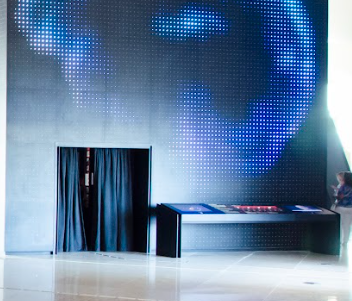
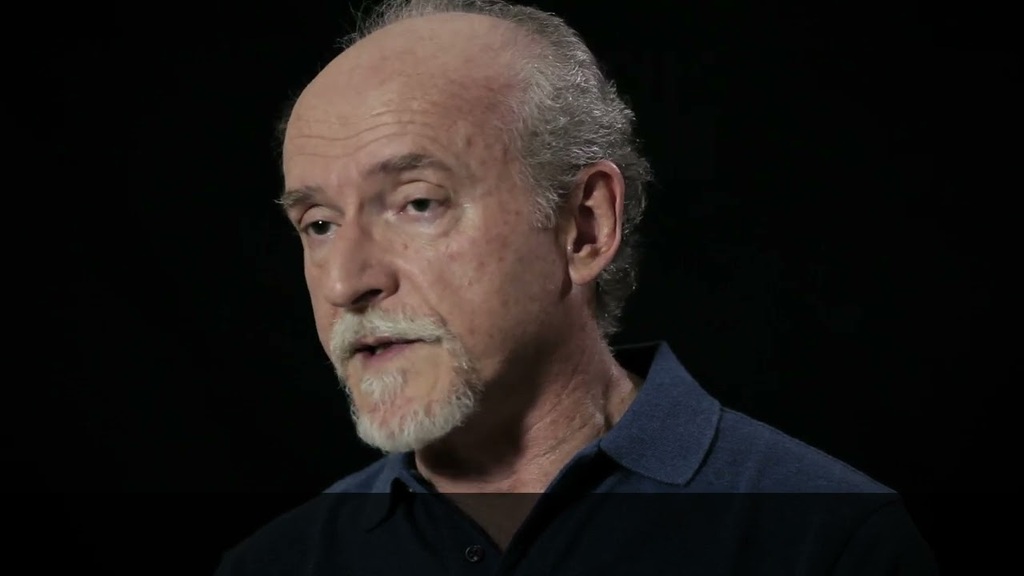
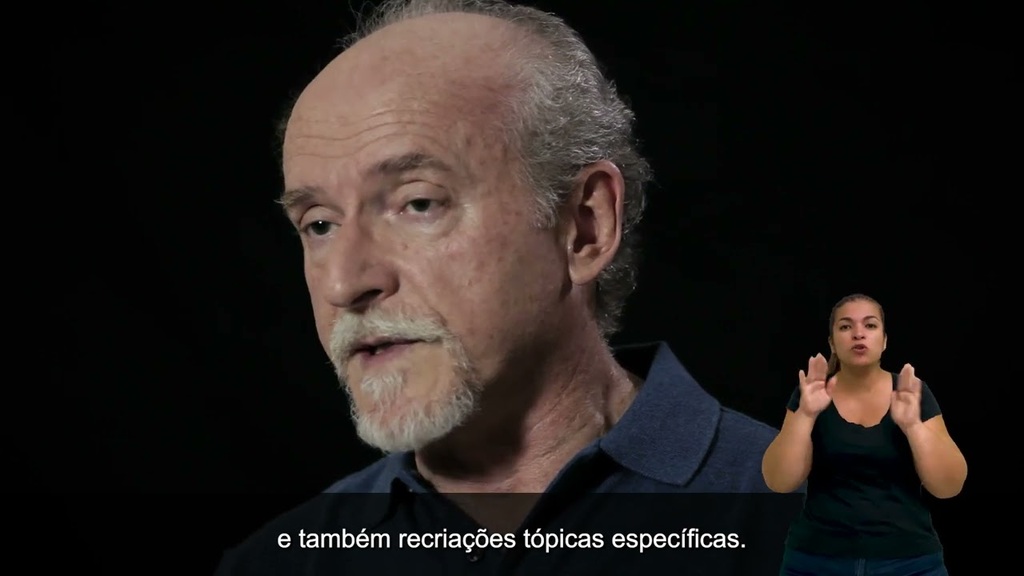
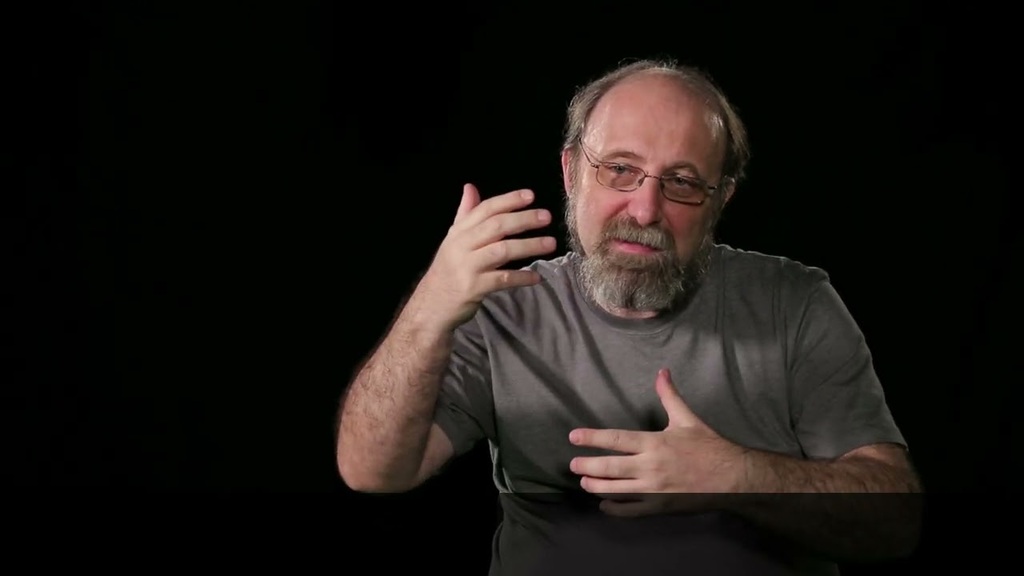
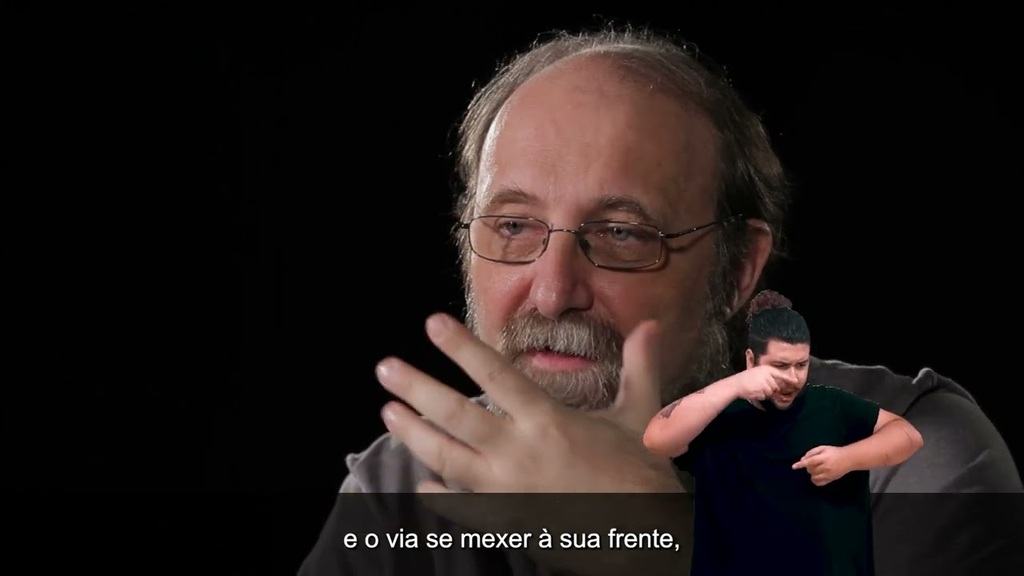
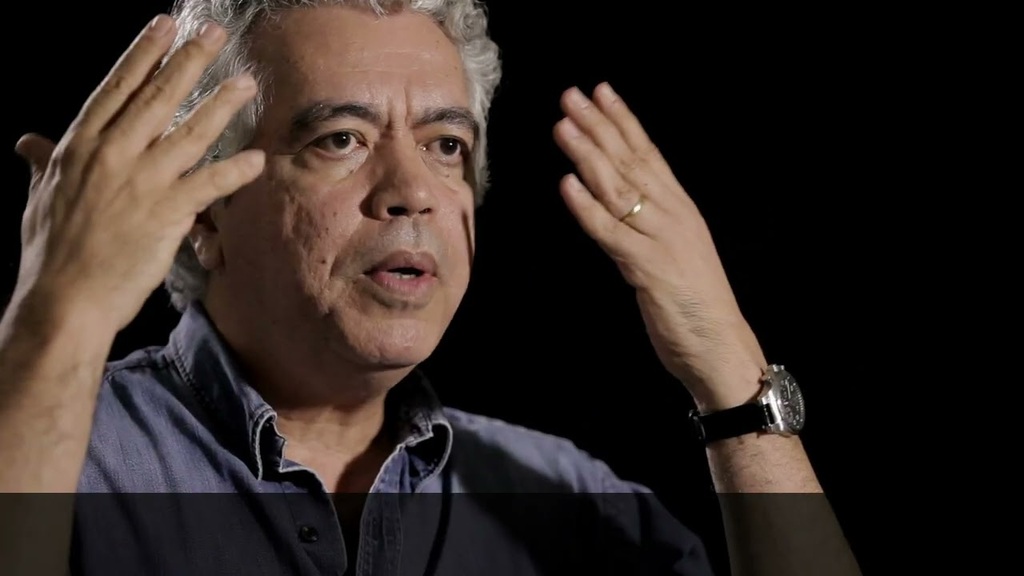
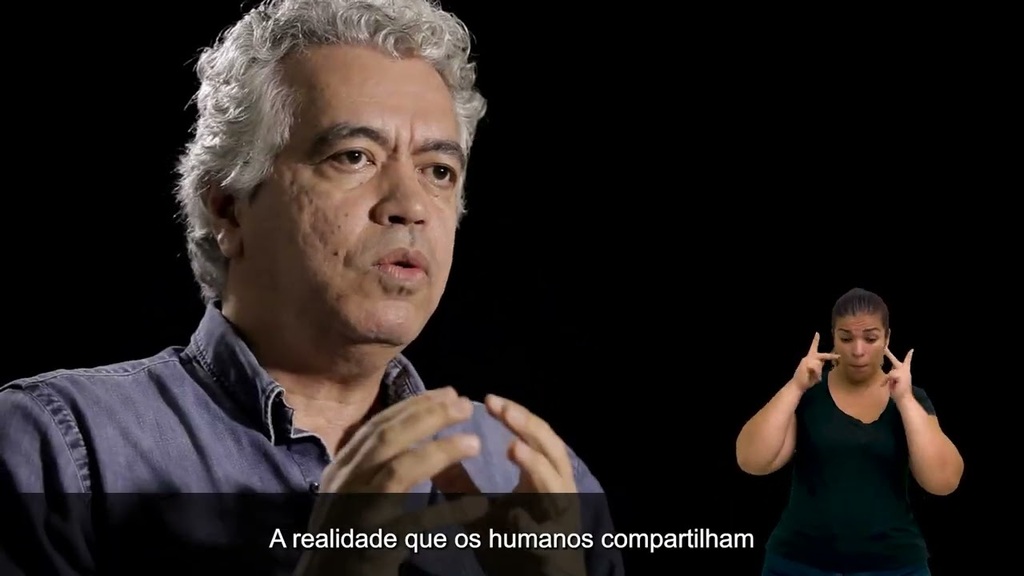
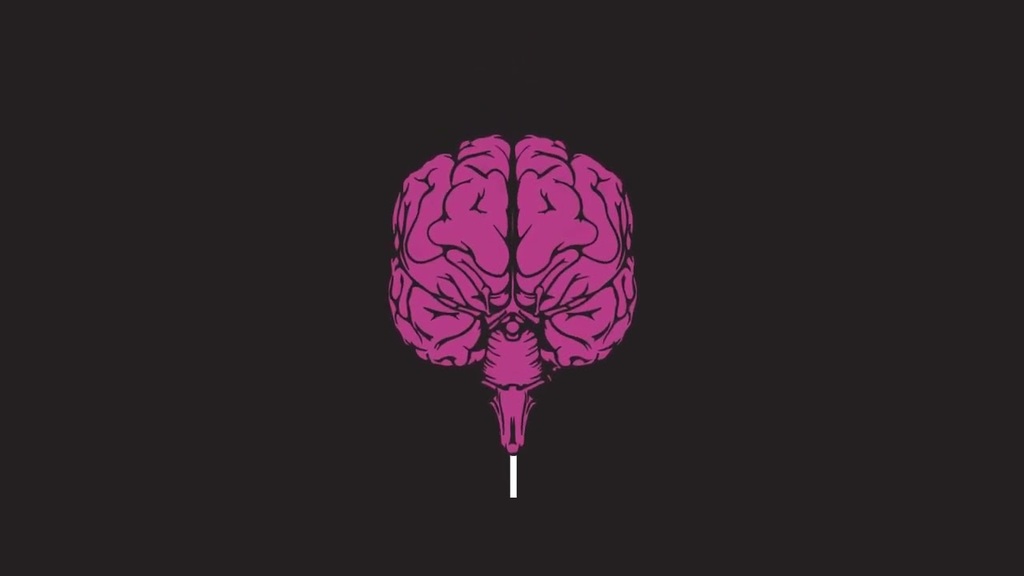
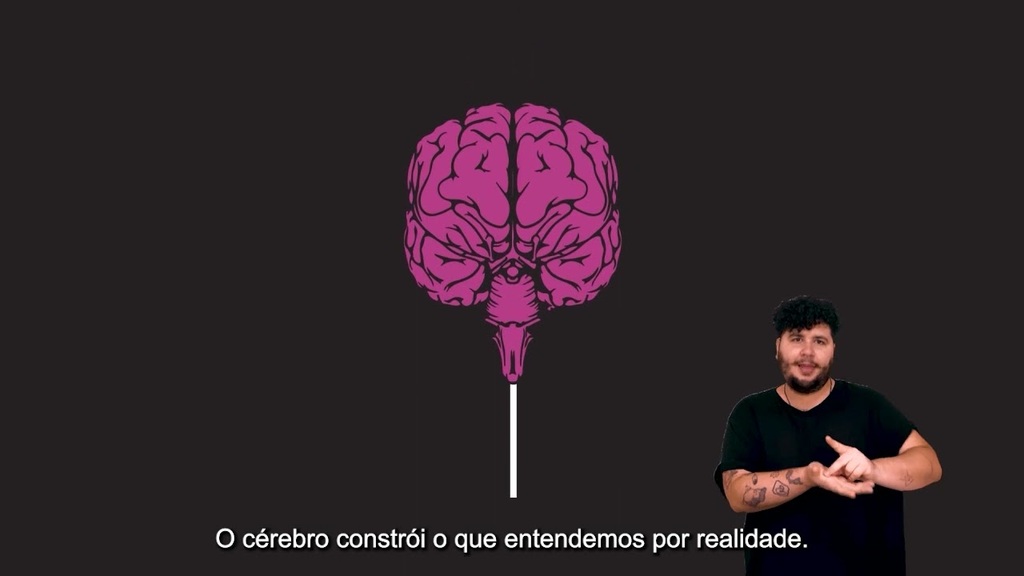
A mesa interativa localizada na entrada do Cubo do Pensamento apresenta entrevistas com o antropólogo Luiz Fernando Dias Duarte, o neurocientista Miguel Nicolelis e o psicanalista Benilton Bezerra Jr., além de textos informativos sobre Cérebro e O que diferencia a capacidade cerebral? O conteúdo inclui ainda gráficos sobre o tema Quociente de encefalização do cérebro de algumas espécies e o vídeo intitulado Cérebro.
Os textos relacionados aos conteúdos da Mesa interativa Cérebro encontram-se no campo Demais informações > Texto.
The interactive table located at the entrance of the Cube of Thought features interviews with anthropologist Luiz Fernando Dias Duarte, neuroscientist Miguel Nicolelis, and psychoanalyst Benilton Bezerra Jr., as well as informative texts about the Brain and What Differentiates Brain Capacity? The content also includes graphs on the topic of the Encephalization Quotient of the brain in some species and a video titled Brain. Texts related to the content of the Brain interactive table can be found in the Other Information > Text section.
The interactive table located at the entrance of the Cube of Thought features interviews with anthropologist Luiz Fernando Dias Duarte, neuroscientist Miguel Nicolelis, and psychoanalyst Benilton Bezerra Jr., as well as informative texts about the Brain and What Differentiates Brain Capacity? The content also includes graphs on the topic of the Encephalization Quotient of the brain in some species and a video titled Brain. Texts related to the content of the Brain interactive table can be found in the Other Information > Text section.
Coleção
Legenda
Terra: Cérebro. 2015. Técnica mista. 98 x 360 x 68 cm | Duração variável.
.
Earth: Brain. 2015. Mixed media. 98 x 360 x 68 cm | Variable duration.
.
Tierra: Cerebro. 2015. Técnica mixta. 98 x 360 x 68 cm | Duración variable.
Acessibilidade
LibrasAcessibilidade
Tour virtualAcessibilidade
Dados Técnicos e de Localização
Categoria de acervo
Técnica de confecção
Gravação de vídeoTécnica
MontagemTécnica
Pintura eletrostáticaTécnica
Técnica mistaTécnica
Computação gráficaTécnica
Material
Aço galvanizadoMaterial
Backlight (retroiluminação)Material
Chapa metálicaMaterial
ComputadorMaterial
Luminária de LEDMaterial
Monitor de vídeo (LED)Material
Tinta epóxiMaterial
VentoinhaMaterial
Vidro temperadoMaterial
Dimensão
98 x 360 x 68 cm
Formato de arquivo
Resolução
variável
Tamanho do arquivo
variável
Duração
variável
Relações
Exposição
Outro item do acervo relacionado4
Demais informações
Texto
Textos da Mesa Interativa Cérebro:
CÉREBRO Não existe nada mais complexo entre os seres vivos do que o cérebro humano. Movimentos, sensações, emoções, lembranças, planejamento do futuro: tudo é gerado pelo cérebro. A atividade cerebral é produzida por redes de neurônios, que são as principais unidades de processamento do cérebro. Os disparos neurais formam conexões e criam novos circuitos a cada vivência, atuando sobre nossa maneira de pensar e agir. Os neurocientistas analisam registros das atividades cerebrais para desvendar os mistérios da nossa mente.
Nestas faces estão as visualizações de diferentes tipos de atividade cerebral. Disparos em rede mostram neurônios formando conexões. Ondas representam bilhões de neurônios pulsando na parte frontal do cérebro de um adulto jovem. A atividade cerebral de filtragem dos estímulos gerados pelo corpo é representada por uma “chuva” de informações. Traços surgidos de baixo representam estímulos recebidos pelos órgãos sensoriais.
O QUE DIFERENCIA A CAPACIDADE CEREBRAL?
O tamanho do cérebro comparado à massa do corpo já foi usado para analisar a inteligência das espécies. Porém, outros fatores determinam a relação entre comportamento, massa e inteligência. Uma alternativa mais complexa é o quociente de encefalização, uma média entre o tamanho real do cérebro e o esperado, dependendo da massa do animal. Quanto maior o cérebro em relação ao tamanho do corpo, mais capacidade disponível ele teria para realizar tarefas cognitivas.
Gráfico
QUOCIENTE DE ENCEFALIZAÇÃO DO CÉREBRO DE ALGUMAS ESPÉCIES
SER HUMANO
HOMO SAPIENS 75 kg
Peso 1.400 g
Cérebro 7,4
QUOCIENTE DE ENCEFALIZAÇÃO
GOLFINHO NARIZ-DE-GARRAFA
TURSIOPS TRUNCATUS 120 kg
Peso 1.500 g
Cérebro 5,26
QUOCIENTE DE ENCEFALIZAÇÃO
CHIMPANZÉ
PAN TROGLODYTES 45 kg
Peso 400 g
Cérebro 2,63
QUOCIENTE DE ENCEFALIZAÇÃO
COIOTE
CANIS LATRANS 8 kg
Peso 84 g
Cérebro1,69
QUOCIENTE DE ENCEFALIZAÇÃO
PAPAGAIO-CINZENTO
PSITTACUS ERITHACUS 0,33 kg
Peso 5 g
Cérebro 1,0
QUOCIENTE DE ENCEFALIZAÇÃO
LEÄO
PANTHERA LEO 140 kg
Peso 240 g
Cérebro 0,6
QUOCIENTE DE ENCEFALIZAÇÃO
HIPOPÓTAMO
HIPPOPOTAMUS AMPHIBIUS 1.350 kg
Peso 730 g
Cérebro 0,5
QUOCIENTE DE ENCEFALIZAÇÃO
BALEIA-AZUL
BALAENOPTERA MUSCULUS 58.000 kg
Peso 6.800 g
Cérebro 0,38
Texts from the Interactive Brain Table:
BRAIN There is nothing more complex among living beings than the human brain. Movements, sensations, emotions, memories, planning for the future: everything is generated by the brain. Brain activity is produced by networks of neurons, which are the main processing unit of the brain. The firing of neurons forms connections and creates new circuits with each new experience, influencing our way of thinking and acting. Neuroscientists analyze records of our brain activity to unravel the mysteries of the mind.
These facades display images of various types of brain activity. Flashes in the network show the neurons forming connections. Waves represent billions of neurons pulsing in the frontal part of the brain of a young adult. Brain activity that filters the stimuli generated by the body is represented by a "rain shower" of information. Lines emerging from below represent the stimuli received by sensory organs.
WHAT DIFFERENTIATES BRAIN CAPACITY?
The size of the brain compared to body mass has been used to analyze the intelligence of species. However, other factors determine the relationship between behavior, mass and intelligence. A more complex alternative is the encephalization quotient, the ratio between the actual size of the brain and the expected size, depending on the body mass of the animal. The larger the brain relative to body size, the more capacity it has to perform cognitive tasks.
Graphic
ENCEPHALIZATION QUOTIENT OF THE BRAIN OF SOME SPECIES
HUMAN BEING
HOMO SAPIENS 75 kg
Weight 1.400 g
Brain 7,4
ENCEPHALIZATION QUOTIENT
BOTTLE NOSE DOLPHIN
TURSIOPS TRUNCATUS 120 kg
Weight 1.500 g
Brain 5,26
ENCEPHALIZATION QUOTIENT
CHIMPANZEE
PAN TROGLODYTES 45 kg
Weight 400 g
Brain 2,63
ENCEPHALIZATION QUOTIENT
COYOTE
CANIS LATRANS 8 kg
Weight 84 g
Brain 1,69
ENCEPHALIZATION QUOTIENT
GREY PARROT
PSITTACUS ERITHACUS 0,33 kg
Weight 5 g
Brain 1,0
ENCEPHALIZATION QUOTIENT
LION
PANTHERA LEO 140 kg
Weight 240 g
Brain 0,6
ENCEPHALIZATION QUOTIENT
HIPPOPOTAMUS
HIPPOPOTAMUS AMPHIBIUS 1.350 kg
Weight 730 g
Brain 0,5
ENCEPHALIZATION QUOTIENT
BLUE WHALE
BALAENOPTERA MUSCULUS 58.000 kg
Weight 6.800 g
Brain 0,38
Palavras-chave
Arquivos associados / Assets
Video8