
Bibliographic / Publicação
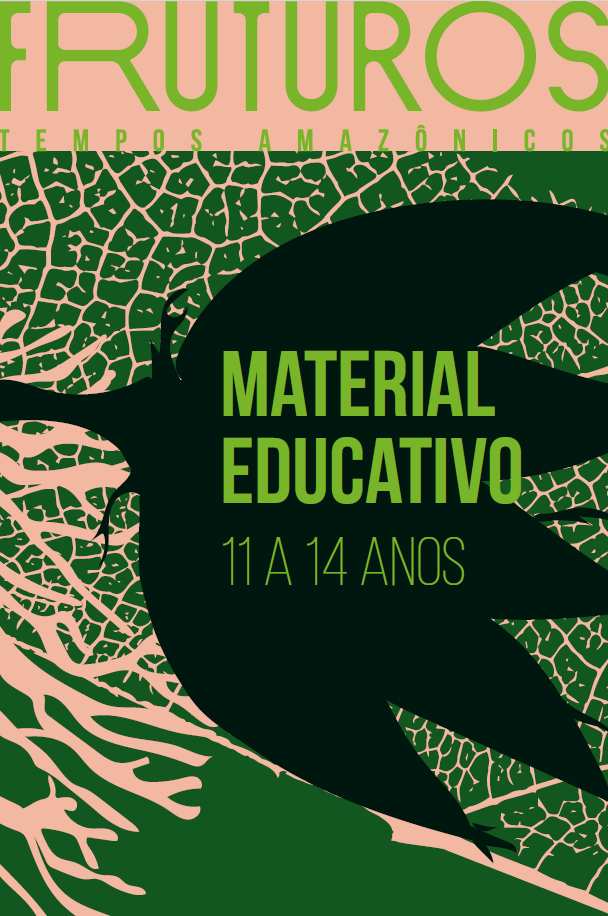
Fruturos: Tempos Amazônicos - Material Educativo - 11 a 14 anos
2021
theme
url
url
identifier
MDA.BIB.00061
Nome
Fruturos: Tempos Amazônicos - Material Educativo - 11 a 14 anos
Fruturos: Amazonian Times - Educational Material - Ages 11 to 14
Fruturos: Amazonian Times - Educational Material - Ages 11 to 14
itemType
additionalType
fileExtension
description
The educational material for the Fruturos - Tempos Amazônicos exhibition consists of a transdisciplinary pedagogical resource developed to extend the experience of visiting the Museum of Tomorrow to the school environment, aligned with the National Common Curriculum Base (BNCC) and Law 11.645/08. Structured around the six thematic axes of the exhibition, the material proposes an immersion in Amazonian diversity through a playful narrative that guides teachers and students on a journey to the rhythm of Carimbó, exploring values and questions about the region.
For students aged 11 to 14, the educational journey continues with the activity "In the Flow of History," which proposes an awareness of the reality of freshwater through cartographic reflection, starting with the Amazon River. Additionally, the "Pollinating Knowledge" activity invites young people to recognize and value the country's biodiversity and traditional knowledge through the exploration of medicinal and phytotherapeutic plants, consolidating an approach that integrates environmental awareness, scientific knowledge, and respect for native cultures.
O material educativo da exposição Fruturos - Tempos Amazônicos consiste em um recurso pedagógico transdisciplinar desenvolvido para estender a experiência da visita ao Museu do Amanhã para o ambiente escolar, alinhado à Base Nacional Comum Curricular (BNCC) e à Lei 11.645/08. Estruturado a partir dos seis eixos temáticos da exposição, o material propõe uma imersão na diversidade amazônica por meio de uma narrativa lúdica que conduz professores e alunos em uma viagem no ritmo do Carimbó, explorando valores e questionamentos sobre a região. Para os estudantes de 11 a 14 anos, a jornada educativa segue pela atividade No Fluxo da História, que propõe uma sensibilização para a realidade das águas doces por meio de uma reflexão cartográfica tendo como ponto de partida o Rio Amazonas. Complementarmente, a atividade Polinizando Saberes convida os jovens a reconhecer e valorizar a biodiversidade e os saberes tradicionais do país por meio da exploração de plantas medicinais e fitoterápicas, consolidando uma abordagem que integra consciência ambiental, conhecimento científico e respeito às culturas originárias.
O material educativo da exposição Fruturos - Tempos Amazônicos consiste em um recurso pedagógico transdisciplinar desenvolvido para estender a experiência da visita ao Museu do Amanhã para o ambiente escolar, alinhado à Base Nacional Comum Curricular (BNCC) e à Lei 11.645/08. Estruturado a partir dos seis eixos temáticos da exposição, o material propõe uma imersão na diversidade amazônica por meio de uma narrativa lúdica que conduz professores e alunos em uma viagem no ritmo do Carimbó, explorando valores e questionamentos sobre a região. Para os estudantes de 11 a 14 anos, a jornada educativa segue pela atividade No Fluxo da História, que propõe uma sensibilização para a realidade das águas doces por meio de uma reflexão cartográfica tendo como ponto de partida o Rio Amazonas. Complementarmente, a atividade Polinizando Saberes convida os jovens a reconhecer e valorizar a biodiversidade e os saberes tradicionais do país por meio da exploração de plantas medicinais e fitoterápicas, consolidando uma abordagem que integra consciência ambiental, conhecimento científico e respeito às culturas originárias.
publishingHouse
editorialProduction
Karen MontijaPerson
edition
1ª
volume
1
datePublished
2021
displayDate
Dois mil e vinte e um
Two thousand and one
Two thousand and one
numberOfPages
72 p.
author
contributor
translator
about
BiodiversityThing
Climate JusticeThing
Social JusticeThing
EnvironmentThing
Indigenous PeoplesThing
PreservationThing
PublicationsThing
itemExhibition
image
associatedMedia3