
Exhibition / Temporary Exhibition
Possible Horizons: Art as Refuge
13/09/2016 - 25/09/2016
Thematic Axis
General Info
Identifier
MDA.EXP.00012
Name
Possible Horizons: Art as Refuge
Possible Horizons
Horizontes Possíveis: Arte como Refúgio
Horizontes Possíveis
Possible Horizons
Horizontes Possíveis: Arte como Refúgio
Horizontes Possíveis
Description
Since World War II, the world has not experienced a humanitarian crisis as severe as that of refugees. Fleeing wars, armed conflicts, religious or ethnic persecution, more than 65 million people – half of them children – have left their place of origin, according to the UN. They left behind their homes and possessions.
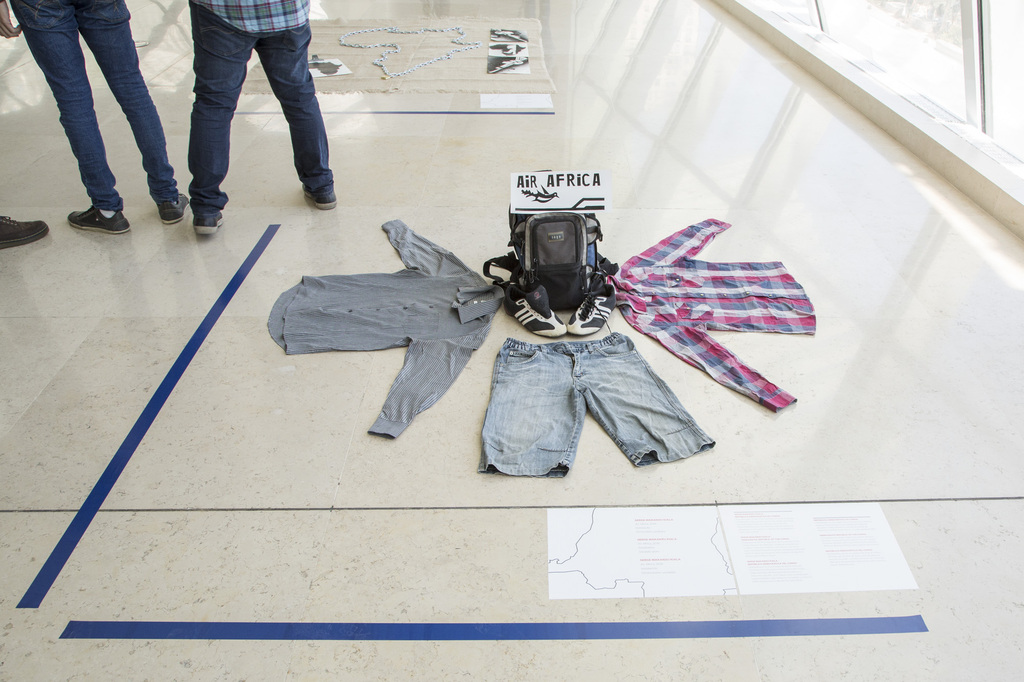
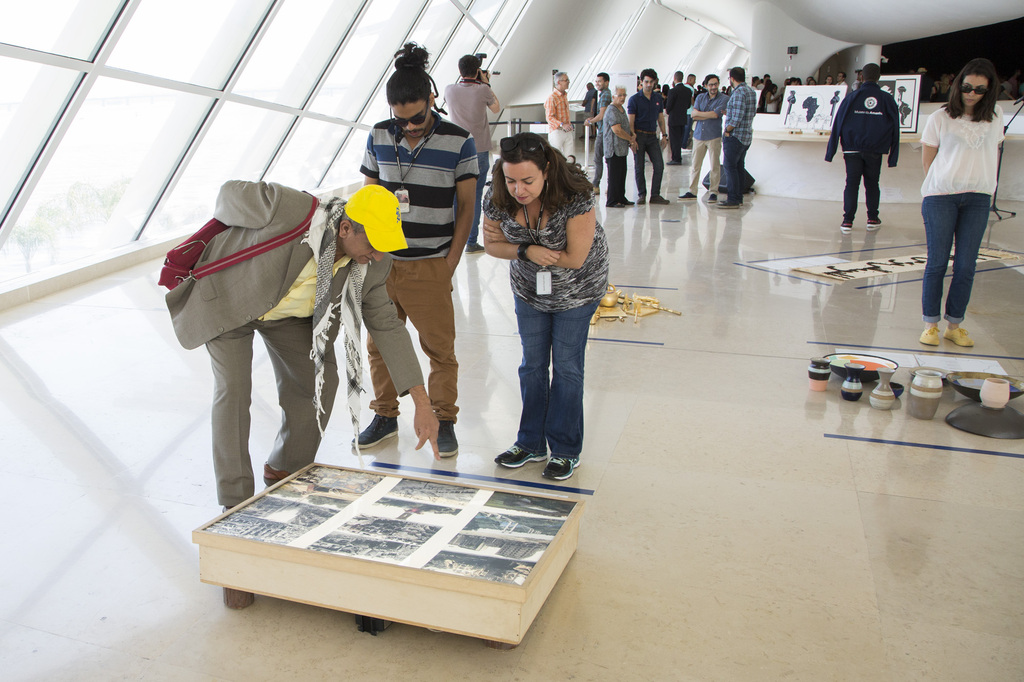
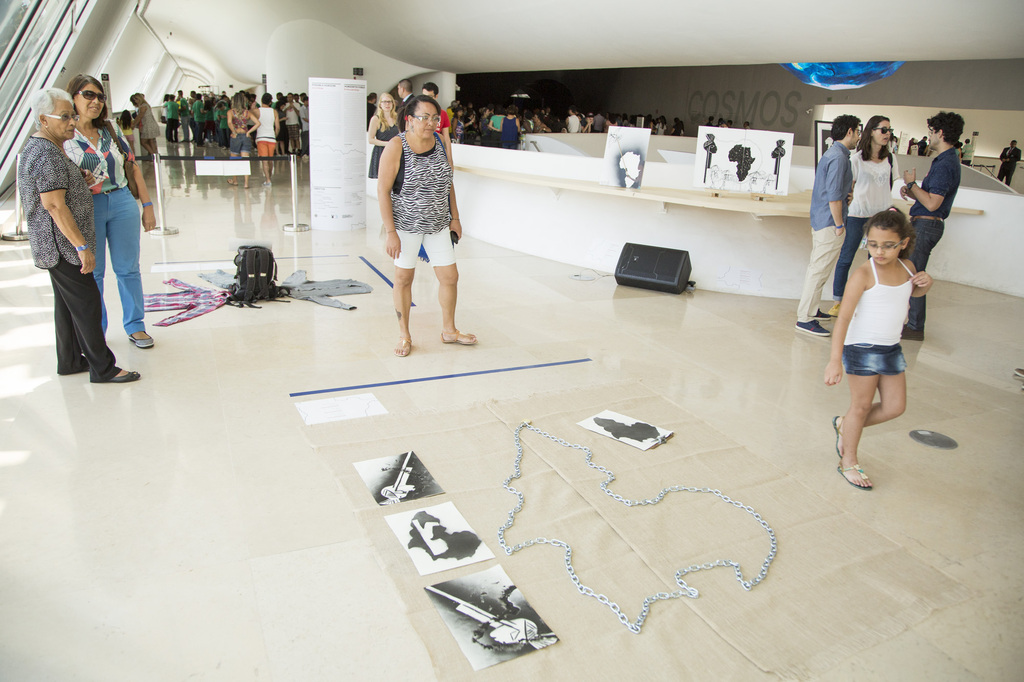
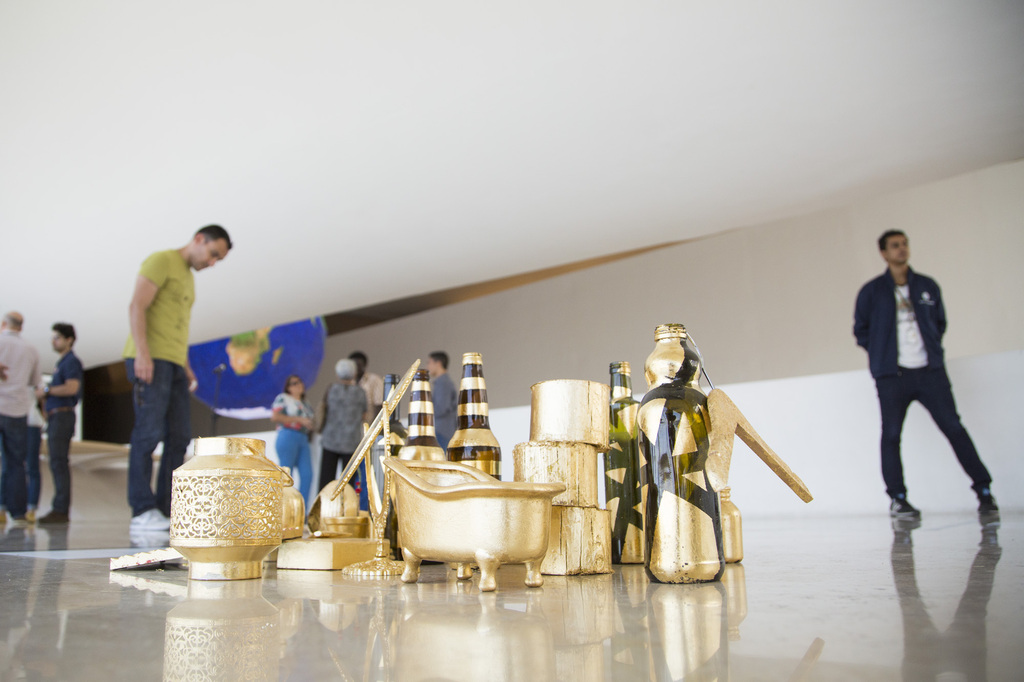
Some crossed borders after long journeys and sought asylum in other countries. Among them, Brazil. To give voice to those whose stories have been reduced to statistics or a few lines in the news, the Museum of Tomorrow, in partnership with Caritas Archdiocese of Rio de Janeiro, presents the exhibition "Possible Horizons – Art as Refuge," on display from September 13 to 25.
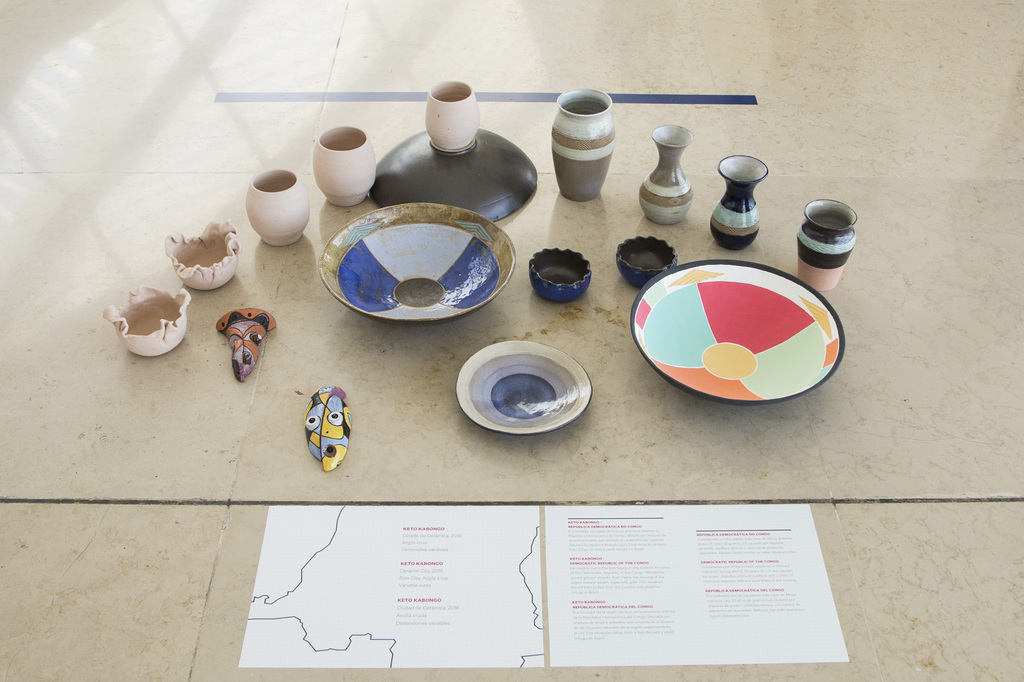
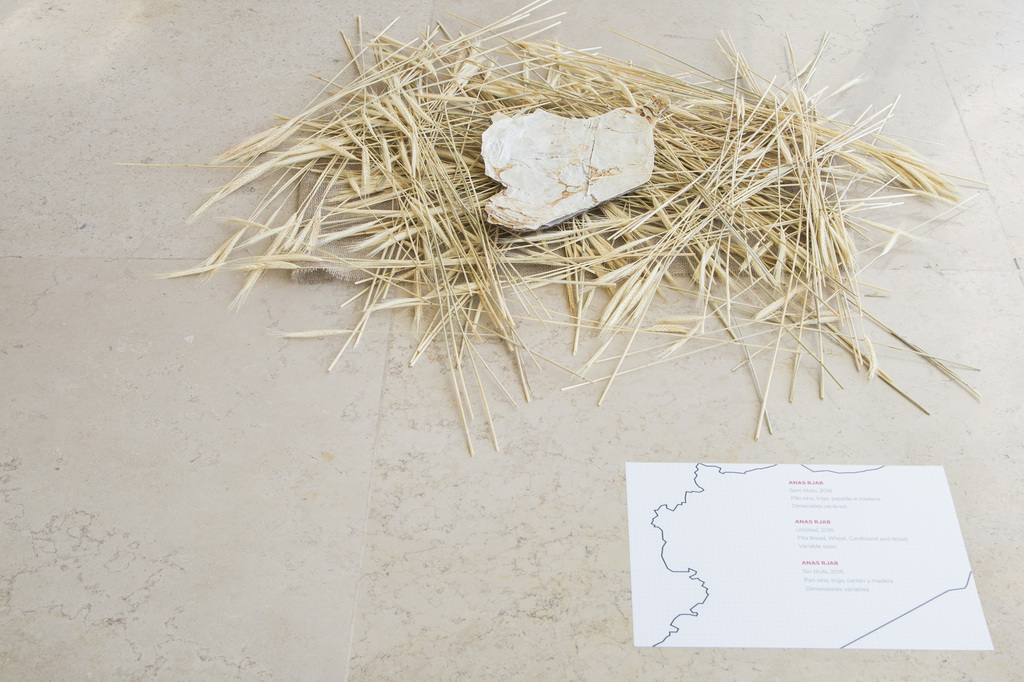
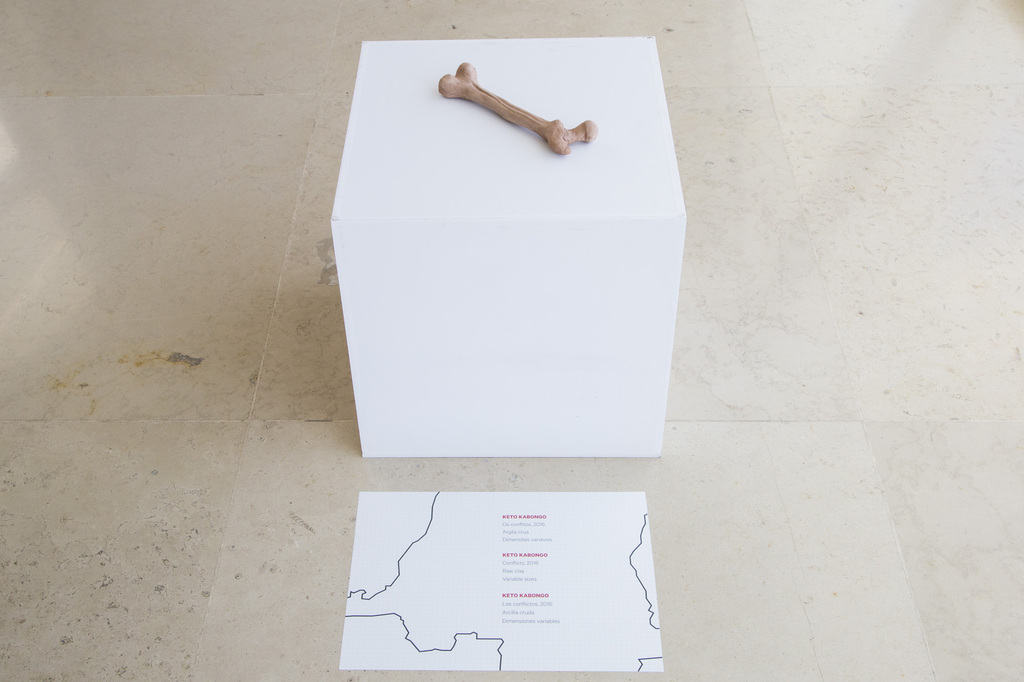
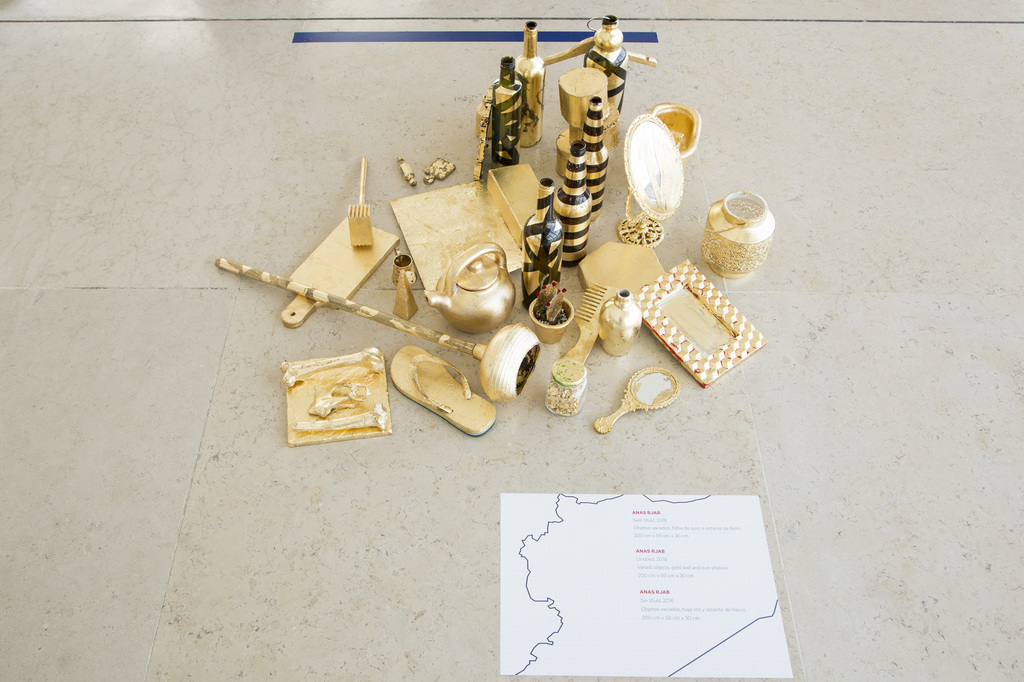
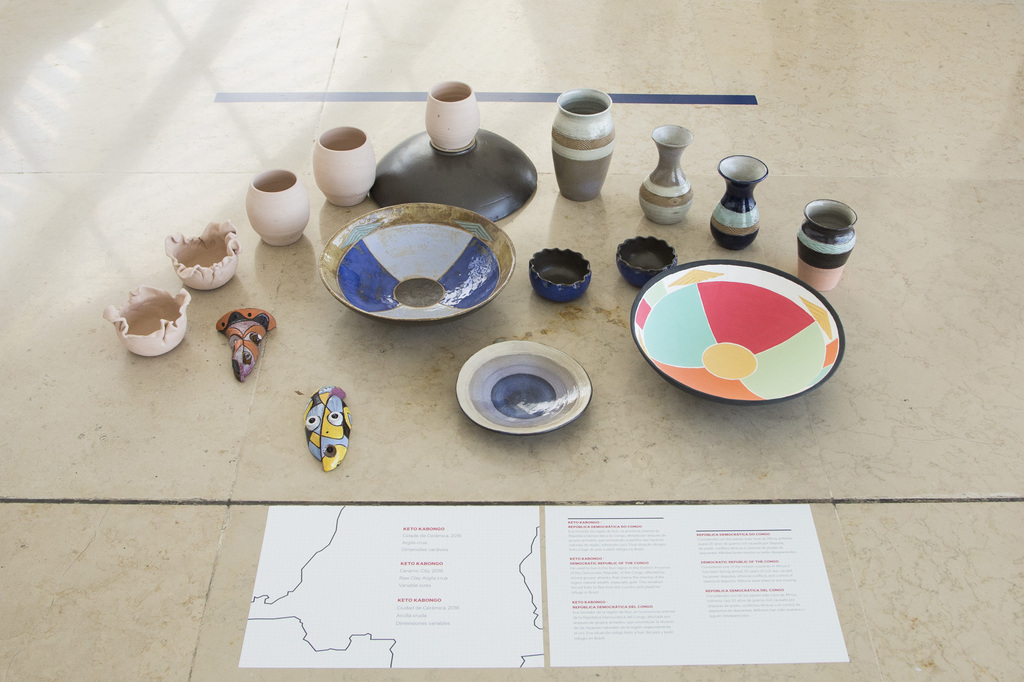
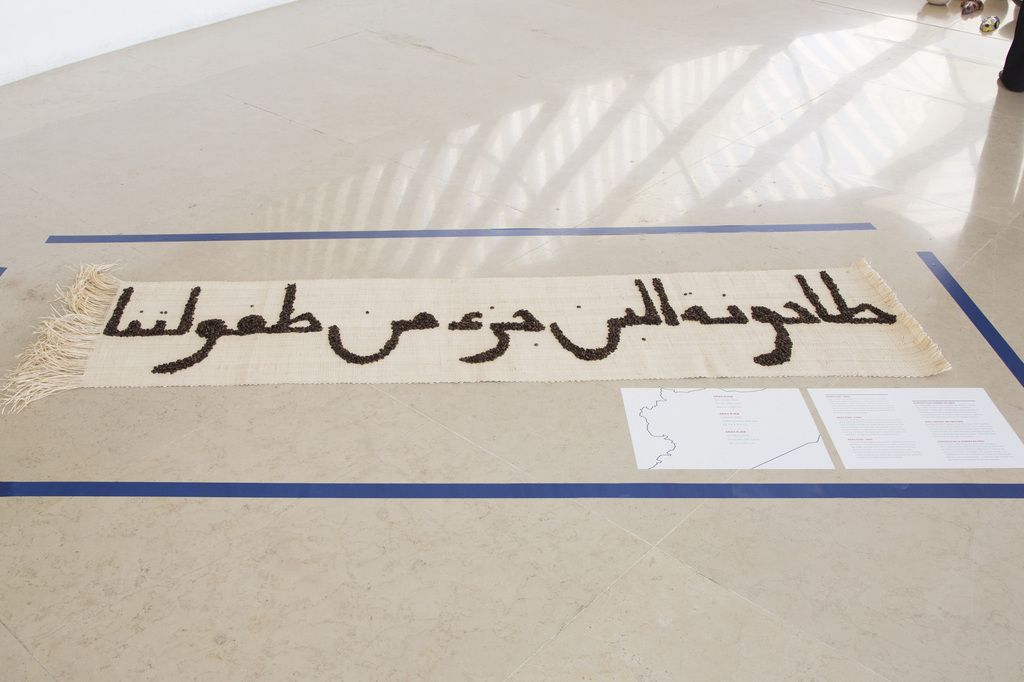
The exhibition features 11 works by four artists from Syria and the Democratic Republic of Congo who sought refuge in Rio and were included in the HARP (Humanitarian Art Research Platform) study group, coordinated by Felippe Moraes, the exhibition's curator.
A first exhibition by this group was held this year at Fábrica Bhering, in the Port Region. The idea behind HARP is to stimulate artistic practice as a way to integrate refugee artists into the Rio de Janeiro cultural scene and encourage them not to abandon their work, even after experiencing trauma.
"Before becoming a statistic, affected by serious socio-political problems in the world, they are people with subjectivity, history, and creativity to express themselves, tell their stories, and also educate the public about art, humanitarian situations, and how we can live together sharing the same space," says Felippe Moraes.
According to the curator, more than art, the exhibition will show that the other is more than a portrait of a conflict situation:
"The refugee is a person who has dreams, aspirations, and creative strength. And that can be inspiring for us," he adds.
Desde a Segunda Guerra, o mundo não vivenciava uma crise humanitária tão grave como a dos refugiados. Fugindo de guerras, conflitos armados, perseguição religiosa ou étnica, mais de 65 milhões de pessoas – a metade crianças – deixaram seu lugar de origem, segundo a ONU. Deixaram para trás suas casas e seus bens. Algumas cruzaram fronteiras depois de longas jornadas e pediram asilo a outros países. Entre eles o Brasil.Para dar voz a quem teve sua história reduzida a estatísticas ou a poucas linhas do noticiário, o Museu do Amanhã, em parceria com a Cáritas Arquidiocesana do Rio de Janeiro, apresenta a exposição “Horizontes Possíveis – Arte como Refúgio”, em cartaz de 13 a 25 de setembro. São 11 obras feitas por quatro artistas da Síria e da República Democrática do Congo que se refugiaram no Rio e foram inseridos no grupo de estudos HARP (Plataforma de Pesquisa em Arte Humanitária, na tradução da sigla em inglês) coordenado por Felippe Moraes, curador da mostra. Uma primeira exposição deste grupo já foi realizada este ano, na Fábrica Bhering, na Região Portuária. A ideia do HARP é estimular a prática artística como forma de inserir os artistas refugiados na cena cultural carioca e estimulá-los a não abandonar seus trabalhos, mesmo depois de vivenciarem traumas. - Antes de se tornarem uma estatística, por serem atingidos por graves problemas sociopolíticos do mundo, são pessoas com subjetividade, história e criatividade para se expressarem, contarem suas histórias e também educarem o público sobre arte, situações humanitárias e sobre como podemos viver juntos dividindo um mesmo espaço - afirma Felippe Moraes. De acordo com o curador, mais do que a arte, a exposição mostrará que o outro é mais do que um retrato de uma situação de conflito: - O refugiado é uma pessoa que tem sonhos, aspirações e força criativa. E isso pode ser inspirador para nós - complementa.
Desde a Segunda Guerra, o mundo não vivenciava uma crise humanitária tão grave como a dos refugiados. Fugindo de guerras, conflitos armados, perseguição religiosa ou étnica, mais de 65 milhões de pessoas – a metade crianças – deixaram seu lugar de origem, segundo a ONU. Deixaram para trás suas casas e seus bens. Algumas cruzaram fronteiras depois de longas jornadas e pediram asilo a outros países. Entre eles o Brasil.Para dar voz a quem teve sua história reduzida a estatísticas ou a poucas linhas do noticiário, o Museu do Amanhã, em parceria com a Cáritas Arquidiocesana do Rio de Janeiro, apresenta a exposição “Horizontes Possíveis – Arte como Refúgio”, em cartaz de 13 a 25 de setembro. São 11 obras feitas por quatro artistas da Síria e da República Democrática do Congo que se refugiaram no Rio e foram inseridos no grupo de estudos HARP (Plataforma de Pesquisa em Arte Humanitária, na tradução da sigla em inglês) coordenado por Felippe Moraes, curador da mostra. Uma primeira exposição deste grupo já foi realizada este ano, na Fábrica Bhering, na Região Portuária. A ideia do HARP é estimular a prática artística como forma de inserir os artistas refugiados na cena cultural carioca e estimulá-los a não abandonar seus trabalhos, mesmo depois de vivenciarem traumas. - Antes de se tornarem uma estatística, por serem atingidos por graves problemas sociopolíticos do mundo, são pessoas com subjetividade, história e criatividade para se expressarem, contarem suas histórias e também educarem o público sobre arte, situações humanitárias e sobre como podemos viver juntos dividindo um mesmo espaço - afirma Felippe Moraes. De acordo com o curador, mais do que a arte, a exposição mostrará que o outro é mais do que um retrato de uma situação de conflito: - O refugiado é uma pessoa que tem sonhos, aspirações e força criativa. E isso pode ser inspirador para nós - complementa.
Additional type
Content
Text
Possible Horizons
Art as Refuge
Horizons are unattainable lines that describe the limits of the visible world and separate it from the invisible. It is an immaterial boundary between the tangible and the intangible, and a great journey is always one that aims to surpass it, passing from one world to another. In this way, the horizon can be that contour separating the physical from the metaphysical, the past from the future, the there from the here. Thus, every horizon, in some way, is always a promise, because it inevitably places itself on that boundary between existence and non-existence, the probable and the improbable. Finally, only poetry can reach them and make them possible.
The places of departure and arrival, added to all those in between, are the result of the overlapping of various levels of understanding such as experience, imagination, and the narratives created about them. When we go somewhere, we are first going to what we imagine it to be. When we leave, all that remains is the memory of it, which, with time, will never be the same. Thus, the places presented are compendiums of stories told and lived, and when discussing refuge, one speaks first of journey, and this always lies between memory and projection.
And the exhibition uses the horizon, and its characteristic immateriality, as a conductor of artistic dialogues. When talking about refuge, there is always a tendency to reduce stories to headline lines and human beings to numerical data lost amidst labyrinths of cold information. Therefore, the aim was to give voice to each of these creative subjects to tell their stories, to expose their points of view, discussing the idea that, in truth, the earth has no borders, only horizons.
Felippe Moraes
Curator
Horizontes Possíveis
Arte como Refúgio
Horizontes são linhas inatingíveis que descrevem os limites do mundo visível e o separam daquele que é invisível. Trata-se de uma fronteira imaterial entre o tangível e o intangível e uma grande viagem é sempre aquela que pretende ultrapassá-la, passando de um mundo a outro. Desta maneira, o horizonte pode ser esse contorno separando o físico do metafísico, o passado do futuro, o lá do aqui. Assim todo horizonte, de alguma maneira, é sempre uma promessa, pois inevitavelmente coloca-se nesse limite entre a existência e a inexistência, o provável e o improvável. Por fim, somente a poesia pode alcançá-los e torná-los possíveis.
Os lugares de partida e de chegada somados a todos aqueles entre um e outro, são o resultado da sobreposição de diversos níveis de compreensão como a experiência, a imaginação e as narrativas criadas a respeito deles. Quando nos dirigimos a algum lugar, nos dirigimos antes ao que se imagina deste. Quando saímos, nos resta apenas a memória dele que, com o tempo, nunca mais será o mesmo. Assim, os lugares apresentados são compêndios de histórias contadas e vividas e, quando se discute refúgio, fala-se antes em viagem e esta situa-se sempre entre a memória e a projeção.
E exposição tem o horizonte, e sua característica imaterialidade, como condutor dos diálogos artísticos. Ao se falar sobre refúgio, há sempre uma tendência a reduzir histórias a linhas de manchete e seres humanos a dados numéricos perdidos em meio a labirintos de informação fria. Procurou-se, então, dar voz a cada um desses sujeitos criadores para contarem suas histórias, exporem seus pontos de vista, discutindo a ideia de que, em verdade, a terra não tem fronteiras, apenas horizontes.
Felippe Moraes
Curador
Keyword
Human RightsSubject
Temporary ExhibitionsSubject
Possible HorizonsSubject
GeographySubject
HistorySubject
RefugeesSubject
Notes
Art as Refuge
The exhibition features works by artists Ali Abdulla and Anas Rjab, who left Syria to escape the civil war that has been raging since 2011 and has already killed more than 280,000 people. The conflict originated with protests against the government of President Bashar al-Assad and worsened with the advance of the radical group Islamic State into the territory.
Serge Makanzu Kiala and Keto Kabongo, also part of the exhibition, crossed the Atlantic Ocean to escape the violence in their country, the Democratic Republic of Congo, one of the richest nations in Africa, which has faced armed conflict for almost 20 years, mainly caused by power struggles.
Arte como refúgio A exposição traz obras dos artistas Ali Abdulla e Anas Rjab, que deixaram a Síria para fugir da guerra civil instalada desde 2011, que já matou mais de 280 mil. O conflito teve origem com protestos contra o governo do presidente Bashar al-Assad e se agravou com o avanço do grupo radical Estado Islâmico sobre o território. Serge Makanzu Kiala e Keto Kabongo, também integrantes da mostra, cruzaram o Oceano Atlântico para fugir da violência de seu país, a República Democrática do Congo, uma das nações mais ricas da África e que enfrenta há quase 20 anos conflitos armados causados principalmente por disputas de poder.
Arte como refúgio A exposição traz obras dos artistas Ali Abdulla e Anas Rjab, que deixaram a Síria para fugir da guerra civil instalada desde 2011, que já matou mais de 280 mil. O conflito teve origem com protestos contra o governo do presidente Bashar al-Assad e se agravou com o avanço do grupo radical Estado Islâmico sobre o território. Serge Makanzu Kiala e Keto Kabongo, também integrantes da mostra, cruzaram o Oceano Atlântico para fugir da violência de seu país, a República Democrática do Congo, uma das nações mais ricas da África e que enfrenta há quase 20 anos conflitos armados causados principalmente por disputas de poder.
Credits
Credits:
Produced by: Cáritas RJ and HARP (Humanitarian Art Research Platform)
Co-produced by: Museum of Tomorrow
Curator: Felippe Moraes
Exhibition Manager and Observatory of Tomorrow: Leonardo Menezes
Content Editor: Emanuel Alencar
Content Writer: Eduardo Carvalho
Production: Luzia Silva
Cáritas RJ Communication: Diogo Felix
Cáritas RJ Institutional Relations: Aryadne Bittencourt
Intern: Thaís Cerqueira
President of the Board of Directors IDG: Fred Arruda
President Director: Ricardo Piquet
General Curator: Luiz Alberto Oliveira
Content Director: Alfredo Tolmasquim
Operations & Finance Director: Henrique Oliveira
Audience Development Director: Alexandre Fernandes Filho
Planning & Management Director: Vinícius Capillé
Fundraising Director: Renata Salles
Créditos:
Realização: Cáritas RJ e HARP (Humanitarian Art Research Platform)
Co-realização: Museu do Amanhã
Curador: Felippe Moraes
Gerente de Exposições e Observatório do Amanhã: Leonardo Menezes
Editor de Conteúdo: Emanuel Alencar
Redator de Conteúdo: Eduardo Carvalho
Produção: Luzia Silva
Comunicação Cáritas RJ: Diogo Felix
Relações Institucionais Cáritas RJ: Aryadne Bittencourt
Estagiária: Thaís Cerqueira
Presidente do Conselho de Administração IDG: Fred Arruda
Diretor Presidente: Ricardo Piquet
Curador Geral: Luiz Alberto Oliveira
Diretor de Conteúdo: Alfredo Tolmasquim
Diretor de Operações & Finanças: Henrique Oliveira
Diretor de Desenvolvimento de Públicos: Alexandre Fernandes Filho
Diretor de Planejamento & Gestão: Vinícius Capillé
Diretora Captação de Recursos: Renata Salles
Assets
Image10
Is Part Of