
General Info
Identifier
MDA.EXP.00063
Name
Water Pantanal Fire
Água Pantanal Fogo
Água Pantanal Fogo
Description
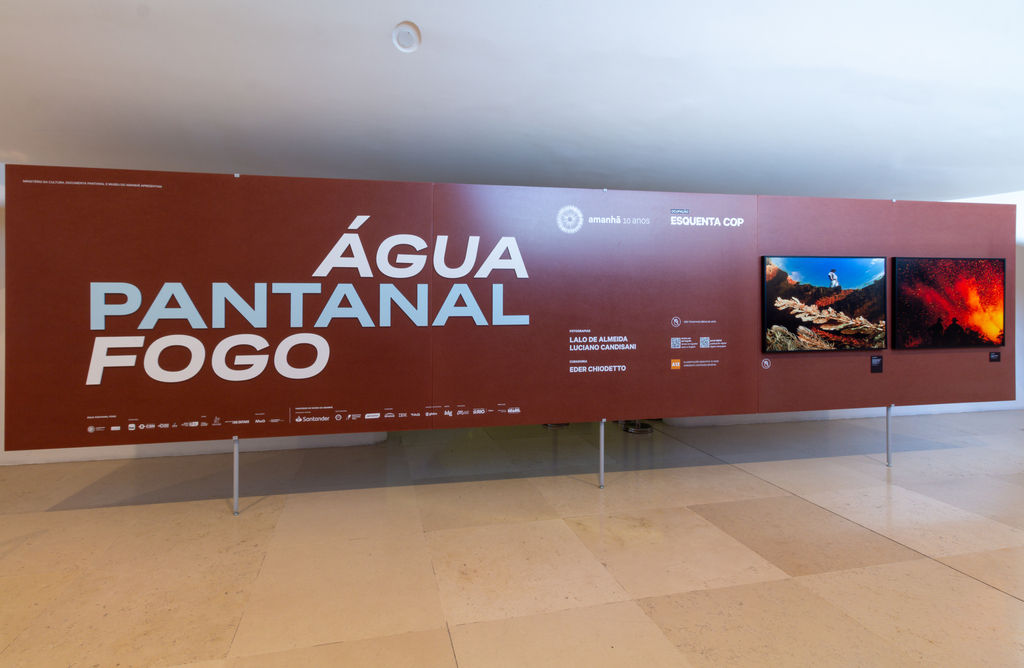
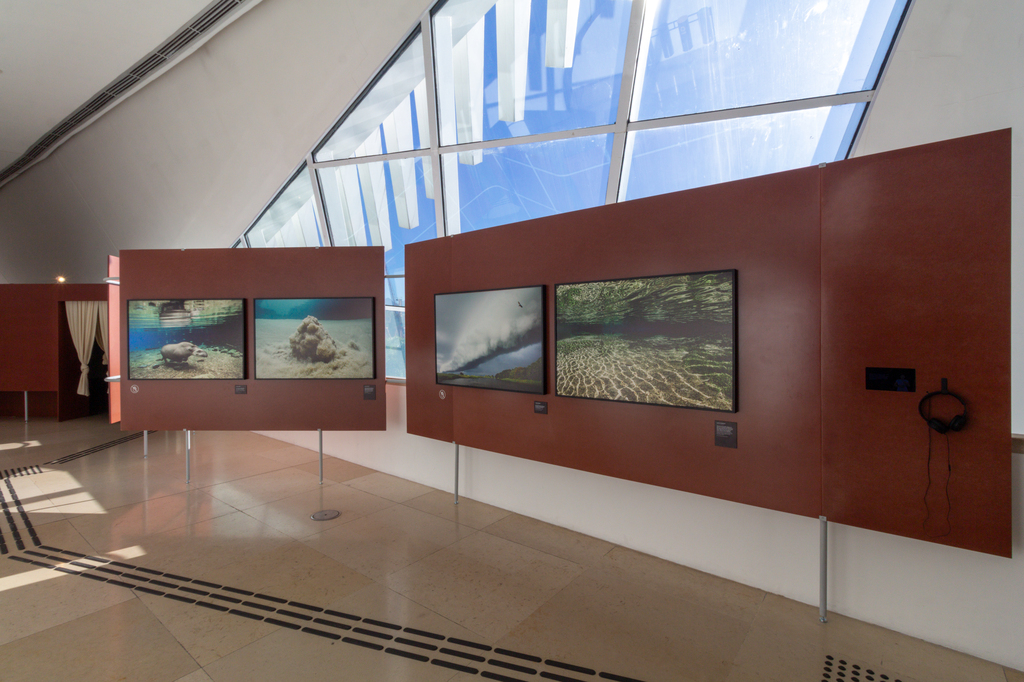
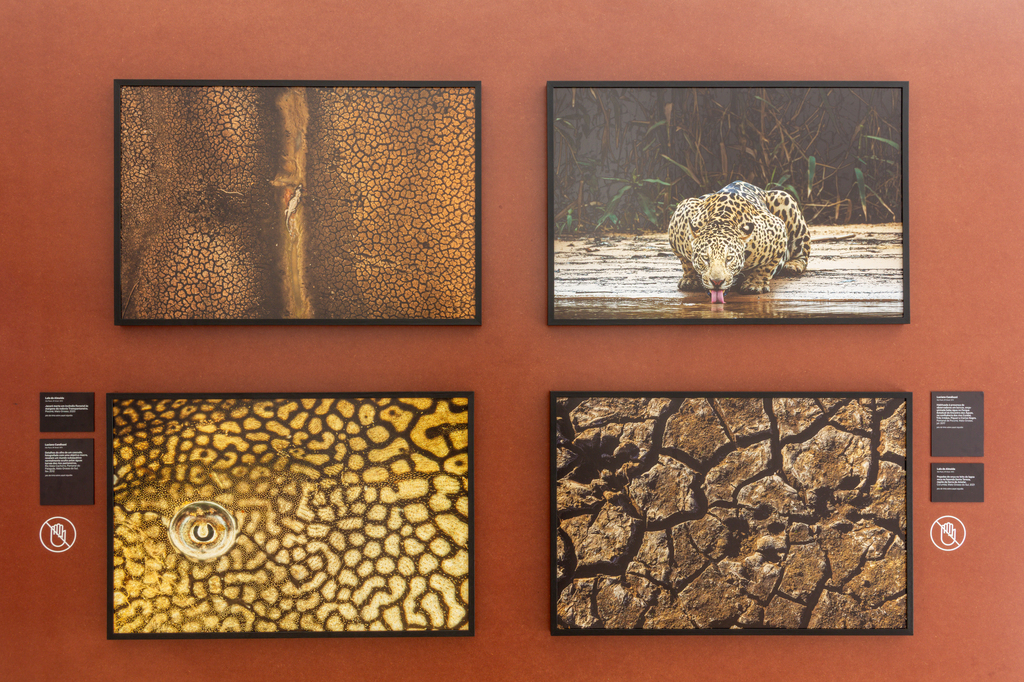
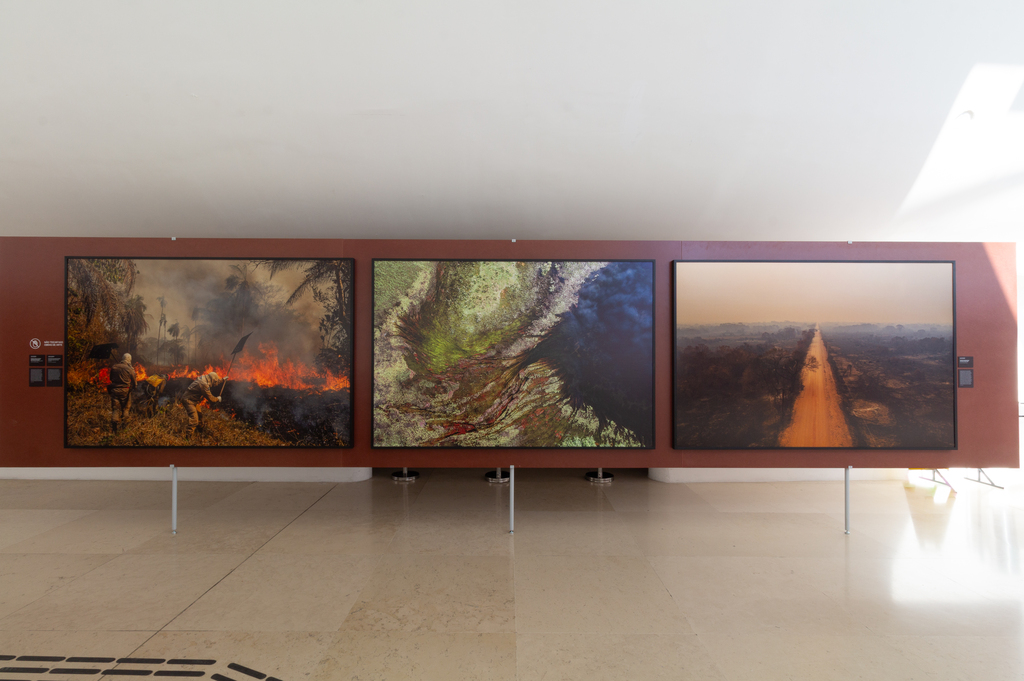
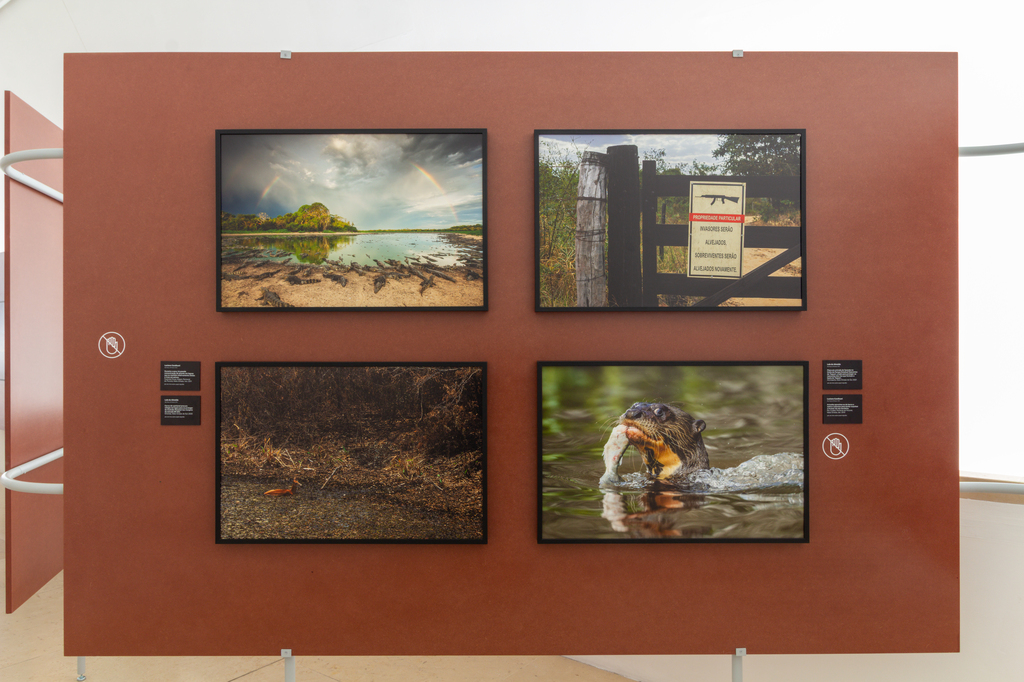
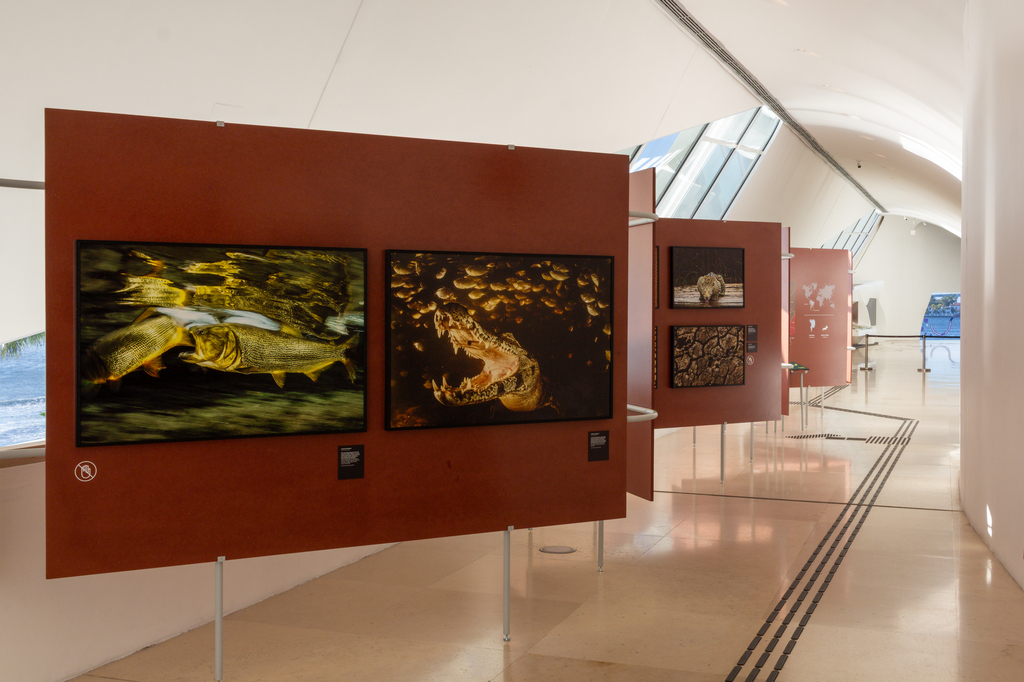
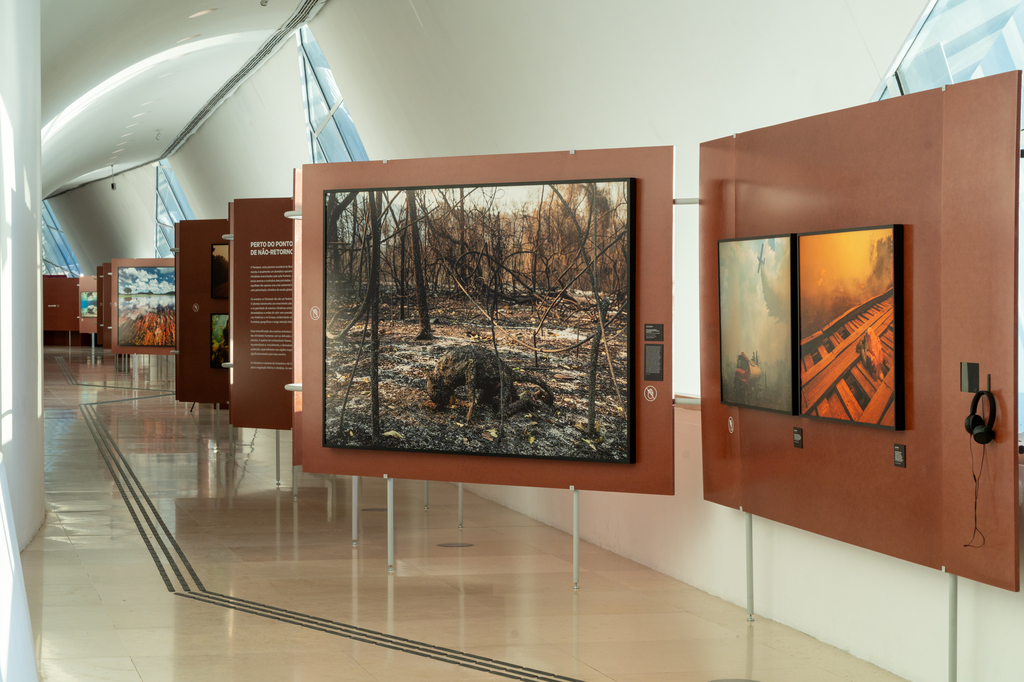
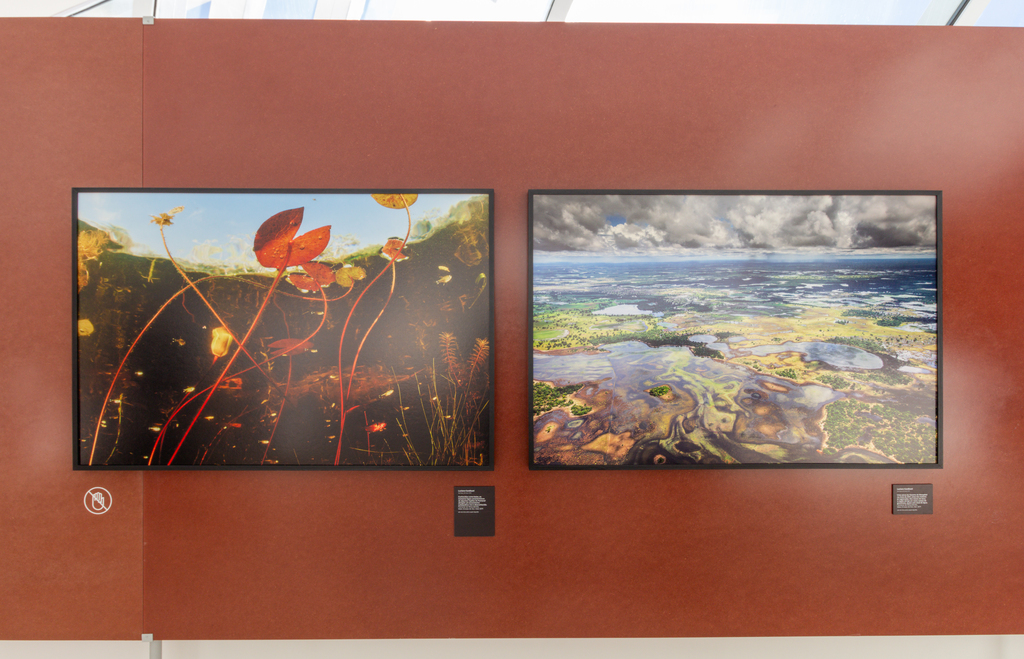
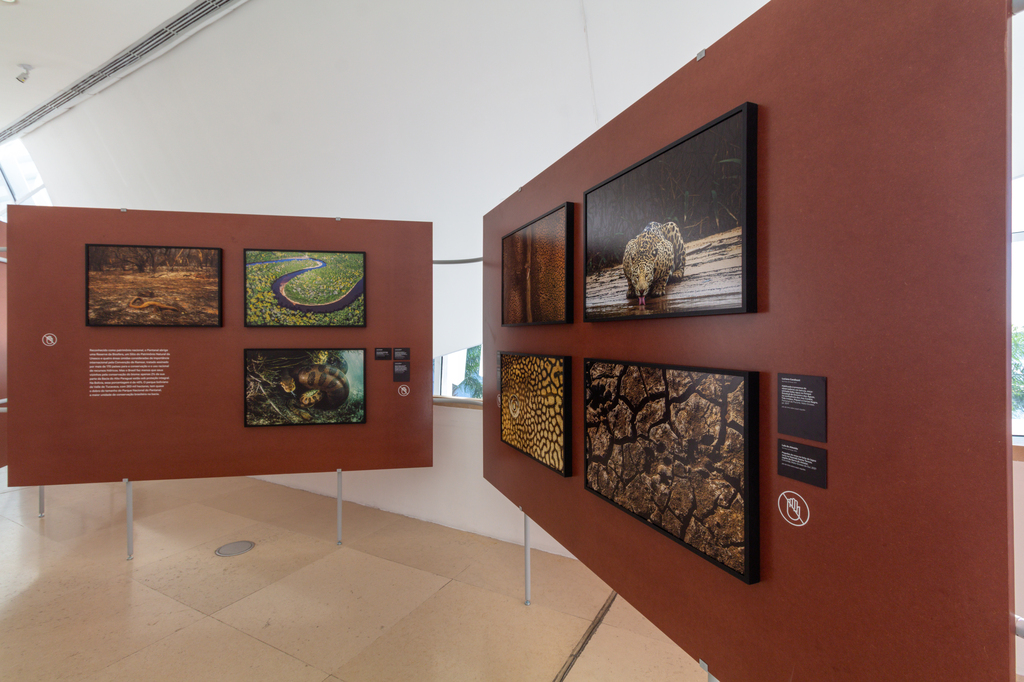
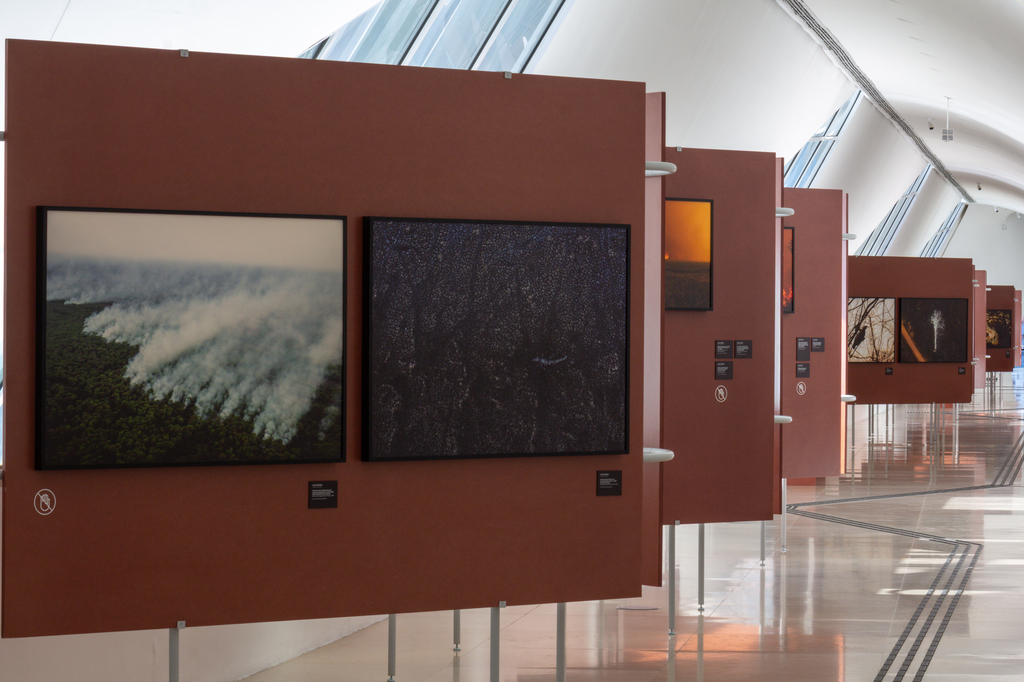
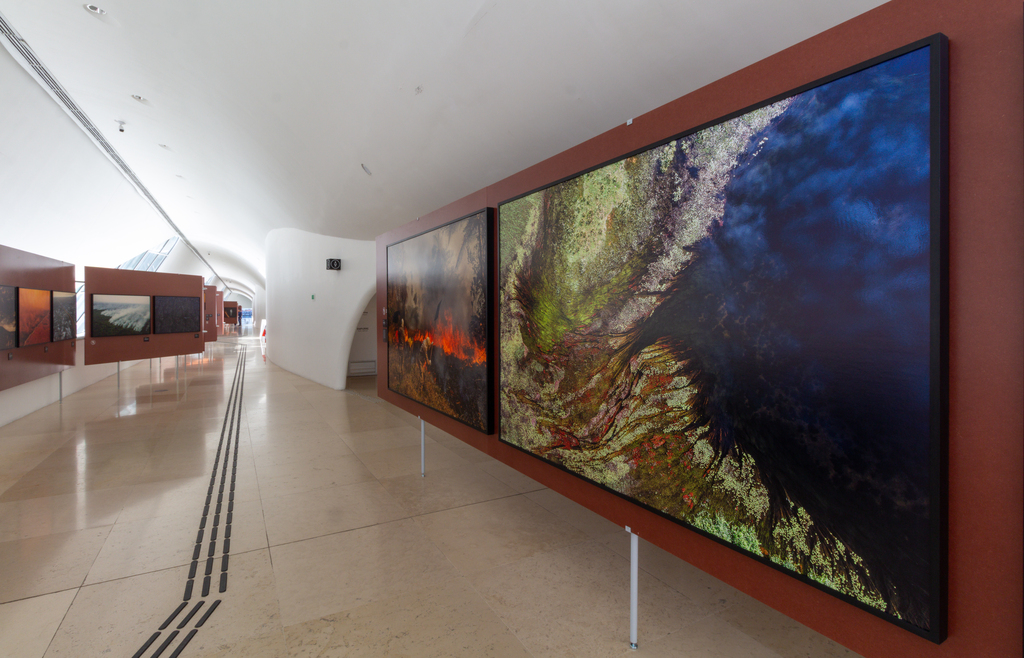
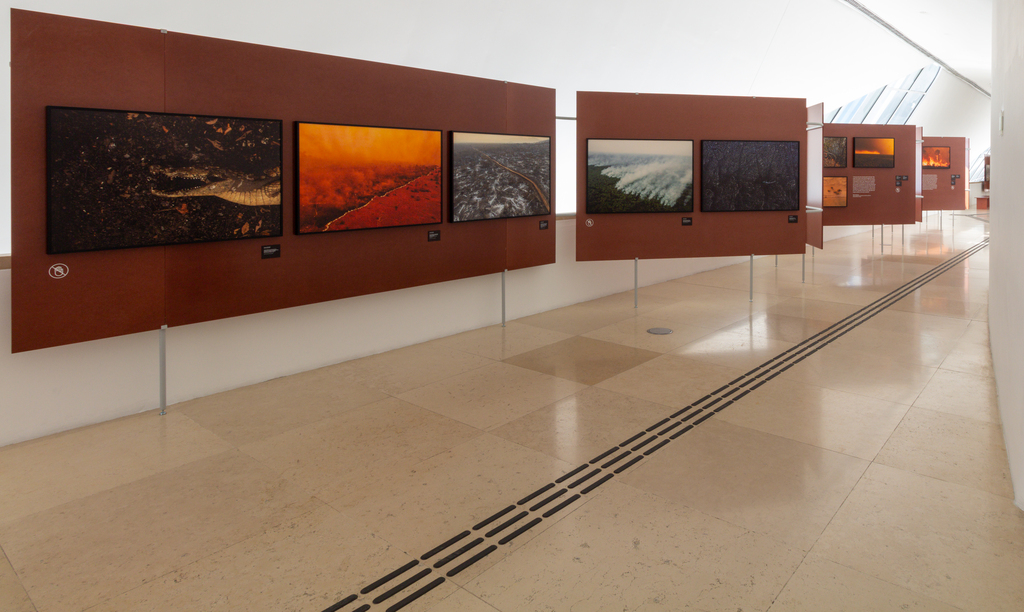
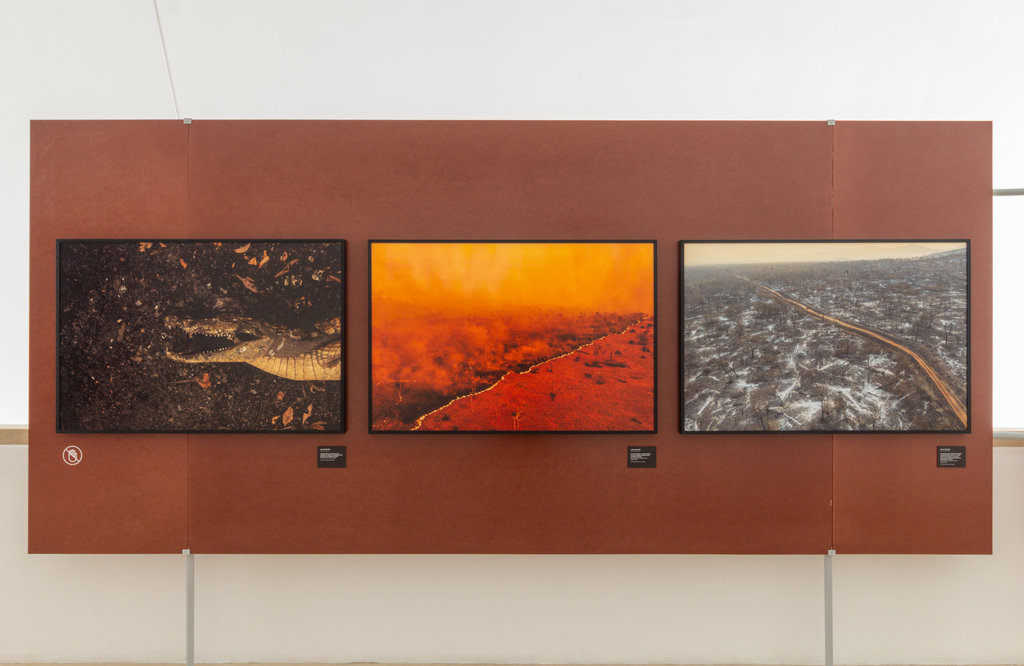
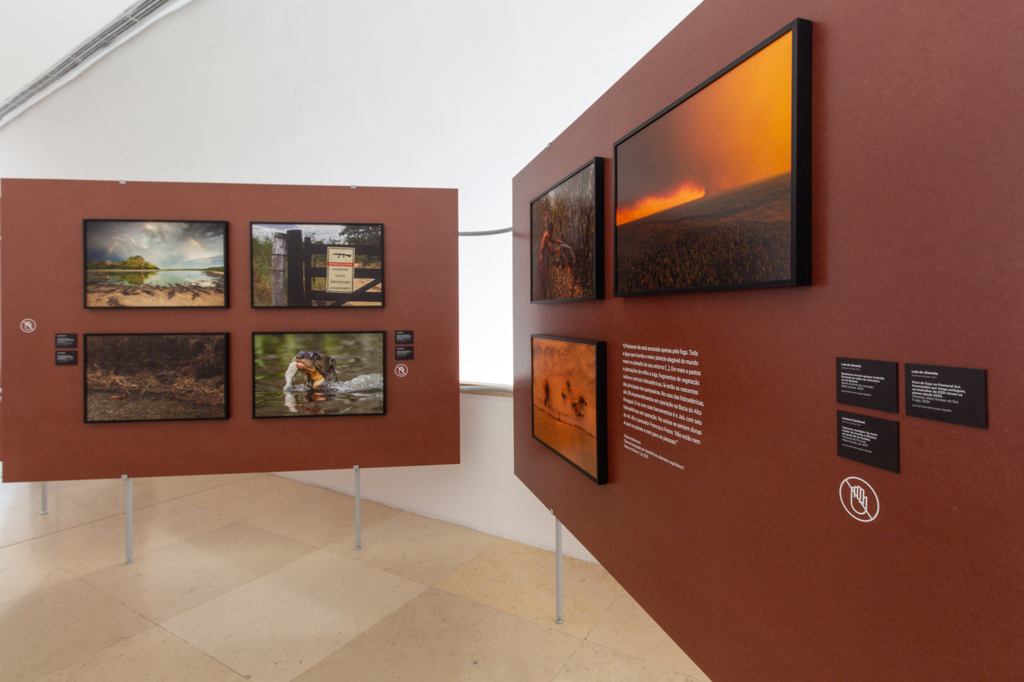
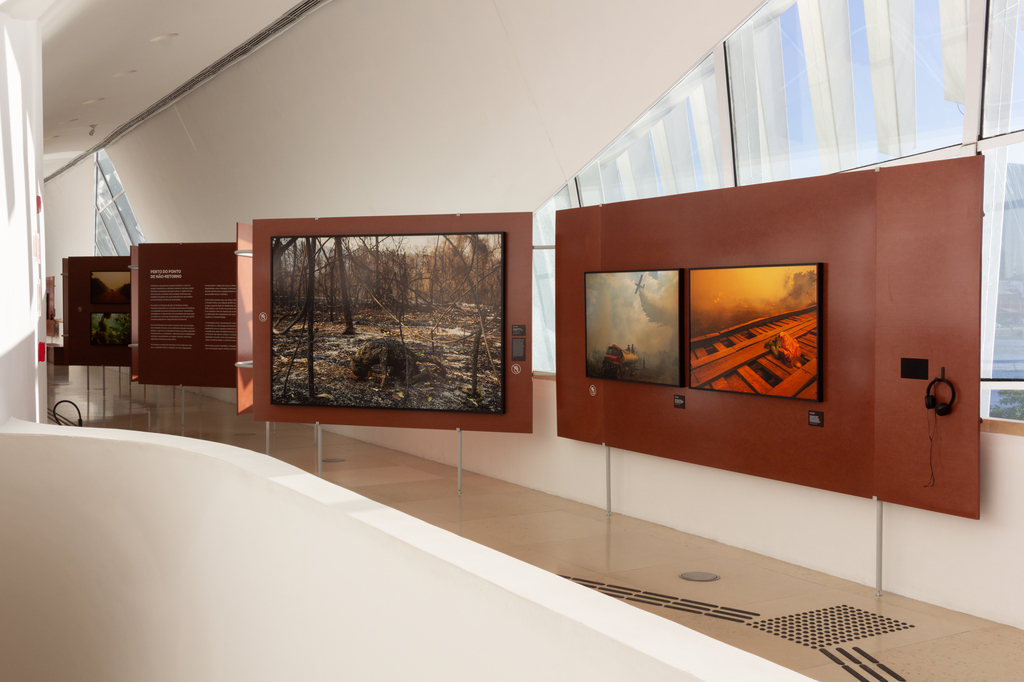
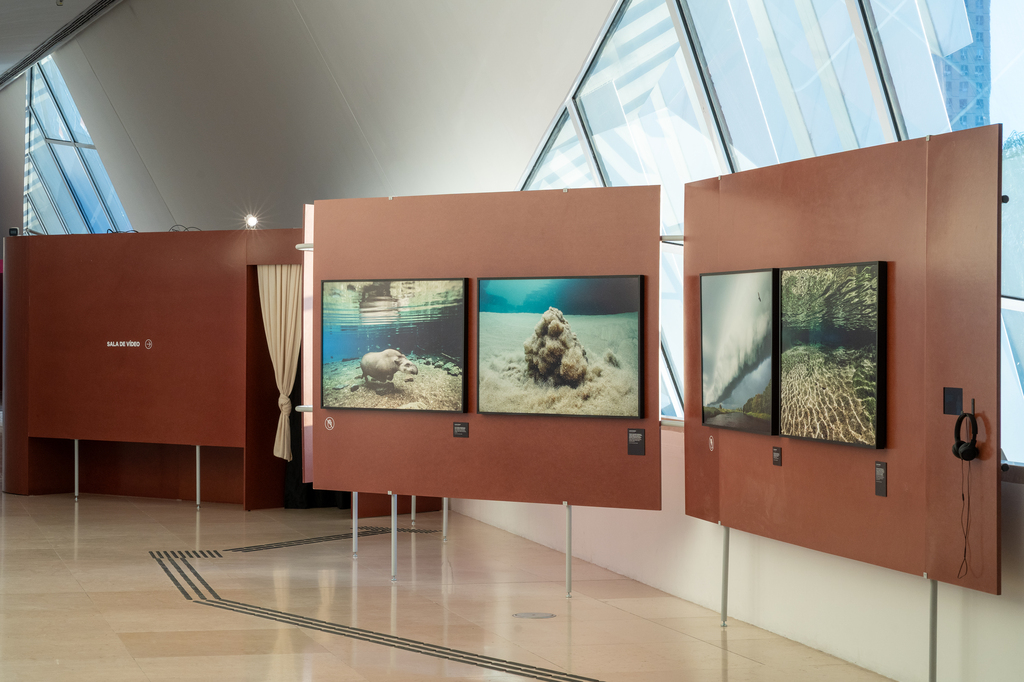
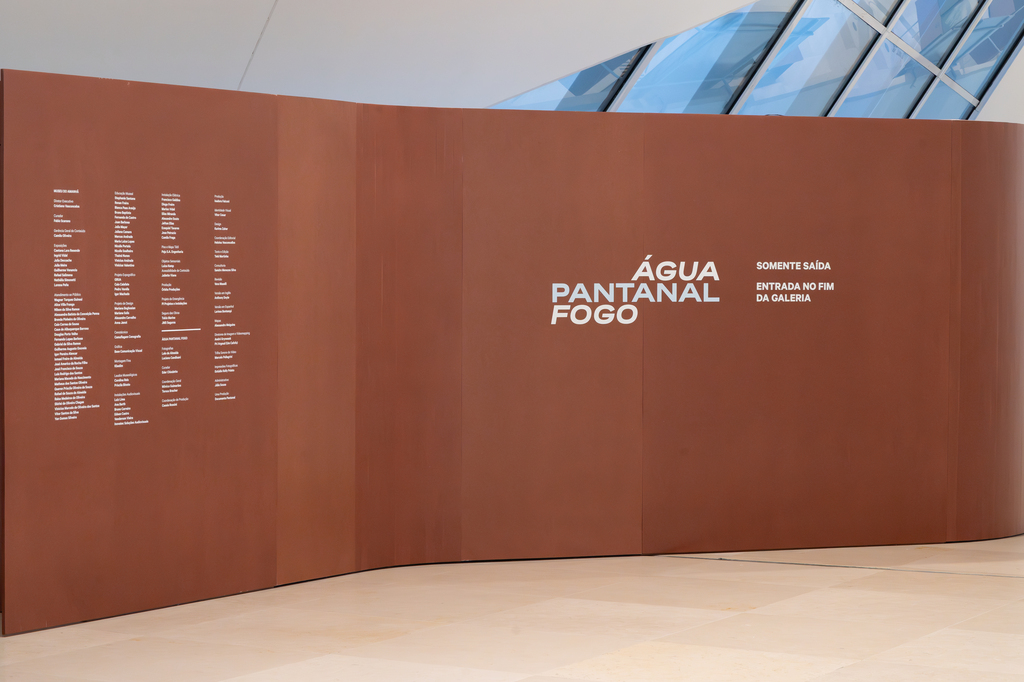
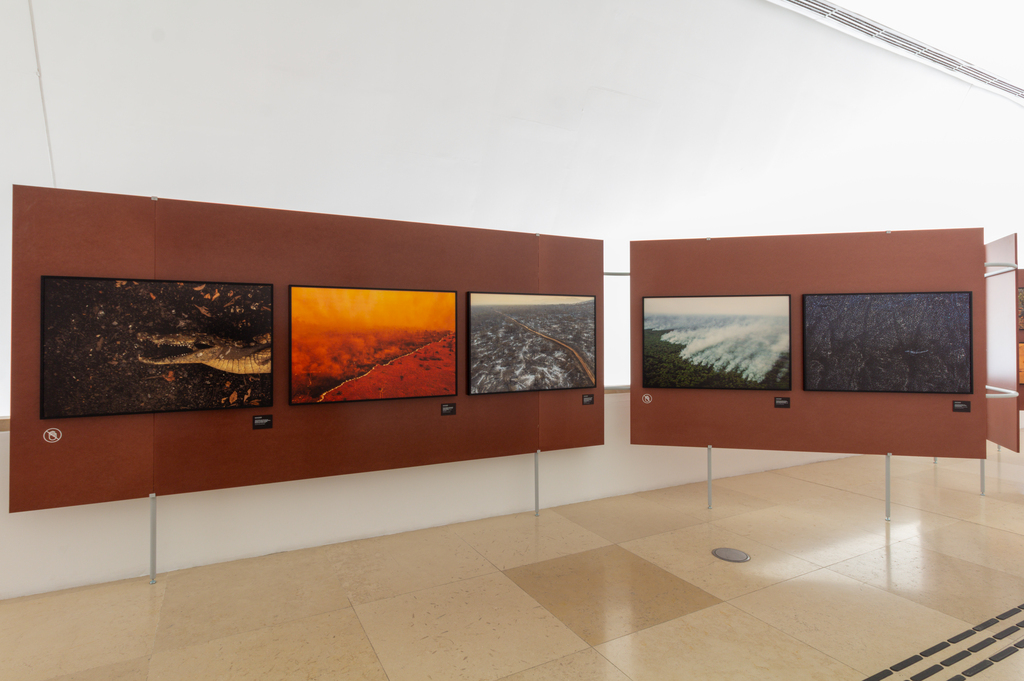
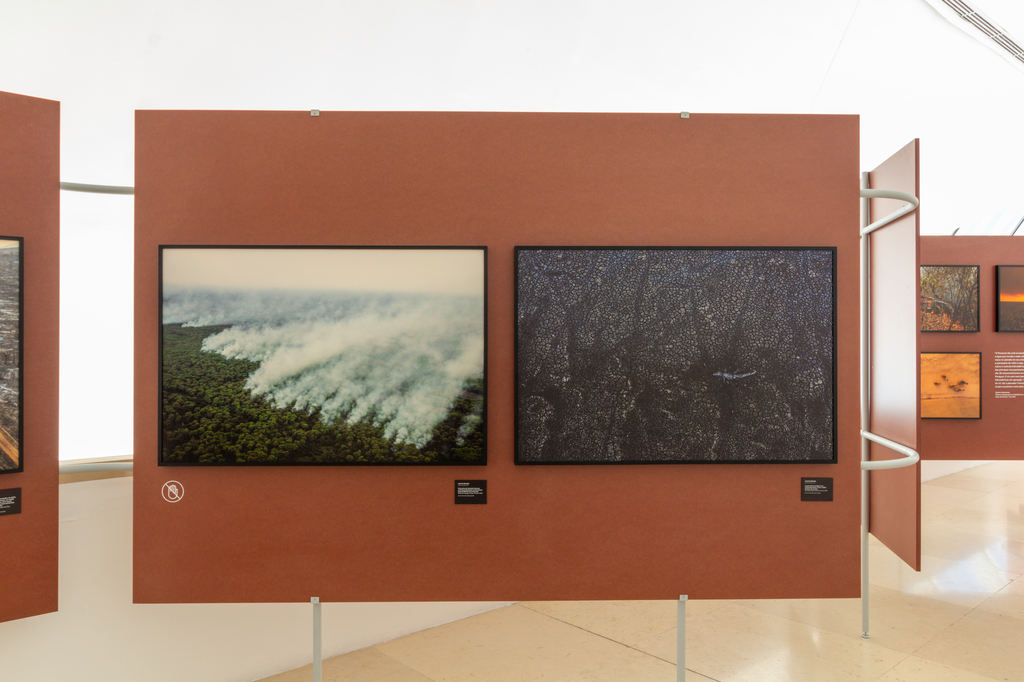
The exhibition “Water, Pantanal, Fire” reveals the grandeur and fragility of the Pantanal, the world's largest wetland, amidst the context of the climate crisis. Through powerful images captured by renowned photographers Lalo de Almeida and Luciano Candisani, the exhibition contrasts the exuberant beauty of the Pantanal's waters and biodiversity with the devastating effects of drought and fires that have marked the region in recent years.
Organized as a visual and sensitive manifesto, the exhibition explores the balance between the elements—from the water that sustains life to the fire that destroys—and invites the public to reflect on the human relationship with ecosystems. The curatorship of Eder Chiodetto highlights not only the aesthetic dimension of the photographs, but also their role in raising awareness about the impacts of climate change and human action on the biome.
More than documenting extreme natural events, the exhibition proposes an invitation to awareness and action, connecting art, science, and emotion to emphasize the urgency of preserving not only the Pantanal, but the global environmental balance. By making visible the intensity of the ongoing transformations, the exhibition encourages visitors to rethink attitudes and reflect on the future we are building.
A exposição “Água, Pantanal, Fogo” revela a grandiosidade e a fragilidade do Pantanal, a maior planície inundável do mundo, em meio ao contexto da crise climática. Por meio de poderosas imagens capturadas pelos renomados fotógrafos Lalo de Almeida e Luciano Candisani, a mostra contrapõe a exuberante beleza das águas e da biodiversidade pantaneira com os efeitos devastadores da seca e dos incêndios que têm marcado a região nos últimos anos. Organizada como um manifesto visual e sensível, a exposição explora o equilíbrio entre os elementos — da água que sustenta a vida ao fogo que destrói — e convida o público a refletir sobre a relação humana com os ecossistemas. A curadoria de Eder Chiodetto destaca não apenas a dimensão estética das fotografias, mas também o seu papel de alerta sobre os impactos das mudanças climáticas e da ação humana sobre o bioma. Mais do que documentar eventos naturais extremos, a mostra propõe um convite à consciência e à ação, conectando arte, ciência e emoção para enfatizar a urgência de preservar não só o Pantanal, mas o equilíbrio ambiental global. Ao tornar visível a intensidade das transformações em curso, a exposição estimula o visitante a repensar atitudes e refletir sobre o futuro que estamos construindo.
A exposição “Água, Pantanal, Fogo” revela a grandiosidade e a fragilidade do Pantanal, a maior planície inundável do mundo, em meio ao contexto da crise climática. Por meio de poderosas imagens capturadas pelos renomados fotógrafos Lalo de Almeida e Luciano Candisani, a mostra contrapõe a exuberante beleza das águas e da biodiversidade pantaneira com os efeitos devastadores da seca e dos incêndios que têm marcado a região nos últimos anos. Organizada como um manifesto visual e sensível, a exposição explora o equilíbrio entre os elementos — da água que sustenta a vida ao fogo que destrói — e convida o público a refletir sobre a relação humana com os ecossistemas. A curadoria de Eder Chiodetto destaca não apenas a dimensão estética das fotografias, mas também o seu papel de alerta sobre os impactos das mudanças climáticas e da ação humana sobre o bioma. Mais do que documentar eventos naturais extremos, a mostra propõe um convite à consciência e à ação, conectando arte, ciência e emoção para enfatizar a urgência de preservar não só o Pantanal, mas o equilíbrio ambiental global. Ao tornar visível a intensidade das transformações em curso, a exposição estimula o visitante a repensar atitudes e refletir sobre o futuro que estamos construindo.
Additional type
Thematic Axis
Communities and TerritoriesThematic Axis
FuturesThematic Axis
NatureThematic Axis
SustainabilityThematic Axis
Content
Text
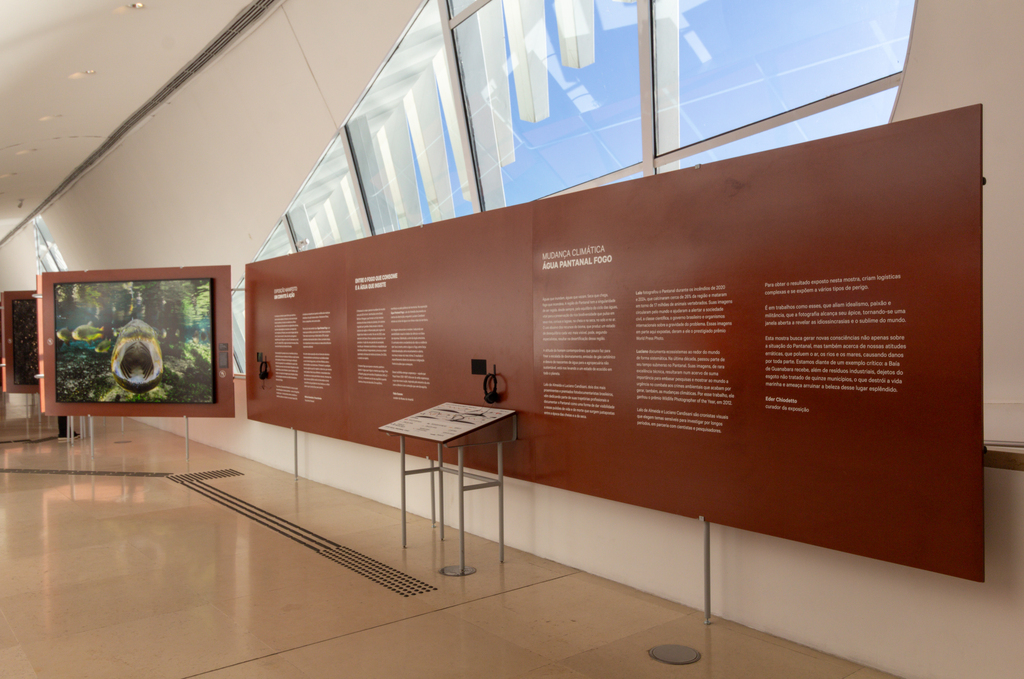
Climate Change: Water, Pantanal, Fire
Flooding waters, receding waters. Drought arrives, fire ignites. The Pantanal region has the unique characteristic of always being governed by the balance of the water cycle, vital for the preservation of the rich biodiversity that pulsates in its rivers, streams, and lagoons, during floods and droughts, in the soil and in the air. The abusive use of the biome's resources, which produces an increasingly visible state of imbalance, could, according to experts, result in the desertification of this region.
The attitude of contemporary man, who does little to curb the escalation of deforestation, carbon dioxide emissions, and the diversion of water sources for unsustainable agriculture, is leading us to a state of ecocide across the planet.
Lalo de Almeida and Luciano Candisani, two of the most prominent and award-winning Brazilian photojournalists, have dedicated part of their professional careers to documenting the Pantanal as a way of giving visibility to these life and death impulses that arise juxtaposed between the flood and dry seasons.
Lalo photographed the Pantanal during the 2020 and 2024 fires, which burned about 26% of the region and killed around 17 million vertebrate animals. His images circulated around the world and helped alert civil society, the scientific community, the Brazilian government, and international organizations to the seriousness of the problem. These images, some of which are exhibited here, earned him the prestigious World Press Photo award.
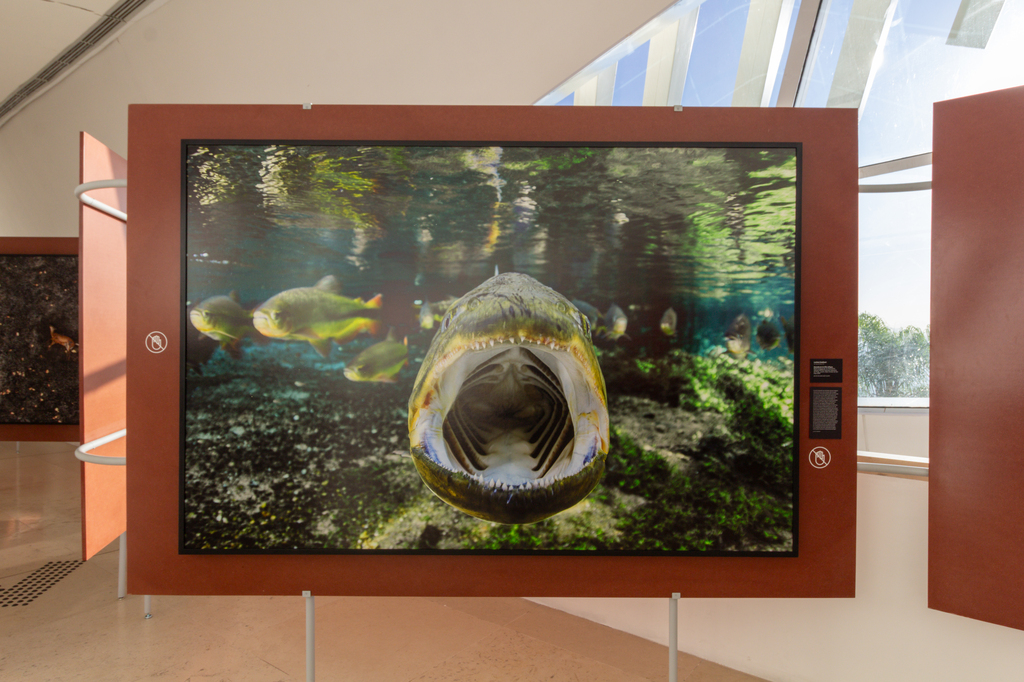
Luciano systematically documents ecosystems around the world. For the last decade, he has spent part of his time submerged in the Pantanal. His images, of rare technical excellence, have resulted in a collection of paramount importance for supporting research and showing the world the urgency in combating environmental crimes that also generate climate change. For this work, he won the Wildlife Photographer of the Year award in 2012.
Lalo de Almeida and Luciano Candisani are visual chroniclers who choose sensitive themes to investigate over long periods, in partnership with scientists and researchers. To achieve the results shown in this exhibition, they create complex logistics and expose themselves to various types of danger.
It is in works like these, which combine idealism, passion, and activism, that photography reaches its peak, becoming an open window to reveal the idiosyncrasies and the sublime of the world.
This exhibition seeks to generate new awareness not only about the situation of the Pantanal, but also about our erratic attitudes, which pollute the air, rivers, and seas, causing damage everywhere. We are facing a critical example: Guanabara Bay receives, in addition to industrial waste, untreated sewage from fifteen municipalities, which destroys marine life and threatens to ruin the beauty of this splendid place.
Eder Chiodetto, curator of the exhibition
Mudança climática: Água Pantanal Fogo
Águas que inundam, águas que vazam. Seca que chega, fogo que incendeia. A região do Pantanal tem a singularidade de ser regida, desde sempre, pelo equilíbrio do ciclo das águas, vital para a preservação da rica biodiversidade que pulsa em seus rios, corixos e lagoas, na cheia e na seca, no solo e no ar. O uso abusivo dos recursos do bioma, que produz um estado de desequilíbrio cada vez mais visível, pode, segundo especialistas, resultar na desertificação dessa região
A atitude do homem contemporâneo, que pouco faz para frear a escalada de desmatamento, emissão de gás carbônico e desvio de nascentes de água para a agropecuária não sustentável, está nos levando a um estado de ecocídio em todo o planeta
Lalo de Almeida e Luciano Candisani, dois dos mais proeminentes e premiados fotodocumentaristas brasileiros, vêm dedicando parte de suas trajetórias profissionais a documentar o Pantanal como uma forma de dar visibilidade a essas pulsões de vida e de morte que surgem justapostas entre a época das cheias e a da seca
Lalo fotografou o Pantanal durante os incêndios de 2020 e 2024, que calcinaram cerca de 26% da região e mataram em torno de 17 milhões de animais vertebrados. Suas imagens circularam pelo mundo e ajudaram a alertar a sociedade civil, a classe científica, o governo brasileiro e organismos internacionais sobre a gravidade do problema. Essas imagens, em parte aqui expostas, deram a ele o prestigiado prêmio World Press Photo
Luciano documenta ecossistemas ao redor do mundo de forma sistemática. Na última década, passou parte de seu tempo submerso no Pantanal. Suas imagens, de rara excelência técnica, resultaram num acervo de suma importância para embasar pesquisas e mostrar ao mundo a urgência no combate aos crimes ambientais que acabam por gerar, também, as mudanças climáticas. Por esse trabalho, ele ganhou o prêmio Wildlife Photographer of the Year, em 2012
Lalo de Almeida e Luciano Candisani são cronistas visuais que elegem temas sensíveis para investigar por longos períodos, em parceria com cientistas e pesquisadores. Para obter o resultado exposto nesta mostra, criam logísticas complexas e se expõem a vários tipos de perigo
É em trabalhos como esses, que aliam idealismo, paixão e militância, que a fotografia alcança seu ápice, tornando-se uma janela aberta a revelar as idiossincrasias e o sublime do mundo
Esta mostra busca gerar novas consciências não apenas sobre a situação do Pantanal, mas também acerca de nossas atitudes erráticas, que poluem o ar, os rios e os mares, causando danos por toda parte. Estamos diante de um exemplo crítico: a Baía de Guanabara recebe, além de resíduos industriais, dejetos do esgoto não tratado de quinze municípios, o que destrói a vida marinha e ameaça arruinar a beleza desse lugar esplêndido
Eder Chiodetto, curador da exposição
Keyword
BiomesSubject
Eco-anxietySubject
Climate EmergencySubject
PhotographySubject
Climate JusticeSubject
Climate ChangeSubject
PollutionSubject
PreservationSubject
Notes
The Pantanal is the world's largest wetland: approximately 200,000 km², equivalent to the combined territories of Portugal, the Netherlands, Belgium, and Switzerland. It's a system regulated by large annual natural floods, characteristic of the region and influenced by the Andean snowmelt in the summer. In 2020, this sanctuary of fauna, flora, and people witnessed a paradox. The stupidity of a certain fraction of humanity, encouraged by monsters disguised as politicians, caused the largest criminal fire in the biome's history. In 2024, the scenario repeated itself.
The same fire that warms and enchants, burns and destroys. The water that irrigates is the same that drowns. For the pre-Socratic Greek philosopher Empedocles (495 BC - 430 BC), an element is thrown out of balance when the dominant force is hatred and anger. On the other hand, an element in balance is a product of the force of love. In the exhibition “Water, Pantanal, Fire,” Lalo de Almeida documents the fire of hatred, while Luciano Candisani portrays the flood of love. The images denounce and inform, giving form and content to scientific data and newspaper reports. Above all, the duo's art evokes emotion. The contrast between the exuberance of life and the violence of crime that leads to death, between water and fire, between good and evil, between love and hate, between enchantment and fear, takes us to our most intimate roots. The result is wonder at the beauty of nature and indignation at stupidity, crime, and impunity. From this whirlwind emerges hope, the kind that Paulo Freire (1921-1997) said comes from the verb "to hope" and that leads us to action, inspired by the encounter of art with science and with the emotion that comes from the spirit.
Fabio Scarano, curator of the Museum of Tomorrow
___________________________________________________________
Exhibition-Manifesto: An Invitation to Action
The threats to the delicate water regime that sustains the enormous biodiversity of the Pantanal, one of the six main Brazilian biomes, have become evident in recent years. Affected by deforestation in the nearby highlands, which leaves the springs and banks of the rivers that form the Pantanal unprotected, this world of water, described as an "earthly paradise" by the first Portuguese and Spanish who arrived there in the 16th century, is becoming increasingly dry. Worse: since 2020, the region has been burning before our eyes, in a historic series of forest fires.
This exhibition was conceived as a manifesto against the severe losses that climate change and human action have been imposing on the Pantanal, in a long (and continuous) history of aggression. It was the sensitivity of curator Eder Chiodetto that brought together two of the greatest photographers working in Brazil today, Lalo de Almeida and Luciano Candisani, to compose a set of images that contrasts the vibrant beauty of the Pantanal landscape with the devastating effects of drought and fire.
What drives Documenta Pantanal is the belief in the power of potent cultural manifestations – such as the photographs gathered here – to document, alert, sensitize, and mobilize audiences in Brazil and around the world. Since 2019, the initiative has strived to highlight the effects of climate change and human action on the Pantanal in films, books, and campaigns, among other actions.
For us, it makes perfect sense to bring Water Pantanal Fire to a museum dedicated to exploring our possible futures. Even more so in the year that Brazil hosts COP, the main international conference on climate, and at the same time sees so many threats emerging to our still deficient environmental regulations.
At the heart of this exhibition is a biome of internationally recognized importance for its biodiversity and as a source of fresh water, and of strong influence on the Brazilian and South American climate. The Pantanal is the paradigm of an urgency that concerns all of us who live on this planet. More than defending the obvious need to conserve our natural heritage, we are interested here in calling on increasingly wider audiences to become aware of the gravity of the climate crisis and to reflect on what needs to be done to contain it.
Mônica Guimarães and Teresa Bracher (Documenta Pantanal)
___________________________________________________________
Exposition Texts
Land of Water
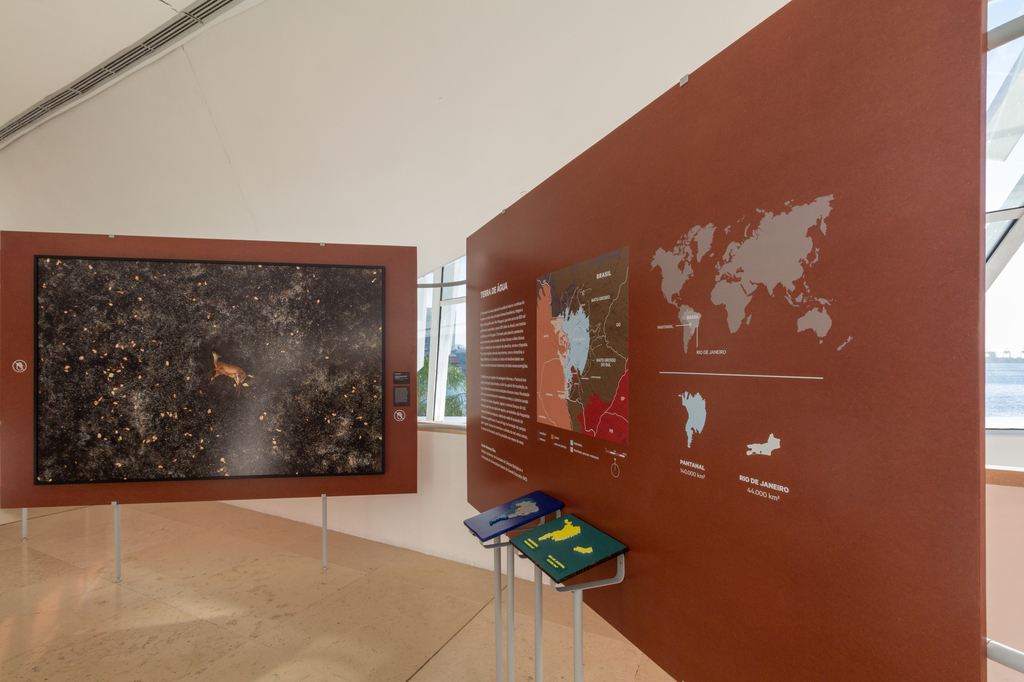
The Pantanal is the largest continuous inland floodplain in the world and one of the six main Brazilian biomes. It is part of the Upper Paraguay River Basin, which covers approximately 600,000 square kilometers, almost 60% of which is in Brazil, with sections in Bolivia and Paraguay. It is formed by the Pantanal plain, which extends through the states of Mato Grosso and Mato Grosso do Sul, surrounded by a series of plateaus, mountain ranges, and tablelands. It lies between important natural regions such as the Amazon, the Atlantic Forest, and the Cerrado, and is unique in its biodiversity: its fauna and flora mix elements from all these ecoregions.
Divided into sub-regions with diverse landscapes, the Pantanal's main characteristic is the flood cycle (or pulse), that is, the annual alternation between rainy and dry seasons. During the rainy season, concentrated between November and March, the plain floods, forming flooded areas, lagoons, and corixos (river branches). During the dry season, which peaks in August, fires are frequent and especially dangerous, particularly where there is an accumulation of dry plant biomass. The use of fire to create pastures for cattle, clear land, and harvest honey, among other things, is common in the Pantanal, but is prohibited during the dry months.
Near the point of no return
The Pantanal, Brazil's vast floodplain and the largest in the world, is currently a dramatic epicenter of climatic adversities exacerbated by human activity. The region faces severe droughts and uncontrolled fires, phenomena that reflect not only a local environmental crisis but also a global-scale climate disruption.
The events in the Pantanal are not an isolated phenomenon. The planet is witnessing an alarming increase in the frequency and severity of extreme weather events. Devastating storms and unprecedented heat waves are being observed in the Americas and Europe, highlighting a crisis that defies geographical boundaries and demands international attention.
This intensification of extreme events is due to the interaction of human activities with the planet's delicate natural systems. The burning of fossil fuels, unsustainable agricultural practices, and, crucially, deforestation and accelerated degradation, especially in tropical regions, contribute significantly to this scenario.
The forests and savannas of the Amazon and Cerrado are vital for water and climate regulation. When degraded, they compromise rainfall patterns and affect dependent regions, such as the Pantanal. Deforestation in these biomes contributes to a drastic reduction in humidity, which precipitates droughts and fires.
It is alarming to note that, in the last three decades, the Pantanal has suffered a 60% reduction in its water surface area, according to data from MapBiomas, an initiative that, since 2015, has analyzed land use in the various Brazilian biomes. This is a clear indication of the impact that climate change and the destruction of ecosystems have on aquatic environments and biodiversity.
The link between deforestation in neighboring biomes and the alteration of the Pantanal's water cycle is a tangible example of how environmental impacts are interconnected and amplified by human activities. Prolonged droughts in the Pantanal not only reduce soil and vegetation moisture, making the area more prone to fires; they also affect biodiversity and the lives of local communities.
Faced with this challenging scenario, mitigation emerges as an urgent necessity. Reducing greenhouse gas emissions, promoting sustainable agricultural practices, and preserving forest areas are essential measures. Global collaboration between societies, governments, and organizations is fundamental to developing adaptation and mitigation strategies that can address a crisis as imminent as it is scalable.
Understanding the magnitude of the climate crisis and the vital role each of us can play in promoting a more sustainable future is crucial. We may be very close to climate "tipping points" that, once surpassed, could trigger irreversible and self-perpetuating changes in Earth systems, making life significantly more difficult and unpredictable for future generations.
Adopting rigorous environmental protection measures and rapidly transitioning to a low-carbon economy are essential to mitigate the risks of exceeding these points of no return. Acting now is not just an ethical responsibility; it is a pragmatic necessity to ensure a sustainable and habitable future. Our generation has a duty to recognize and respond to these threats with the urgency and seriousness they demand, to ensure that we do not compromise the planet's ability to sustain our own and future generations.
Content Pills
Text 1
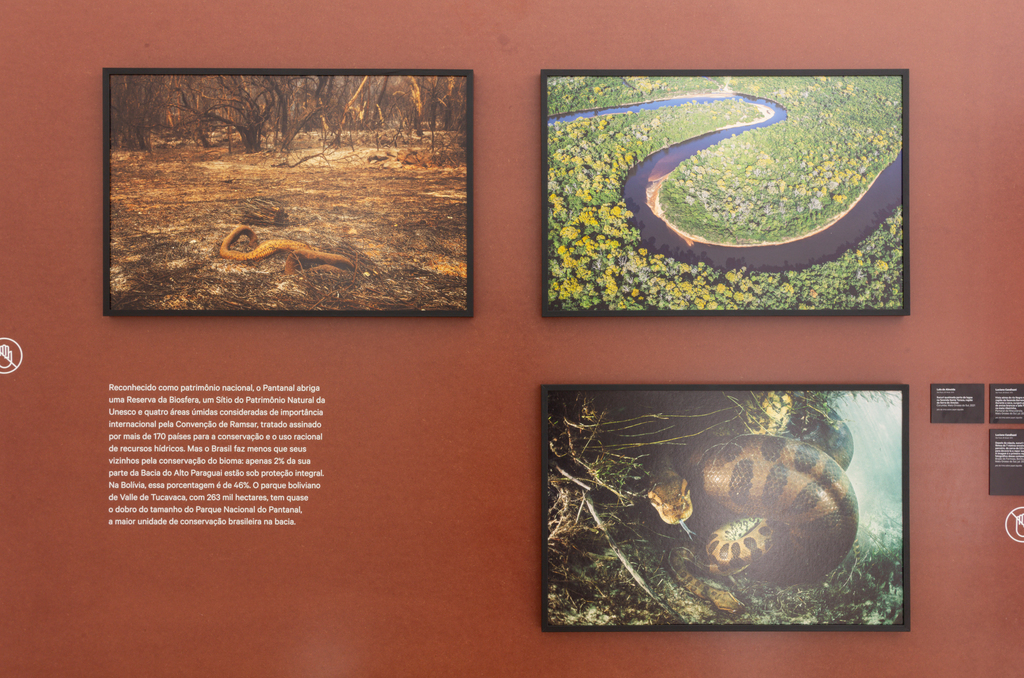
Recognized as national heritage, the Pantanal is home to a Biosphere Reserve, a UNESCO Natural Heritage Site, and four wetlands considered of international importance by the Conramsar Convention, a treaty signed by more than 170 countries for the conservation and rational use of water resources. But Brazil does less than its neighbors for the conservation of the biome: only 2% of its part of the Upper Paraguay Basin is under full protection. In Bolivia, that percentage is 46%. The Bolivian park of Valle de Tucavaca, with 263,000 hectares, is almost twice the size of the Pantanal National Park, the largest Brazilian conservation unit in the basin.
Text 2
The 1988 Constitution provides for the creation of protection laws for each of Brazil's six main biomes. But only the Atlantic Forest has its own federal law. In 2024, the Supreme Federal Court gave Congress eighteen months to create the Pantanal Law. A year earlier, Mato Grosso do Sul sanctioned a law protecting its almost 10 million hectares of Pantanal. This unprecedented collaboration between farmers, environmentalists, and the Brazilian government mandates that rural properties preserve 50% of their forest and Cerrado formations and 40% of their grasslands, and prohibits the suppression of fragile vegetation, new exotic agricultural plantations such as soy and sugarcane, and the construction of dikes, drains, dams, and small hydroelectric plants, which alter the hydrological regime of the biome.
Text 3
The Pantanal is home to approximately 260 species of fish, 50 of amphibians, 150 of reptiles, 580 of birds, and 170 of mammals. It is the Brazilian biome that best preserves its animal species: according to the Chico Mendes Institute, less than 10% of the species that inhabit the Pantanal today present worrying population levels. The marsh deer, the jaguar, the giant otter, and the hyacinth macaw are examples of species threatened in other Brazilian regions that have significant populations in the Pantanal. In addition to the loss of natural habitats, accelerated by factors such as river silting, recent fires are also a direct threat to the animals of the Pantanal. In 2020, 17 million vertebrates died in the fires, which also destroy territories and limit access to water and food sources.
Text 4
Despite maintaining more than 80% of its natural cover preserved, the Pantanal is the Brazilian biome that has lost the most water volume in the last forty years: 80%, between 1985 and 2021. This phenomenon is directly linked to the degradation of the Cerrado, in the plateaus where the rivers of the Upper Paraguay River Basin originate. In 2020, less than half of the Cerrado territory retained its native vegetation (43.4%); deforestation, related to traditional practices of intensive livestock farming and monoculture, especially soy, reduces the volume of water that floods the Pantanal plain. Dependence on the Cerrado weakens the Pantanal, but is disregarded by current protection legislation.
Text 5
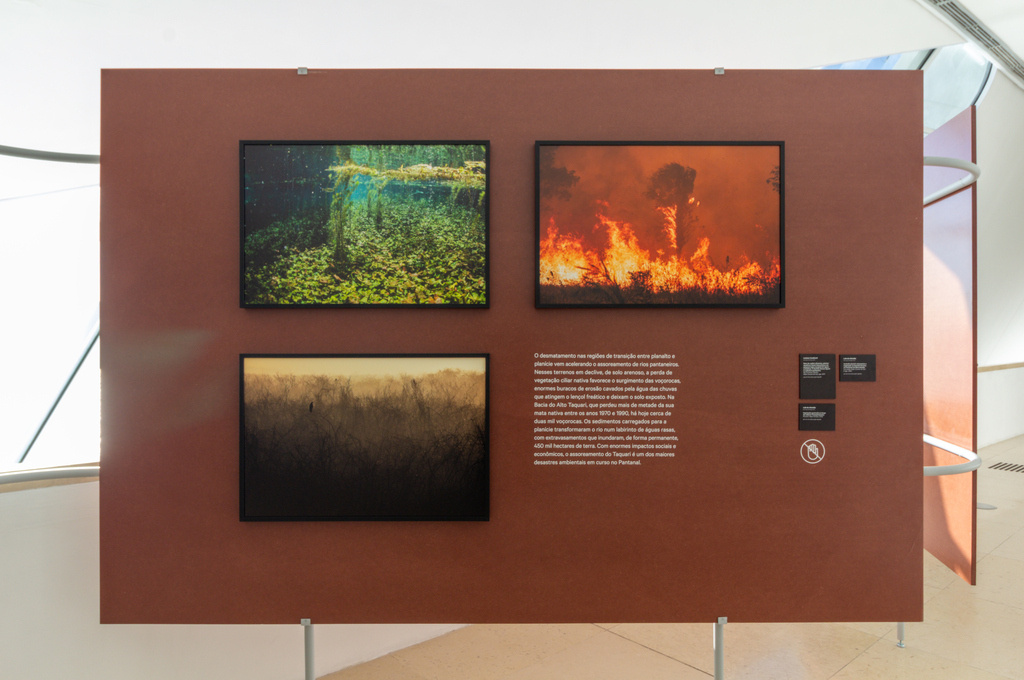
Deforestation in the transition regions between the plateau and the plain has accelerated the silting up of Pantanal rivers. In these sloping, sandy soil areas, the loss of native riparian vegetation favors the emergence of gullies, enormous erosion holes carved by rainwater that reach the water table and leave the soil exposed. In the Upper Taquari Basin, which lost more than half of its native forest between the 1970s and 1990s, there are now about two thousand gullies. The sediments carried to the floodplain transformed the river into a labyrinth of shallow waters, with overflows that permanently flooded 450,000 hectares of land. With enormous social and economic impacts, the silting up of the Taquari River is one of the biggest ongoing environmental disasters in the Pantanal.
Text 6
The dynamics of floods and droughts shape the landscape and biodiversity of the Pantanal. The flood regime is impacted by human activity, but also by changes in temperature and humidity in the Upper Paraguay River Basin. Images from MapBiomas, a reference system for mapping land use in Brazilian biomes, show that the largest wetland on the planet is drying up. In thirty years, from 1988 to 2018, the total area covered by water during floods shrank by 29%: from 7.2 to 5.1 million hectares. In 2023, the annual water surface area (at least six months with water) was 61% below the historical average. Floods are smaller in extent and duration. The new pattern is attributed to local, national, and global degradation factors: the conversion of natural areas into exotic pastures, deforestation on the plateau, recurring fires, irregular rainfall patterns linked to deforestation in the Amazon, and the worsening climate crisis.
Text 7
Of all Brazilian biomes, the Pantanal has burned the most in the last 36 years: 57% of its territory suffered at least one fire during that period. In the last decade, climate change has made the region more susceptible to fire, increasing the speed of fire propagation and making firefighting more difficult. In 2020, the driest year since 1985, the biome had more than 2.3 million hectares burned. In 2024, accumulated rainfall was the lowest since 2020, and the fires The fires started early: by June, they had already reached an area 529% larger than the average of previous years. In August, according to the Laboratory of Environmental Satellite Applications at the Federal University of Rio de Janeiro, the fires had already reached 2.3 million hectares, or 15.61% of the Pantanal.
Text 8
The Pantanal has the function of regulating the water regime of large regions. The effects of climate change on the biome have repercussions. One example is the intense rains that hit southern Brazil in 2024, leaving more than four hundred thousand people homeless. The heat wave in the central region of the country, with temperatures about 5°C above the average for the period, prevented the cold fronts from the southern region from spreading, contributing to maintaining areas of instability over the territory of Rio Grande do Sul. The effect combines with other factors, such as wind currents, the moisture corridor coming from the Amazon, and El Niño, which warms the waters of the Pacific and helps increase rainfall.
Text 9
Interviewed during the wave of arson fires that swept through Brazil in 2024, climatologist Carlos Nobre said he was "terrified" by the speed of climate change: "We have the highest temperature the planet has experienced in one hundred thousand years. Since civilizations existed, ten thousand years ago, we have never reached this level, where all climatic events have become so intense and frequent. There are droughts all over the world, storms, tidal surges [...]. Nobody predicted this." The agreements signed in recent decades to contain temperatures speak of removing 5 billion tons of carbon dioxide from the atmosphere per year, starting in 2050, to reach 2100 with an increase of 1°C. “But unfortunately we are already reaching 1.5°C,” the scientist pointed out.
Text 10
“The Pantanal is not only beset by fire. All the water that floods the world's largest wetland originates in the surrounding plateau [...]. Amidst pastures and corn and soy plantations, fragments of native vegetation and hydroelectric power plants, lie the headwaters of the main Pantanal rivers. In the case of hydroelectric plants, there are 38 projects in operation in the Upper Paraguay Basin. The river with the most dams is the Jaú, with six hydroelectric plants in operation. ‘The power plants feel like they own the river,’ says fisherman Francisco Freire. ‘They don't care about the fish or the people.’”
Fabiano Maisonave, “Biome is threatened by hydroelectric plants, deforestation and pesticides”. Folha de S.Paulo, July 7, 2021
O Pantanal é a maior planície inundável do mundo: cerca de 200 mil km2, que equivalem à soma dos territórios de Portugal, Holanda, Bélgica e Suíça. Um sistema regulado por grandes cheias anuais e naturais, próprias da região e influenciadas pelo regime de degelo dos Andes no verão. No ano de 2020, esse santuário de fauna, flora e pessoas, presenciou um paradoxo. A estupidez de uma certa fração da espécie humana, incentivada por monstros disfarçados de políticos, provocou a maior queimada criminosa da história do bioma. Em 2024, o cenário se repetiu O mesmo fogo que aquece e encanta, queima e destrói. A água que irriga é a mesma que afoga. Para o filósofo grego pré-Socrático Empédocles (495 a.C - 430 a.C.), o elemento sai do seu equilíbrio quando a força que domina é a do ódio e da raiva. Por outro lado, o elemento em equilíbrio é produto da força do amor. Na exposição “Água, Pantanal, Fogo”, Lalo de Almeida documenta o fogo do ódio, enquanto Luciano Candisani retrata a enchente de amor. As imagens denunciam e informam, dando forma e conteúdo aos números da ciência e às notícias dos jornais. Sobretudo, a arte da dupla emociona. O contraste entre a exuberância da vida e a violência do crime que leva à morte, entre a água e o fogo, entre o bem e o mal, entre o amor e o ódio, entre o encanto e o medo, nos leva à nossa raiz mais íntima. O resultado é maravilhamento com a beleza da natureza e indignação com a estupidez, o crime e a impunidade. Desse turbilhão emerge a esperança, aquela que Paulo Freire (1921-1997) dizia ser do verbo esperançar e que nos leva à ação, inspirada pelo encontro da arte com a ciência e com a emoção que vem do espírito Fabio Scarano, curador do Museu do Amanhã ___________________________________________________________ Exposição-manifesto: um convite à ação As ameaças ao delicado regime hídrico que sustenta a enorme biodiversidade do Pantanal, um dos seis principais biomas brasileiros, tornaram-se evidentes nos últimos anos. Afetado pelo desmatamento nas regiões altas próximas, que deixa desprotegidas as nascentes e as margens dos rios formadores do Pantanal, esse mundo de águas, descrito como “paraíso terrestre” pelos primeiros portugueses e espanhóis que lá chegaram no século 16, está cada vez mais seco. Pior: desde 2020, a região arde diante dos nossos olhos, numa série histórica de incêndios florestais Esta exposição foi pensada como um manifesto contra as perdas severas que as mudanças climáticas e a ação humana vêm impondo ao Pantanal, em uma longa (e continuada) história de agressão. Foi a sensibilidade do curador Eder Chiodetto que reuniu dois dos maiores fotógrafos em ação no Brasil hoje, Lalo de Almeida e Luciano Candisani, para compor um conjunto de imagens que contrapõe a beleza viva da paisagem pantaneira aos efeitos devastadores da seca e do fogo O que move o Documenta Pantanal é a crença no poder de manifestações culturais potentes – como as fotografias reunidas aqui – de documentar, alertar, sensibilizar e mobilizar públicos no Brasil e no mundo. Desde 2019, a iniciativa se empenha em apontar os efeitos das mudanças climáticas e da ação humana sobre o Pantanal em filmes, livros e campanhas, entre outras ações. Para nós, faz todo sentido trazer Água Pantanal Fogo a um museu que se dedica a perscrutar nossos futuros possíveis. Tanto mais no ano em que o Brasil sedia a COP, principal conferência internacional sobre o clima e, ao mesmo tempo, vê se desenharem tantas ameaças ao nosso ainda deficiente regramento ambiental No centro desta exposição está um bioma de relevância internacionalmente reconhecida por sua biodiversidade e como fonte de água doce, e de forte influência sobre o clima brasileiro e sul-americano. O Pantanal é o paradigma de uma urgência que diz respeito a todos nós, que vivemos neste planeta. Mais do que defender a necessidade óbvia de conservar os nossos patrimônios naturais, interessa-nos, aqui, convocar públicos cada vez mais amplos a tomar consciência da gravidade da crise climática e a refletir sobre o que é preciso fazer para contê-la Mônica Guimarães e Teresa Bracher (Documenta Pantanal) ___________________________________________________________ Textos Exposição Terra de Água O Pantanal é a maior planície inundável interior contínua do mundo e um dos seis principais biomas brasileiros. Integra a Bacia Hidrográfica do Alto Paraguai, que tem cerca de 600 mil quilômetros quadrados, quase 60% deles no Brasil, com trechos na Bolívia e no Paraguai. É formado pela planície pantaneira, que se estende pelos estados do Mato Grosso e Mato Grosso do Sul, rodeada por um conjunto de planaltos, serras e chapadas. Fica entre regiões naturais importantes, como a Amazônia, a Mata Atlântica e o Cerrado, e é único em biodiversidade: sua fauna e sua flora misturam elementos de todas essas ecorregiões Dividido em sub-regiões de paisagens diversas, o Pantanal tem como principal característica o ciclo (ou pulso) de inundação, ou seja, a alternância anual entre estações chuvosa e seca. Na estação chuvosa, concentrada entre novembro e março, a planície inunda e formam-se áreas alagadas, lagoas e corixos (braços de rio). Na seca, que tem seu ápice em agosto, os incêndios são frequentes e especialmente perigosos, sobretudo onde há acúmulo de biomassa vegetal seca. O uso de fogo na formação de campos para o gado, limpeza de terrenos e colheita de mel, entre outros, é comum no Pantanal, mas fica proibido nos meses de seca Perto do ponto de não-retorno O Pantanal, vasta planície inundável do Brasil e a maior do mundo, é atualmente um dramático epicentro das adversidades climáticas exacerbadas pela ação humana. A região enfrenta secas severas e incêndios descontrolados, fenômenos que espelham não apenas uma crise ambiental local, mas também uma perturbação climática de escala global Os eventos no Pantanal não são um fenômeno isolado. O planeta testemunha um crescimento alarmante na frequência e na gravidade de eventos climáticos extremos. Tempestades devastadoras e ondas de calor sem precedentes são observadas nas Américas e na Europa, evidenciando uma crise que desafia fronteiras geográficas e exige atenção internacional Essa intensificação dos eventos extremos deve-se à interação das atividades humanas com os delicados sistemas naturais do planeta. A queima de combustíveis fósseis, as práticas agrícolas insustentáveis e, crucialmente, o desmatamento e a degradação acelerada, especialmente nas regiões tropicais, contribuem significativamente para esse cenário As florestas e savanas da Amazônia e do Cerrado são vitais para a regulação hídrica e climática. Ao serem degradadas, comprometem o regime de chuvas e afetam regiões dependentes, como o Pantanal. O desmatamento nesses biomas contribui para a redução drástica na umidade, que precipita secas e incêndios É alarmante constatar que, nas últimas três décadas, o Pantanal sofreu uma redução de 60% da sua superfície de água, segundo dados do MapBiomas, iniciativa que, desde 2015, analisa o uso do solo nos diversos biomas brasileiros. É um indicativo claro do impacto que as alterações climáticas e a destruição dos ecossistemas têm sobre os ambientes aquáticos e a biodiversidade A interligação entre o desmatamento nos biomas vizinhos e a alteração no ciclo de água do Pantanal é um exemplo palpável de como os impactos ambientais são interconectados e amplificados pelas atividades humanas. Secas prolongadas no Pantanal não apenas reduzem a umidade do solo e da vegetação, tornando a área mais propensa a incêndios; também afetam a biodiversidade e a vida das comunidades locais Diante desse quadro desafiador, a mitigação emerge como uma necessidade urgente. Reduzir emissões de gases de efeito estufa, promover práticas agrícolas sustentáveis e preservar áreas florestais são medidas essenciais. A colaboração global entre sociedades, governos e organizações é fundamental para desenvolver estratégias de adaptação e mitigação que possam enfrentar uma crise tão iminente quanto escalável Compreender a magnitude da crise climática e o papel vital que cada um pode desempenhar na promoção de um futuro mais sustentável é crucial. Podemos estar muito próximos de "pontos de ruptura" climáticos que, uma vez ultrapassados, podem desencadear mudanças irreversíveis e autoperpetuantes nos sistemas terrestres, tornando a vida significativamente mais difícil e imprevisível para as gerações futuras A adoção de medidas rigorosas de proteção ambiental e a rápida transição para uma economia de baixo carbono são essenciais para mitigar os riscos de ultrapassar esses pontos de não-retorno. Agir agora não é apenas uma responsabilidade ética; é uma necessidade pragmática para garantir um futuro sustentável e habitável. Nossa geração tem o dever de reconhecer e responder a essas ameaças com a urgência e a seriedade que elas exigem, para assegurar que não comprometamos a capacidade do planeta de sustentar a nossa e as futuras gerações Pílulas de Conteúdo Texto 1 Reconhecido como patrimônio nacional, o Pantanal abriga uma Reserva da Biosfera, um Sítio do Patrimônio Natural da Unesco e quatro áreas úmidas consideradas de importância internacional pela Convenção de Ramsar, tratado assinado por mais de 170 países para a conservação e o uso racional de recursos hídricos. Mas o Brasil faz menos que seus vizinhos pela conservação do bioma: apenas 2% da sua parte da Bacia do Alto Paraguai estão sob proteção integral. Na Bolívia, essa porcentagem é de 46%. O parque boliviano de Valle de Tucavaca, com 263 mil hectares, tem quase o dobro do tamanho do Parque Nacional do Pantanal, a maior unidade de conservação brasileira na bacia Texto 2 A Constituição de 1988 prevê a criação de leis de proteção para cada um dos seis principais biomas do Brasil. Mas só a Mata Atlântica possui lei federal própria. Em 2024, o Supremo Tribunal Federal deu ao Congresso dezoito meses para criar a Lei do Pantanal. Um ano antes, o Mato Grosso do Sul sancionava uma lei que protege seus quase 10 milhões de hectares de Pantanal. Colaboração inédita entre fazendeiros, ambientalistas e o governo brasileiro, ela determina que as propriedades rurais preservem 50% de suas formações florestais e de Cerrado e 40% dos campos, e proíbe a supressão de vegetações frágeis, novas plantações agrícolas exóticas, como soja e cana-de-açúcar, e a construção de diques, drenos, barragens e pequenas hidroelétricas, que alteram o regime hidrológico do bioma Texto 3 O Pantanal abriga cerca de 260 espécies de peixes, 50 de anfíbios, 150 de répteis, 580 de aves e 170 de mamíferos. É o bioma brasileiro que mais preserva as suas espécies animais: segundo o Instituto Chico Mendes, menos de 10% das espécies que habitam o Pantanal hoje apresentam contingentes preocupantes. O cervo-do-pantanal, a onça-pintada, a ariranha e a arara-azul são exemplos de espécies ameaçadas em outras regiões brasileiras que têm, no Pantanal, populações expressivas. Além da perda de hábitats naturais, acelerada por fatores como o assoreamento dos rios, os incêndios recentes são também uma ameaça direta aos animais do Pantanal. Em 2020, 17 milhões de vertebrados morreram no fogo, que também destrói territórios e limita o acesso à água e a fontes de alimentação Texto 4 Apesar de manter mais de 80% de sua cobertura natural preservada, o Pantanal é o bioma brasileiro que mais perdeu em volume de água nos últimos quarenta anos: 80%, entre 1985 e 2021. O fenômeno está diretamente ligado à degradação do Cerrado, nos planaltos onde nascem os rios da Bacia Hidrográfica do Alto Paraguai. Em 2020, menos de metade do território do Cerrado conservava sua vegetação nativa (43,4%); o desmatamento, relacionado às práticas tradicionais da pecuária intensiva e da monocultura, sobretudo de soja, reduz o volume da água que inunda a planície pantaneira. A dependência em relação ao Cerrado fragiliza o Pantanal, mas é desconsiderada pelas legislações de proteção vigentes Texto 5 O desmatamento nas regiões de transição entre planalto e planície vem acelerando o assoreamento de rios pantaneiros. Nesses terrenos em declive, de solo arenoso, a perda de vegetação ciliar nativa favorece o surgimento das voçorocas, enormes buracos de erosão cavados pela água das chuvas que atingem o lençol freático e deixam o solo exposto. Na Bacia do Alto Taquari, que perdeu mais de metade da sua mata nativa entre os anos 1970 e 1990, há hoje cerca de duas mil voçorocas. Os sedimentos carregados para a planície transformaram o rio num labirinto de águas rasas, com extravasamentos que inundaram, de forma permanente, 450 mil hectares de terra. Com enormes impactos sociais e econômicos, o assoreamento do Taquari é um dos maiores desastres ambientais em curso no Pantanal Texto 6 A dinâmica de cheias e secas molda a paisagem e a biodiversidade do Pantanal. O regime de inundação sofre o impacto da ação humana, mas também das mudanças de temperatura e umidade na Bacia Hidrográfica do Alto Paraguai. Imagens do MapBiomas, sistema referencial de mapeamento do uso do solo nos biomas brasileiros, mostram que a maior planície úmida do planeta está secando. Em trinta anos, de 1988 a 2018, a área total coberta por água nas cheias encolheu 29%: de 7,2 para 5,1 milhões de hectares. Em 2023, a superfície de água anual (pelo menos seis meses com água) ficou 61% abaixo da média histórica. As cheias estão menores em extensão e duração. O novo padrão é atribuído a vetores de degradação locais, nacionais e globais: a conversão de áreas naturais em pastagens exóticas, o desmatamento no planalto, os incêndios recorrentes, a irregularidade no regime de chuvas, ligada ao desmatamento da Amazônia, e o agravamento da crise climática Texto 7 De todos os biomas brasileiros, o Pantanal foi o que mais queimou nos últimos 36 anos: 57% do território sofreu pelo menos um incêndio no período. Na última década, as mudanças climáticas tornaram a região mais suscetível ao fogo, elevando a velocidade de propagação dos incêndios e dificultando o combate. Em 2020, o ano mais seco desde 1985, o bioma teve mais de 2,3 milhões de hectares queimados. Em 2024, a precipitação acumulada foi a mais baixa desde 2020, e os incêndios começaram cedo: em junho, já tinham atingido uma área 529% maior do que a média dos anos anteriores. Em agosto, segundo o Laboratório de Aplicações de Satélites Ambientais da Universidade Federal do Rio de Janeiro, o fogo já chegara a 2,3 milhões de hectares, ou 15,61% do Pantanal Texto 8 O Pantanal tem a função de regular o regime hídrico de regiões amplas. Os efeitos das alterações climáticas sobre o bioma têm reverberações. Um exemplo são as chuvas intensas que atingiram o sul do Brasil em 2024, deixando mais de quatrocentas mil pessoas desabrigadas. A onda de calor na região central do país, com temperaturas cerca de 5°C acima da média do período, impediu que as frentes frias da região Sul se espalhassem, contribuindo para manter as áreas de instabilidade sobre o território gaúcho. O efeito combina-se com outros fatores, como correntes de vento, o corredor de umidade que vem da Amazônia e o El Niño, que aquece as águas do Pacífico e ajuda a aumentar a pluviosidade Texto 9 Entrevistado durante a onda de incêndios criminosos que tomou o Brasil em 2024, o climatologista Carlos Nobre se disse “apavorado” diante da velocidade da mudança climática: “Temos a maior temperatura que o planeta experimentou em cem mil anos. Desde que existem civilizações, há dez mil anos, nunca chegamos nesse nível, em que todos os eventos climáticos se tornaram tão intensos e frequentes. São secas em todo o mundo, tempestades, ressacas [...]. Ninguém previa isso”. Os acordos firmados nas últimas décadas para conter as temperaturas falam em remover 5 milhares de milhões de toneladas de dióxido de carbono da atmosfera por ano, a partir de 2050, para chegar a 2100 com um aumento de 1°C. “Mas infelizmente já estamos atingindo 1,5°C”, apontou o cientista Texto 10 “O Pantanal não está acossado apenas pelo fogo. Toda a água que inunda a maior planície alagável do mundo nasce no planalto do seu entorno [...]. Em meio a pastos e plantações de milho e soja, fragmentos de vegetação nativa e centrais hidroelétricas, lá estão as nascentes dos principais rios pantaneiros. No caso das hidroelétricas, são 38 empreendimentos em operação na Bacia do Alto Paraguai. O rio com mais barramentos é o Jaú, com seis hidroelétricas em operação. ‘As usinas se sentem donas do rio’, diz o pescador Francisco Freire. ‘Não estão nem aí para os peixes e nem para as pessoas’’ Fabiano Maisonave, “Bioma é ameaçado por hidroelétricas, desmate e agrotóxico”. Folha de S.Paulo, 7 jul. 2021
O Pantanal é a maior planície inundável do mundo: cerca de 200 mil km2, que equivalem à soma dos territórios de Portugal, Holanda, Bélgica e Suíça. Um sistema regulado por grandes cheias anuais e naturais, próprias da região e influenciadas pelo regime de degelo dos Andes no verão. No ano de 2020, esse santuário de fauna, flora e pessoas, presenciou um paradoxo. A estupidez de uma certa fração da espécie humana, incentivada por monstros disfarçados de políticos, provocou a maior queimada criminosa da história do bioma. Em 2024, o cenário se repetiu O mesmo fogo que aquece e encanta, queima e destrói. A água que irriga é a mesma que afoga. Para o filósofo grego pré-Socrático Empédocles (495 a.C - 430 a.C.), o elemento sai do seu equilíbrio quando a força que domina é a do ódio e da raiva. Por outro lado, o elemento em equilíbrio é produto da força do amor. Na exposição “Água, Pantanal, Fogo”, Lalo de Almeida documenta o fogo do ódio, enquanto Luciano Candisani retrata a enchente de amor. As imagens denunciam e informam, dando forma e conteúdo aos números da ciência e às notícias dos jornais. Sobretudo, a arte da dupla emociona. O contraste entre a exuberância da vida e a violência do crime que leva à morte, entre a água e o fogo, entre o bem e o mal, entre o amor e o ódio, entre o encanto e o medo, nos leva à nossa raiz mais íntima. O resultado é maravilhamento com a beleza da natureza e indignação com a estupidez, o crime e a impunidade. Desse turbilhão emerge a esperança, aquela que Paulo Freire (1921-1997) dizia ser do verbo esperançar e que nos leva à ação, inspirada pelo encontro da arte com a ciência e com a emoção que vem do espírito Fabio Scarano, curador do Museu do Amanhã ___________________________________________________________ Exposição-manifesto: um convite à ação As ameaças ao delicado regime hídrico que sustenta a enorme biodiversidade do Pantanal, um dos seis principais biomas brasileiros, tornaram-se evidentes nos últimos anos. Afetado pelo desmatamento nas regiões altas próximas, que deixa desprotegidas as nascentes e as margens dos rios formadores do Pantanal, esse mundo de águas, descrito como “paraíso terrestre” pelos primeiros portugueses e espanhóis que lá chegaram no século 16, está cada vez mais seco. Pior: desde 2020, a região arde diante dos nossos olhos, numa série histórica de incêndios florestais Esta exposição foi pensada como um manifesto contra as perdas severas que as mudanças climáticas e a ação humana vêm impondo ao Pantanal, em uma longa (e continuada) história de agressão. Foi a sensibilidade do curador Eder Chiodetto que reuniu dois dos maiores fotógrafos em ação no Brasil hoje, Lalo de Almeida e Luciano Candisani, para compor um conjunto de imagens que contrapõe a beleza viva da paisagem pantaneira aos efeitos devastadores da seca e do fogo O que move o Documenta Pantanal é a crença no poder de manifestações culturais potentes – como as fotografias reunidas aqui – de documentar, alertar, sensibilizar e mobilizar públicos no Brasil e no mundo. Desde 2019, a iniciativa se empenha em apontar os efeitos das mudanças climáticas e da ação humana sobre o Pantanal em filmes, livros e campanhas, entre outras ações. Para nós, faz todo sentido trazer Água Pantanal Fogo a um museu que se dedica a perscrutar nossos futuros possíveis. Tanto mais no ano em que o Brasil sedia a COP, principal conferência internacional sobre o clima e, ao mesmo tempo, vê se desenharem tantas ameaças ao nosso ainda deficiente regramento ambiental No centro desta exposição está um bioma de relevância internacionalmente reconhecida por sua biodiversidade e como fonte de água doce, e de forte influência sobre o clima brasileiro e sul-americano. O Pantanal é o paradigma de uma urgência que diz respeito a todos nós, que vivemos neste planeta. Mais do que defender a necessidade óbvia de conservar os nossos patrimônios naturais, interessa-nos, aqui, convocar públicos cada vez mais amplos a tomar consciência da gravidade da crise climática e a refletir sobre o que é preciso fazer para contê-la Mônica Guimarães e Teresa Bracher (Documenta Pantanal) ___________________________________________________________ Textos Exposição Terra de Água O Pantanal é a maior planície inundável interior contínua do mundo e um dos seis principais biomas brasileiros. Integra a Bacia Hidrográfica do Alto Paraguai, que tem cerca de 600 mil quilômetros quadrados, quase 60% deles no Brasil, com trechos na Bolívia e no Paraguai. É formado pela planície pantaneira, que se estende pelos estados do Mato Grosso e Mato Grosso do Sul, rodeada por um conjunto de planaltos, serras e chapadas. Fica entre regiões naturais importantes, como a Amazônia, a Mata Atlântica e o Cerrado, e é único em biodiversidade: sua fauna e sua flora misturam elementos de todas essas ecorregiões Dividido em sub-regiões de paisagens diversas, o Pantanal tem como principal característica o ciclo (ou pulso) de inundação, ou seja, a alternância anual entre estações chuvosa e seca. Na estação chuvosa, concentrada entre novembro e março, a planície inunda e formam-se áreas alagadas, lagoas e corixos (braços de rio). Na seca, que tem seu ápice em agosto, os incêndios são frequentes e especialmente perigosos, sobretudo onde há acúmulo de biomassa vegetal seca. O uso de fogo na formação de campos para o gado, limpeza de terrenos e colheita de mel, entre outros, é comum no Pantanal, mas fica proibido nos meses de seca Perto do ponto de não-retorno O Pantanal, vasta planície inundável do Brasil e a maior do mundo, é atualmente um dramático epicentro das adversidades climáticas exacerbadas pela ação humana. A região enfrenta secas severas e incêndios descontrolados, fenômenos que espelham não apenas uma crise ambiental local, mas também uma perturbação climática de escala global Os eventos no Pantanal não são um fenômeno isolado. O planeta testemunha um crescimento alarmante na frequência e na gravidade de eventos climáticos extremos. Tempestades devastadoras e ondas de calor sem precedentes são observadas nas Américas e na Europa, evidenciando uma crise que desafia fronteiras geográficas e exige atenção internacional Essa intensificação dos eventos extremos deve-se à interação das atividades humanas com os delicados sistemas naturais do planeta. A queima de combustíveis fósseis, as práticas agrícolas insustentáveis e, crucialmente, o desmatamento e a degradação acelerada, especialmente nas regiões tropicais, contribuem significativamente para esse cenário As florestas e savanas da Amazônia e do Cerrado são vitais para a regulação hídrica e climática. Ao serem degradadas, comprometem o regime de chuvas e afetam regiões dependentes, como o Pantanal. O desmatamento nesses biomas contribui para a redução drástica na umidade, que precipita secas e incêndios É alarmante constatar que, nas últimas três décadas, o Pantanal sofreu uma redução de 60% da sua superfície de água, segundo dados do MapBiomas, iniciativa que, desde 2015, analisa o uso do solo nos diversos biomas brasileiros. É um indicativo claro do impacto que as alterações climáticas e a destruição dos ecossistemas têm sobre os ambientes aquáticos e a biodiversidade A interligação entre o desmatamento nos biomas vizinhos e a alteração no ciclo de água do Pantanal é um exemplo palpável de como os impactos ambientais são interconectados e amplificados pelas atividades humanas. Secas prolongadas no Pantanal não apenas reduzem a umidade do solo e da vegetação, tornando a área mais propensa a incêndios; também afetam a biodiversidade e a vida das comunidades locais Diante desse quadro desafiador, a mitigação emerge como uma necessidade urgente. Reduzir emissões de gases de efeito estufa, promover práticas agrícolas sustentáveis e preservar áreas florestais são medidas essenciais. A colaboração global entre sociedades, governos e organizações é fundamental para desenvolver estratégias de adaptação e mitigação que possam enfrentar uma crise tão iminente quanto escalável Compreender a magnitude da crise climática e o papel vital que cada um pode desempenhar na promoção de um futuro mais sustentável é crucial. Podemos estar muito próximos de "pontos de ruptura" climáticos que, uma vez ultrapassados, podem desencadear mudanças irreversíveis e autoperpetuantes nos sistemas terrestres, tornando a vida significativamente mais difícil e imprevisível para as gerações futuras A adoção de medidas rigorosas de proteção ambiental e a rápida transição para uma economia de baixo carbono são essenciais para mitigar os riscos de ultrapassar esses pontos de não-retorno. Agir agora não é apenas uma responsabilidade ética; é uma necessidade pragmática para garantir um futuro sustentável e habitável. Nossa geração tem o dever de reconhecer e responder a essas ameaças com a urgência e a seriedade que elas exigem, para assegurar que não comprometamos a capacidade do planeta de sustentar a nossa e as futuras gerações Pílulas de Conteúdo Texto 1 Reconhecido como patrimônio nacional, o Pantanal abriga uma Reserva da Biosfera, um Sítio do Patrimônio Natural da Unesco e quatro áreas úmidas consideradas de importância internacional pela Convenção de Ramsar, tratado assinado por mais de 170 países para a conservação e o uso racional de recursos hídricos. Mas o Brasil faz menos que seus vizinhos pela conservação do bioma: apenas 2% da sua parte da Bacia do Alto Paraguai estão sob proteção integral. Na Bolívia, essa porcentagem é de 46%. O parque boliviano de Valle de Tucavaca, com 263 mil hectares, tem quase o dobro do tamanho do Parque Nacional do Pantanal, a maior unidade de conservação brasileira na bacia Texto 2 A Constituição de 1988 prevê a criação de leis de proteção para cada um dos seis principais biomas do Brasil. Mas só a Mata Atlântica possui lei federal própria. Em 2024, o Supremo Tribunal Federal deu ao Congresso dezoito meses para criar a Lei do Pantanal. Um ano antes, o Mato Grosso do Sul sancionava uma lei que protege seus quase 10 milhões de hectares de Pantanal. Colaboração inédita entre fazendeiros, ambientalistas e o governo brasileiro, ela determina que as propriedades rurais preservem 50% de suas formações florestais e de Cerrado e 40% dos campos, e proíbe a supressão de vegetações frágeis, novas plantações agrícolas exóticas, como soja e cana-de-açúcar, e a construção de diques, drenos, barragens e pequenas hidroelétricas, que alteram o regime hidrológico do bioma Texto 3 O Pantanal abriga cerca de 260 espécies de peixes, 50 de anfíbios, 150 de répteis, 580 de aves e 170 de mamíferos. É o bioma brasileiro que mais preserva as suas espécies animais: segundo o Instituto Chico Mendes, menos de 10% das espécies que habitam o Pantanal hoje apresentam contingentes preocupantes. O cervo-do-pantanal, a onça-pintada, a ariranha e a arara-azul são exemplos de espécies ameaçadas em outras regiões brasileiras que têm, no Pantanal, populações expressivas. Além da perda de hábitats naturais, acelerada por fatores como o assoreamento dos rios, os incêndios recentes são também uma ameaça direta aos animais do Pantanal. Em 2020, 17 milhões de vertebrados morreram no fogo, que também destrói territórios e limita o acesso à água e a fontes de alimentação Texto 4 Apesar de manter mais de 80% de sua cobertura natural preservada, o Pantanal é o bioma brasileiro que mais perdeu em volume de água nos últimos quarenta anos: 80%, entre 1985 e 2021. O fenômeno está diretamente ligado à degradação do Cerrado, nos planaltos onde nascem os rios da Bacia Hidrográfica do Alto Paraguai. Em 2020, menos de metade do território do Cerrado conservava sua vegetação nativa (43,4%); o desmatamento, relacionado às práticas tradicionais da pecuária intensiva e da monocultura, sobretudo de soja, reduz o volume da água que inunda a planície pantaneira. A dependência em relação ao Cerrado fragiliza o Pantanal, mas é desconsiderada pelas legislações de proteção vigentes Texto 5 O desmatamento nas regiões de transição entre planalto e planície vem acelerando o assoreamento de rios pantaneiros. Nesses terrenos em declive, de solo arenoso, a perda de vegetação ciliar nativa favorece o surgimento das voçorocas, enormes buracos de erosão cavados pela água das chuvas que atingem o lençol freático e deixam o solo exposto. Na Bacia do Alto Taquari, que perdeu mais de metade da sua mata nativa entre os anos 1970 e 1990, há hoje cerca de duas mil voçorocas. Os sedimentos carregados para a planície transformaram o rio num labirinto de águas rasas, com extravasamentos que inundaram, de forma permanente, 450 mil hectares de terra. Com enormes impactos sociais e econômicos, o assoreamento do Taquari é um dos maiores desastres ambientais em curso no Pantanal Texto 6 A dinâmica de cheias e secas molda a paisagem e a biodiversidade do Pantanal. O regime de inundação sofre o impacto da ação humana, mas também das mudanças de temperatura e umidade na Bacia Hidrográfica do Alto Paraguai. Imagens do MapBiomas, sistema referencial de mapeamento do uso do solo nos biomas brasileiros, mostram que a maior planície úmida do planeta está secando. Em trinta anos, de 1988 a 2018, a área total coberta por água nas cheias encolheu 29%: de 7,2 para 5,1 milhões de hectares. Em 2023, a superfície de água anual (pelo menos seis meses com água) ficou 61% abaixo da média histórica. As cheias estão menores em extensão e duração. O novo padrão é atribuído a vetores de degradação locais, nacionais e globais: a conversão de áreas naturais em pastagens exóticas, o desmatamento no planalto, os incêndios recorrentes, a irregularidade no regime de chuvas, ligada ao desmatamento da Amazônia, e o agravamento da crise climática Texto 7 De todos os biomas brasileiros, o Pantanal foi o que mais queimou nos últimos 36 anos: 57% do território sofreu pelo menos um incêndio no período. Na última década, as mudanças climáticas tornaram a região mais suscetível ao fogo, elevando a velocidade de propagação dos incêndios e dificultando o combate. Em 2020, o ano mais seco desde 1985, o bioma teve mais de 2,3 milhões de hectares queimados. Em 2024, a precipitação acumulada foi a mais baixa desde 2020, e os incêndios começaram cedo: em junho, já tinham atingido uma área 529% maior do que a média dos anos anteriores. Em agosto, segundo o Laboratório de Aplicações de Satélites Ambientais da Universidade Federal do Rio de Janeiro, o fogo já chegara a 2,3 milhões de hectares, ou 15,61% do Pantanal Texto 8 O Pantanal tem a função de regular o regime hídrico de regiões amplas. Os efeitos das alterações climáticas sobre o bioma têm reverberações. Um exemplo são as chuvas intensas que atingiram o sul do Brasil em 2024, deixando mais de quatrocentas mil pessoas desabrigadas. A onda de calor na região central do país, com temperaturas cerca de 5°C acima da média do período, impediu que as frentes frias da região Sul se espalhassem, contribuindo para manter as áreas de instabilidade sobre o território gaúcho. O efeito combina-se com outros fatores, como correntes de vento, o corredor de umidade que vem da Amazônia e o El Niño, que aquece as águas do Pacífico e ajuda a aumentar a pluviosidade Texto 9 Entrevistado durante a onda de incêndios criminosos que tomou o Brasil em 2024, o climatologista Carlos Nobre se disse “apavorado” diante da velocidade da mudança climática: “Temos a maior temperatura que o planeta experimentou em cem mil anos. Desde que existem civilizações, há dez mil anos, nunca chegamos nesse nível, em que todos os eventos climáticos se tornaram tão intensos e frequentes. São secas em todo o mundo, tempestades, ressacas [...]. Ninguém previa isso”. Os acordos firmados nas últimas décadas para conter as temperaturas falam em remover 5 milhares de milhões de toneladas de dióxido de carbono da atmosfera por ano, a partir de 2050, para chegar a 2100 com um aumento de 1°C. “Mas infelizmente já estamos atingindo 1,5°C”, apontou o cientista Texto 10 “O Pantanal não está acossado apenas pelo fogo. Toda a água que inunda a maior planície alagável do mundo nasce no planalto do seu entorno [...]. Em meio a pastos e plantações de milho e soja, fragmentos de vegetação nativa e centrais hidroelétricas, lá estão as nascentes dos principais rios pantaneiros. No caso das hidroelétricas, são 38 empreendimentos em operação na Bacia do Alto Paraguai. O rio com mais barramentos é o Jaú, com seis hidroelétricas em operação. ‘As usinas se sentem donas do rio’, diz o pescador Francisco Freire. ‘Não estão nem aí para os peixes e nem para as pessoas’’ Fabiano Maisonave, “Bioma é ameaçado por hidroelétricas, desmate e agrotóxico”. Folha de S.Paulo, 7 jul. 2021
Credits
MUSEUM OF TOMORROW
Executive Director
Cristiano Vasconcelos
Curator
Fabio Scarano
General Content Management
Camila Oliveira
Exhibitions
Caetana Lara Resende
Ingrid Vidal
Julia Deccache
Julia Meira
Guilherme Venancio
Rafael Salimena
Nathália Simonetti
Lorena Peña
Public Services
Wagner Turques Guinesi
Alice Villa Frango
Nilson da Silva Ramos
Alessandra Batista da Conceição Penna
Brenda Pinheiro de Oliveira
Caio Correa de Souza
Caue de Albuquerque Barroso
Douglas Porto Velho
Fernando Lopes Barbosa
Gabriel da Silva Ramos
Guilherme Augusto Gouveia
Igor Pereira Alencar
Ismael Freire de Almeida
José Américo da Rocha Filho
José Francisco de Souza
Luis Rodrigo Dos Santos
Mariana Macedo do Nascimento
Matheus dos Santos Oliveira
Queren Priscila Oliveira de Souza
Rafael de Souza de Almeida
Raisa Medeiros de Oliveira
Shirlei de Oliveira Chagas
Vinicius Marcelo de Oliveira dos Santos
Vitor Santos da Silva
Yan Gomes Silveira
Museum Education
Stephanie Santana
Renan Freira
Bianca Paes Araújo
Bruno Baptista
Fernanda de Castro
Juan Barbosa
Julia Mayer
Juliana Câmara
Marcus Andrade
Maria Luiza Lopes
Nicolle Portela
Nicolle Soalheiro
Thainá Nunes
Vinicius Andrade
Vinicius Valentino
Exhibition Design Project
CRUA
Caio Calafate
Pedro Varella
Igor Machado
Design Project
Mariana Boghosian
Mariana Solis
Alexandre Carvalho
Anna Janot
Set Design
Camouflage Set Design
Graphic Design
Base Comunicação Visual
Fine Assembly
Kbedim
Audiovisual Installations
Luiz Lima
Ana Barth
Bruno Carreiro
Edson Castro
Vanderson Vieira
Inovatec Audiovisual Solutions
Electrical Installation
Francisco Galdino
Diogo Freire
Marlon Vidal
Silas Miranda
Alexandre Souto
Jefton Elias
Ezequiel Tavares
Jose Petrucio
Camila Fraga
Tactile Flooring and Map
Paju SA Engenharia
Sensory Objects
Luiza Kemp
Content Accessibility
Juliette Viana
Production
Órbita Produções
Emergency Project
PI Projetos e Instalações
Construction Insurance
Tokio Marine
JMS Seguros
WATER PANTANAL FIRE
Photographs
Lalo de Almeida
Luciano Candisani
Curator
Eder Chiodetto
General Coordination
Mônica Guimarães
Teresa Bracher
Production Coordination
Cassia Rossini
Production
Isadora Falconi
Visual Identity
Vitor Cesar
Design
Karime Zaher
Editorial Coordination
Heloisa Vasconcellos
Text and Editing
Teté Martinho
Consulting
Sandro Menezes Silva
Proofreading
Vera Maselli
English Version
Anthony Doyle
Spanish Version
Larissa Bontempi
Maps
Alessandro Meiguins
Image and Videomapping Directors
André Grynwask
Pri Argoud (Um Cafofo)
Video Soundtrack
Marcelo Pellegrini
Photographic Prints
Kelly Polato Studio
Administration
Júlia Sousa
A Production
Documenta Pantanal
Acknowledgements
Acaia Pantanal
Adelaide Desposito
Agustina Pezzani
Alexandre Bossi
Amadeu Barbosa
Amir Labaki
Ana Maria Barreto [Fazenda São Francisco do Perigara]
Ana Roman
Angela Kuczach
Angelo Rabelo
Anis Chacur
Ari and Silvia Weinfeld
Armando Lacerda
Beatriz Sayad
Belkiss Rondon
Camila Schweizer
Carla Almeida
Carlos Martins
Caroline Leuchtenberger
Claudia Gaigher
Cristina Barros Tininha
Fernando Tortato [Panthera]
Folha de S. Paulo
Francisco Valeriano [Prevfogo/Ibama]
Gabriela Mendes
Frico Guimarães
Guilherme Rondon
Gustavo Figueirôa
Ham Jung-Min
Haroldo Palo Jr. (in memoriam)
Ibama [Marcos Eduardo Coutinho]
Instituto Centro e Vida – ICV
Ivan Freitas da Costa [Porto Jofre]
Leonardo Gomes
Luciana Leite
Lucas Pupo
Luiz Vicente
Lygia Barbosa
MapBiomas Brasil
Marcy Junqueira
Maria Inez Barreto
Marina Moraes
Mario Haberfeld
Marta Magnani
Camisas Matthew
National Geographic [Roff Smith, Paul Nicklen]
Neiva Guedes
Nina Valentini
Paulina Chamorro
Paulo Gambale
Pedro Lacerda de Camargo
Paulo Machado
Rafael Galvão [Fazenda Santa Tereza]
Renato Roscoe [Instituto Taquari Vivo]
Ricardo Casarin
Ruivaldo Nery Andrade
Sandra Guató [Terra Indígena Baía dos Guató]
Sara Matos
Sesc Pantanal
Simone and Eduardo Coelho
Sofia Marçal
Sthéphanie Mascara
Tasso Azevedo
Vanessa Rodrigues de Morais
Vitória Arruda
Special thanks to:
Chalana Esperança
Cristiane Sultani
Instituto Homem Pantaneiro – IHP
Instituto SOS Pantanal
Onçafari
Rede Pró-UC
Renata Lima
Vera Patrício Gouveia
Animal Technical Rescue Group From the Pantanal
Sergio Eduardo Barreto
Fernanda Jacoby
Nataly Nogueira
Paula Helena
Fernanda Alves
Rodrigo Piva
Luka Moraes
MUSEU DO AMANHÃ
Diretor Executivo
Cristiano Vasconcelos
Curador
Fabio Scarano
Gerência Geral de Conteúdo
Camila Oliveira
Exposições
Caetana Lara Resende
Ingrid Vidal
Julia Deccache
Julia Meira
Guilherme Venancio
Rafael Salimena
Nathália Simonetti
Lorena Peña
Atendimento ao Público
Wagner Turques Guinesi
Alice Villa Frango
Nilson da Silva Ramos
Alessandra Batista da Conceição Penna
Brenda Pinheiro de Oliveira
Caio Correa de Sousa
Caue de Albuquerque Barroso
Douglas Porto Velho
Fernando Lopes Barbosa
Gabriel da Silva Ramos
Guilherme Augusto Gouveia
Igor Pereira Alencar
Ismael Freire de Almeida
José Americo da Rocha Filho
José Francisco de Souza
Luis Rodrigo dos Santos
Mariana Macedo do Nascimento
Matheus dos Santos Oliveira
Queren Priscila Oliveira de Souza
Rafael de Souza de Almeida
Raisa Medeiros de Oliveira
Shirlei de Oliveira Chagas
Vinicius Marcelo de Oliveira dos Santos
Vitor Santos da Silva
Yan Gomes Silveira
Educação Museal
Stephanie Santana
Renan Freira
Bianca Paes Araújo
Bruno Baptista
Fernanda de Castro
Juan Barbosa
Julia Mayer
Juliana Câmara
Marcus Andrade
Maria Luiza Lopes
Nicolle Portela
Nicolle Soalheiro
Thainá Nunes
Vinicius Andrade
Vinicius Valentino
Projeto Expográfico
GRUA
Caio Calafate
Pedro Varella
Igor Machado
Projeto de Design
Mariana Boghosian
Mariana Solis
Alexandre Carvalho
Anna Janot
Cenotécnico
Camuflagem Cenografia
Gráfica
Base Comunicação Visual
Montagem Fina
Kbedim
Instalações Audiovisuais
Luiz Lima
Ana Barth
Bruno Carreiro
Edson Castro
Vanderson Vieira
Inovatec Soluções Audiovisuais
Instalação Elétrica
Francisco Galdino
Diogo Freire
Marlon Vidal
Silas Miranda
Alexandre Souto
Jefton Elias
Ezequiel Tavares
Jose Petrucio
Camila Fraga
Piso e Mapa tátil
Paju SA Engenharia
Objetos sensoriais
Luiza Kemp
Acessibilidade de conteúdo
Juliette Viana
Produção
Órbita Produções
Projeto de emergência
PI Projetos e Instalações
Seguro das obras
Tokio Marine
JMS Seguros
ÁGUA PANTANAL FOGO
Fotografias
Lalo de Almeida
Luciano Candisani
Curador
Eder Chiodetto
Coordenação geral
Mônica Guimarães
Teresa Bracher
Coordenação de produção
Cassia Rossini
Produção
Isadora Falconi
Identidade visual
Vitor Cesar
Design
Karime Zaher
Coordenação editorial
Heloisa Vasconcellos
Texto e edição
Teté Martinho
Consultoria
Sandro Menezes Silva
Revisão
Vera Maselli
Versão em inglês
Anthony Doyle
Versão em espanhol
Larissa Bontempi
Mapas
Alessandro Meiguins
Diretores de imagem e videomapping
André Grynwask
Pri Argoud (Um Cafofo)
Trilha sonora do vídeo
Marcelo Pellegrini
Impressões fotográficas
Estúdio Kelly Polato
Administrativo
Júlia Sousa
Uma produção
Documenta Pantanal
Agradecimentos
Acaia Pantanal
Adelaide D’Esposito
Agustina Pezzani
Alexandre Bossi
Amadeu Barbosa
Amir Labaki
Ana Maria Barreto [Fazenda São Francisco do Perigara]
Ana Roman
Angela Kuczach
Angelo Rabelo
Anis Chacur
Ari e Silvia Weinfeld
Armando Lacerda
Beatriz Sayad
Belkiss Rondon
Camila Schweizer
Carla Almeida
Carlos Martins
Caroline Leuchtenberger
Claudia Gaigher
Cristina Barros – Tininha
Fernando Tortato [Panthera]
Folha de S.Paulo
Francisco Valeriano [Prevfogo/Ibama]
Gabriela Mendes
Frico Guimarães
Guilherme Rondon
Gustavo Figueirôa
Ham Jung-Min
Haroldo Palo Jr. (in memoriam)
Ibama [Marcos Eduardo Coutinho]
Instituto Centro e Vida – ICV
Ivan Freitas da Costa [Porto Jofre]
Leonardo Gomes
Luciana Leite
Lucas Pupo
Luiz Vicente
Lygia Barbosa
MapBiomas Brasil
Marcy Junqueira
Maria Inez Barreto
Marina Moraes
Mario Haberfeld
Marta Magnani
Matthew Shirts
National Geographic [Roff Smith, Paul Nicklen]
Neiva Guedes
Nina Valentini
Paulina Chamorro
Paulo Gambale
Pedro Lacerda de Camargo
Paulo Machado
Rafael Galvão [Fazenda Santa Tereza]
Renato Roscoe [Instituto Taquari Vivo]
Ricardo Casarin
Ruivaldo Nery Andrade
Sandra Guató [Terra Indígena Baía dos Guató]
Sara Matos
Sesc Pantanal
Simone e Eduardo Coelho
Sofia Marçal
Sthéphanie Mascara
Tasso Azevedo
Vanessa Rodrigues de Morais
Vitória Arruda
Agradecimentos especiais
Chalana Esperança
Cristiane Sultani
Instituto Homem Pantaneiro – IHP
Instituto SOS Pantanal
Onçafari
Rede Pró-UC
Renata Lima
Vera Patrício Gouveia
Grupo de Resgate Técnico Animal do Pantanal
Sergio Eduardo Barreto
Fernanda Jacoby
Nataly Nogueira
Paula Helena
Fernanda Alves
Rodrigo Piva
Luka Moraes
Assets
Image28
Related
Related Project
Related activity
Is Part Of
Item7