
General Info
Identifier
MDA.EXP.00080
Name
PLANET IN METAMORPHOSIS
PLANETA EM METAMORFOSE
PLANETA EM METAMORFOSE
Description
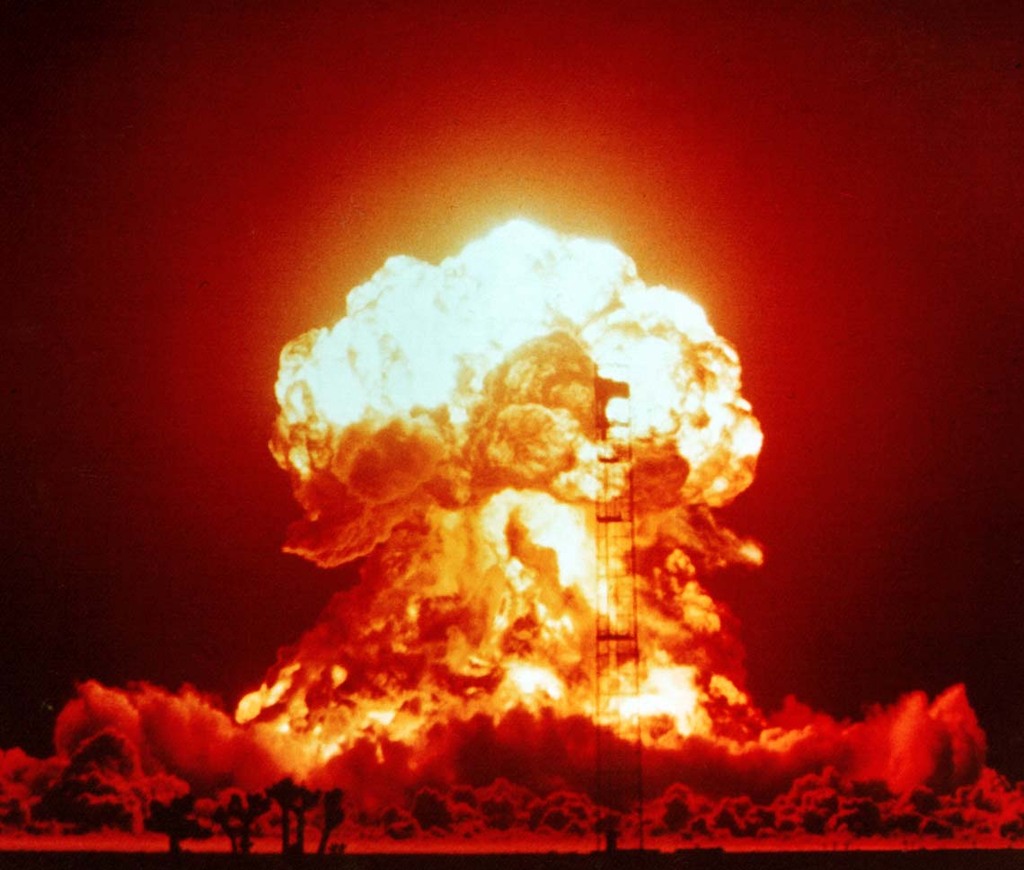
The virtual exhibition "Planet in Metamorphosis," available on the Google Arts & Culture platform, presents a curatorial project by the Museum of Tomorrow that investigates the concept of the Anthropocene – the proposition of a new geological epoch marked by human action as a transformative force on the planet. The narrative is structured around historical and scientific milestones, such as the first nuclear test in 1945, to demonstrate how anthropogenic interventions have left lasting geological traces, including elements such as plutonium, concrete, plastic, and alterations in the biogeochemical cycles of nitrogen and phosphorus.
The exhibition is organized into thematic axes that address topics ranging from the modification of atmospheric composition due to increased CO₂ concentration and the destruction of the ozone layer to ocean acidification, eutrophication of water bodies, and the acceleration of biodiversity extinction rates. The interface combines multimedia resources – such as historical photographs, videos, interactive simulations, and scientific data – to illustrate the overlapping planetary boundaries, highlighting that three of the nine safe limits proposed by the Stockholm Resilience Centre have already been exceeded: climate change, loss of biosphere integrity, and interference in the phosphorus and nitrogen cycles.
Concluding with a focus on global negotiations, such as the Paris Agreement, the exhibition offers a technical and visual analysis of the social asymmetries of environmental impacts and the urgency of redefining consumption and pollution patterns. The curatorial team utilizes collections from scientific institutions and space agencies to articulate an in-depth reflection on the capacity for human agency in the face of the need for systemic and sustainable solutions.
A exposição virtual "Planeta em Metamorfose", disponível na plataforma Google Arts & Culture, apresenta uma curadoria do Museu do Amanhã que investiga o conceito do Antropoceno – a proposição de uma nova época geológica marcada pela ação humana como força transformadora do planeta. A narrativa estrutura-se a partir de marcos históricos e científicos, como o primeiro teste nuclear em 1945, para demonstrar como intervenções antropogênicas passaram a deixar vestígios geológicos duradouros, incluindo elementos como plutônio, concreto, plástico e alterações nos ciclos biogeoquímicos de nitrogênio e fósforo. A mostra organiza-se em eixos temáticos que abordam desde a modificação da composição atmosférica pelo aumento da concentração de CO₂ e a destruição da camada de ozônio até a acidificação dos oceanos, a eutrofização de corpos d’água e a aceleração das taxas de extinção da biodiversidade. A interface combina recursos multimídia – como fotografias históricas, vídeos, simulações interativas e dados científicos – para ilustrar a sobreposição de limites planetários, destacando que três dos nove limites seguros propostos pelo Stockholm Resilience Centre já foram ultrapassados: as mudanças climáticas, a perda de integridade da biosfera e as interferências nos ciclos do fósforo e nitrogênio. Concluindo com um recorte sobre as negociações globais, como o Acordo de Paris, a exposição oferece uma análise técnica e visual sobre as assimetrias sociais dos impactos ambientais e a urgência de redefinir os padrões de consumo e poluição. A curadoria utiliza acervo de instituições científicas e agências espaciais, para articular uma reflexão aprofundada sobre a capacidade de agência humana frente à necessidade de soluções sistêmicas e sustentáveis.
A exposição virtual "Planeta em Metamorfose", disponível na plataforma Google Arts & Culture, apresenta uma curadoria do Museu do Amanhã que investiga o conceito do Antropoceno – a proposição de uma nova época geológica marcada pela ação humana como força transformadora do planeta. A narrativa estrutura-se a partir de marcos históricos e científicos, como o primeiro teste nuclear em 1945, para demonstrar como intervenções antropogênicas passaram a deixar vestígios geológicos duradouros, incluindo elementos como plutônio, concreto, plástico e alterações nos ciclos biogeoquímicos de nitrogênio e fósforo. A mostra organiza-se em eixos temáticos que abordam desde a modificação da composição atmosférica pelo aumento da concentração de CO₂ e a destruição da camada de ozônio até a acidificação dos oceanos, a eutrofização de corpos d’água e a aceleração das taxas de extinção da biodiversidade. A interface combina recursos multimídia – como fotografias históricas, vídeos, simulações interativas e dados científicos – para ilustrar a sobreposição de limites planetários, destacando que três dos nove limites seguros propostos pelo Stockholm Resilience Centre já foram ultrapassados: as mudanças climáticas, a perda de integridade da biosfera e as interferências nos ciclos do fósforo e nitrogênio. Concluindo com um recorte sobre as negociações globais, como o Acordo de Paris, a exposição oferece uma análise técnica e visual sobre as assimetrias sociais dos impactos ambientais e a urgência de redefinir os padrões de consumo e poluição. A curadoria utiliza acervo de instituições científicas e agências espaciais, para articular uma reflexão aprofundada sobre a capacidade de agência humana frente à necessidade de soluções sistêmicas e sustentáveis.
Additional type
Thematic Axis
Content
Text
The planet's natural processes are being profoundly modified by the impact of human action. Climate change, interference in the water cycle, and an accelerated rate of species extinction are some evidence that we have transformed ourselves into a geological force. Thinking about how this impact affects the human species itself is one of the great challenges of our time.
THE DAWN OF THE ANTHROPOCENE
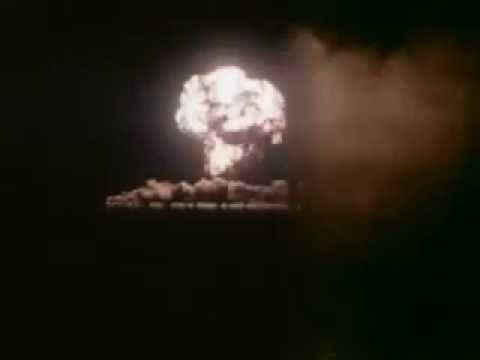
A different light than the Sun awakened the gaze and curiosity of those in the vicinity of the White Sands Missile Test Site in New Mexico (USA). The roar heard on that Monday, July 16, 1945, foreshadowed a turning point for humanity: the first atomic bomb test in history had just been carried out there. Shortly afterward, on August 9 of that year, the same plutonium used at White Sands would kill more than 60,000 people in the Japanese city of Nagasaki.
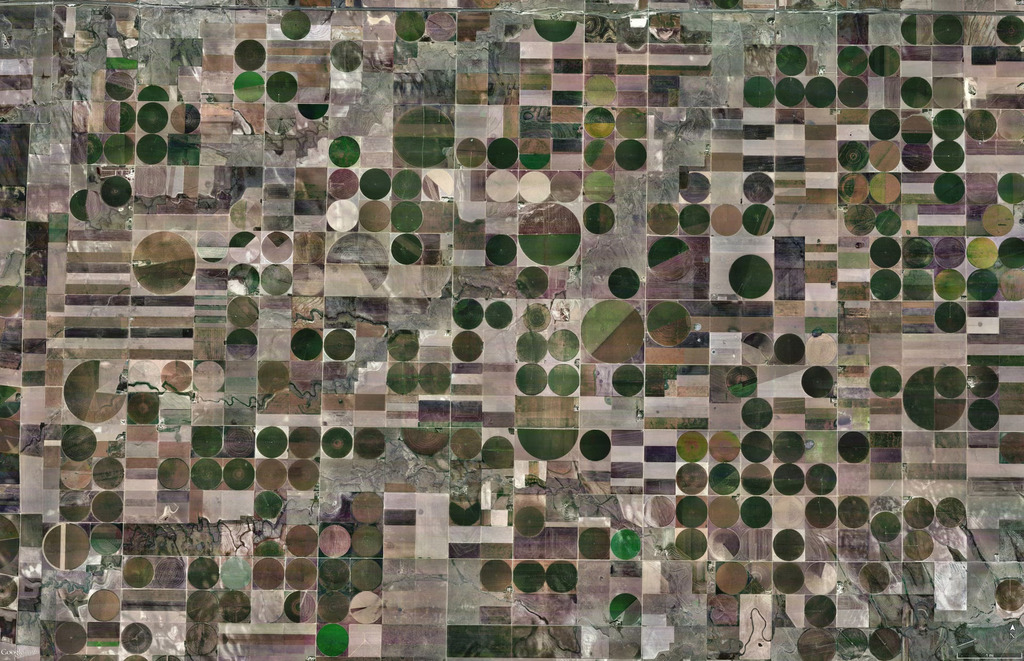
This same plutonium will take at least one hundred thousand years to decay into lead. Scientists like paleobiologist Jan Zalasiewicz claim that this mark of human action could be one of the indicators that we have entered a new geological epoch, the Anthropocene – or “the age of humans.” But this is by no means the only marker: traces of concrete, plastic, and aluminum, nicknamed “technofossils,” would also be evidence. Extensive agriculture, which uses fertilizers on a large scale and causes imbalances in the nitrogen and phosphorus cycles of the soil, would also be a trait of this new epoch – which would succeed the Holocene, a geological period that began about 11,500 years ago with the end of the effects of the last glaciation.
A WORLD POWERED BY OIL
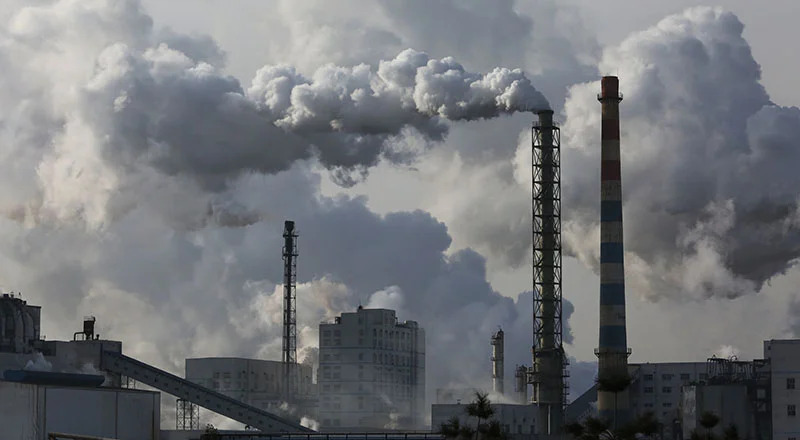
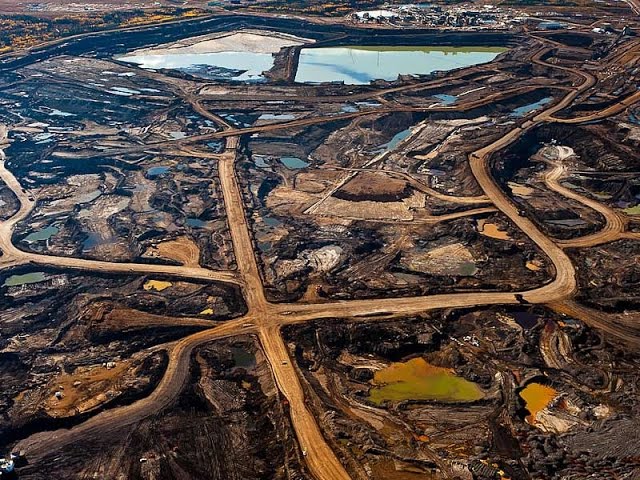
Another characteristic of this new epoch is the large-scale use of fossil fuels, which marked the transition from a manufacturing economy to an industrial one. From the first half of the 19th century onwards, the need for energy for industrial production skyrocketed, and carbon dioxide emissions into the atmosphere increased substantially. This increase in emissions was coincidentally accompanied by increasing global average temperatures. Since climate measurements began in the 19th century with the development of modern meteorology, the hottest year on record was 1937. Lately, this record has been broken almost annually – 2015 was the hottest year recorded to date, preceded by 2014.
A TURBULENT ATMOSPHERE
The burning of fossil fuels releases carbon dioxide and other greenhouse gases into the atmosphere. Their quantity in the atmosphere is so great that we have already altered its composition: for every million air molecules, there are 400 carbon dioxide molecules. It may seem like a small amount, but the last time Earth had this concentration of the gas in its atmosphere was between 15 and 20 million years ago – when the planet was very different and the human species did not yet exist. Scientists attest that 350 parts per million would be a safe limit for carbon dioxide concentration so that the average rise in global temperature does not exceed 2°C by the end of the century. By exceeding this limit, we contribute to increasing the planet's warming levels, since carbon dioxide is a gas that hinders solar rays that hit the planet from returning to space, retaining heat in our atmosphere beyond our needs.
MARKS ON THE OZONE LAYER
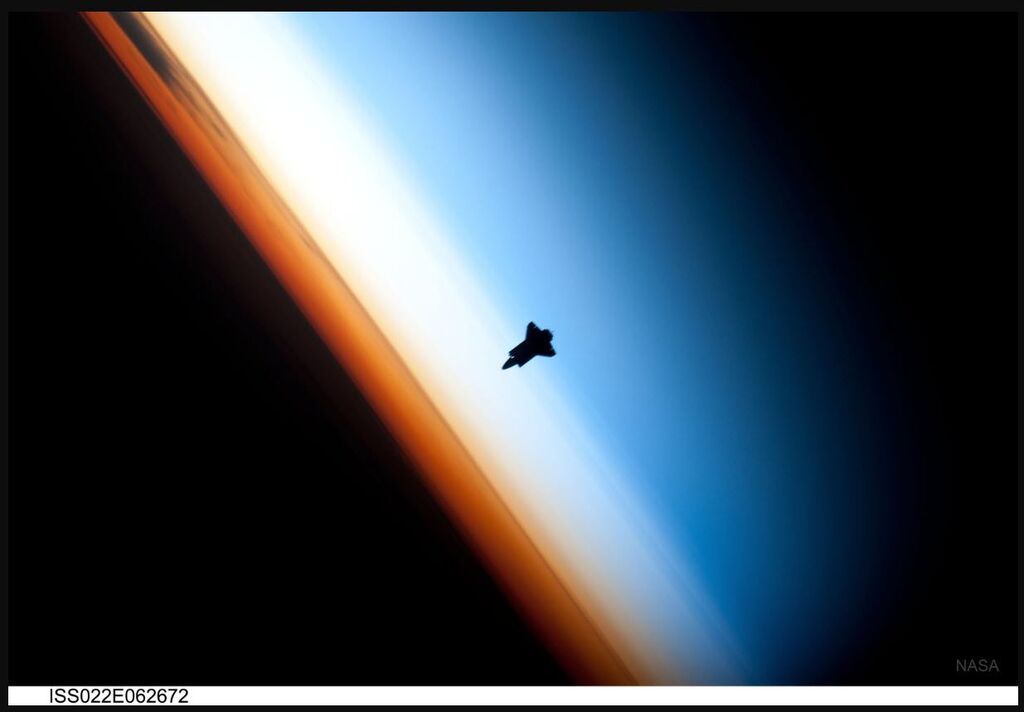
Our actions go beyond carbon dioxide in the atmosphere and are also felt in the Earth's stratosphere. Since the 1970s, scientists have suspected that the ozone layer could be in danger due to the use of chemical components such as chlorofluorocarbons (CFCs). Chemist Paul Crutzen, along with colleagues Frank Rowland and Mario Molina, pointed to the relationship between ozone layer depletion and CFCs. This connection was proven in 1981 with the launch of a NASA satellite, the Solar Mesosphere Explorer (SME), which "saw" the predictions of the three scientists. With less ozone in the stratosphere, the planet was less protected against UV solar rays, which could lead to a greater number of cases of skin cancer, cataracts, and a reduction in plankton populations in the oceans.
Used in refrigerators and aerosols, CFCs had their industrial use banned in 1987 with the Montreal Protocol – and the world managed to eliminate the use of the substance in 1996. A recent study by the World Meteorological Organization (WMO) and the United Nations Environment Programme (UNEP) showed that, in recent years, the depletion of the ozone layer over Antarctica has decreased and shows signs of recovery. However, we will have to deal with other issues that require complex actions: carbon dioxide emissions into the atmosphere, for example, continue to increase at an alarming rate.
MARINE LIFE AT RISK
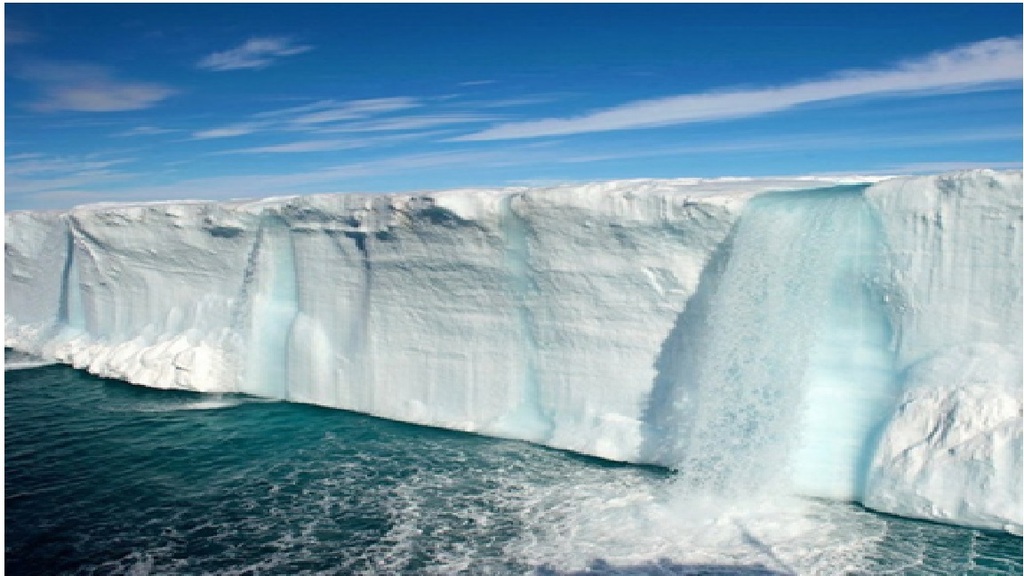
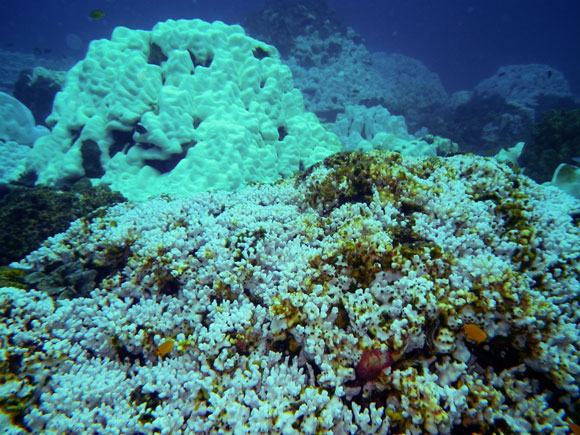
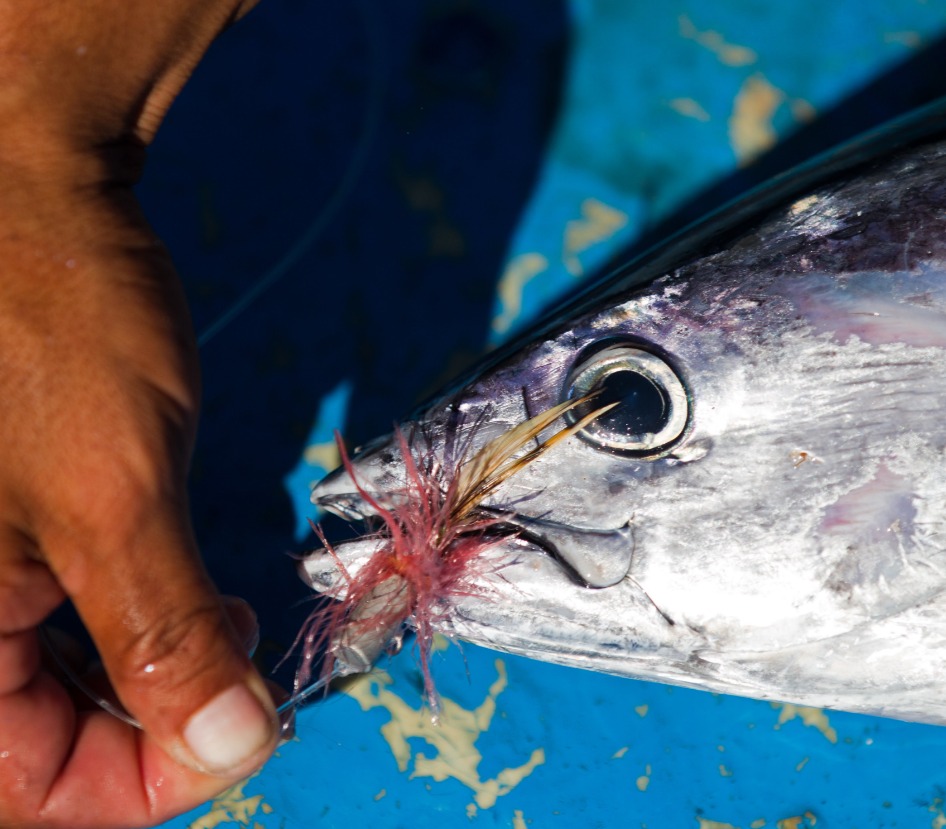
By absorbing carbon dioxide, ocean waters become more acidic. The gas, reacting with seawater, causes a reduction in the pH of the marine environment. This is very dangerous for species with calcium carbonate shells, which may have difficulty developing their skeletons and 'shells'. Ocean warming, in turn, besides causing the melting of ice in the polar ice caps, impairs aquatic oxygenation, suffocating fish and other species.
MORE POLLUTED OCEANS
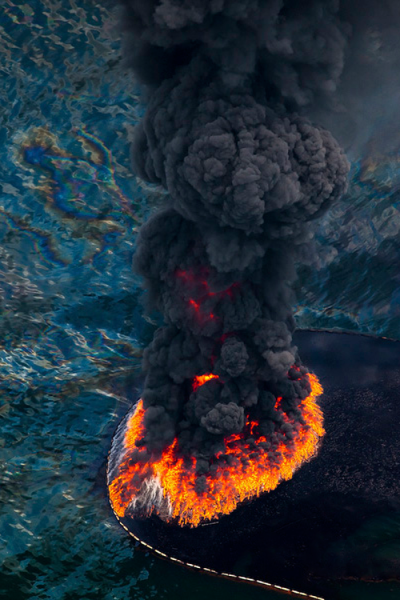
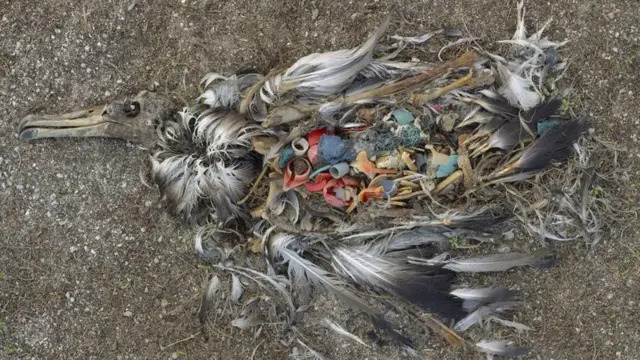
Water pollution is also a major problem for the oceans: in addition to impoverishing water quality, it causes diseases and profoundly impacts the marine biome, causing damage to biodiversity on all continents. Pollution also generates a series of imbalances in natural cycles and even in animal behavior. A study from Uppsala University in Sweden showed that fish larvae, when exposed to microplastics—tiny pieces of the material, less than a millimeter in diameter—prefer to eat them over zooplankton. As a result, they die faster and their growth is profoundly affected. Because of their small size, these plastics, present in exfoliants and other beauty products, are very difficult to filter in wastewater treatment and end up in lakes, rivers, and oceans.
RED ALERT FOR RIVERS
Aquatic life in freshwater rivers is also profoundly affected by human activity. In much of the course of rivers such as the Tietê in São Paulo and the Paraíba do Sul in Rio de Janeiro, it is not difficult to see clear signs of eutrophication. In this process, excessive pollution in rivers causes an increase in the concentration of phosphorus and nitrogen, leading to the reproduction of certain algae and bacteria that, by extracting oxygen from the water to breathe, cause the death of animals and plants that live in the rivers.
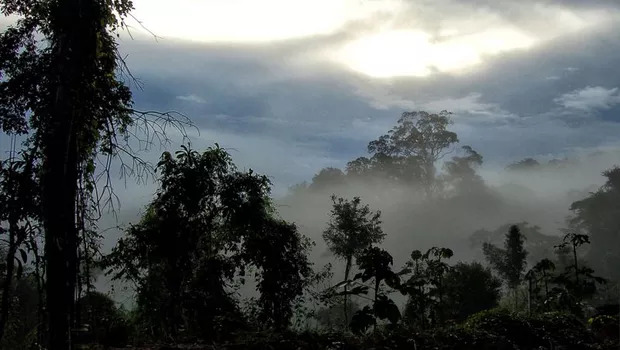
We are also affecting the functioning of the 'flying rivers' mainly through deforestation in the Amazon. Flying rivers are masses of air that, evaporated from the Atlantic Ocean, are attracted by the humidity of the Amazon region – mainly by the trees. This humidity transforms into rain, and much of it is transported to the southernmost parts of Brazil, causing rainfall as well. The increase in deforestation creates an imbalance in this cycle.
BIODIVERSITY IN THE SPOTLIGHT
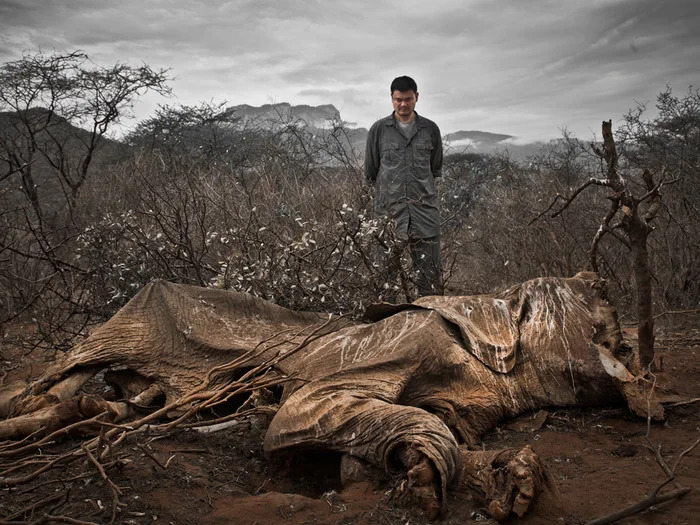
The alteration of other biomes on land – mainly due to climate change, increased pollution, and deforestation – has caused a large increase in the rate of species extinction. Since the 20th century, plants and other life forms have disappeared from the face of the planet a hundred times faster than normal because of human action. Recent research warns that the impact of our species on others is comparable to that of the meteor that wiped out the dinosaurs on the planet about 66 million years ago. The natural rate of extinction would be the disappearance of two species every 10,000 per century – what we have today is a much faster pace than this. Since 1900, for example, we have had the extinction of almost 500 vertebrates – a much larger number than the expected 9 extinct species if we counted on the normal rate of disappearances.
EXCEEDING LIMITS
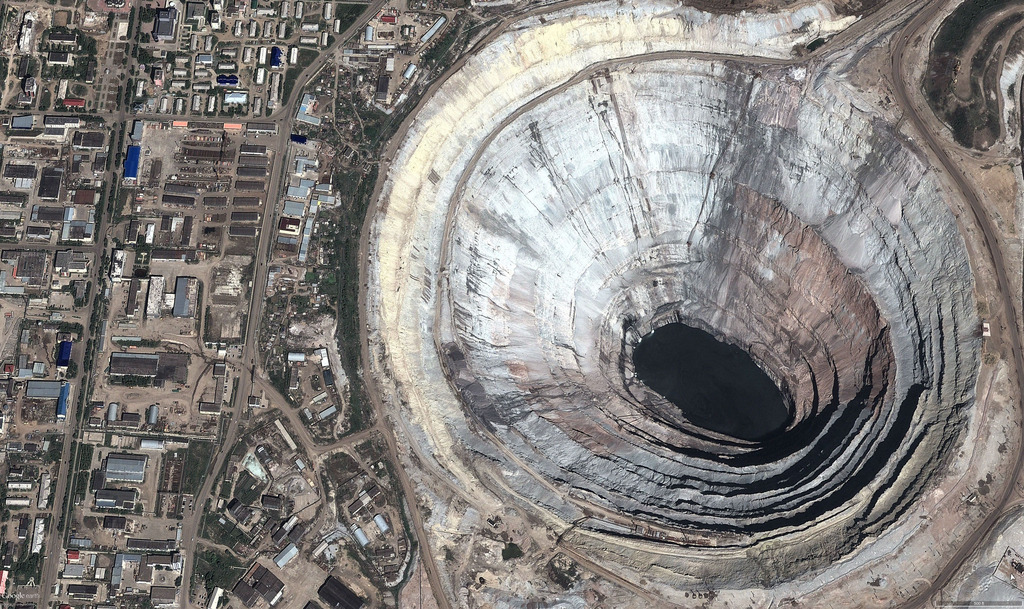
In addition to causing changes in the biodiversity and biomes of the planet, we also consume and extract resources faster than the Earth is able to replenish them. In 2009, researchers at the Stockholm Resilience Centre (SRC) proposed nine planetary boundaries under which it would be safe for humanity to develop before causing irreversible damage to the planet. The list includes biodiversity loss – of plant and animal species, ocean acidification, alteration of the phosphorus and nitrogen cycles, ozone layer depletion, changes in land use, changes in water use, atmospheric aerosol pollution, chemical pollution of ecosystems, and climate change.
Of these limits, we have already exceeded three: climate change, biodiversity loss, and alteration of the hydrogen cycle. Although we have improved somewhat regarding ozone layer depletion, a study published in January 2015 in the journal Science indicates that we will not take long to exceed a fourth limit: land use. In this sense, we still need to do more to make our existence on the planet more sustainable.
GLOBAL POLICIES FOR GLOBAL PROBLEMS
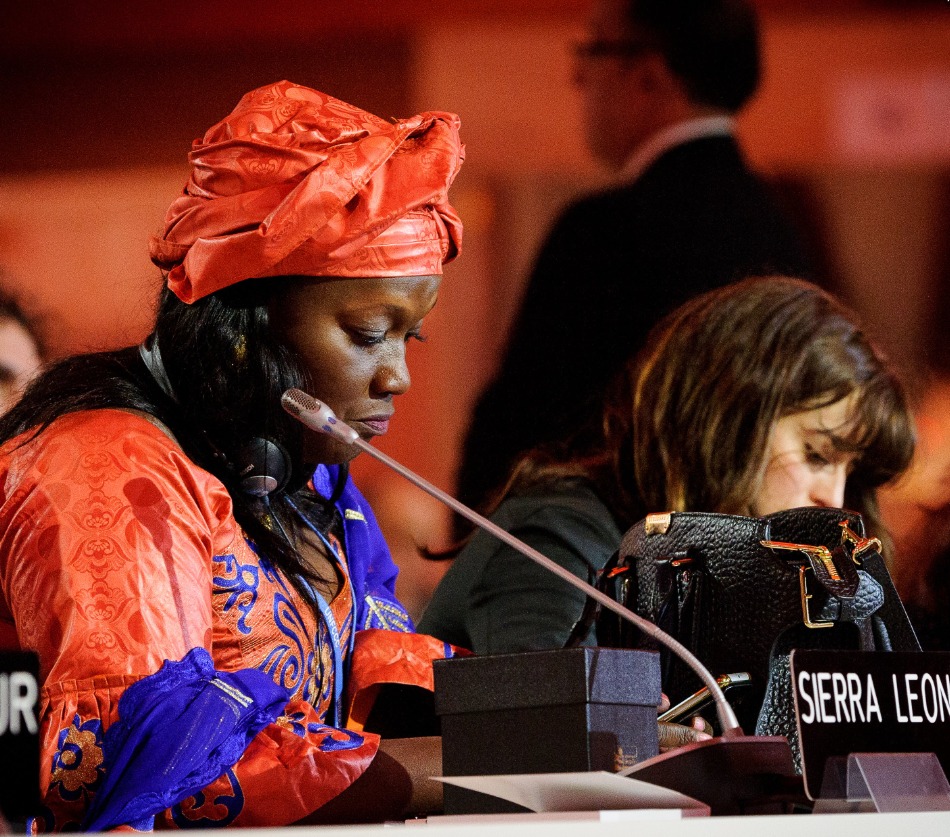
There are ongoing negotiations to address the advancement of these limits within the global political framework. In December 2015, world leaders met in Paris, France, to negotiate policies to reduce carbon dioxide emissions into the atmosphere and help more vulnerable countries adapt to climate change. Carbon dioxide, along with other gases such as methane, contributes to the acceleration of the greenhouse effect – a natural process of the planet. With this accelerated process, in a very short time we could reach an average increase in global warming that could be harmful to life, including human life, on Earth.
Through the dialogue that took place in the French capital, 195 governments from around the world realized that it is necessary – according to many scientists and activists, urgent – to review our patterns of use of natural resources and the pollution we produce. These conversations resulted in a document – informally called the ‘Paris Agreement’ – in which each of the 195 countries present could suggest the contributions to which they wish to commit. The goal is for the Agreement to enter into force in 2020, when the Kyoto Protocol, currently in effect, expires. Analysts suggest that, if successful, the Paris Agreement will be a great gift from our generation to future generations.
THE ANTHROPOCENE HAS MANY FACES
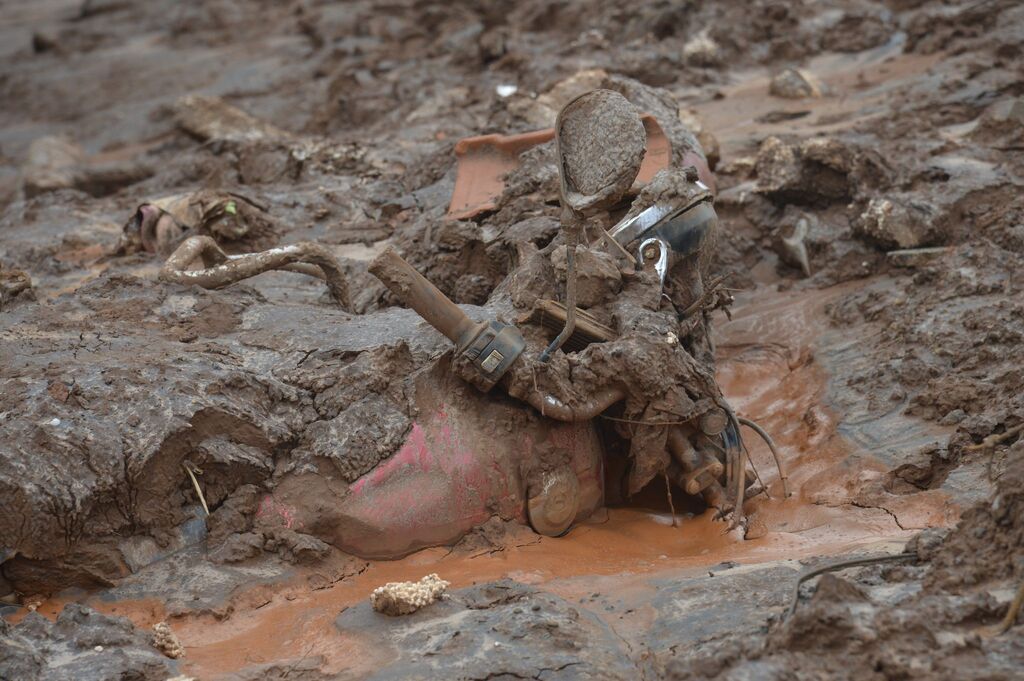
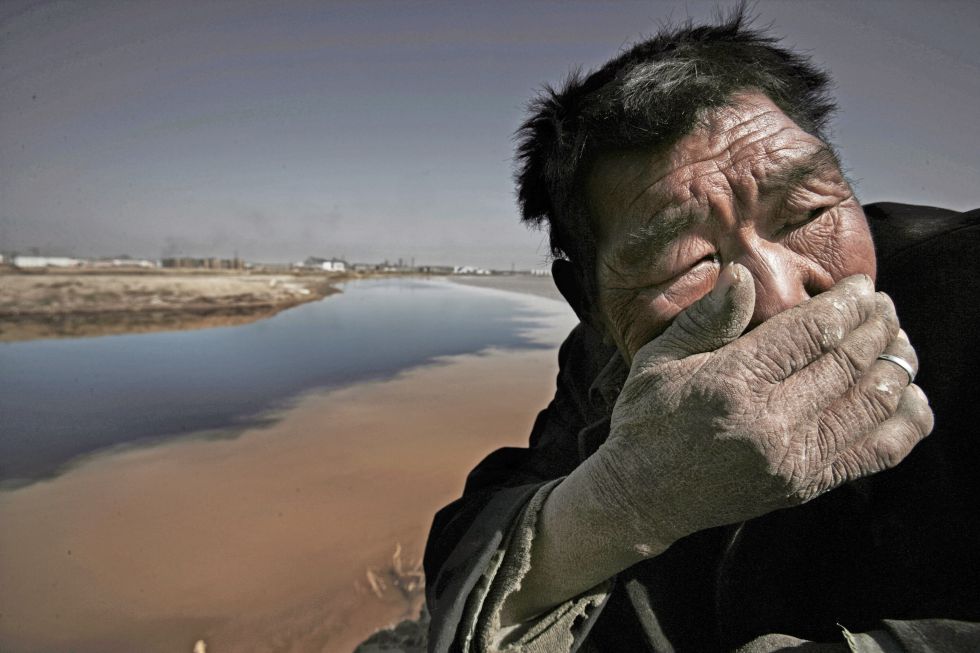
While action to curb climate change is progressing slowly, its effects are felt by people around the world – but not in the same way. Different social groups feel them in different ways: in general, the first to be affected are the most vulnerable groups – whether socially, economically or environmentally. Those who are economically and socially disadvantaged are the ones who have to live in places more prone to environmental accidents or the effects of river and stream pollution. According to the Intergovernmental Panel on Climate Change (IPCC), the poorest countries will be the most affected by climate change. Those who will suffer most from hotter days and nights, rising sea levels, more unpredictable rainfall, and more frequent and longer-lasting heat waves will be affected.
MORE ENVIRONMENTALLY DISPLACED PEOPLE?
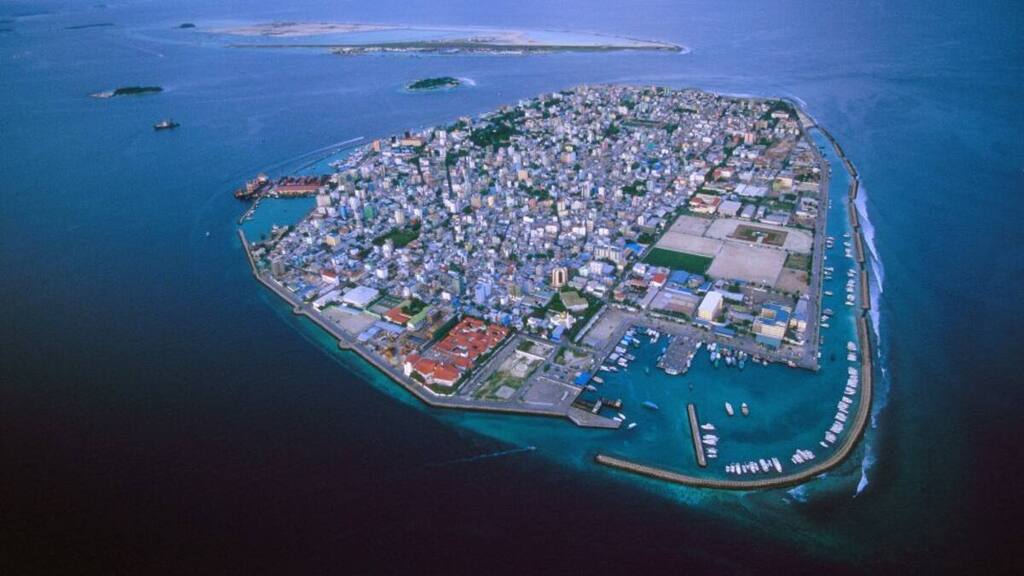
This change in rainfall, cold, and heat distribution patterns will lead to a gradual migration of biomes and the species that inhabit them. With this migration, it is inevitable that the human species will also migrate from certain locations to others—tropical regions tend to become even hotter, and global geography may be affected due to rising sea levels. Five islands in the Solomon Islands archipelago, in the Pacific Ocean, have already been submerged due to rising sea levels. Changes like this will produce more and more people displaced from their lands for environmental reasons.
Os processos naturais do planeta estão sendo profundamente modificados pelo impacto da ação humana. Mudanças climáticas, interferência no ciclo das águas e uma taxa acelerada de extinção de espécies são algumas evidências de que temos nos transformado em uma força geológica. Pensar como este impacto afeta a própria espécie humana é um dos grandes desafios do tempo em que vivemos.
O AMANHECER DO ANTROPOCENO
Uma outra luminosidade que não a do Sol despertou olhares e curiosidades de quem estava nas imediações do Campo de Teste de Mísseis de White Sands, no Novo México (EUA). O estrondo ouvido naquele 16 de julho de 1945, uma segunda-feira, prenunciava uma mudança de rumos para a humanidade: acabara de ser realizado, ali, o primeiro teste com bomba atômica da história. Pouco tempo depois, em 9 de agosto daquele ano, o mesmo plutônio usado em White Sands mataria mais de 60 mil pessoas na cidade japonesa de Nagasaki.
Este mesmo plutônio levará pelo menos cem mil anos para decair até se transformar em chumbo. Cientistas como o paleobiólogo Jan Zalasiewicz afirmam que esta marca da ação humana poderia ser um dos indicadores de que adentramos uma nova época geológica, o Antropoceno – ou “a época dos humanos”. Mas este, nem de longe, é o único marcador: traços de concreto, plástico e alumínio, apelidados de “tecnofósseis”, também seriam indícios. A agricultura extensiva, que usa fertilizantes em larga escala e causa desequilíbrio dos ciclos de nitrogênio e fósforo do solo também seriam um traço desta nova época – que sucederia o Holoceno, período geológico iniciado há cerca de 11,5 mil anos com o fim dos efeitos da última glaciação.
UM MUNDO MOVIDO A PETRÓLEO
Outra característica desta nova época é o uso em larga escala de combustíveis fósseis, que marcou a transição de uma economia de manufatura para uma industrial. Da primeira metade do século XIX para cá, a necessidade por energia para a produção industrial disparou e as emissões de dióxido de carbono na atmosfera aumentaram substancialmente. Esse aumento de emissões veio acompanhado, coincidentemente, por aumentos crescentes da temperatura média global. Desde que medições do clima começaram a ser feitas, ainda no século XIX, com o desenvolvimento da meteorologia moderna, o primeiro ano mais quente de que se tem registro é 1937. Nos últimos tempos, esse ‘recorde’ vem sendo quebrado quase que anualmente -- 2015 foi o ano mais quente registrado até o momento, antecedido por 2014.
UMA ATMOSFERA AGITADA
A queima de combustíveis fósseis lança dióxido de carbono e outros gases aceleradores do efeito estufa no planeta. A quantidade deles na atmosfera é tão grande que que já mudamos sua composição: para cada milhão de moléculas de ar, há 400 de dióxido de carbono. Parece pouco, mas a última vez que a Terra tinha a mesma concentração do gás na atmosfera foi entre 15 e 20 milhões de anos atrás – quando o planeta era bem diferente e a espécie humana ainda não existia. Cientistas atestam que 350 partes por milhão seria um limite seguro de concentração de dióxido de carbono para que a elevação média da temperatura global não ultrapasse os 2°C até o fim do século. Ao transpor este limite, contribuímos para aumentar os níveis de aquecimento do planeta, já que o dióxido de carbono é um gás que dificulta que os raios solares que incidem no planeta voltem ao espaço, retendo o calor na nossa atmosfera para além das nossas necessidades.
MARCAS NA CAMADA DE OZÔNIO
Nossa ação ultrapassa o dióxido de carbono na atmosfera e se faz sentir também na estratosfera terrestre. Desde a década de 1970, cientistas desconfiavam que a camada de ozônio poderia estar em perigo devido ao uso de componentes químicos como os clorofluorcarbonos (CFCs). O químico Paul Crutzen, junto com os colegas Frank Rowland e Mario Molina, apontou para a relação entre destruição da camada de ozônio e CFCs. Tal conexão foi comprovada em 1981 com o lançamento de um satélite da Nasa, o Solar Mesosphere Explorer (SME), que “enxergou” as previsões dos três cientistas. Com menos ozônio na estratosfera, o planeta ficava menos protegido contra os raios solares UV, o que poderia acarretar em um maior número de casos de câncer de pele, catarata e redução das populações de plâncton nos oceanos.
Usados em geladeiras e aerossóis, os CFCs tiveram seu uso industrial proibido em 1987, com o Protocolo de Montreal -- e o mundo conseguiu zerar o uso da substância em 1996. Um estudo recente da Organização Meteorológica Mundial (OMM) e do Programa das Nações Unidas pelo Meio Ambiente (PNUMA) mostrou que, nos últimos anos, o desgaste na camada de ozônio sobre o Antártico diminuiu e mostra sinais de recuperação. Teremos que lidar, no entanto, com outras questões que exigem ações complexas: as emissões de dióxido de carbono na atmosfera, por exemplo, continuam avançando em velocidade preocupante.
VIDA MARINHA EM RISCO
Ao absorver dióxido de carbono, as águas dos oceanos se tornam mais ácidas. O gás, ao reagir com a água do mar, provoca a redução do pH do ambiente marinho. Isto é muito perigoso para espécies com carapaças de carbonato de cálcio, que podem ter dificuldade em desenvolver seus esqueletos e ‘cascos’. O aquecimento dos oceanos, por sua vez, além de provocar o derretimento de gelo nas calotas polares, prejudica a oxigenação aquática, asfixiando peixes e outras espécies.
OCEANOS MAIS POLUÍDOS
A poluição aquática também é um grande problema para os oceanos: além de empobrecer a qualidade da água, provoca doenças e impacta profundamente o bioma marinho, causando prejuízos à biodiversidade de todos os continentes. A poluição, além disso, gera uma série de desequilíbrios nos ciclos naturais e, inclusive, no comportamento animal. Um estudo da universidade de Uppsala, na Suécia, mostrou que larvas de peixe, quando expostas a microplásticos -- pedaços minúsculos do material, com menos de um milímetro de diâmetro -- preferem comê-los ao zooplâncton. Como resultado, morrem mais rápido e têm seu crescimento profundamente afetado. Por causa do seu pequeno tamanho, estes plásticos, presentes em esfoliantes e outros produtos de beleza, são muito difíceis de ser filtrados no tratamento de resíduos e vão parar em lagos, rios e oceanos.
ALERTA VERMELHO PARA OS RIOS
A vida aquática nos rios de água doce também se encontra profundamente afetada pela ação humana. Em boa parte do curso de rios como o Tietê, em São Paulo, e Paraíba do Sul, no Rio de Janeiro, não é difícil ver sinais claros de eutrofização. Neste processo, o excesso de poluição nos rios faz com que a concentração de fósforo e nitrogênio aumente, acarretando na reprodução de certas algas e bactérias que, por retirarem oxigênio da água para respirar, provocam a morte de animais e plantas que vivem nos rios.
Estamos, também, afetando o funcionamento dos ‘rios voadores’ principalmente através do desmatamento na Amazônia. Rios voadores são massas de ar que, evaporadas do oceano Atlântico, são atraídas pela umidade da região amazônica – principalmente pelas árvores. Esta umidade se transforma em chuva e boa parte dela é transportada para as partes mais ao sul do Brasil, fazendo com que também haja precipitação de chuvas. O aumento no desmatamento gera desequilíbrio neste ciclo.
BIODIVERSIDADE NA BERLINDA
A alteração de outros biomas em terra – principalmente por mudanças no clima, aumento da poluição e do desmatamento – tem provocado um grande aumento na taxa de extinção de espécies. Desde o século XX, plantas e outras formas de vida têm desaparecido da face do planeta cem vezes mais rapidamente que o normal por causa da ação humana. Pesquisas recentes alertam que o impacto da nossa espécie sobre outras é comparável ao do bólido que dizimou os dinossauros do planeta há cerca de 66 milhões de anos. A taxa natural de extinção seria o desaparecimento de duas espécies a cada 10 mil por século -- o que temos hoje é um ritmo muito mais acelerado que este. Desde 1900, por exemplo, tivemos a extinção de quase 500 vertebrados -- quantia bem maior do que as esperadas 9 espécies extintas se contássemos com o ritmo normal de desaparecimentos.
ULTRAPASSANDO LIMITES
Além provocar alterações na biodiversidade e nos biomas do planeta, também consumimos e extraímos recursos mais depressa do que a Terra é capaz de repor. Em 2009, pesquisadores do Stockholm Resilience Centre (SRC) propuseram nove limites planetários sob os quais seria seguro que a humanidade se desenvolva antes de causar danos irreversíveis ao planeta. Na lista estão perda de biodiversidade – de espécies de plantas e animais, acidificação dos oceanos, alteração dos ciclos de fósforo e nitrogênio, destruição da camada de ozônio, mudanças nos usos da terra, mudanças nos usos da água, carregamento de aerossóis na atmosfera, poluição química dos ecossistemas e mudanças climáticas.
Destes limites, já ultrapassamos três: mudanças climáticas, perda da biodiversidade e alteração do ciclo de hidrogênio. Apesar de termos melhorado um pouco quanto à destruição da camada de ozônio, um estudo publicado em janeiro de 2015 na revista Science indica que não iremos demorar muito para ultrapassar um quarto limite: o de usos da terra. Neste sentido, ainda precisamos fazer mais para que tornemos mais sustentável a nossa existência sobre o planeta.
POLÍTICAS GLOBAIS PARA PROBLEMAS GLOBAIS
Existem negociações para tratar do avanço destes limites no âmbito político global. Em dezembro de 2015, líderes do mundo inteiro se reuniram em Paris, na França, a fim de negociar políticas para reduzir as emissões de dióxido de carbono na atmosfera e ajudar países mais vulneráveis a se adaptar às mudanças climáticas. O dióxido de carbono, junto com outros gases como o metano, contribui para que o efeito estufa – que é um processo natural do planeta – se acelere. Com este processo acelerado, em muito pouco tempo podemos chegar a um aumento médio de aquecimento global que pode ser prejudicial à vida, inclusive humana, na Terra.
Com o diálogo que aconteceu na capital francesa, 195 governos do mundo perceberam que é preciso – de acordo com muitos cientistas e ativistas, urgente – rever nossos padrões de uso dos recursos naturais e da poluição que produzimos. Destas conversas, resultou um documento – informalmente chamado de ‘Acordo de Paris’ – em que cada um dos 195 países presentes pôde sugerir as contribuições a que querem se comprometer. O objetivo é que o Acordo entre em vigor em 2020, quando o Protocolo de Quioto, atualmente em vigor, termina. Analistas sugerem que, se bem sucedido, o Acordo de Paris será uma grande dádiva da nossa geração a gerações futuras.
O ANTROPOCENO TEM VÁRIAS FACES
Enquanto a ação para conter as mudanças climáticas caminha a passos lentos, seus efeitos são sentidos por pessoas em todo o mundo – mas não da mesma forma. Grupos sociais diferentes os sentem de formas distintas: em geral, os primeiros atingidos são os grupos mais vulneráveis – seja socialmente, economicamente ou ambientalmente. São os menos favorecidos econômica e socialmente os que têm de morar em locais mais propensos a acidentes ambientais ou aos efeitos da poluição de rios e córregos. Segundo o Painel Intergovernamental sobre Mudanças Climáticas (IPCC, na sigla em inglês), os países mais pobres serão os mais atingidos pelas mudanças climáticas. Serão os que mais sofrerão com dias e noites mais quentes, elevação do nível do mar, mais chuvas imprevisíveis e ondas de calor em maior quantidade e duração.
MAIS DESLOCADOS AMBIENTAIS?
Esta mudança nos padrões de distribuição de chuva, frio e calor acarretará uma migração gradual de biomas e espécies que neles habitam. Com esta migração, é inevitável que a espécie humana também migre de certos locais para outros -- regiões tropicais tendem a ficar ainda mais quentes e a geografia global pode ser afetada devido à elevação do nível dos oceanos. Cinco ilhas do Arquipélago de Salomão, no oceano Pacífico, já foram submersas em decorrência do aumento do nível do mar. Mudanças como esta produzirão cada vez mais deslocados de suas terras por razões ambientais.
Keyword
Credits
President of the Board of Directors of IDG: Fred Arruda
CEO: Ricardo Piquet
General Curator: Luiz Alberto Oliveira
Content Director: Alfredo Tolmasquim
Operations & Finance Director: Henrique Oliveira
Audience Development Director: Alexandre Fernandes
Planning & Management Director: Vinícius Capillé
Fundraising Director: Renata Salles
Exhibition and Observatory of Tomorrow Manager: Leonardo Menezes
Research and Writing: Meghie Rodrigues
Video Editing: Eduardo Carvalho
Text Editing: Emanuel Alencar
Photos: Global Population Speak Out, National Nuclear Security Administration Nevada Site Office Photo Library, Google Earth / Image Landsat, Greenpeace, Fotos Públicas, National Aeronautics and Space Administration (NASA), National Oceanic and Atmospheric Administration (NOAA), Agência Brasil, Google Street View
Video: Federal Civil Defense Administration USA
Presidente do Conselho de Administração do IDG: Fred Arruda
Diretor Presidente: Ricardo Piquet
Curador Geral: Luiz Alberto Oliveira
Diretor de Conteúdo: Alfredo Tolmasquim
Diretor de Operações & Finanças: Henrique Oliveira
Diretor de Desenvolvimento de Públicos: Alexandre Fernandes
Diretor de Planejamento & Gestão: Vinícius Capillé
Diretora Captação de Recursos: Renata Salles
Gerente de Exposições e Observatório do Amanhã: Leonardo Menezes
Pesquisa e Redação: Meghie Rodrigues
Edição de vídeos: Eduardo Carvalho
Edição de textos: Emanuel Alencar
Fotos: Global Population Speak Out, National Nuclear Security Administration Nevada Site Office Photo Library, Google Earth / Image Landsat, Greenpeace, Fotos Públicas, National Aeronautics and Space Administration (NASA), National Oceanic and Atmospheric Administration (NOAA), Agência Brasil, Google StreetView
Vídeo: Federal Civil Defense Administration USA
Assets
Image17
Video