
Identifier
MDA.MUS.00004.2
Support
Structure
Title
The Earth is blue Interactive Table
Mesa interativa A Terra é azul
Mesa interativa A Terra é azul
Group
Description
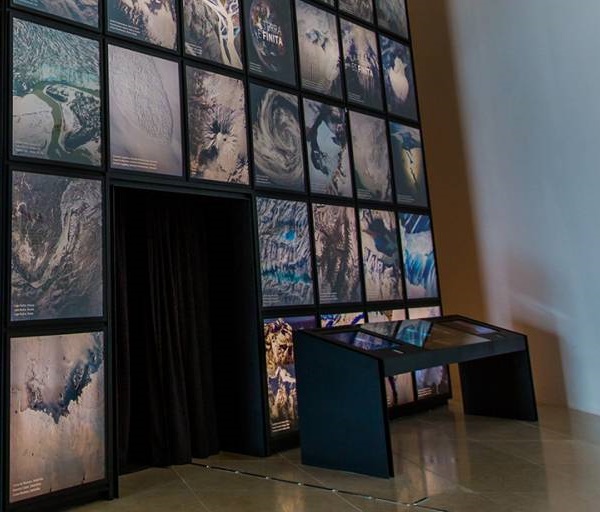
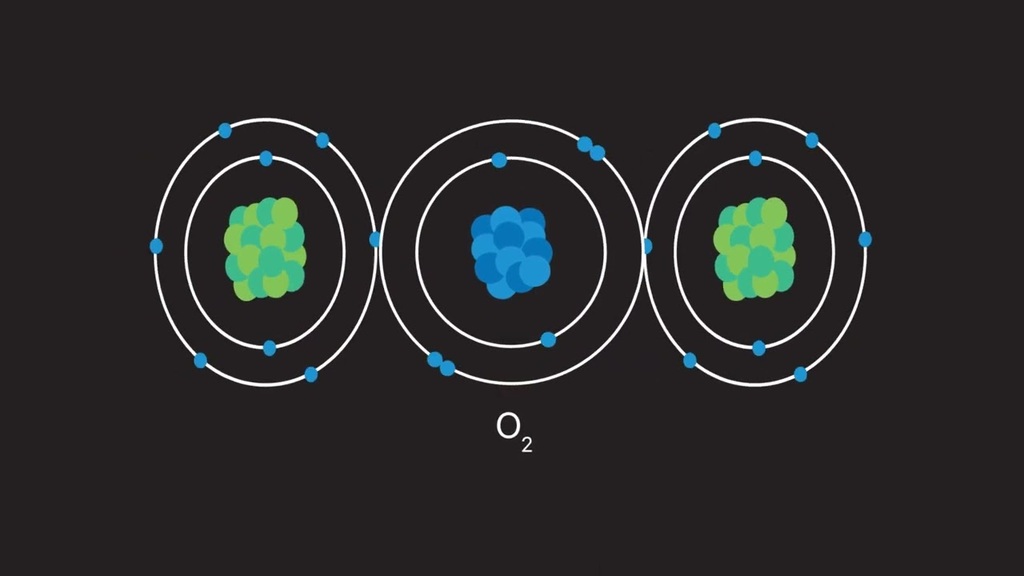
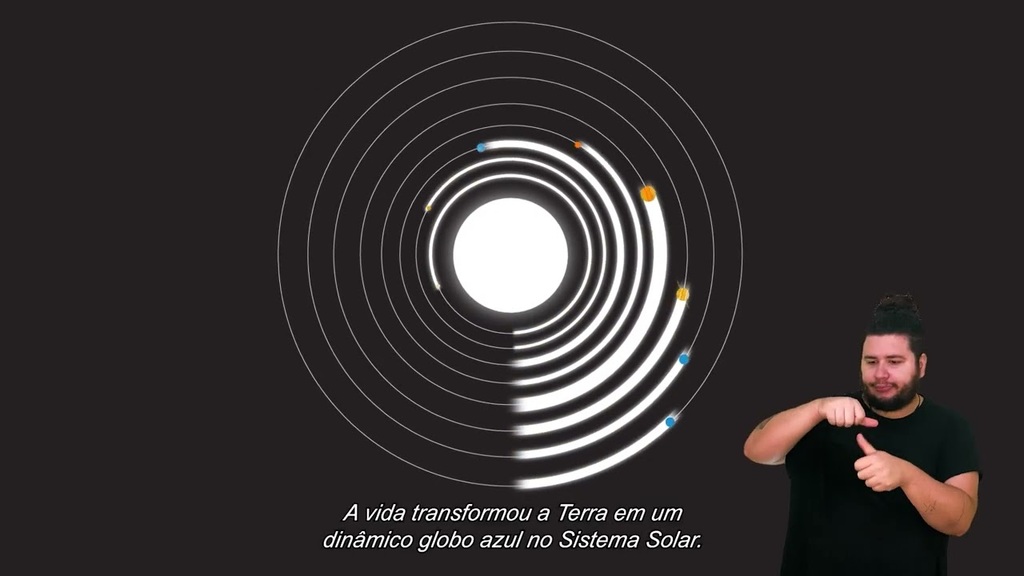
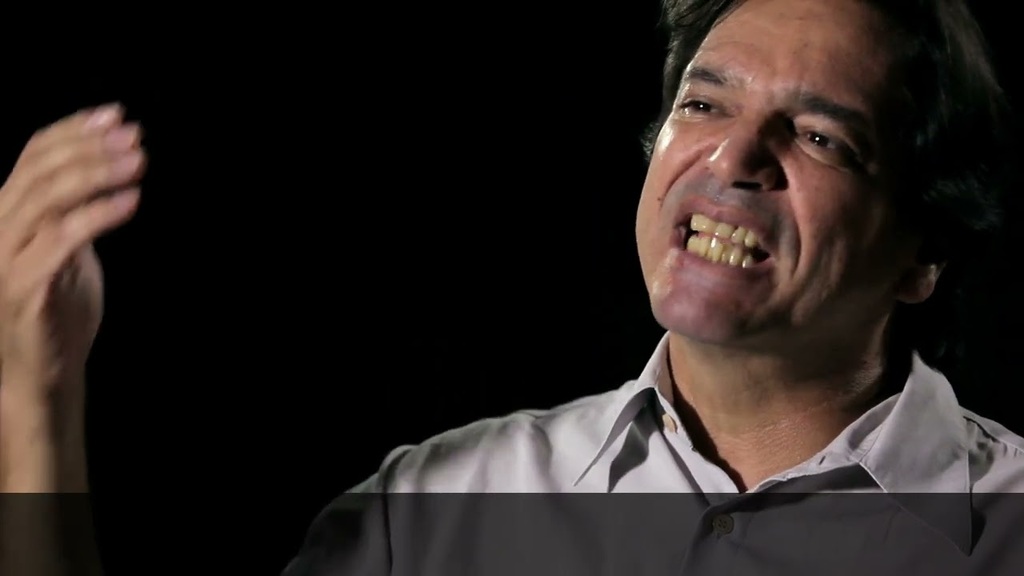
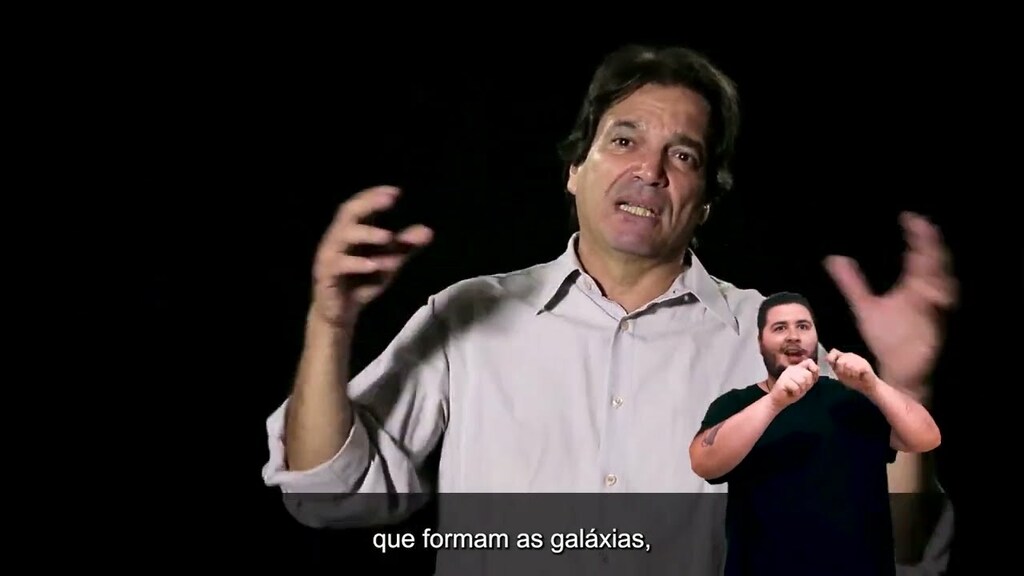
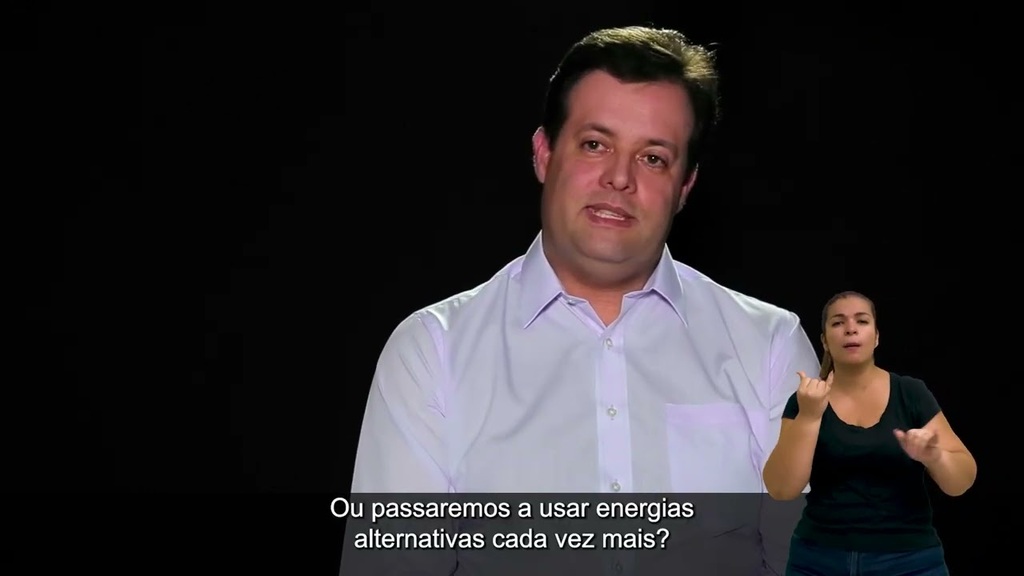
The interactive table, located at the entrance of the Cube of Matter, features the video "The Earth is Blue," informative texts on "the composition of the Earth," "the composition of the human body," "the formation of stars, asteroids, planets, and living beings," and a video interview with physicist Luiz Alberto de Oliveira and meteorologist Gilvan Sampaio de Oliveira.
The texts related to the content of the interactive table "The Earth is Blue" can be found in the "Other Information > Text" section.
A mesa interativa, localizada na entrada do Cubo da Matéria, apresenta o vídeo "A Terra é azul"; textos informativos "composição da terra", "composição do corpo humano", "formando as estrelas, asteroides, planetas e seres vivos"; um vídeo de uma entrevista com o físico Luiz Alberto de Oliveira e com o meteorologista Gilvan Sampaio de Oliveira. Os textos relacionados ao conteúdo da Mesa interativa A Terra é azul encontram-se no campo Demais informações > Texto.
A mesa interativa, localizada na entrada do Cubo da Matéria, apresenta o vídeo "A Terra é azul"; textos informativos "composição da terra", "composição do corpo humano", "formando as estrelas, asteroides, planetas e seres vivos"; um vídeo de uma entrevista com o físico Luiz Alberto de Oliveira e com o meteorologista Gilvan Sampaio de Oliveira. Os textos relacionados ao conteúdo da Mesa interativa A Terra é azul encontram-se no campo Demais informações > Texto.
Collection
Author
Co-author
Caption
Terra: A Terra é azul. 2015. Técnica mista. 98 x 360 x 68 cm | Duração variável.
.
Earth: The Earth is blue. 2015. Mixed media. 98 x 360 x 68 cm | Variable duration.
.
Tierra: La Tierra es azul. 2015. Técnica mixta. 98 x 360 x 68 cm | Duración variable.
Accessibility
Brazilian Sign Language (Libras)Accessibility
Virtual tourAccessibility
Additional Type
Technique
Video recordingTechnique
Assembly | MountingTechnique
Electrostatic paintingTechnique
Mixed mediaTechnique
Computer graphicsTechnique
Material
Galvanized steelMaterial
BacklightMaterial
Metal sheetMaterial
ComputerMaterial
LED light fixtureMaterial
Video monitor (LED)Material
Epoxy paintMaterial
Cooler FanMaterial
Tempered glassMaterial
Size
98 x 360 x 68 cm
fileExtension
resolution
variável
fileSize
variável
duration
variável
language
EnglishLanguage
SpanishLanguage
Brazilian Sign Language (Libras)Language
Brazilian Sign Language (Libras)Language
speaker
Luiz Alberto OliveiraPerson
researcher
Exhibition
Related Item6
Text
THE EARTH IS BLUE
It was only with the space flight of Russian cosmonaut Yuri Gagarin, in 1961, that we saw our planet in its entirety for the first time. After his journey into space, Gagarin said: “The Earth has a distinct beautiful bluish halo that we can clearly see when we look at the horizon.” Since then, new images of our planet are being made every day. Seen from afar, the globe reflects its trademark blue color, but when we take a closer look, we can admire its infinity of landscapes and textures.
The faces of this cube show images of Earth seen from atmosphere and space.
FORMING STARS, ASTEROIDS, PLANETS AND LIVING CREATURES
Different chemical elements compose all sorts of materials. All known substances consist of atoms, elementary units that can be combined in various ways. The Earth was formed from the same substances that gave origin to the Sun and other planets, and its structure and composition are the result of numerous collisions between smaller primitive bodies, that gradually coalesced, until they finally achieved the current round shape of our planet. The formation of the Earth allowed complex molecules to emerge that eventually transformed into living cells that later made room for complex organisms and ecosystems, like the ones we inhabit today.
COMPOSITION OF THE EARTH
Sodium 0,18%, Aluminium 1,59%, Calcium 1,71%, Magnesium 15,4%, Silicon 16,1%, Oxygen 29,7%, Iron 31,9%,
COMPOSITION OF THE HUMAN BODY
Oxygen 65%, Carbon 18,5%, Hydrogen 9,5%, Nitrogen 3,2%, Calcium 1,5%, Phosphorus 1%, Potassium 0,4%, Sodium 0,2%, Chlorine 0,2%, Magnesium 0,1%, Sulfur 0,04%.
A TERRA É AZUL
Foi a partir da jornada espacial do russo Yuri Gagarin, em 1961, que vimos pela primeira vez o nosso planeta em sua totalidade. Após sua viagem, Gagarin disse: “A Terra tem um halo azulado muito bonito, muito característico, que se pode divisar com clareza quando se observa o horizonte.” Desde então, novas imagens do nosso planeta são feitas todos os dias. Visto de fora, o globo terrestre reflete seu azul característico, mas observando um pouco mais de perto, podemos admirar sua infinidade de paisagens e texturas.
Nas faces deste cubo são apresentadas imagens da Terra vista da atmosfera e do espaço.
FORMANDO ESTRELAS, ASTEROIDES, PLANETAS E SERES VIVOS
Diferentes elementos químicos formam todos os tipos de materiais. Todas as substâncias que conhecemos são compostas por átomos, unidades elementares que podem se combinar entre si de diversas maneiras. A Terra foi formada a partir das mesmas substâncias de que se originaram o Sol e os outros planetas, e sua estrutura e composição são o resultado de inúmeros choques entre primitivos corpos menores, que pouco a pouco se aglutinaram, até alcançarem o formato arredondado atual do planeta. A formação da Terra permitiu o surgimento de moléculas complexas que eventualmente se transformaram em células vivas que depois deram lugar a organismos e ecossistemas complexos, como os que hoje habitamos.
COMPOSIÇÃO DA TERRA
Sódio 0,18%, Alumínio 1,59%, Cálcio 1,71%, Magnésio 15,4%, Silício 16,1%, Oxigênio 29,7%, Ferro 31,9%
COMPOSIÇÃO DO CORPO HUMANO
Oxigênio 65%, Carbono 18,5%, Hidrogênio 9,5%, Nitrogênio 3,2%, Cálcio 1,5%, Fósforo 1%, Potássio 0,4%, Sódio 0,2%, Cloro 0,2%, Magnésio 0,1%, Enxofre 0,04%
Keyword
Video6