
Identifier
MDA.MUS.00005.6
Support
Structure
Title
Ecosystem Videos
Vídeos Ecossistemas
Vídeos Ecossistemas
Group
Description
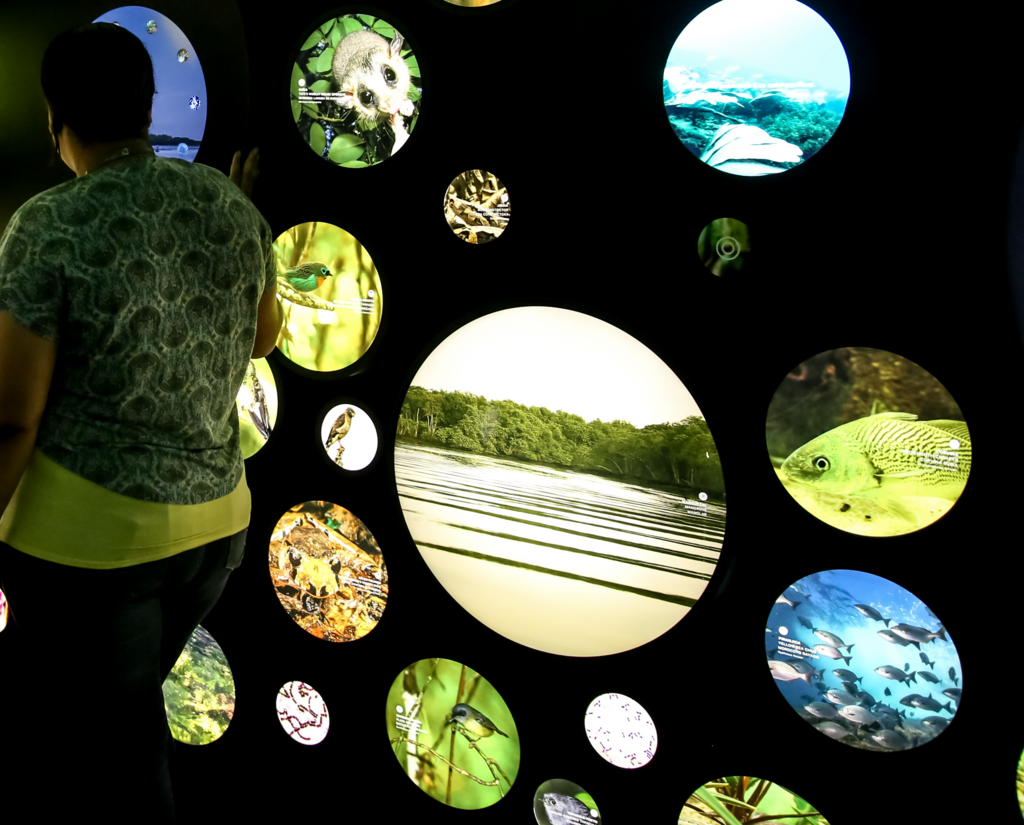
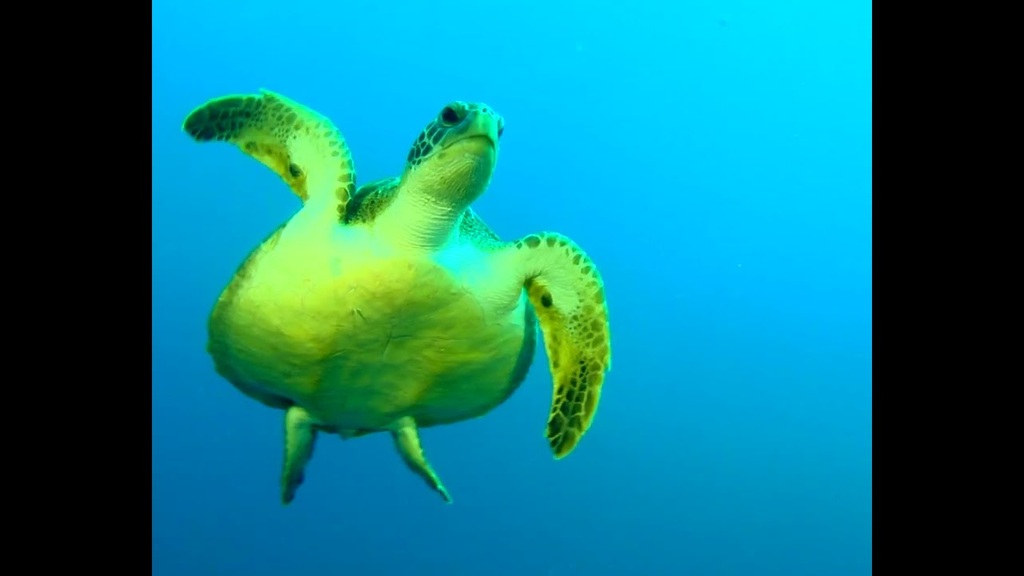
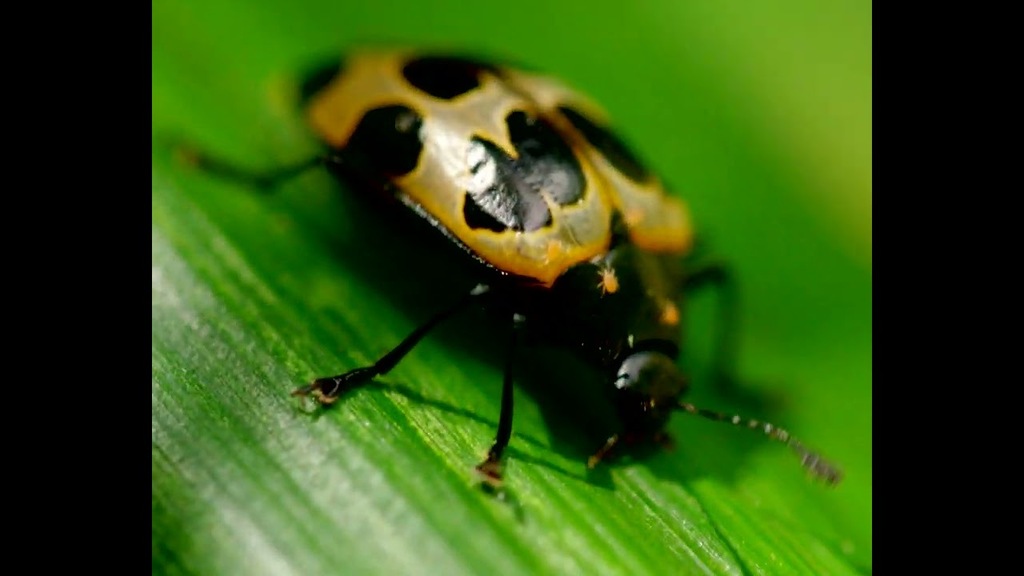
The videos about ecosystems are located inside the Cube of Life and are presented on circular screens. In total, there are six videos that address life as a large ecosystem, under the titles: Mangrove, Coastal Dune, Guanabara Bay, High-Altitude Grasslands, High-Mountain Forest, and Lowlands. With durations ranging from 2 minutes and 15 seconds to 2 minutes and 50 seconds, the videos total 46 minutes and 21 seconds, combining text and a compilation of moving images of each environment presented.
The texts related to the content of the Videos - Cube of Life can be found in the "Other Information > Text" section, in the order in which they were presented in this description.
More information about the professionals involved in the production of the videos can be found in the "Other Information > Notes" section.
Os vídeos sobre os ecossistemas estão localizados no interior do Cubo da Vida e são apresentados em telas circulares. Ao todo, são seis vídeos que abordam a vida como um grande ecossistema, sob os títulos: Manguezal, Restinga, Baía de Guanabara, Campos de Altitude, Floresta Alto-Montanha e Terras Baixas. Com durações que variam entre 2 minutos e 15 segundos e 2 minutos e 50 segundos, os vídeos totalizam 46 minutos e 21 segundos, reunindo textos e uma compilação de imagens em movimento de cada ambiente apresentado. Os textos relacionados aos conteúdos dos Vídeos - Cubo da Vida encontram-se no campo Demais informações > Texto, de acordo com a ordem em que foram apresentados nessa descrição. Mais informações sobre os profissionais envolvidos na produção dos vídeos encontram-se no campo Demais informações > Observações.
Os vídeos sobre os ecossistemas estão localizados no interior do Cubo da Vida e são apresentados em telas circulares. Ao todo, são seis vídeos que abordam a vida como um grande ecossistema, sob os títulos: Manguezal, Restinga, Baía de Guanabara, Campos de Altitude, Floresta Alto-Montanha e Terras Baixas. Com durações que variam entre 2 minutos e 15 segundos e 2 minutos e 50 segundos, os vídeos totalizam 46 minutos e 21 segundos, reunindo textos e uma compilação de imagens em movimento de cada ambiente apresentado. Os textos relacionados aos conteúdos dos Vídeos - Cubo da Vida encontram-se no campo Demais informações > Texto, de acordo com a ordem em que foram apresentados nessa descrição. Mais informações sobre os profissionais envolvidos na produção dos vídeos encontram-se no campo Demais informações > Observações.
Collection
Author
Co-author
Caption
Cubo da Vida: Vídeos Ecossistemas. 2015. Montagem/Filme. 6 vídeos com ≅ 2 min e 50 s cada.
.
Cube of Life: Ecosystem Videos. 2015. Montage/Film. 6 videos with ≅ 2 minutes and 50 seconds each.
.
Cubo de la Vida: Vídeos del Ecosistema. 2015. Montaje/Película. 6 vídeos de ≅ 2 minutos y 50 segundos cada uno.
Accessibility
Virtual tourAccessibility
Additional Type
Technique
Material
Video monitor (LED)Material
MP4 (MPEG-4 Part 14)Material
fileExtension
resolution
1.280 x 1.024p
fileSize
2,19 GB
duration
≅ 2 min e 50 s cada
language
director
producer
researcher
Exhibition
THE MOST DANGEROUS SPECIES ON THE PLANETExhibitionEvent
Related Item7
Text
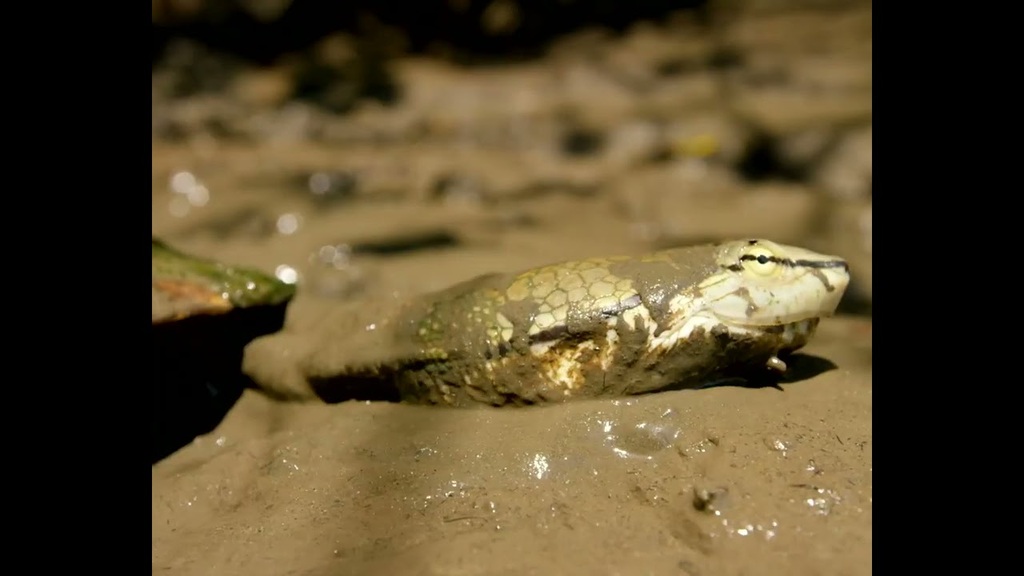
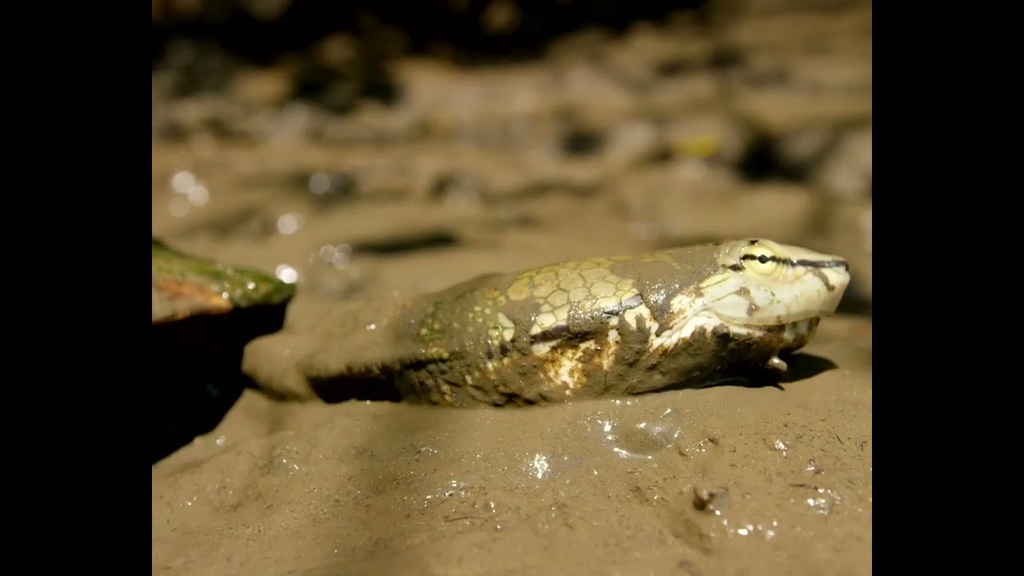
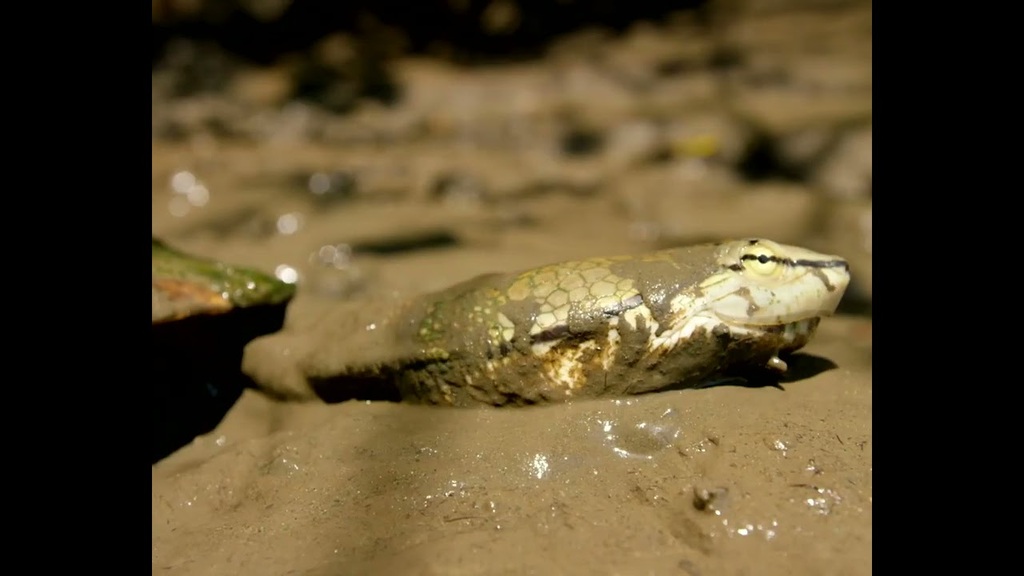
MANGROVES: "Characteristic of tropical zones, mangroves are one of the most biodiverse environments on the planet. They are considered transition areas between land and sea. Mangrove plants have long roots that ensure their fixation in the muddy terrain. The soils of the mangroves are rich in nutrients and serve as a habitat for various species such as crabs, herons, and alligators. The mangroves of Guanabara Bay filter impurities from the environment and have great environmental, social, and economic importance."
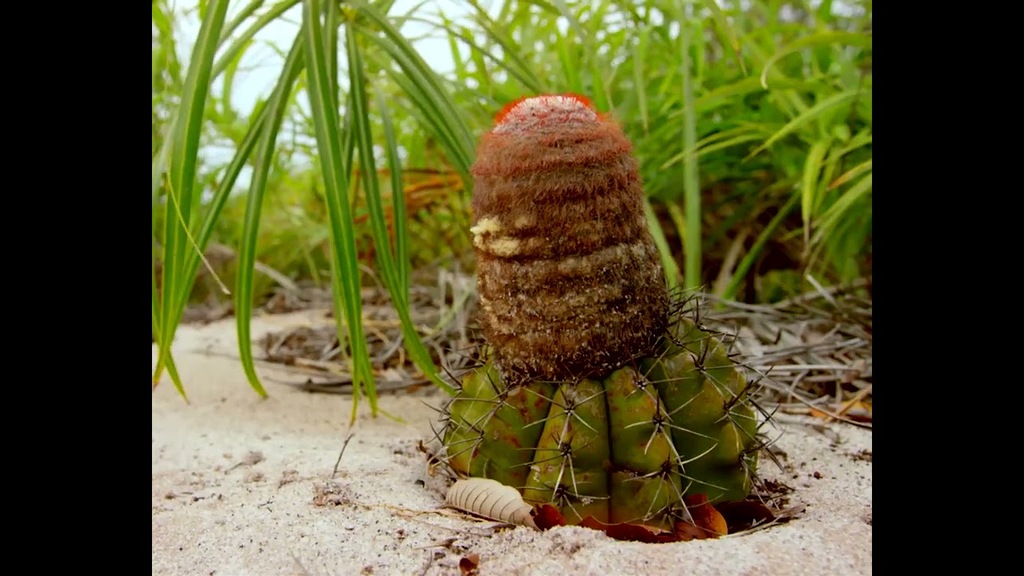
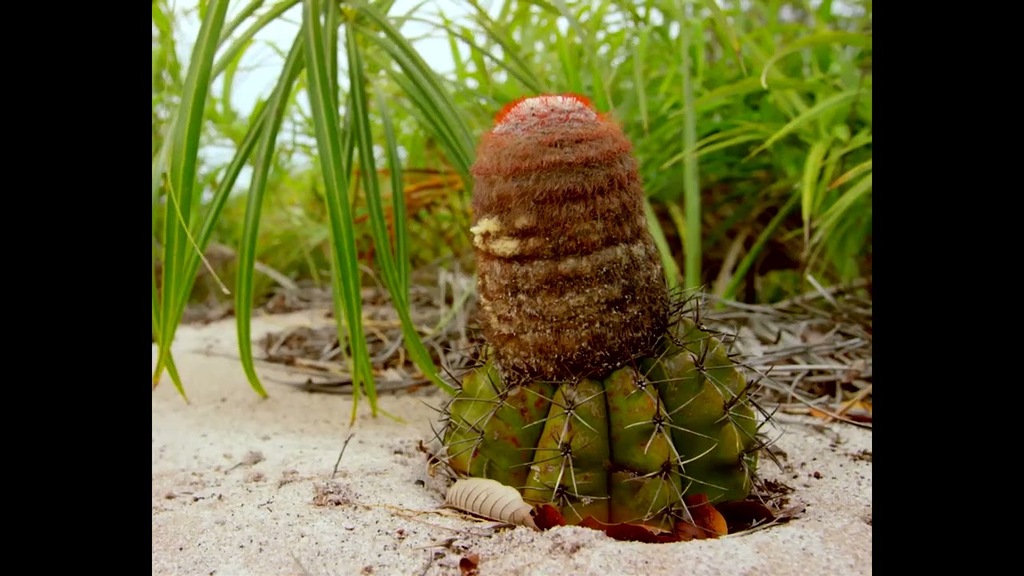
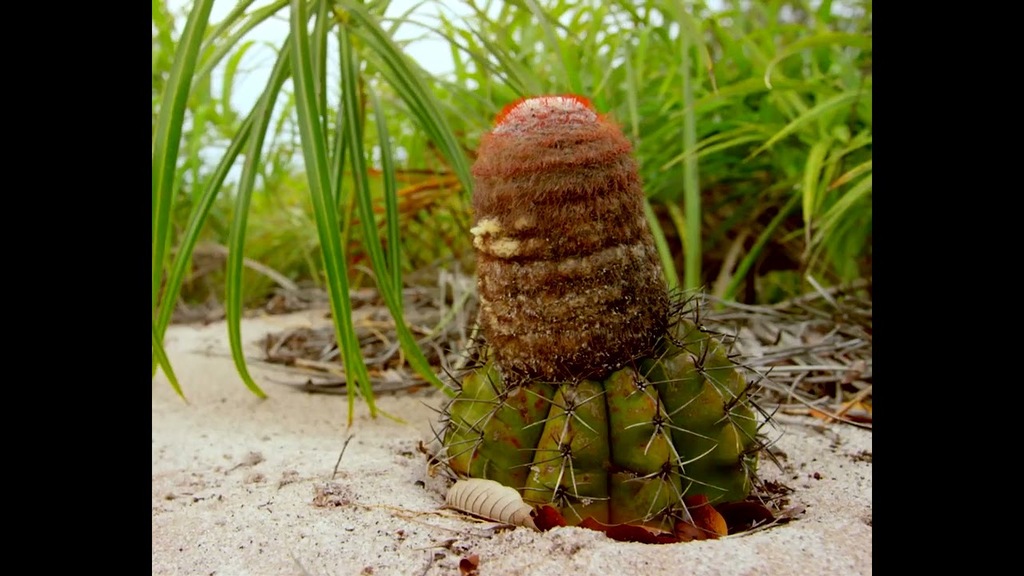
RESTINGA: "The Restinga is composed of dunes and sandy and saline strips. Located along the coast, it is influenced by variations in sea level. Low-lying vegetation protects the dunes from sunlight, winds, tides, and rain. These are resistant species of grasses, bromeliads, and various cacti. A transition zone between the coast and the Atlantic Forest, the Restinga has diverse fauna and flora. Away from the shore, tank bromeliads act as water reservoirs and shelter for numerous organisms. The region's fauna is abundant in species of birds and reptiles, such as hummingbirds, burrowing owls, and sand lizards. This rich and fragile environment is one of the most threatened by human exploitation."
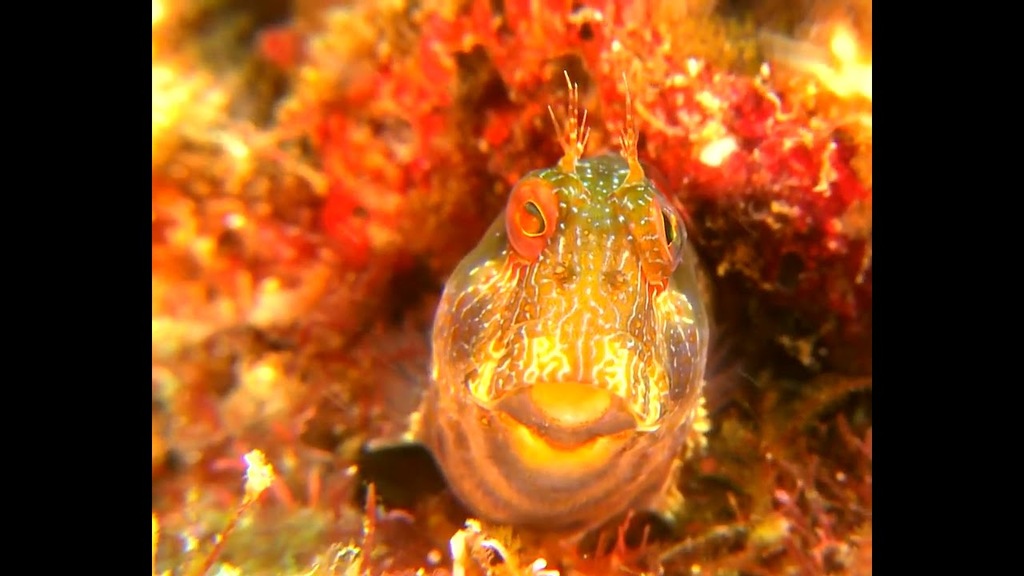
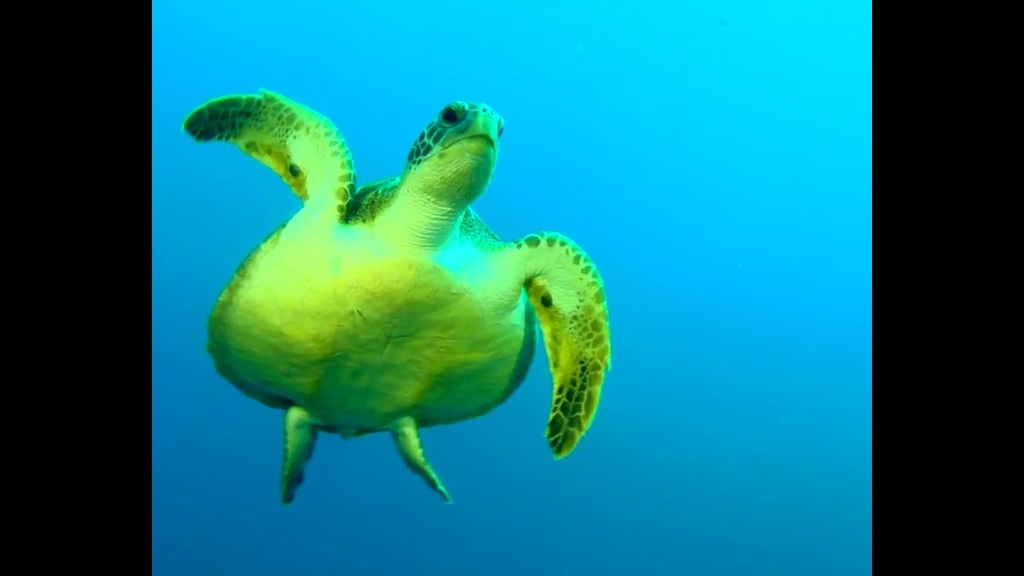
GUANABARA BAY: "Guanabara Bay is located between the Serra dos Órgãos mountain range and the coastal massifs. The movement of the currents provides the Bay with oxygen to dilute pollutants and purify itself. The base of the food chain in the Bay's waters is phytoplankton, a microorganism that needs nutrients to live and reproduce. In areas with low oxygen levels, the abundance of underwater fauna and flora decreases considerably."
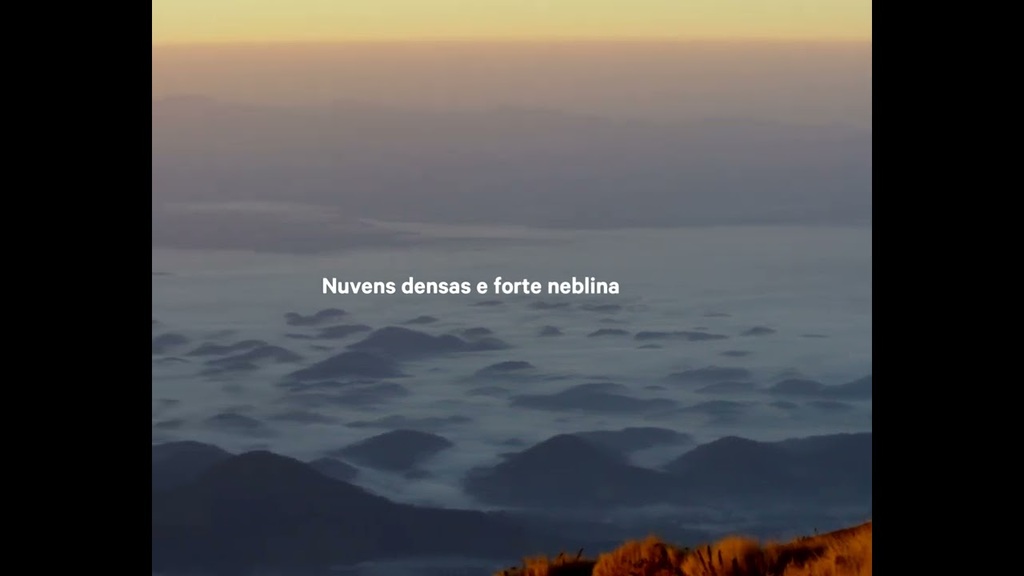
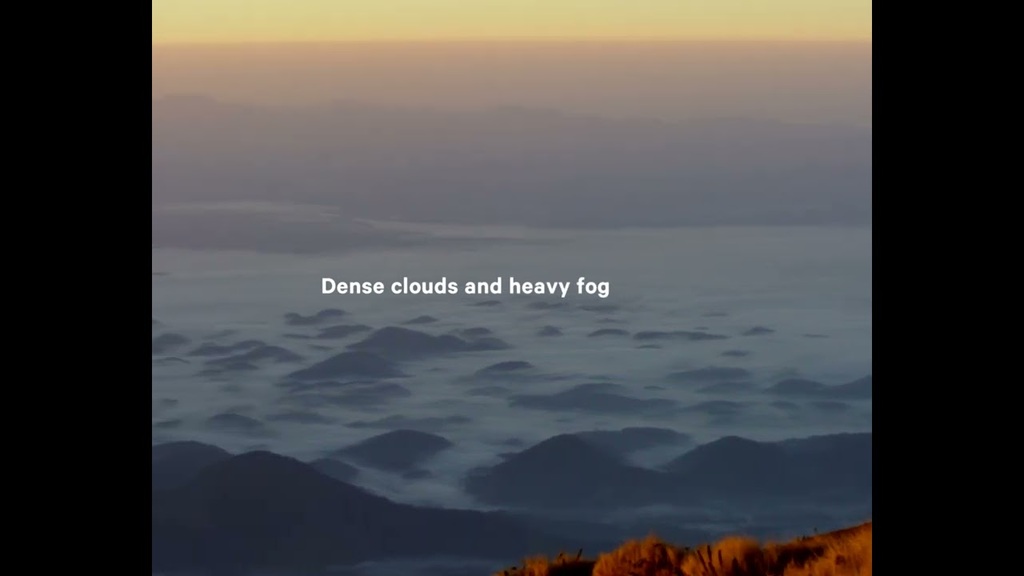
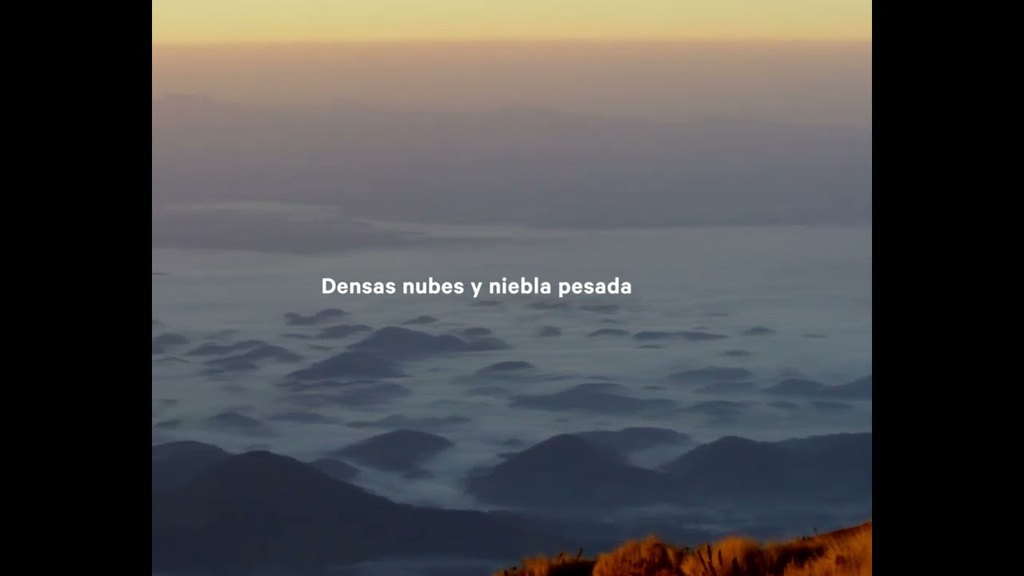
HIGH-ALTITUDE FIELDS: "The high-altitude fields occupy rugged rocks above 2000m in altitude in the Serra do Mar mountain range. The flora and fauna, though not very diverse, are compensated for by a dramatic and fascinating landscape. Dense clouds and thick fog dominate the mountainous scenery. It is the cradle of numerous springs for the region's rivers and streams. In the shallow soils, shrubs and grasses face strong winds and low temperatures."
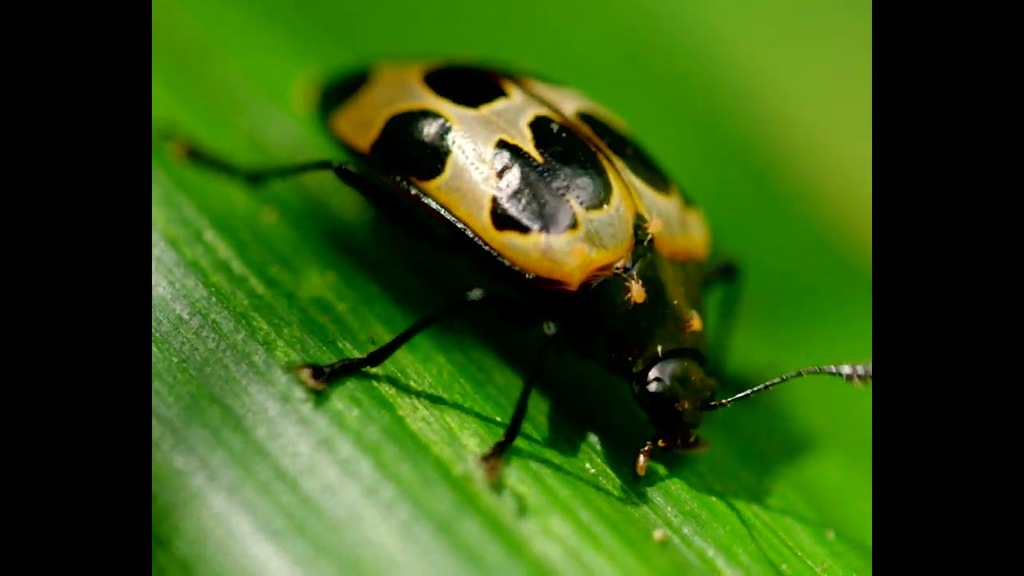
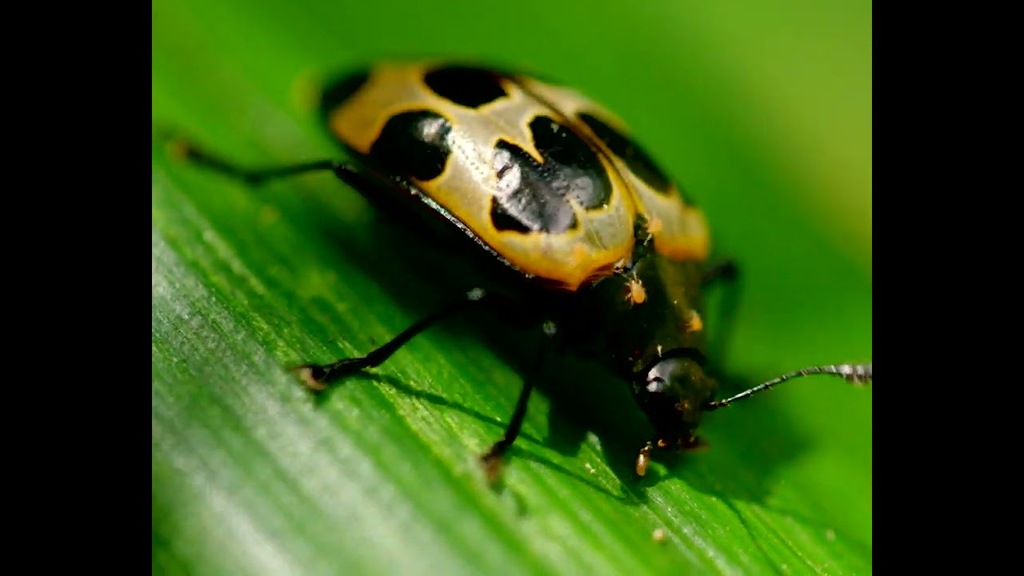
HIGH-MOUNTAIN FOREST: "A thousand meters above sea level, the High-Mountain Forest condenses much of the moisture coming from the Atlantic Ocean. The vegetation of this stratum of the Atlantic Forest is intensely covered by plants that grow over others without taking nutrients. Rivers originate here that flow into Guanabara Bay, with turbulent, clear waters rich in oxygen. Hundreds of insect larvae depend on this pure water to develop. Primates and other mammals also inhabit the High-Mountain Forest. For most of the year, the High-Mountain Forest is covered by fog or light rain."
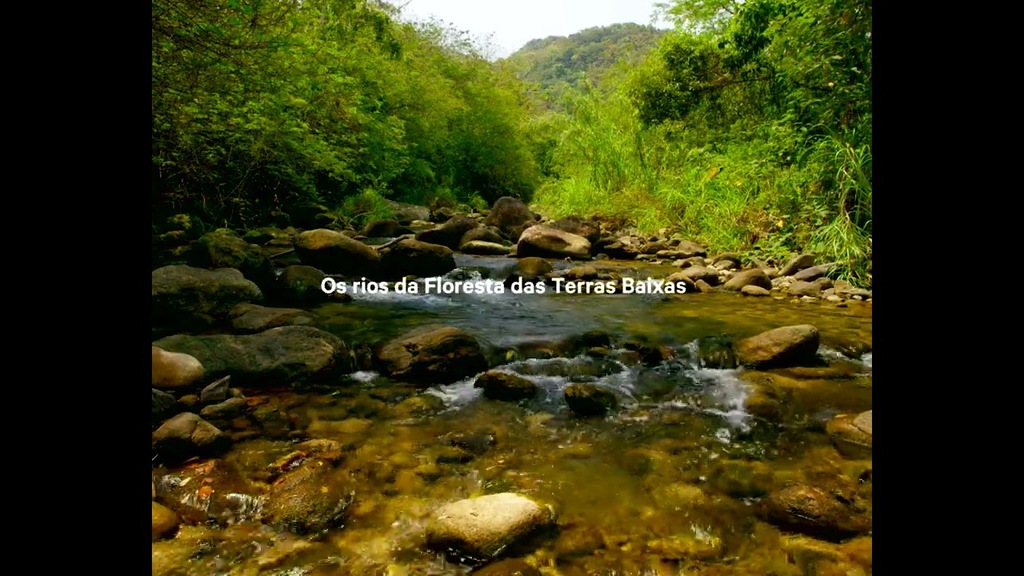
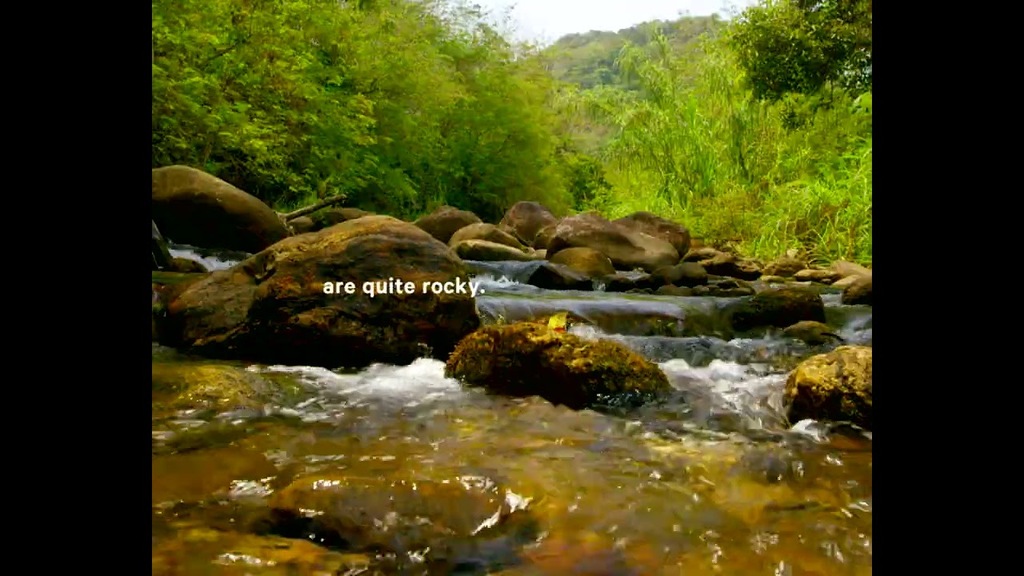
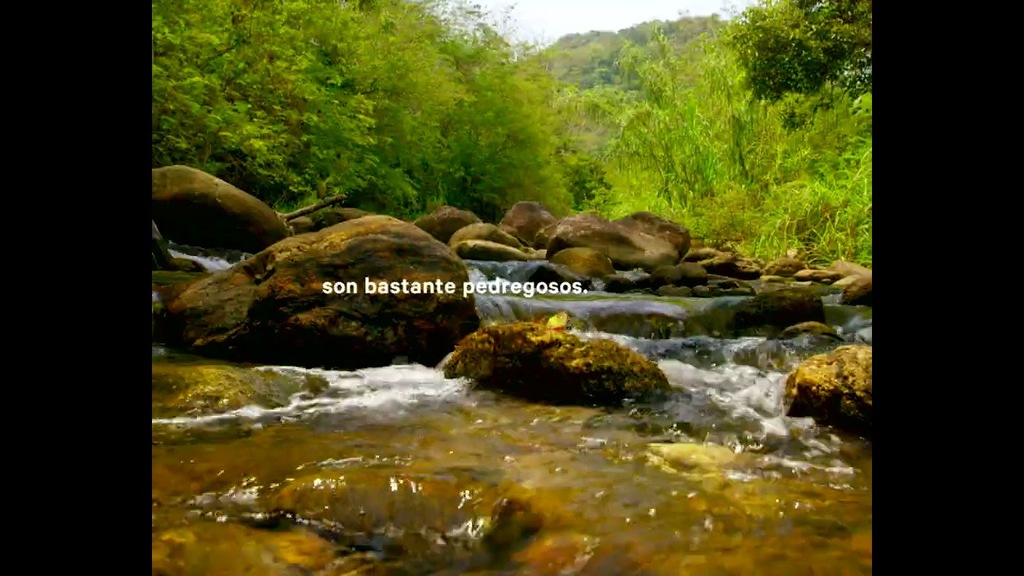
LOWLANDS: "The Lowland Forest is found on the slopes of the Serra do Mar mountain range and in the Guanabara Bay basin. Warmer than the higher forests of the Serra do Mar, it is an environment with a great diversity of landscapes, plants, and animals. The rivers of the Lowland Forest are quite rocky. In these regions, there is a great variety of flowering plants, and lianas are easily found species. Deforestation and river pollution threaten the rich local biodiversity."
MANGUEZAL"Característicos de zonas tropicais, os Manguezais são um dos ambientes mais biodiversos do planeta. São considerados áreas de transição entre a terra e o mar. As plantas dos Manguezais têm longas raízes que garantem sua fixação no terreno lodoso. Os solos dos Manguezais são ricos em nutrientes e servemm de habitat para várias espécies como caranguejos, garças e jacarés. Os Maguezais da Baía de Guanabara filtram as impurezas do ambiente e têm grande importância ambiental, social e econômica."
RESTINGA "A Restinga é composta por dunas e faixas arenosas e salinas. Localizada ao longo do litoral, é influenciada pelas variações do nível do mar. A vegetação rasteira protege as dunas da luz solar, ventos, marés e chuvas. São espécies resistentes de gramíneas, bromélias e diferentes cactus. Transição entre o litoral e a Mata Atlântica, a Restinga possui fauna e flora diversificadas. Longe da orla, bromélias-tanque agem como reservatórios de água e abrigo para inúmeros organismos. A fauna da região é abundante em espécie de aves e répteis, como beija-flor, a coruja buraqueira e a lagartixa da areia. Esse ambiente rico e frágil é um dos mais ameaçados pela exploração humana."
BAÍA DE GUANABARA "A Baía de Guanabara localiza-se entre a Serra dos Órgãos e os maciços na costa. A movimentação das corrente faz com que a Baía tenha oxigênio para diluir os poluentes e se auto-purificar. A base da cadeia alimentar nas águas da Baía é o fitoplâncton. Uma microaçga que precisa de nutrientes para viver e se produzir. Em áreas com baios níveis de oxigênio a abundância da fauna e flora subaquática duminui bastante."
CAMPOS DE ALTITUDE "Os Campos de Altitude ocupam rochas acidentadas acima de 2000m de altura na Serra do Mar. Flora e fauna pouco diversas são compensadas por um cenário dramático e fascinante. Nuvens densas e forte neblina dominam a paisagem montanhosa. Berço de inúmeras nascentes de rios e riachos da região. Nos solos rasos, arbustos e gramíneas enfrentam ventos fortes e baixas temperaturas."
FLORESTA ALTO-MONTANA "Mil metros acima do nível do mar, a Floresta Alto-Montana condensa boa parte da umidade vinda do Oceano Atlântico. A vegetação desse estrato da Mata Atlântica é intensamente coberta por plantas que crescem sobre outras sem tirar os nutrientes. Aqui nascem rios que desembocam na Baía de Guanabara, com águas agitadas, límpídas e ricas em oxigênio. Centenas de larvas de insetos dependem dessa água pura para se desenvolverem. Primatas e outros mamíferos também habitam a Floresta Alto-Montana. Durante a maior parte do ano, a Floresta Alto-Montana fica encoberta por neblina ou chuvas fracas."
TERRAS BAIXAS "A Floresta das Terras Baixas é encontrada nas encostas da Serra do Mar e na bacia da Baía de Guanabara. Mais quenmte que as florestas mais altas da Serra do Mar, é um ambiente com grande diversidade de cenários, plantas e animais. Os rios da Floresta das Terras Baixas são bastantes pedregosos. Nessas regiões, há grande variedade de plantas com flores e os cipós são espécies facilmente encontradas. Os desmatamentos e a poluição dos rios ameaçam a rica biodiversidade local."
Keyword
BiologyThing
Natural DynamicsThing
EcologyThing
EcosystemsThing
EvolutionThing
Main ExhibitionThing
FaunaThing
FloraThing
Video18