
New IPCC report shows that climate change is a challenge of today.
28/02/2022
Author
Thematic Axis
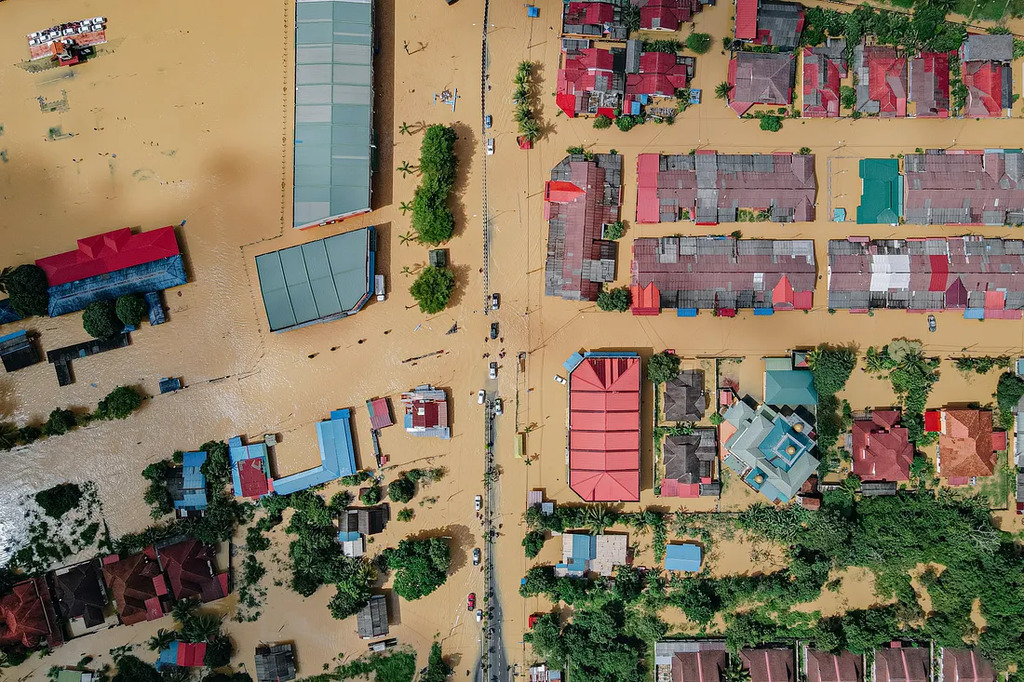
Flood. Photo: Pok Rie | Pexels
In a report published this Monday (28), the UN Intergovernmental Panel on Climate Change (IPCC) presents the current and future impacts of climate change on people and nature across the planet.
For our Sustainability curator Sérgio Besserman, “the IPCC report brings a new understanding of the interconnections between the causes and consequences of climate change, as well as the losses, damages and limits to the adaptation of human society and ecosystems”.
A planet with a temperature increase of more than 1.5°C (projected until 2040) will be further marked by climate injustice, impactful losses of life, biodiversity and infrastructure in cities. As the Earth is a connected system, we are talking about a global and urgent commitment.
“The scientific evidence is unequivocal: climate change is a threat to human well-being and the health of the planet. Any further delay in global action will lose a brief window to ensure a habitable future,” said Hans-Otto Pörtner, co-chair of IPCC Working Group II, during the release of the report.
The report shows that climate change is a challenge of today—in the world and in Brazil.
- Across the planet, between 3.3 and 3.6 billion people already live highly vulnerable to the effects of climate change, as does a large proportion of other species.
- The increase in heat waves, droughts, and floods is already exceeding the tolerance limits of plants and animals, causing mass mortality in species such as trees and corals. These same events have also exposed millions of people to food and water insecurity, especially in Africa, Asia, Central and South America, small island nations, and the Arctic.
- South America is highly exposed, vulnerable, and already heavily impacted by climate change—affecting biomes such as the Amazon and the health of the population with the worsening of diseases like dengue, chikungunya, and Zika.