
Climate Justice: A Global Fight for Equity and Sustainability
12/12/2023
Author
Thematic Axis
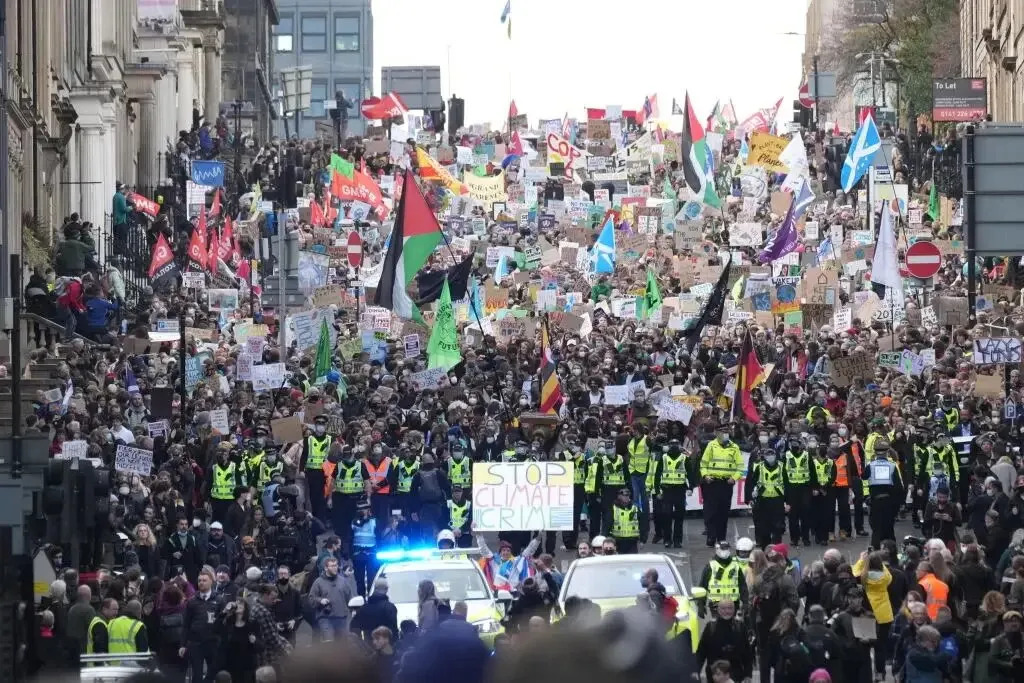
COP26, in Glasgow: Thousands of young people call for urgency and justice in climate change issues. Photography: Christopher Furlong/Getty Images.
In an increasingly warming and unequal world, the concept of “climate justice” emerges as an urgent call for action and understanding. But what does climate justice really mean? Simply put, it's about recognizing and addressing the fact that climate change does not affect everyone equally. It is intrinsically linked to the anti-racist fight, as marginalized communities are those most affected by the devastating effects of climate change.
In Brazil, a country marked by profound social and economic disparities, climate justice takes on a critical dimension. Droughts in the Amazon, floods in the South and heat waves across the country are clear examples of how extreme weather events can exacerbate existing inequalities. The challenge is twofold: responding to climate emergencies while combating social and racial injustice.
From a scientific point of view, the data is unequivocal: human activities have driven climate change, resulting in more frequent and intense extreme phenomena. Academic and research institutions in Brazil and around the world have highlighted the need for interdisciplinary and inclusive solutions to face this crisis.
The fight for climate justice is not limited to national borders. It is a global issue, with countries in Latin America, Africa and other developing nations facing similar challenges. These regions share the experience of being disproportionately affected by climate change, despite contributing less to greenhouse gas emissions. Global solidarity and cooperation are key to addressing these injustices.
Global movements around climate justice are gaining momentum, with organizations and individuals demanding significant changes to environmental policies and practices. Developing countries are calling for greater equity in international climate discussions, emphasizing the need for financial and technological compensation to deal with the impacts of climate change.
Climate justice is more than a technical term; it is a call to action. It reflects the urgency of addressing climate change in a way that is fair and inclusive. Brazil, along with other nations, has a crucial role to play in this fight. It is a journey that requires united efforts on all fronts — scientific, political, social and moral — to create a sustainable and equitable future for all.