
Accessibility is the theme of activities and debates at the Museum of Tomorrow.
01/10/2020
Author
Thematic Axis
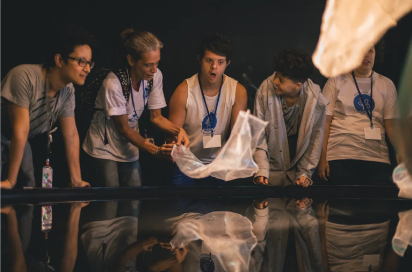
Inclusion means considering multiple existences and how to improve our platforms and programs.
When the coronavirus pandemic forced schools to close and, at the same time, create tools for online learning, many children and adolescents without access to technology and internet networks were left without schooling. Among these, one group was even more affected: students with disabilities, since remote accessibility was not part of the initial strategies of the education systems, whether private or public. Six and a half months later, at a time when strategies for the return to in-person classes are already being discussed, this same group is the most disadvantaged.
“We need accessible materials and content, prepared teachers, and teaching platforms that also promote the inclusion of people with disabilities. We are the last people people think about when changes are made. Planning the return to in-person classes includes considering that we are in the at-risk group and will be the last to be considered,” says Isadora Nascimento, a law graduate and creator of the Instagram profile @olharcotidiano, where she shares tips and experiences as a woman with a visual impairment.
Isadora was one of the guests, along with Rafaela Vale, educator, doula, and presenter of TV Ines, at the 20th edition of Evidence of Black Cultures, which had as its theme “Racism, ableism, and self-care.” The two debated the importance of representation and the need for the Brazilian Inclusion Law — LBI (Statute of Persons with Disabilities) — to be practiced and adopted as public policy. In the live stream, broadcast on the Museum of Tomorrow's YouTube channel, accessibility was a key focus: in addition to the two sign language interpreters who participate in all the museum's live streams, we also had the presence of Juliete Viana, a volunteer interpreter, who provided the voice for Rafaela, who is deaf.
In the month in which we celebrate the National Day of Struggle for People with Disabilities (September 21st) and the National Day of Deaf Pride (September 26th), IDG, which manages the Museum of Tomorrow, also programmed the activity "Let's talk about it," which was moderated by museum educator Bruno Baptista, who is deaf and a member of the Museum of Tomorrow's Education Program and the Institute's Accessibility Working Group. The theme is part of the Museum's policy and permeates all programming, being improved with each project. During the pandemic, for example, sign language interpreters were incorporated into live broadcasts.
For Camila Oliveira, Education Coordinator at the Museum and also a member of the IDG Accessibility Working Group, it is important to emphasize that being accessible is not only about the architecture or furniture of the spaces, but also, and especially, about the service and the creation of an accessibility and education policy that generates activities such as guided tours with children and adolescents with autism. “Inclusion is not only about opening the doors to receive visitors with disabilities, but also about considering the multiple existences in the development of the activities and actions offered, thinking about their experience in physical and virtual spaces. It is about constantly thinking about how to improve our existing platforms and programs, designing new programs and actions from the beginning with accessibility in mind, and being attentive to multiple needs, such as enabling a live broadcast with a visually impaired person and a deaf person, and ensuring that those watching can also participate,” says Camila.
In this sense, the Museum of Tomorrow has also implemented a Telegram channel so that deaf people can send videos in Libras (Brazilian Sign Language) with questions to the guests of the live broadcasts. For Bruno Baptista, it is essential that deaf people have "linguistic comfort" when communicating, since sign language has a different structure from Portuguese. Regarding accessibility in online programming, he emphasizes that it is important not only for him, as an educator, to stay updated, but also for the entire community. "I follow the museum's programming because I want to know about the reasons for the fires in the Pantanal, for example, and other topics that the museum addresses. It is also important when people with disabilities are invited to speak, to share their experiences and challenges. The right to speak, in this sense, is essential. But we also want to discuss other issues," he points out.