
Características do Acervo
Numeração
MDA.MUS.00008.4
Suporte
Estrutura
Descrição e Autoria
Título
Videoinstalação Planeta
Planet video installation
Planet video installation
Conjunto
Descrição
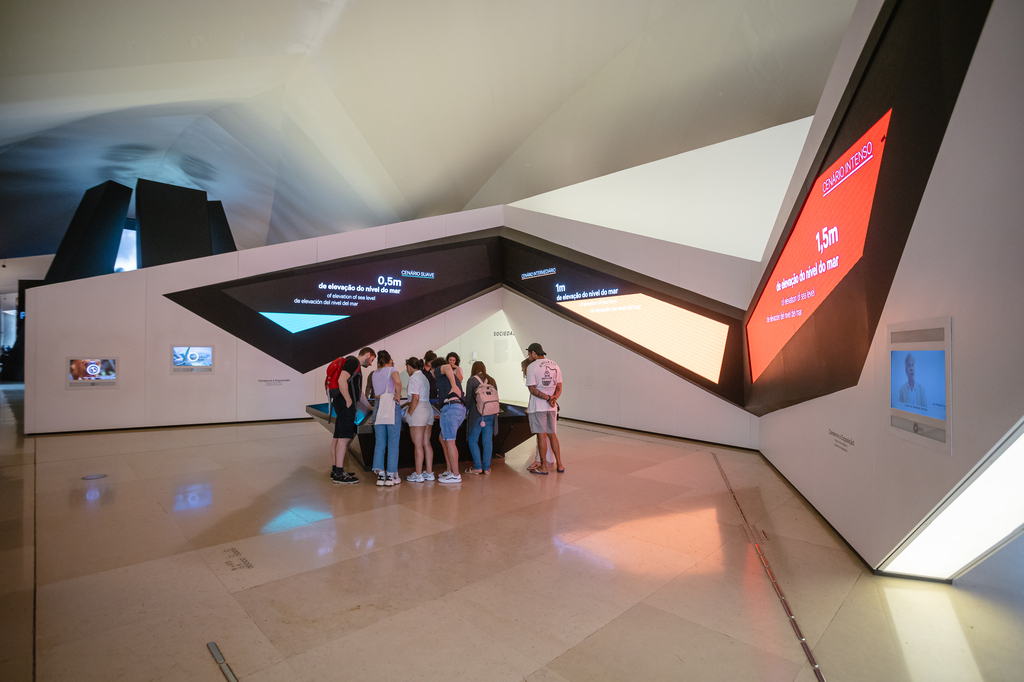
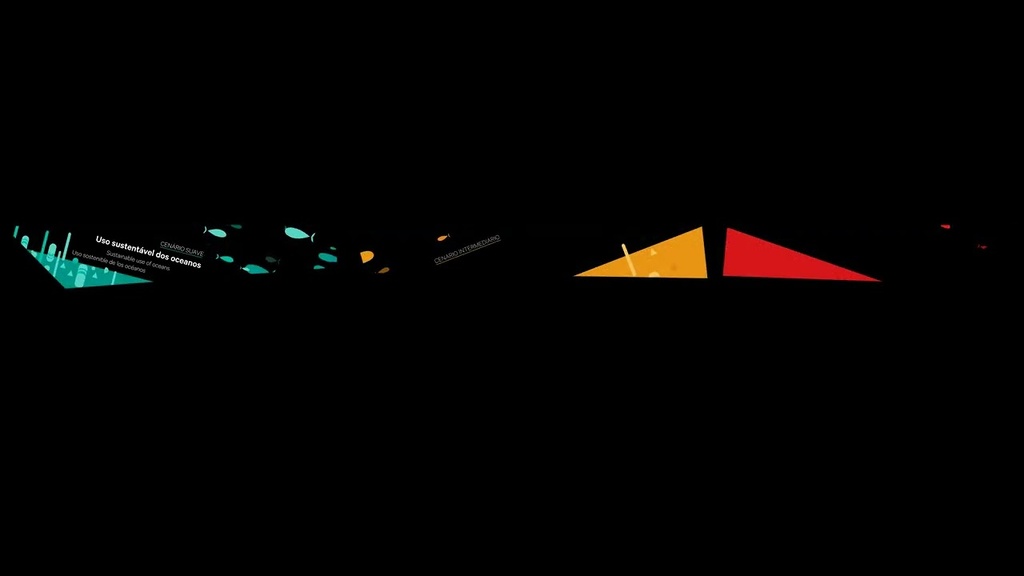
Segundo espaço da área Amanhãs, a videoinstalação Planeta consiste em um videowall com duração de 5 minutos e 58 segundos, que se estende pelas paredes superiores da estrutura interna do origami. O conteúdo exibe dados e informações sobre os impactos da ação humana nas mudanças climáticas, como o aumento da concentração de carbono na atmosfera.
De forma integrada, os conteúdos apresentam exemplos do Brasil e de diferentes regiões do mundo, evidenciando que as transformações do clima acarretarão consequências significativas para os ecossistemas, a biodiversidade e a própria humanidade, incluindo o agravamento de eventos climáticos extremos.
Atuaram como consultores desta instalação Carlos Nobre, David Zee, Luiz Pinguelli Rosa, Neilton Fidelis e Thomas Lewinsohn.
Os textos relacionados à videoinstalação Planeta encontram-se no campo Demais informações > Texto.
The second space in the Tomorrows area, the video installation Planet consists of a 5-minute and 58-second video wall that extends across the upper walls of the origami's internal structure. The content displays data and information about the impacts of human activity on climate change, such as the increased concentration of carbon in the atmosphere. In an integrated way, the content presents examples from Brazil and different regions of the world, highlighting that climate change will have significant consequences for ecosystems, biodiversity, and humanity itself, including the worsening of extreme weather events. Consultants for this installation included Carlos Nobre, David Zee, Luiz Pinguelli Rosa, Neilton Fidelis, and Thomas Lewinsohn. The texts related to the video installation Planeta can be found in the Additional Information > Text section.
The second space in the Tomorrows area, the video installation Planet consists of a 5-minute and 58-second video wall that extends across the upper walls of the origami's internal structure. The content displays data and information about the impacts of human activity on climate change, such as the increased concentration of carbon in the atmosphere. In an integrated way, the content presents examples from Brazil and different regions of the world, highlighting that climate change will have significant consequences for ecosystems, biodiversity, and humanity itself, including the worsening of extreme weather events. Consultants for this installation included Carlos Nobre, David Zee, Luiz Pinguelli Rosa, Neilton Fidelis, and Thomas Lewinsohn. The texts related to the video installation Planeta can be found in the Additional Information > Text section.
Coleção
ExperiênciasColeção
Autoria
Co-autoria
Legenda
Amanhãs: Videoinstalação Planeta. 2015. ≅ 600 x 2350 cm | 5min 58s.
.
Tomorrows: Video Installation Planet. 2015. ≅ 600 x 2350 cm | 5 min 58 sec.
.
Mañanas: Video Instalación Planeta. 2015. ≅ 600 x 2350 cm | 5 min 58 seg.
Acessibilidade
Dados Técnicos e de Localização
Categoria de acervo
Técnica de confecção
Material
MP4 (MPEG-4 Parte 14)Material
Painel de LEDMaterial
Dimensão
≅ 600 x 2350 cm
Formato de arquivo
Resolução
3.744 x 480p
Tamanho do arquivo
1,67 GB
Duração
5min 58s
Ficha Técnica
Produção
Pesquisa
Relações
Exposição
Outro item do acervo relacionado10
Demais informações
Texto
PLANETA
Para nossos ancestrais, o mundo natural, suas características e ritmos - a variedade de ambientes e espécies, os ciclos do clima - estavam dados, definidos, e aos humanos cabia desfrutar ou suportar suas benesses ou intempéries. Somos a primeira geração que começa a se dar conta de que, ao vivermos no Antropoceno, passamos a participar ativamente da moldagem dos regimes do clima e a fomentar alterações substanciais em diversos ecossistemas. Em muitas regiões, eventos climáticos extremos deverão ser cada vez mais comuns, tendo por consequência mais inundações e secas, incêndios florestais frequentes, e a acidificação crescente dos oceanos. Desastres ambientais poderão levar a migrações forçadas; muitas espécies terrestres e aquáticas talvez não suportem a intensidade das perturbações ambientais e, do mesmo modo, atividades econômicas, que vão da agricultura à pesca, sofrerão transtornos. Mas já existem medidas que podem moderar e amenizar esses impactos. Abrem-se para nós, portanto, diferentes cenários futuros para o clima e à vida na Terra. Nosso legado vai depender do que decidimos fazer hoje.
_______________________________________________
Texto do Projeto Curatorial - Junho/2019:
"O visitante entra em contato com as tendências para o planeta, incluindo clima, energia, oceanos e a biodiversidade. Um videowall cruza as paredes desta área exibindo dados e informações sobre os impactos da ação humana nas mudanças do clima. Por exemplo, mostra um dos marcadores das mudanças no clima: o aumento da concentração de carbono na atmosfera. Atualmente, na média global, uma pessoa emite 1,4 toneladas de carbono por ano, os estadunidenses emitem 5,5 toneladas, sendo que para viver de forma sustentável cada pessoa deveria emitir 0,4 toneladas anualmente. No conjunto, os dados procuram informar o visitante com exemplos do Brasil e do mundo, que as mudanças no clima trarão consequências para os ecossistemas, a biodiversidade e a própria humanidade, como, por exemplo, no acirramento de extremos climáticos."
PLANET
To our ancestors, the natural world, its characteristics and rhythms - the variety of environments and species, the weather cycles - were already given and defined, and humans should enjoy or endure its benefits or hardships. We are the first generation that begins to realize that, living in the Anthropocene, we will participate actively in shaping the climate regimes as well as foster substantial changes in several ecosystems. In many regions, extreme weather events shall become more common, resulting in more floods and droughts, more frequent forests fires, and the increasing acidification of the oceans. Environmental disasters lead to forced migration; many terrestrial and aquatic species may not withstand the intensity of environmental disturbances and likewise economic activities, ranging from agriculture to fishing will face difficulties. There are already actions, however, that may moderate and soften these impacts, Before us, different future scenarios for climate and life on Earth are open. Our legacy will depend on what we decided to do today.
_______________________________________________
Curatorial Project Text - June/2019:
"Visitors are introduced to trends affecting the planet, including climate, energy, oceans, and biodiversity. A video wall runs along the walls of this area displaying data and information about the impacts of human activity on climate change. For example, it shows one of the markers of climate change: the increased concentration of carbon in the atmosphere. Currently, on average globally, a person emits 1.4 tons of carbon per year; Americans emit 5.5 tons, while to live sustainably each person should emit 0.4 tons annually. Overall, the data aims to inform visitors, with examples from Brazil and the world, that climate change will have consequences for ecosystems, biodiversity, and humanity itself, such as the intensification of extreme weather events."
Palavras-chave
EvoluçãoAssunto
Exposição PrincipalAssunto
Horizontes PossíveisAssunto
Sustentabilidade AmbientalAssunto
Sustentabilidade SocialAssunto
Arquivos associados / Assets
Video