
identifier
MDA_ARQ_00437
author
collection
Museum EducationCollection
description
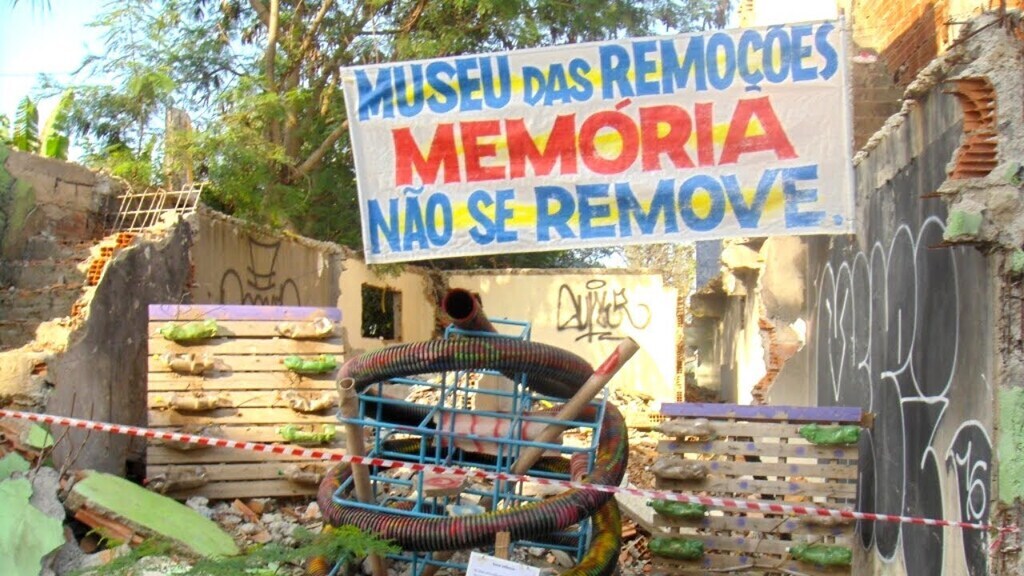
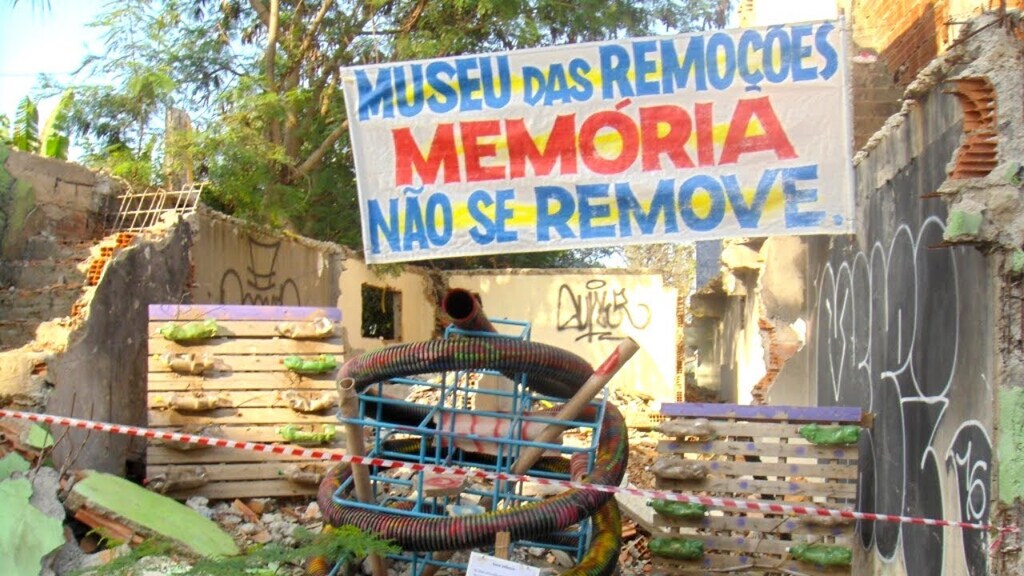
In the "Between Museums Today" event, sponsored by Engie Brasil, the public visited Vila Autódromo, in the West Zone of Rio de Janeiro, to learn about the Museus das Remoções (Museum of Removals), a community-based, open-air museum that transformed loss into struggle. Born as a small fishing village on the banks of the Jacarepaguá Lagoon in the 1960s, the community grew and kept pace with the transformations of the region. From the 2000s onwards, with the arrival of mega-events (Pan-American Games, World Cup, and Olympics), the threats of removal intensified. Between 2014 and 2016, 97% of the community was removed, leaving only 20 families, in a process marked by human rights violations, psychological pressure, and denial of basic services such as garbage collection, public lighting, and potable water. Inaugurated on May 18, 2016 (International Museum Day), the Museum of Removals was created with the purpose of preserving the memory of the community and other displaced populations, as well as being a tool in the fight for the right to housing and the city. With the motto "Memory cannot be removed," the museum is continuously built with the residents of Vila Autódromo and volunteer supporters, forming part of social museology that allows marginalized groups to connect with their own history, giving visibility, voice, and support to communities and favelas that fight for their territory and their life stories.
No Entre Museus Hoje, com patrocínio da Engie Brasil, o público visitou a Vila Autódromo, na Zona Oeste do Rio de Janeiro, para conhecer o Museu das Remoções, um museu comunitário e a céu aberto que transformou perdas em luta. Nascida como uma pequena vila de pescadores às margens da Lagoa de Jacarepaguá nos anos 1960, a comunidade cresceu e acompanhou as transformações da região. A partir dos anos 2000, com a chegada dos megaeventos (Pan-Americano, Copa do Mundo e Olimpíadas), as ameaças de remoção se intensificaram. Entre 2014 e 2016, 97% da comunidade foi removida, restando apenas 20 famílias, em um processo marcado por violações de direitos humanos, pressão psicológica e negação de serviços básicos como coleta de lixo, iluminação pública e água potável. Inaugurado em 18 de maio de 2016 (Dia Internacional dos Museus), o Museu das Remoções nasceu com a proposta de preservar a memória da comunidade e de outras populações removidas, além de ser uma ferramenta de luta pelo direito à moradia e à cidade. Com o lema "Memória não se remove", o museu é construído de forma contínua com os moradores da Vila Autódromo e apoiadores voluntários, fazendo parte da museologia social que possibilita a grupos periféricos o contato com sua própria história, dando visibilidade, voz e apoio às comunidades e favelas que lutam por seu território e suas histórias de vida.
No Entre Museus Hoje, com patrocínio da Engie Brasil, o público visitou a Vila Autódromo, na Zona Oeste do Rio de Janeiro, para conhecer o Museu das Remoções, um museu comunitário e a céu aberto que transformou perdas em luta. Nascida como uma pequena vila de pescadores às margens da Lagoa de Jacarepaguá nos anos 1960, a comunidade cresceu e acompanhou as transformações da região. A partir dos anos 2000, com a chegada dos megaeventos (Pan-Americano, Copa do Mundo e Olimpíadas), as ameaças de remoção se intensificaram. Entre 2014 e 2016, 97% da comunidade foi removida, restando apenas 20 famílias, em um processo marcado por violações de direitos humanos, pressão psicológica e negação de serviços básicos como coleta de lixo, iluminação pública e água potável. Inaugurado em 18 de maio de 2016 (Dia Internacional dos Museus), o Museu das Remoções nasceu com a proposta de preservar a memória da comunidade e de outras populações removidas, além de ser uma ferramenta de luta pelo direito à moradia e à cidade. Com o lema "Memória não se remove", o museu é construído de forma contínua com os moradores da Vila Autódromo e apoiadores voluntários, fazendo parte da museologia social que possibilita a grupos periféricos o contato com sua própria história, dando visibilidade, voz e apoio às comunidades e favelas que lutam por seu território e suas histórias de vida.
country
dateBegin
11/11/2021
dateEnd
11/11/2021
sound
✓
color
duration
05min 01s
theme
producer
Title
Video Between Museums Today - A museum of the struggle for dignity
Vídeo Entre Museus Hoje - Um museu da luta por dignidade
Vídeo Entre Museus Hoje - Um museu da luta por dignidade
reproductionCondition
restriction
✓
language
conservation
about
itemProject
Between MuseumsProject
relatedItem11
image
video