
General Info
Identifier
MDA.EXP.00022
Name
Holocaust: Darkness and Light
Holocaust
Holocausto: Trevas e Luz
Holocausto
Holocaust
Holocausto: Trevas e Luz
Holocausto
Description
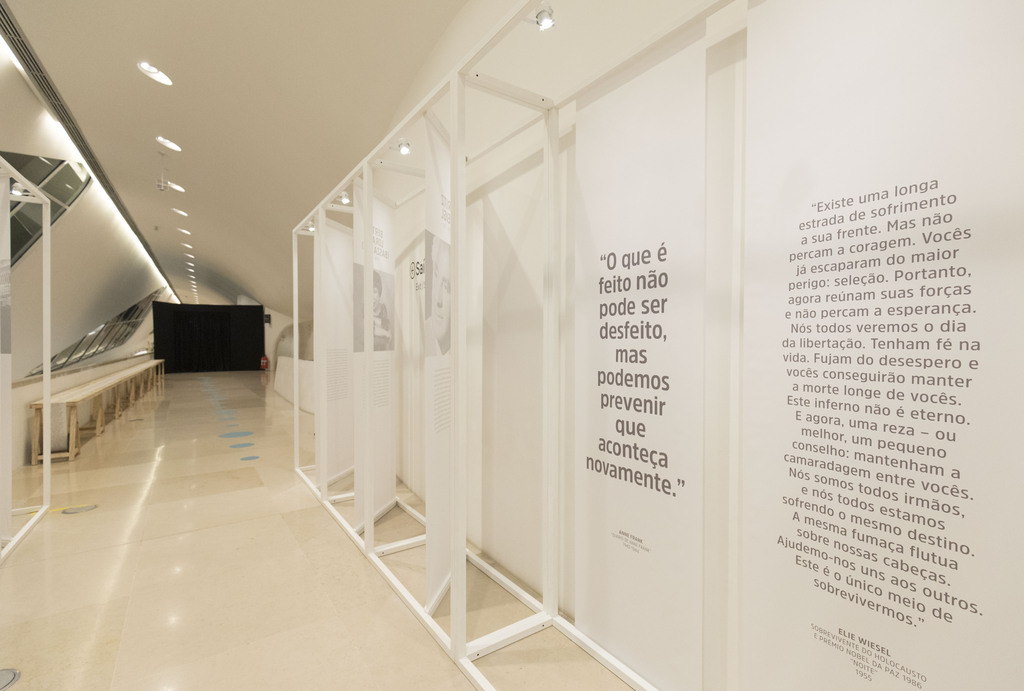
The Holocaust was a tragic chapter in human history. Not so long ago. Beginning with Adolf Hitler's rise to power in Germany in 1933 and intensifying during World War II, it consisted of the persecution and annihilation of approximately 6 million Jews by the Nazis and their collaborators.
It was a project of exterminating a people, supported by bureaucratic systems. Roma people, people with disabilities, homosexuals, Black people, Jehovah's Witnesses, and political dissidents were also persecuted for ethnic or national reasons.
But even in extremely adverse conditions, many managed to find refuge in other countries, others rebelled and took up arms to fight, and many simply managed to resist and survive.
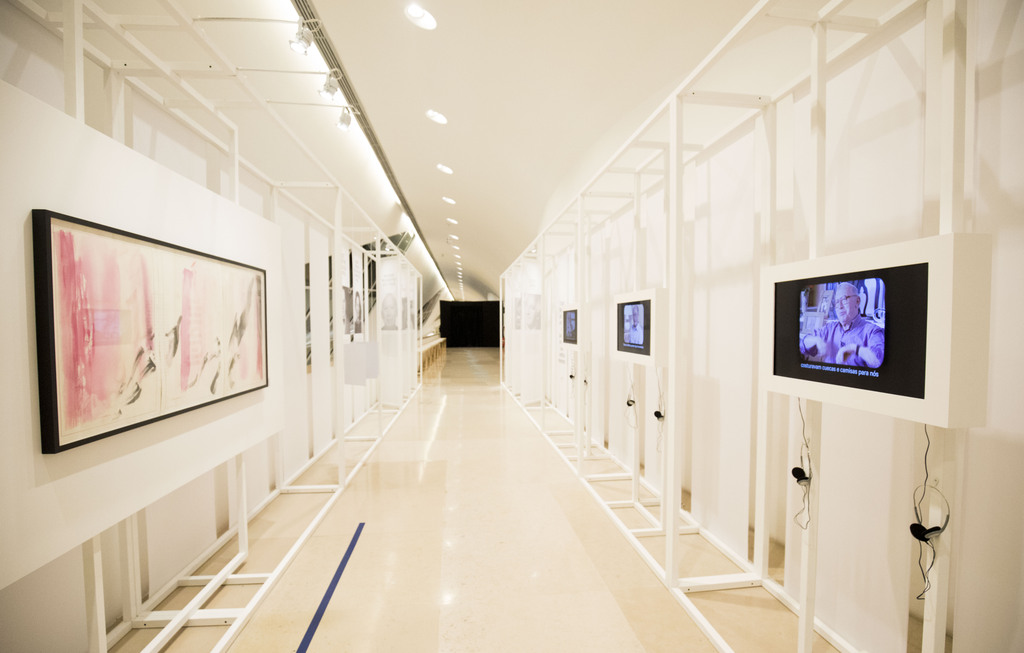
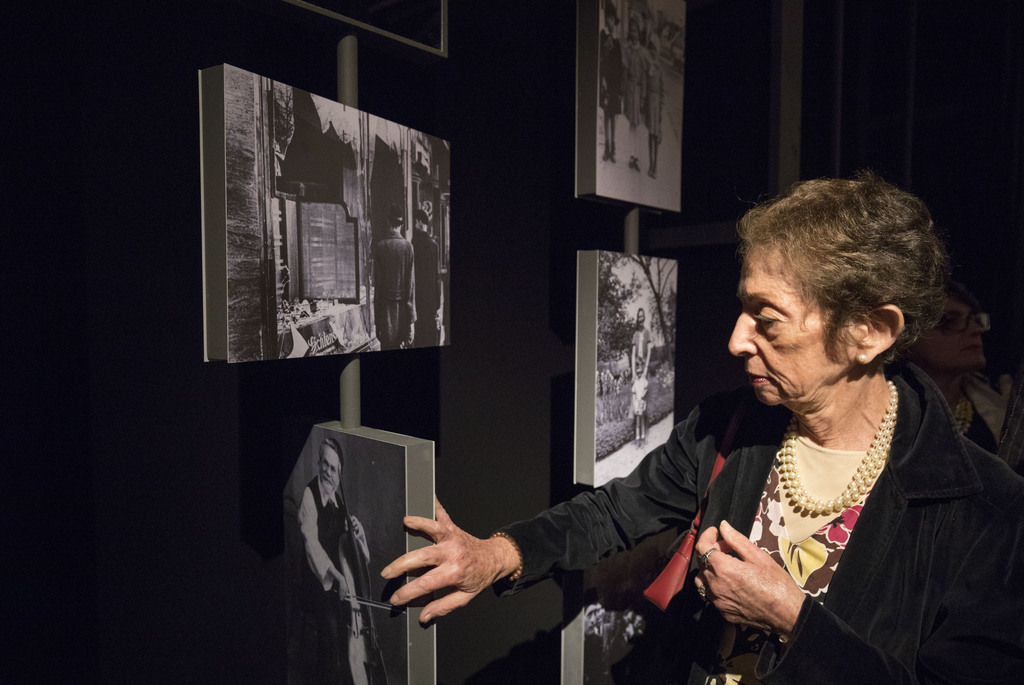
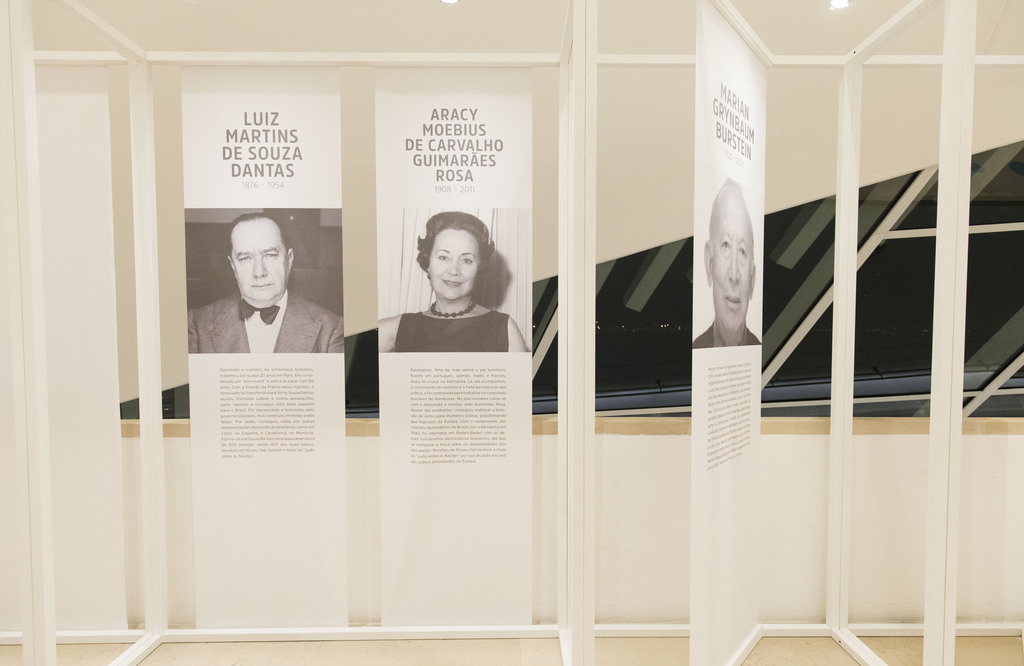
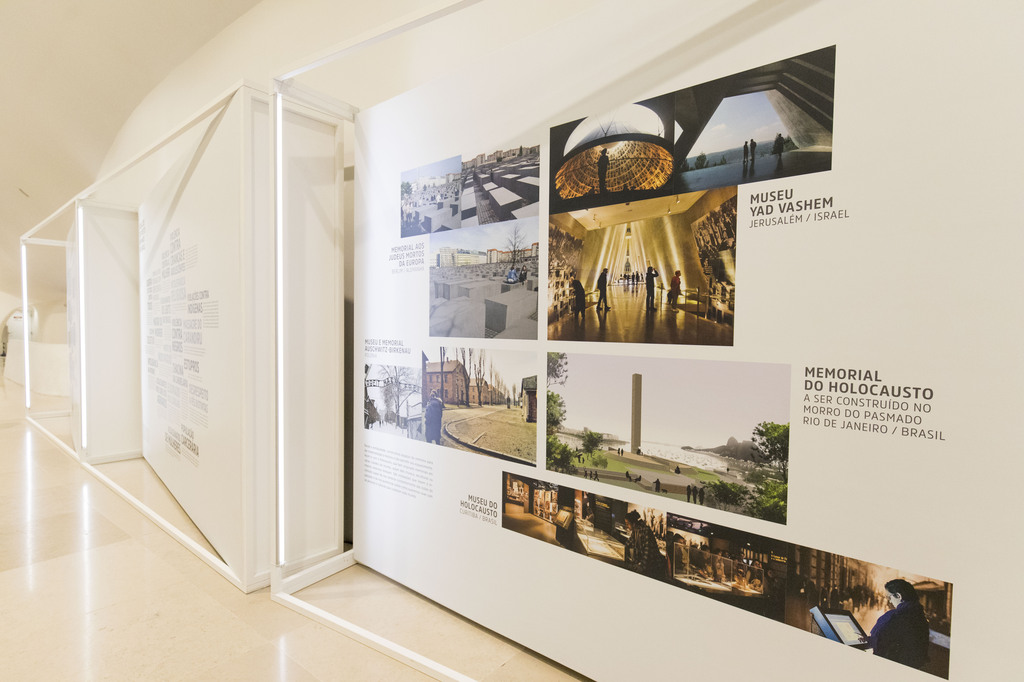
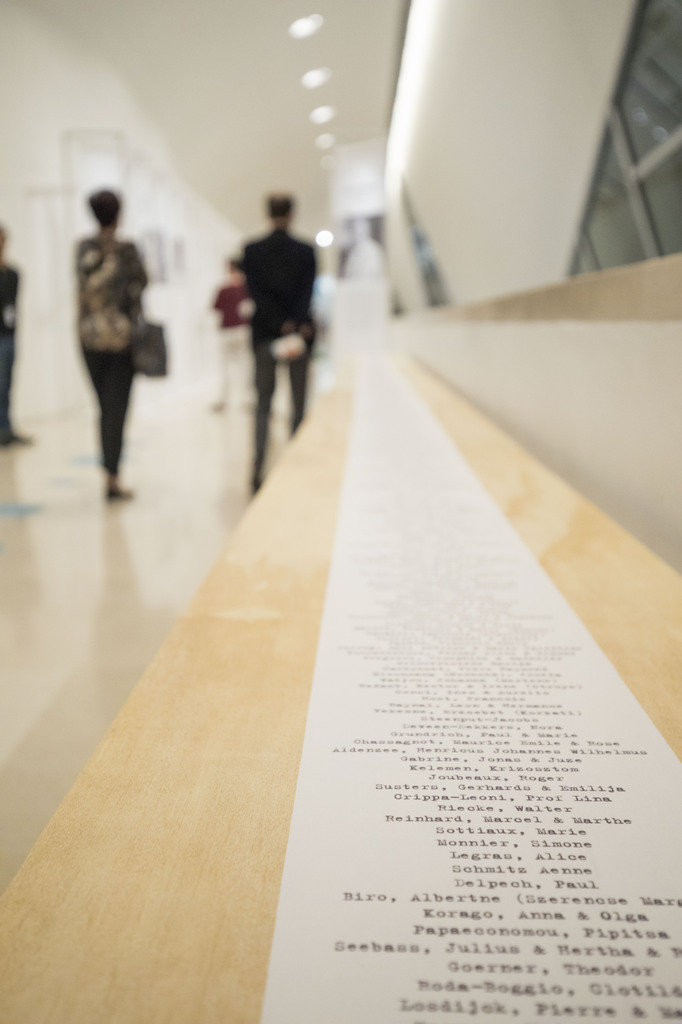
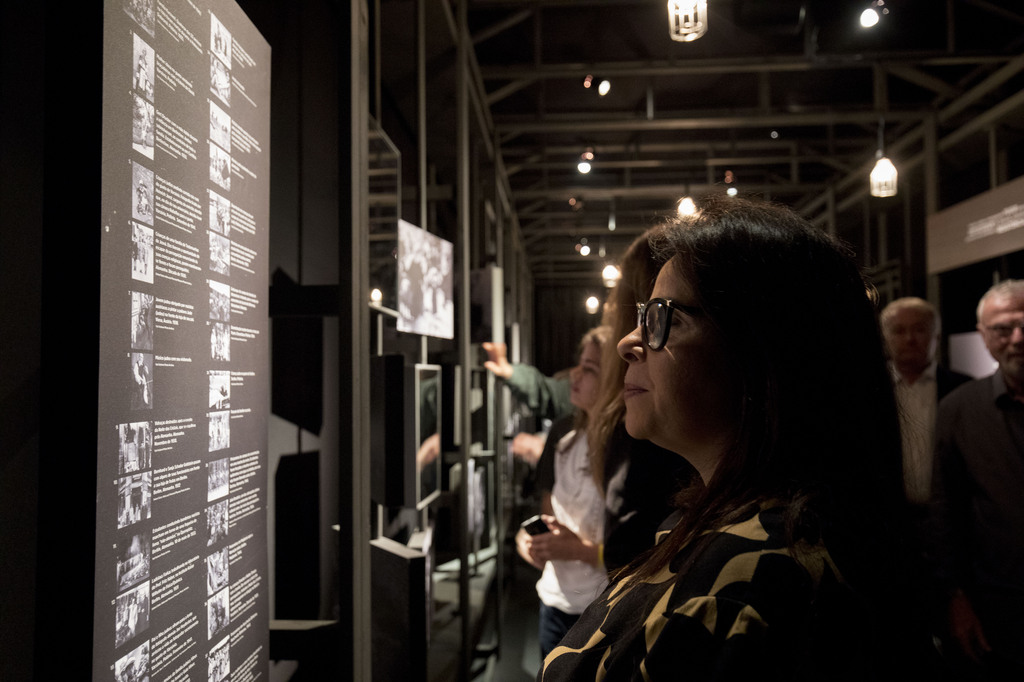
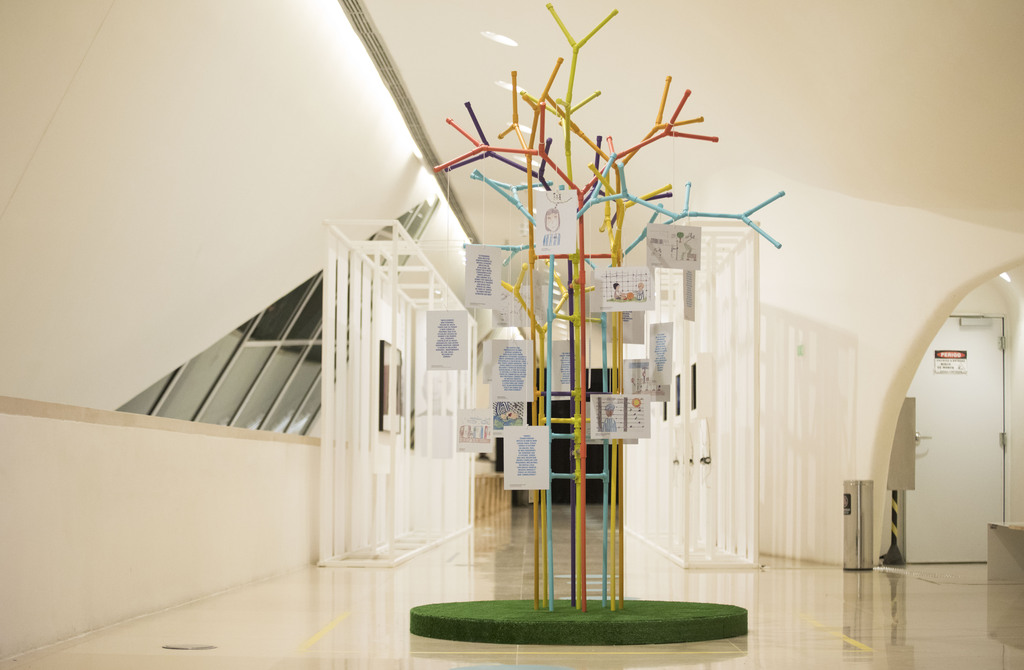
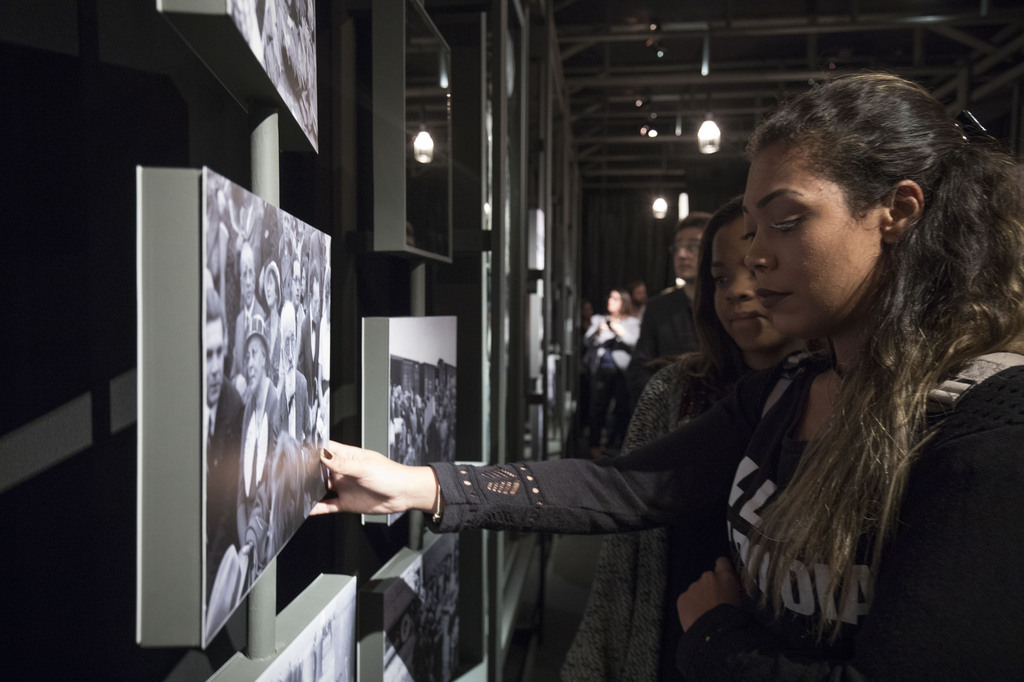
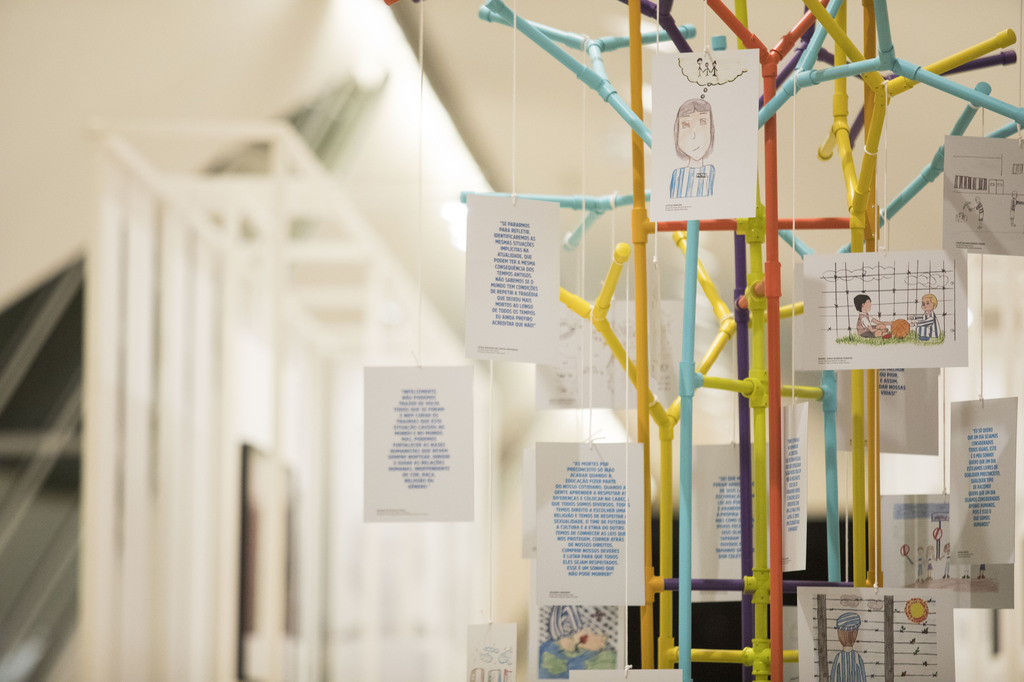
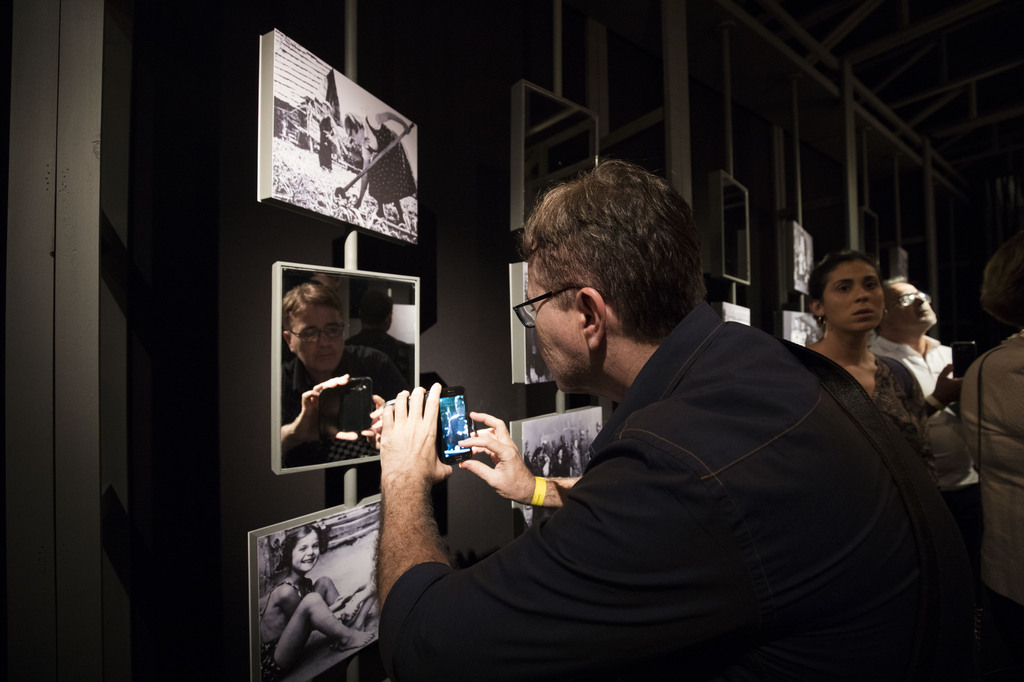
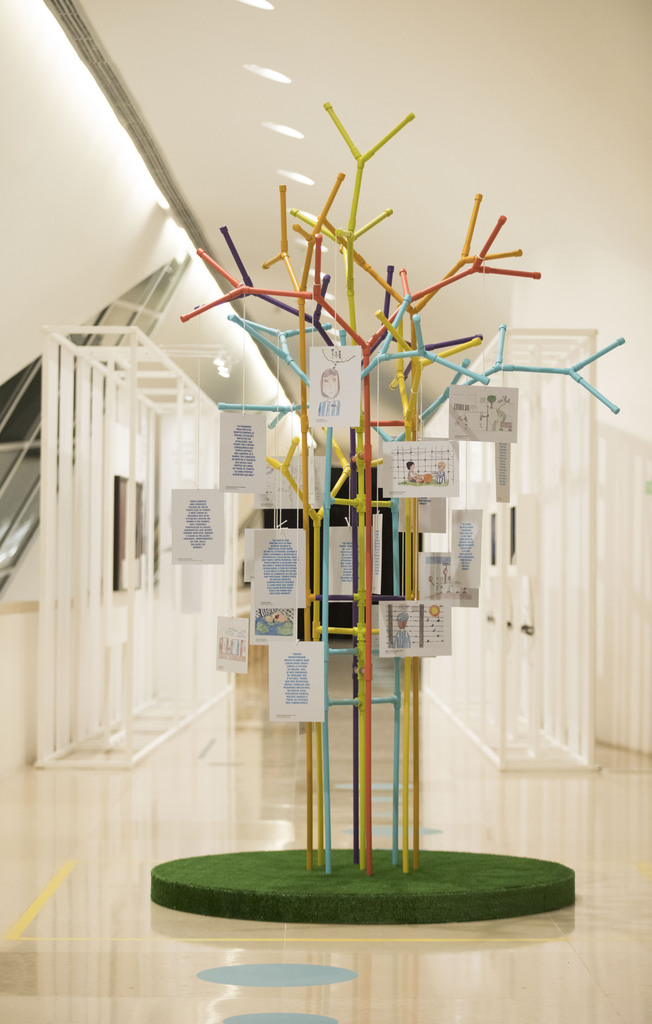
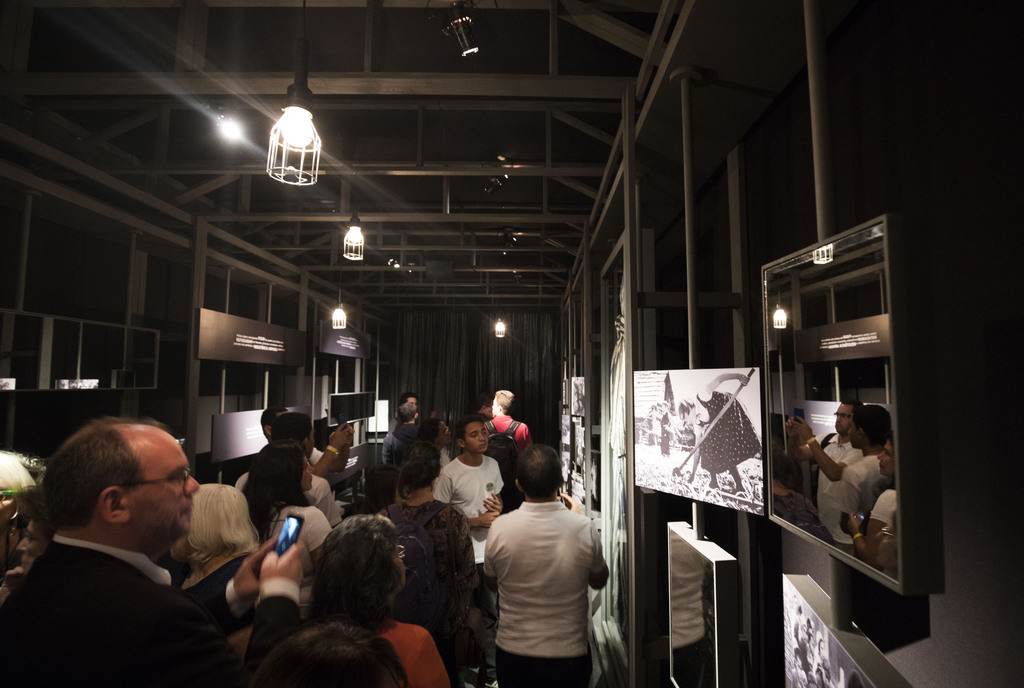
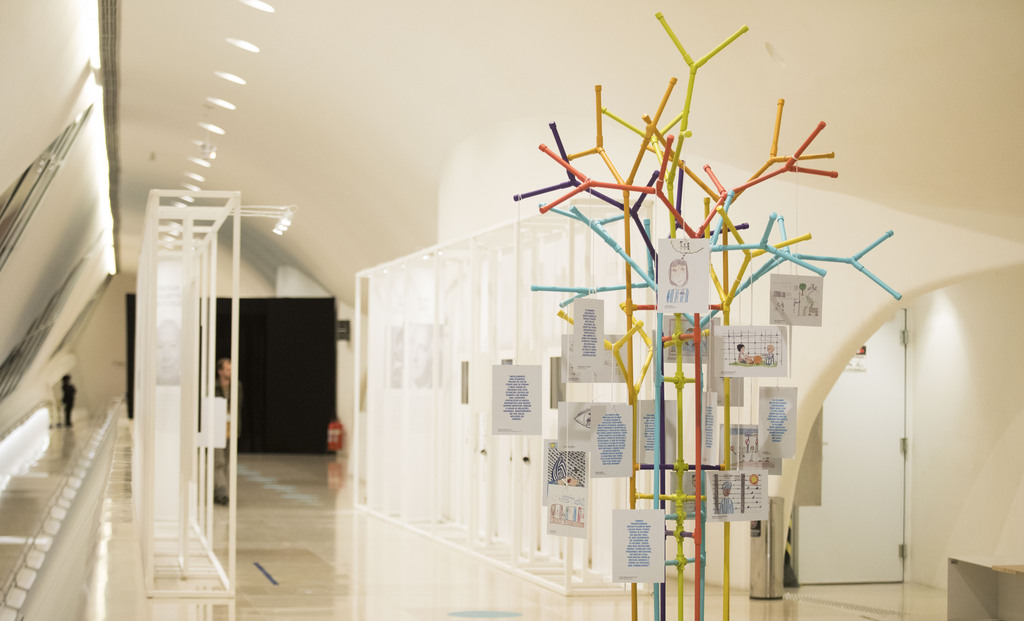
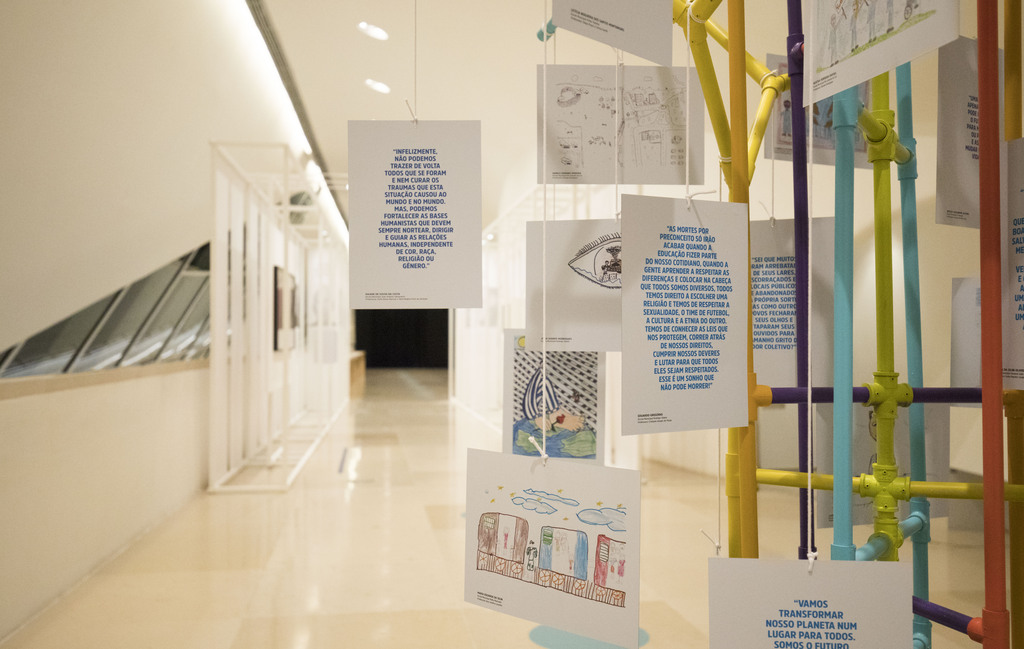
The exhibition Holocaust - Darkness and Light, held by the Museum of Tomorrow in partnership with the Holocaust Museum of Curitiba, invites reflection on the importance of coexistence, and on how we want to live with each other, today and tomorrow. It will open to the public on July 26th and will remain in the Time Gallery of the Museum of Tomorrow until October 15th.
Its objective is to reinforce the need for learning and remembering to serve as a fundamental action so that the Holocaust serves as a warning and a lesson for our and future generations. With this, we can prevent and combat countless genocides and serious human rights violations that continue to occur in various parts of the planet, including Brazil.
It is necessary to promote coexistence and deal with difference so that we can move towards more pluralistic tomorrows.
O Holocausto foi um triste capítulo na história da humanidade. Não muito distante. Iniciado com a ascensão de Adolf Hitler ao poder na Alemanha, em 1933, e intensificado durante a Segunda Guerra Mundial, consistiu na perseguição e no aniquilamento de cerca de 6 milhões de judeus pelos nazistas e seus colaboradores. Um projeto de extermínio de um povo, amparado em sistemas burocráticos. Ciganos, pessoas com deficiência, homossexuais, negros, testemunhas de Jeová e dissidentes políticos também foram perseguidos por razões étnicas ou nacionais. Mas mesmo em condições extremamente adversas, muitos conseguiram se refugiar em outros países, outros se rebelaram e pegaram em armas para lutar, e vários conseguiram simplesmente resistir e sobreviver. A exposição Holocausto - Trevas e Luz, realizada pelo Museu do Amanhã em parceria com o Museu do Holocausto de Curitiba, convida à reflexão sobre a importância da convivência, e sobre como queremos viver uns com os outros, hoje e amanhã. Ela será aberta ao público no dia 26 de julho e ficará na Galeria do Tempo do Museu do Amanhã até 15 de outubro. Seu objetivo é reforçar a necessidade de que aprender e recordar são ações fundamentais para que o Holocausto sirva como um alerta e um ensinamento para a nossa e futuras gerações. Com isso, poderemos evitar e combater inúmeros genocídios e graves violações dos direitos humanos que continuam ocorrendo em várias partes do planeta, incluindo o Brasil. É preciso promover a convivência e lidar com a diferença para que possamos seguir rumo a Amanhãs mais plurais.
O Holocausto foi um triste capítulo na história da humanidade. Não muito distante. Iniciado com a ascensão de Adolf Hitler ao poder na Alemanha, em 1933, e intensificado durante a Segunda Guerra Mundial, consistiu na perseguição e no aniquilamento de cerca de 6 milhões de judeus pelos nazistas e seus colaboradores. Um projeto de extermínio de um povo, amparado em sistemas burocráticos. Ciganos, pessoas com deficiência, homossexuais, negros, testemunhas de Jeová e dissidentes políticos também foram perseguidos por razões étnicas ou nacionais. Mas mesmo em condições extremamente adversas, muitos conseguiram se refugiar em outros países, outros se rebelaram e pegaram em armas para lutar, e vários conseguiram simplesmente resistir e sobreviver. A exposição Holocausto - Trevas e Luz, realizada pelo Museu do Amanhã em parceria com o Museu do Holocausto de Curitiba, convida à reflexão sobre a importância da convivência, e sobre como queremos viver uns com os outros, hoje e amanhã. Ela será aberta ao público no dia 26 de julho e ficará na Galeria do Tempo do Museu do Amanhã até 15 de outubro. Seu objetivo é reforçar a necessidade de que aprender e recordar são ações fundamentais para que o Holocausto sirva como um alerta e um ensinamento para a nossa e futuras gerações. Com isso, poderemos evitar e combater inúmeros genocídios e graves violações dos direitos humanos que continuam ocorrendo em várias partes do planeta, incluindo o Brasil. É preciso promover a convivência e lidar com a diferença para que possamos seguir rumo a Amanhãs mais plurais.
Additional type
Thematic Axis
Content
Keyword
Hate SpeechSubject
Temporary ExhibitionsSubject
PhotographySubject
HistorySubject
HumanitySubject
Social JusticeSubject
MemorySubject
Ethnic-Racial RelationsSubject
SocietySubject
Assets
Image15
Is Part Of