
Brazil at COP 28: Challenges and Opportunities in a Warming World
30/11/2023
Author
Thematic Axis
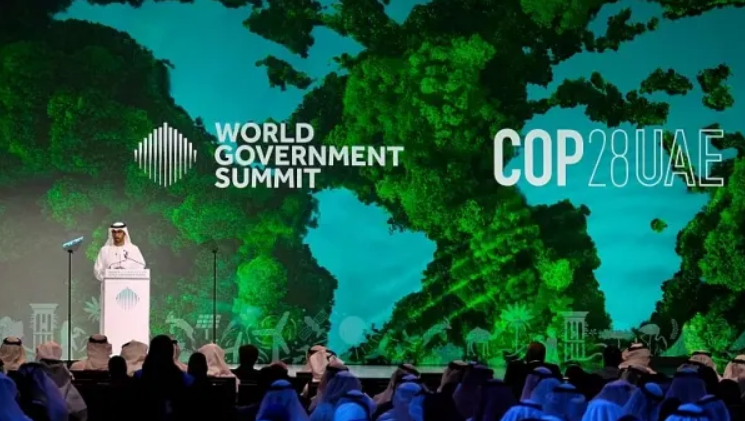
Dubai, in the United Arab Emirates, will host COP 28. Photograph: Kamran Jebreili/AP
The Conference of the Parties (COP) is an annual meeting of the United Nations Framework Convention on Climate Change that aims to bring together leaders and political representatives to discuss issues related to the climate crisis. This year, COP 28 will take place in Dubai from 11/30 to 12/12 and will feature leaders from more than 200 countries who will discuss four themes listed as priorities, namely: acceleration of the energy transition, climate financing, focus on nature, people and life and means to promote inclusion. There is also expectation for the launch of the Global stocktake, a document that aims to inventory what has been done since the Paris Agreement, signed in 2015.
There are some points that mark COP 28 in advance. The United Arab Emirates is among the 10 largest oil producers in the world and the host country appointed Sami Al Jaber to preside over the conference — he is the leader of the state-owned oil company, which raised the question of possible conflicts of interest. We should also mention that for the first time at a COP, there will be a stand for oil producers. We understand that the energy transition involves dialogue between the parties, the question is to what extent large producers are open to the new needs imposed by climate emergencies.
Al Jaber has preferred to use the verb to stop the use of fossil fuels, rather than to abolish it. Which is also another sticking point for COP 28, since the latest Intergovernmental Panel on Climate Change (IPCC) points out the need to end the use of fossil fuels as a way of trying to hold the increase in global temperature to 1.5 C. To put it into context, the IPCC is a report prepared by around 500 scientists from different countries who research the topic and read the situation based on the scientific data obtained. Like the COPs, the IPCC is also an instrument that should guide decision-making and be the basis for public policy proposals to extinguish and/or mitigate the effects of climate change.
Thinking about these effects, we can see the increasingly frequent occurrence of climate events and how catastrophic the consequences have been. In recent months, here in Brazil we have had two heat waves, an unprecedented drought in the Amazon, floods in the south, cyclones in the south and southeast, and intensified drought in the northeast. Many people lost their homes, their families, became ill and had their mental health affected. It is worth highlighting the emblematic case of young Ioane Teitiota, a resident of the Republic of Kiribat, who together with his family were the first to be recognized in 2020 by the United Nations (UN) as climate refugees. How will COP 28 deal with these increasingly frequent situations? How will the climate fund — still without consensus — work considering the logic that the poorest countries are much more vulnerable to these extreme events? What is expected, in this sense, is that these climate inequalities are put on the table to think about the actions and agreements signed at COP 28.
Brazil's presence at COP 28 plays a fundamental role. Based on President Lula's speeches at recent environmental events, what is expected is an incisive stance in relation to climate financing. Lula has argued that rich countries should pass on funds to poor or developing countries as a way of financing projects to prevent deforestation and contain the ongoing consequences of climate change. At the same time, Lula takes with him the embroilment of the Brazilian state-owned company that is requesting environmental licenses to explore the Foz do Amazonas, the advance of habitat loss in biomes such as Cerrado and Caatinga, often erased and overshadowed by the Amazon Forest.
Until then, what we have is a field with many forces in dispute. It remains to be seen how COP 28 will deal with these different climate impact scenarios.